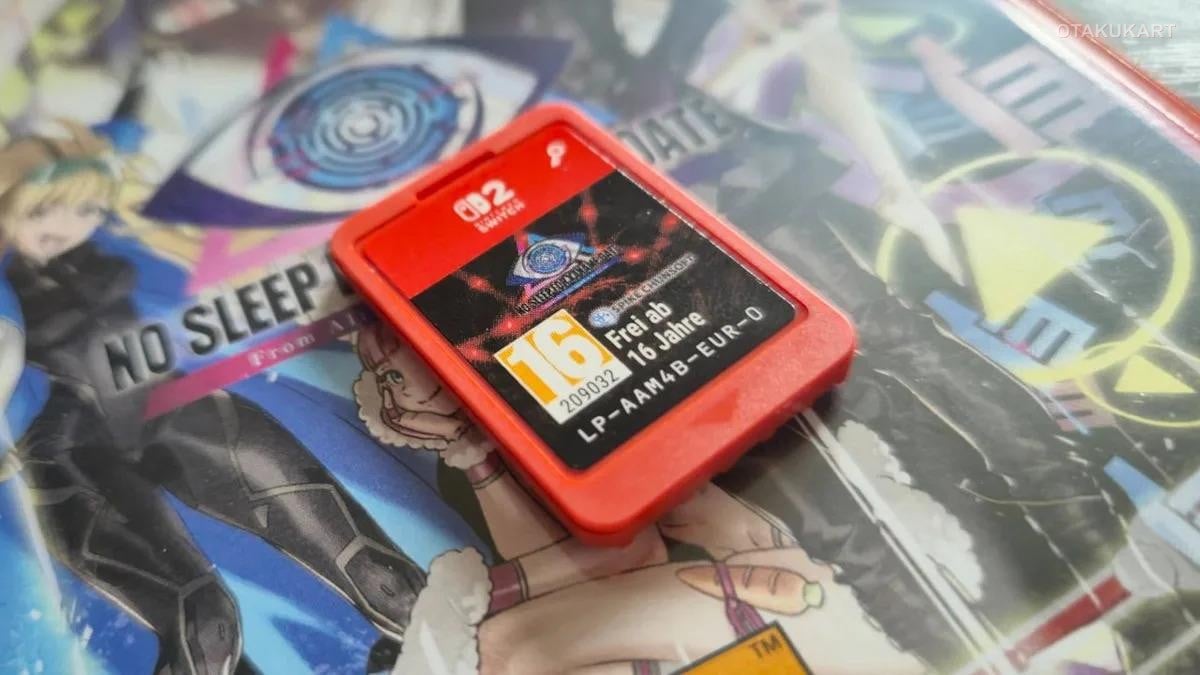
Nippon Ichi Software president and CEO Kenzo Saruhashi has addressed one of the biggest concerns surrounding Nintendo Switch 2’s Game-Key Card format. According to Saruhashi, NIS has not observed a meaningful sales difference between games distributed through Game-Key Cards and those available on traditional physical media.
Saruhashi discussed the subject during an interview with RPG Site at PAX West 2026. His comments come as Game-Key Cards continue to attract criticism from some Switch 2 players because the cartridges do not contain the complete game and require a download to access the software.
NIS Reports No Sales Impact From Game-Key Cards
When asked whether NIS had noticed different sales performance for Switch 2 games released as Game-Key Cards compared with physical releases containing the complete game, Saruhashi gave a straightforward response:
“Currently, we don’t see a difference in the sales between them.”
NIS has already adopted Game-Key Cards for several Switch 2 releases, including The Legend of Heroes: Trails beyond the Horizon and Disgaea 7: Vows of the Virtueless. Saruhashi’s comments therefore provide insight from a publisher with direct experience using the format.
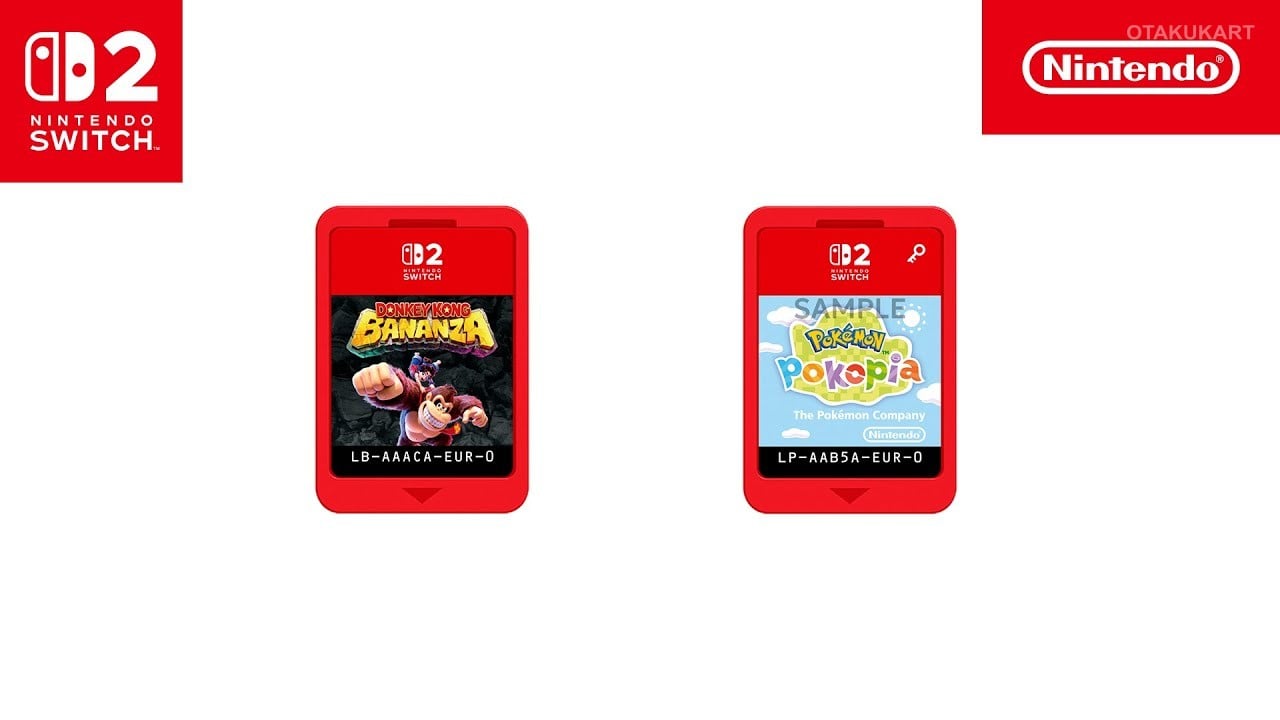
Game-Key Cards have become controversial because the cartridge primarily functions as a key to download the required game data rather than serving as a complete physical copy. While publishers can benefit from reduced manufacturing costs and larger games can still receive retail releases, some players argue that the format provides less value for collectors and creates additional preservation concerns.
Saruhashi also discussed NIS’s broader approach to physical games during the RPG Site interview. With Sony planning to stop producing physical discs for new PlayStation titles from 2028, he said NIS is watching the market closely but has no plans to stop producing its limited editions, which often include physical collectibles and other extras.
The NIS president also explained that the company considers PC and Xbox releases on a case-by-case basis, largely because its development teams are relatively small and technical resources must be allocated carefully. For localization, NIS aims for simultaneous global launches but sometimes targets a release within three months of the Japanese launch when resources or scheduling make that impossible.