
Nintendo has officially scheduled a new round of maintenance for its online services, with legacy platforms Wii U and Nintendo 3DS set to experience temporary disruptions. The maintenance window, announced for the week of June 14, 2026, focuses specifically on Nintendo Network ID login functionality rather than broader online services. Notably, there are no scheduled updates or downtime planned for Nintendo Switch or its successor, signaling Nintendo’s continued prioritization of its newer ecosystem.
According to Nintendo’s official network maintenance page, the update is part of routine backend servicing designed to maintain stability across older systems. While these legacy platforms are no longer at the center of Nintendo’s hardware strategy, the company continues to support essential network features for existing users. This latest maintenance cycle reflects that ongoing commitment, even as the industry shifts toward newer consoles.
Maintenance Window: Exact Timings Across Regions
The scheduled downtime is set to affect Nintendo Network ID logins on both Wii U and 3DS systems for several hours. The maintenance will begin on June 15, 2026, and continue into early June 16 in some regions, depending on local time zones.
For users in the United States, the service interruption is expected to run from 1 PM to 5 PM PT and 4 PM to 8 PM ET. In the United Kingdom, the window falls between 9 PM on June 15 and 1 AM on June 16, while European regions will see downtime from 10 PM to 2 AM. These timings suggest a coordinated global update, minimizing disruption by targeting off-peak hours in multiple regions.
During this period, players attempting to log in using their Nintendo Network ID may experience errors or temporary service unavailability. However, offline gameplay and previously downloaded content should remain accessible without interruption.
One of the most notable aspects of this announcement is the absence of any maintenance scheduled for Nintendo Switch platforms. This highlights the evolving lifecycle of Nintendo’s hardware ecosystem, where legacy systems are maintained separately from modern infrastructure.
The Wii U and Nintendo 3DS both rely on older network architectures, including Nintendo Network ID systems that predate the Nintendo Account ecosystem used by the Switch. As a result, maintenance for these systems is often isolated, focusing on stability and security updates rather than feature enhancements.
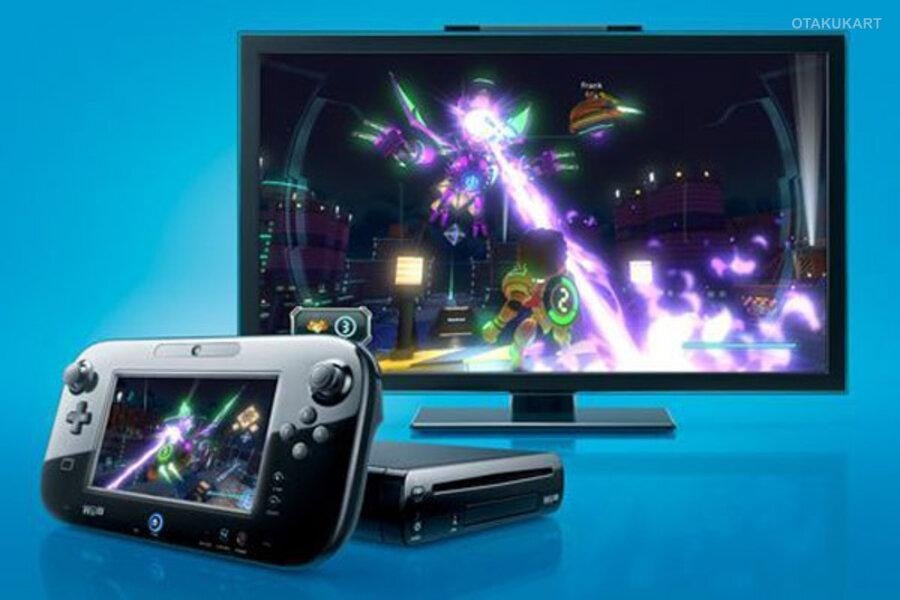
Industry observers note that this approach allows Nintendo to streamline operations while still honoring its commitment to long-time users. Even though official online services for these platforms have been scaled back in recent years, login systems and account access remain critical for users who still engage with digital libraries.
What Players Should Expect During Downtime
For affected users, the primary impact will be limited to login-related features. Attempting to sign in during the maintenance window may result in temporary errors or delays. Players who are already logged in before the maintenance begins may also face connectivity interruptions depending on how the update is deployed.
Nintendo has not indicated any permanent changes or new features tied to this maintenance, suggesting it is a standard backend update. These routine operations typically involve server optimization, minor security adjustments, or infrastructure upkeep.
A Nintendo network update notice states that such maintenance is conducted to “ensure continued service stability,” reinforcing that the goal is long-term reliability rather than immediate user-facing improvements.
Ongoing Support for Legacy Nintendo Systems
Despite the industry’s rapid transition to newer consoles, Nintendo’s decision to maintain core services for Wii U and 3DS reflects a broader trend of supporting legacy ecosystems. Many players still rely on these systems for access to purchased digital titles, saved data, and account-linked content.
By continuing to roll out maintenance updates, Nintendo ensures that essential functions remain operational, even as the platforms move further into legacy status. This strategy not only preserves user trust but also aligns with digital ownership expectations in modern gaming.
At the same time, the lack of updates for Switch systems in this schedule signals stability in Nintendo’s current-generation infrastructure. It suggests that newer platforms are operating without immediate need for intervention, at least during this maintenance cycle.