
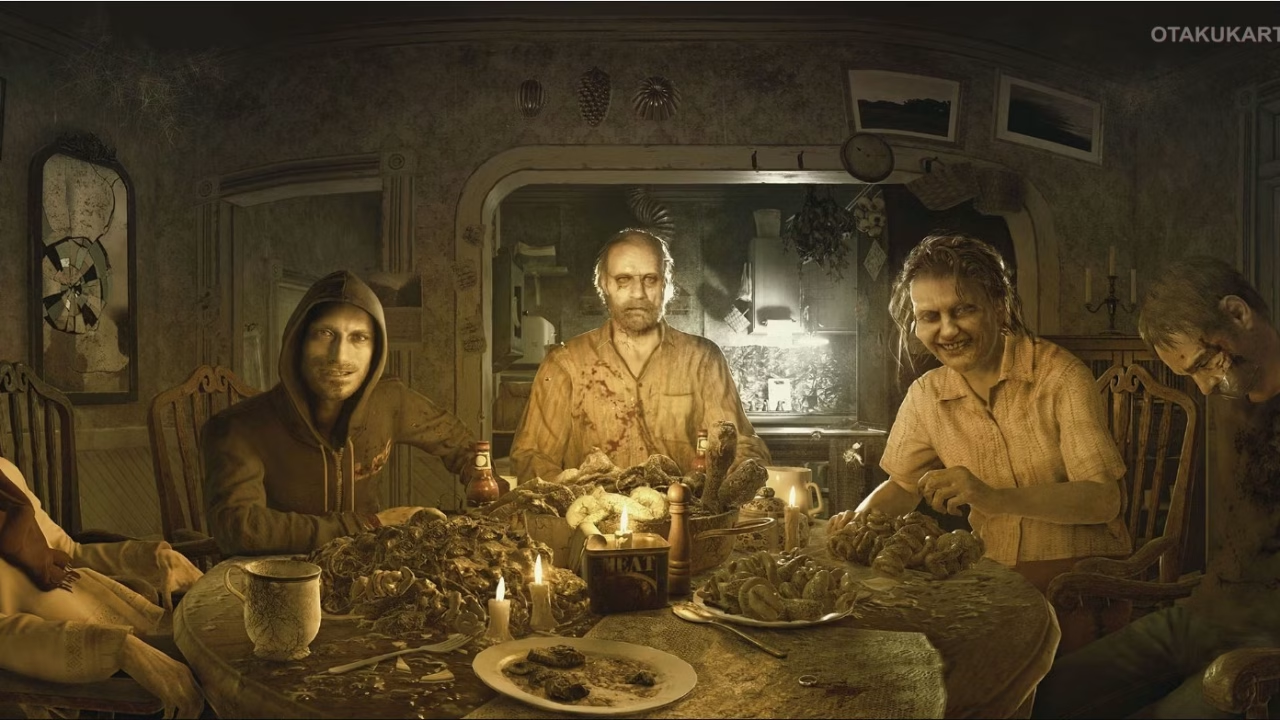
Resident Evil 7: Biohazard took the survival horror franchise in a new direction after Resident Evil 6, and former Capcom senior production manager Miguel Corti has revealed how The Last of Us influenced that shift. According to Corti, the development team wanted to achieve the critical recognition that other narrative-driven games were receiving, leading to a stronger emphasis on storytelling and connections to the franchise’s lore.
In a series of posts on Bluesky, Corti discussed the different versions of Resident Evil 7 that were considered during development. He explained that some early approaches drew inspiration from Naughty Dog’s The Last of Us, rather than focusing primarily on the action associated with Call of Duty and its popular Zombies mode.
Corti said the team saw narrative-focused games receiving significant praise and wanted Resident Evil to earn similar recognition. As he explained,
“The devs wanted the critical acclaim other games were garnering, especially since many of them were obviously influenced by Resident Evil.”
Resident Evil 7 Was Designed to Strengthen the Series’ Story
Corti’s comments suggest that the team wanted Resident Evil 7 to combine its horror roots with stronger narrative direction. He said the game was expected to feature more connections to the franchise’s established lore, reflecting the developers’ ambition to deliver a story that would earn greater critical recognition.
This was notable because Capcom executives were reportedly satisfied with Resident Evil 6’s commercial performance. However, the previous game’s action-heavy approach and sprawling story had drawn criticism from some players. The success of The Last of Us, which combined survival horror elements with character-driven storytelling, offered a different model for the team to consider.
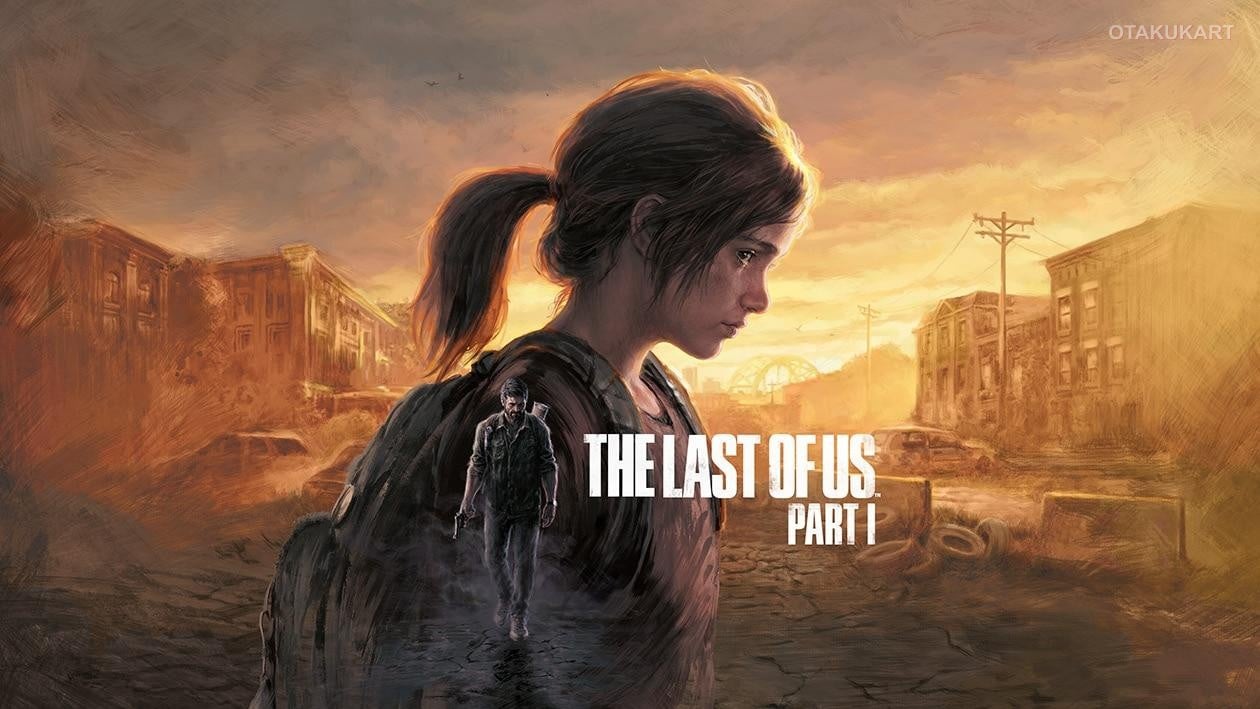
Corti’s account does not mean Resident Evil 7 simply copied Naughty Dog’s game. Rather, it highlights how its critical reception influenced discussions about the direction of Capcom’s own franchise.
Released in 2017, Resident Evil 7: Biohazard moved the series toward first-person survival horror, a more intimate setting, and a stronger focus on tension and vulnerability. The game helped establish a new direction for the franchise, followed by Resident Evil Village and later entries.
The influence of The Last of Us described by Corti is best understood as part of the creative conversation surrounding Resident Evil 7, rather than the sole reason for its transformation. His account offers a look into how Capcom’s developers reconsidered the series while aiming to deliver a more cohesive horror experience.

| Release Date | September 18, 2026 |
|---|---|
| Studio | Columbia Pictures, Constantin Film, TriStar Pictures |
| Director | Zach Cregger |
| Writer(s) | Zach Cregger, Shay Hatten |