
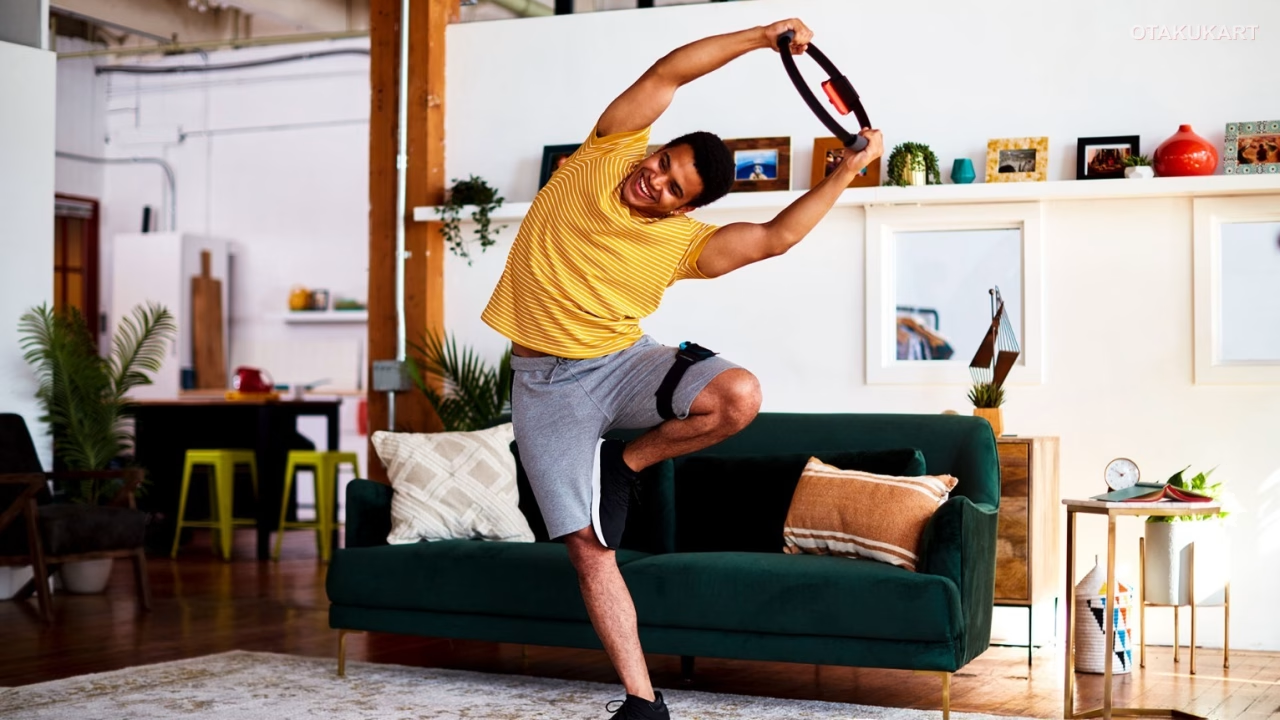
A new study has highlighted the potential mental health benefits of Ring Fit Adventure, suggesting that the popular exercise-based game may help reduce symptoms of depression while improving sleep quality.
The findings come from researchers at Jilin University, who conducted a controlled trial examining how regular gameplay impacts individuals experiencing “subthreshold depression”—a condition where people show depressive symptoms but do not meet the criteria for major depressive disorder.
Study Explores Gaming as a Mental Health Tool
The research, published in the Journal of Medical Internet Research, focused on whether gamified exercise could offer a more engaging alternative to traditional workouts, which are often difficult to maintain consistently.
“Adherence to conventional exercise programs is often low,”
the researchers noted in the study, emphasizing the need for more accessible and motivating solutions.
To test this, the team recruited 84 participants from three universities in northeastern China. Half of the group followed a structured program involving Ring Fit Adventure sessions lasting 50–60 minutes, two to three times per week, over an eight-week period. The remaining participants continued with their usual routines and served as a control group.
After 16 weeks, the results showed notable improvements among participants who played the game regularly. The intervention group reported reduced depressive symptoms and better sleep quality compared to the control group.
While the study stopped short of claiming definitive clinical treatment outcomes, the data pointed toward meaningful improvements in overall well-being.
The researchers concluded that fitness-based video games
“may serve as effective and accessible tools for early intervention in mental health,”
particularly for individuals who struggle to maintain traditional exercise routines.
Why Ring Fit Adventure Stands Out
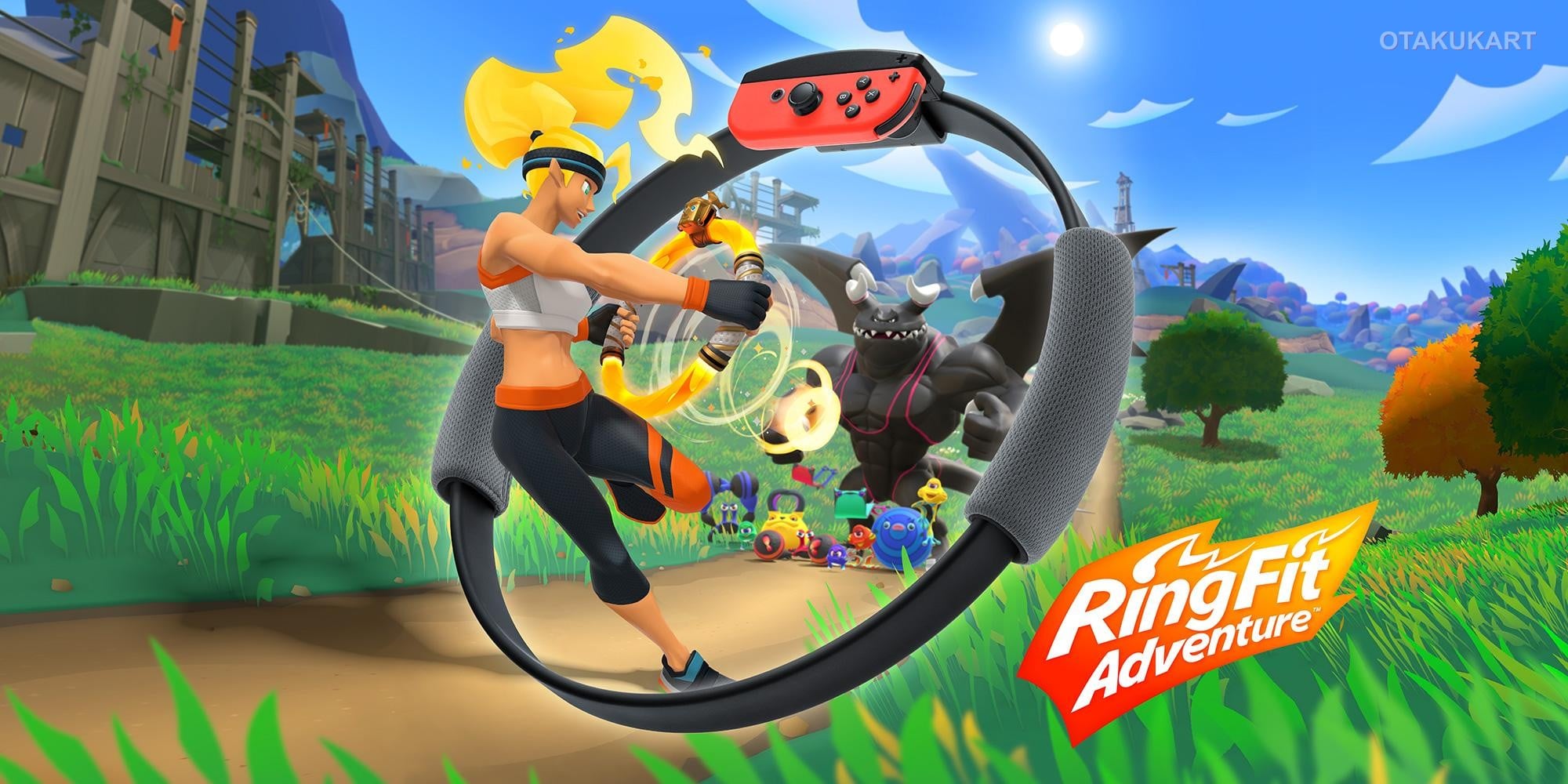
Unlike standard workout programs, Ring Fit Adventure blends physical activity with role-playing game mechanics. Players perform exercises to defeat enemies, progress through levels, and develop their in-game character.
This structure appears to play a key role in maintaining motivation.
Participants in the study reported that the game’s progression system and interactive design encouraged them to stay consistent. Elements such as leveling up, completing challenges, and engaging in story-driven gameplay made the exercise feel less like a chore and more like entertainment.
One participant noted that the experience “felt rewarding in a way traditional workouts rarely do,” highlighting how gamification can reshape user engagement.
Limitations and Environmental Factors
Despite the promising results, researchers acknowledged several limitations. Some participants pointed out that the controlled lab environment may have influenced their experience.
Factors such as scheduled sessions, guidance from staff, and a distraction-free setting could have contributed to improved adherence and outcomes.
Additionally, the study did not fully isolate whether improvements were due solely to the game itself or a combination of exercise, environment, and routine.
The researchers emphasized the need for further studies to evaluate how these results translate to real-world settings, such as playing at home without supervision.
The findings add to a growing body of research exploring the health benefits of interactive fitness games. Previous studies, including work by researchers at Chiba University, have examined how similar games may help with physical conditions like chronic back pain.
Together, these studies suggest that gamified fitness experiences could bridge the gap between entertainment and healthcare, offering a practical solution for both physical and mental well-being.