The gaming industry is facing an unusual shift as Nintendo, Sony and Microsoft move away from the traditional expectation that console hardware becomes cheaper as a generation progresses. Instead, all three major platform holders have raised prices amid growing pressure from memory and storage costs, with the AI data-center boom increasingly affecting consumer electronics.
Nintendo’s Switch 2 is set to increase from $449.99 to $499.99 in the U.S. on September 1, while Microsoft raised Xbox console prices by $100 for 512GB models and $150 for 1TB models on August 1. Sony also raised PS5 prices earlier this year, with the standard console increasing to $649.99 in the U.S.
AI Memory Demand Is Driving Console Costs Higher
The biggest factor behind the rising prices is the growing demand for memory used in AI infrastructure. As companies build increasingly powerful AI data centers, memory manufacturers are prioritizing high-margin products such as high-bandwidth memory and server memory.
That is creating a supply and pricing problem for the consumer electronics industry. Microsoft said that console storage and memory prices had risen by more than 2.5 times and could double again by fall 2027, explaining why the company could no longer avoid another price increase.
Nintendo is facing similar pressure. During its latest financial briefing, president Shuntaro Furukawa said rising prices for memory and other components, combined with tariffs, were expected to have an impact of roughly ¥100 billion on the company’s current fiscal year.
Furukawa said the company might have explored other ways to protect the Switch 2’s price if the increased costs appeared temporary. However, Nintendo believes the pressure on memory and other components could continue over the medium to long term, making it difficult to maintain existing hardware prices without affecting profitability.
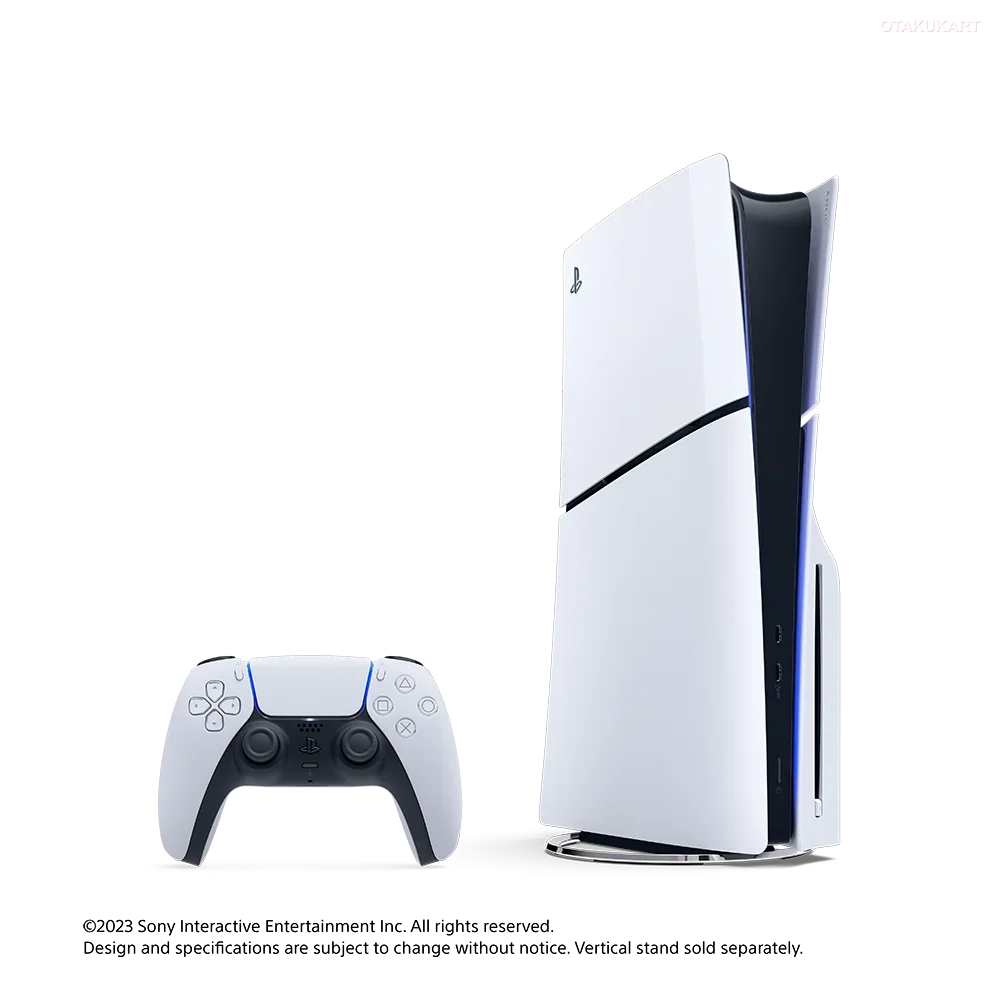
Sony has also acknowledged the challenge. In its own investor Q&A, the company said higher memory prices increase manufacturing costs and warned that passing those increases on to consumers could significantly affect console adoption. Sony said it had secured the memory volumes needed for 2026 but would need to balance hardware pricing and promotional spending as conditions change.
Higher Prices Could Change Who Buys Consoles
The growing cost of consoles is already raising concerns about affordability. Recent market data showed U.S. console unit sales falling 39% year-over-year in July, while the average console price increased 16% to $542. Rising prices are not necessarily the only reason behind weaker hardware sales, but they add another obstacle for consumers deciding whether to enter the current generation.
This could be particularly significant for younger players, families and casual audiences, who have historically helped consoles expand beyond the core gaming market. A higher entry price may encourage some consumers to keep older hardware for longer or turn toward used consoles, mobile games, PCs and cloud gaming.
The situation also puts pressure on the traditional console business model. Hardware manufacturers have often accepted low margins or losses on consoles because they expected to earn money later through game sales, subscriptions, downloadable content and accessories. If the hardware itself becomes too expensive for a large number of potential buyers, growing the installed base becomes more difficult.
That could eventually affect game developers as well. A smaller or slower-growing console audience may make publishers more cautious about investing heavily in platform-specific projects.
A New Challenge for Nintendo, Sony and Microsoft
The console industry has survived component shortages and economic downturns before, but the current situation is unusual because the AI boom has created a major new competitor for memory supply. Companies building data centers can generate far more demand for certain types of advanced memory than traditional consumer electronics manufacturers.
For Nintendo, Sony and Microsoft, the challenge will be finding ways to maintain healthy hardware businesses without making consoles inaccessible to the players they need to attract. Nintendo continues to depend heavily on expanding its Switch 2 user base, while Sony is balancing hardware profitability with long-term player value and Microsoft is increasingly expanding beyond traditional console sales through Game Pass and cloud gaming.
The question is whether higher prices become a temporary response to an extraordinary component shortage or signal a lasting change in the cost of console gaming. If AI demand continues to keep memory prices high, the era of cheaper consoles over time may become far less certain.