Nintendo is entering a crucial stage of the Switch 2 generation as the company shifts from the console’s initial hardware launch toward a business increasingly driven by software and intellectual property. Its latest financial performance shows that the transition is already underway, with stronger software sales and major IP-related revenue helping offset slower hardware momentum.
The company’s first-quarter results also suggest that Nintendo has several potential growth drivers ahead. New games, downloadable content, evergreen titles and upcoming film projects could become increasingly important as the Switch 2 hardware cycle matures.
Switch 2 hardware growth is slowing, but Nintendo’s software business is strengthening
According to Nintendo’s latest financial report Nintendo, the company’s operating profit benefited from several factors, including strong results connected to The Super Mario Galaxy Movie, a more favorable software mix and refunds related to tariffs. The report indicates that the tariff-related reduction in costs accounted for roughly one-third of the increase in operating profit.
The more significant long-term development, however, is the growing contribution from software. As Switch 2 hardware sales begin to decelerate following the system’s initial launch period, Nintendo is seeing software become a larger part of its business mix.
This matters because Nintendo’s software and digital businesses generally provide stronger margins than hardware. The company has also introduced price increases in Japan to account for higher memory component costs, making the profitability of hardware less central to its near-term financial outlook.
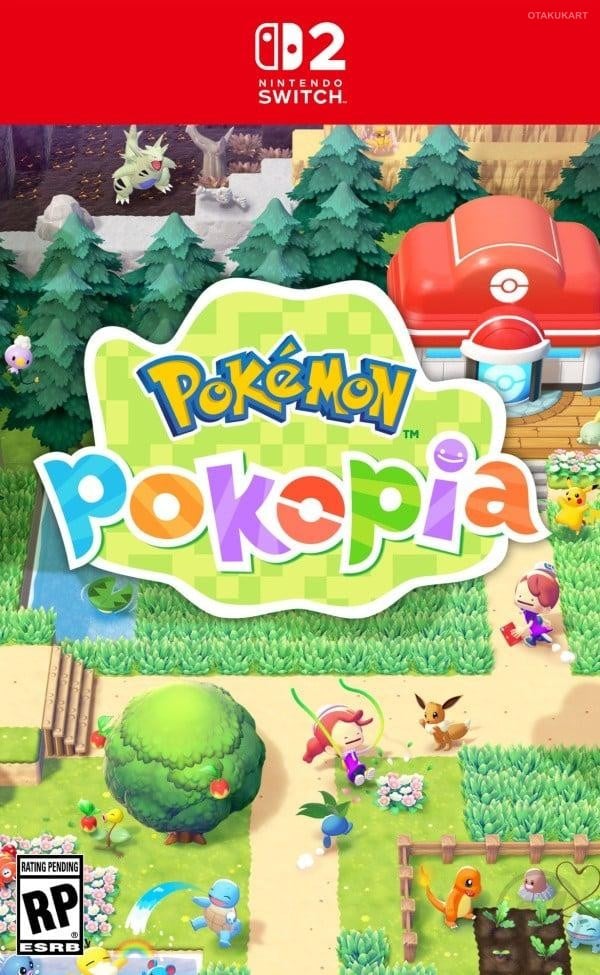
Games such as Pokémon Pokopia and Tomodachi Life: Living the Dream have contributed to Nintendo’s software performance. Pokémon Pokopia is particularly notable because a substantial portion of its overall sales occurred during the latest quarter, while downloadable content released in August could provide another boost.
Nintendo is also building a stronger pipeline for the next stage of the Switch 2 generation. Upcoming releases include a reported Ocarina of Time remake, a new Fire Emblem game, a new Xenoblade title and Pokémon Winds and Waves, creating several opportunities for major software launches.
Nintendo is expanding beyond game sales
Nintendo’s strategy is also becoming increasingly dependent on the value of its major intellectual properties outside traditional game releases. The success of The Super Mario Galaxy Movie provided a substantial contribution to the company’s results, demonstrating how Nintendo can generate revenue from its franchises beyond hardware and software.
The upcoming Zelda movie could provide another major opportunity. Nintendo has increasingly explored movies, downloadable content and evergreen games as ways to generate longer-lasting revenue from its franchises rather than relying exclusively on individual game launches.
The stronger hardware capabilities of Switch 2 could also help Nintendo attract more third-party games. Compared with previous Nintendo systems, the new console is better positioned to receive ports of technically demanding titles, potentially making it useful as both a platform for Nintendo exclusives and third-party releases.
With the initial Switch 2 hardware launch now giving way to a broader software cycle, Nintendo’s upcoming games and expanding IP strategy could play a larger role in determining the platform’s performance over the next several years.