
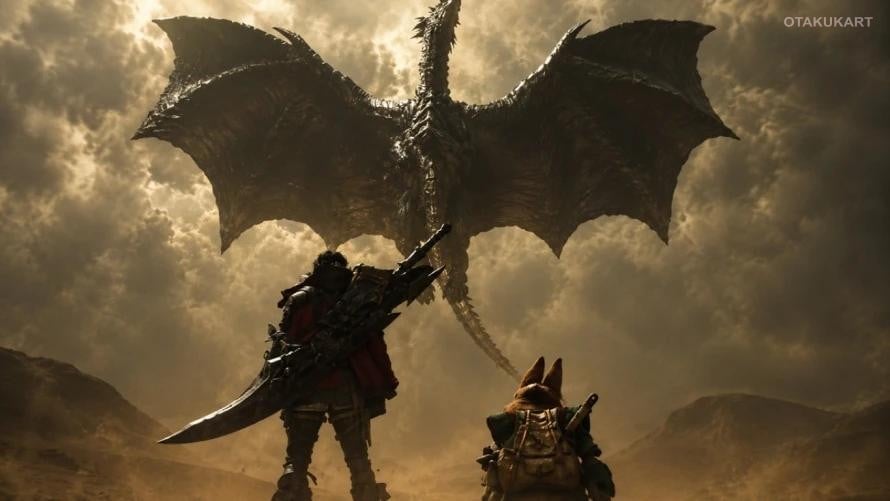
Capcom has revealed that some of the most extreme monster concepts considered during Monster Hunter Wilds development never made it into the game because they pushed the series too far into horror. Among the ideas were multi-headed monsters and creatures that were difficult to justify within the game’s established ecosystems.
The revelation came from Kaname Fujioka, Executive Director and Art Director of Monster Hunter Wilds, during an interview at Tokyo Game Show 2026. Speaking with Postmode, Fujioka explained that Capcom’s monster designs are built around more than appearance. Every creature needs to feel like a living part of its environment, with a believable role in the food chain.
Capcom Has Considered Much Darker Monster Designs
Fujioka explained that the possibilities are virtually unlimited during the early stages of monster development. However, some concepts eventually become incompatible with the philosophy behind Monster Hunter.
“We’ve had designers come up with things that we couldn’t really add into the games, like monsters with many heads,”
Fujioka said.
The team has also created concepts that went too far toward becoming horror creatures. Rather than rejecting frightening designs outright, Capcom evaluates whether they can exist naturally within the game’s world.
The developers consider where a monster lives, what it eats, what creatures prey on it, and how it interacts with other monsters. If those elements cannot be explained convincingly, the design is ultimately discarded.
That philosophy helped shape creatures such as Rompopolo, one of Wilds’ more unsettling monsters. Fujioka explained that even strange or creepy creatures can be included as long as they feel like genuine inhabitants of their environment rather than horror monsters placed onto a map.
Ascendance Will Explore Wilds’ Untold History
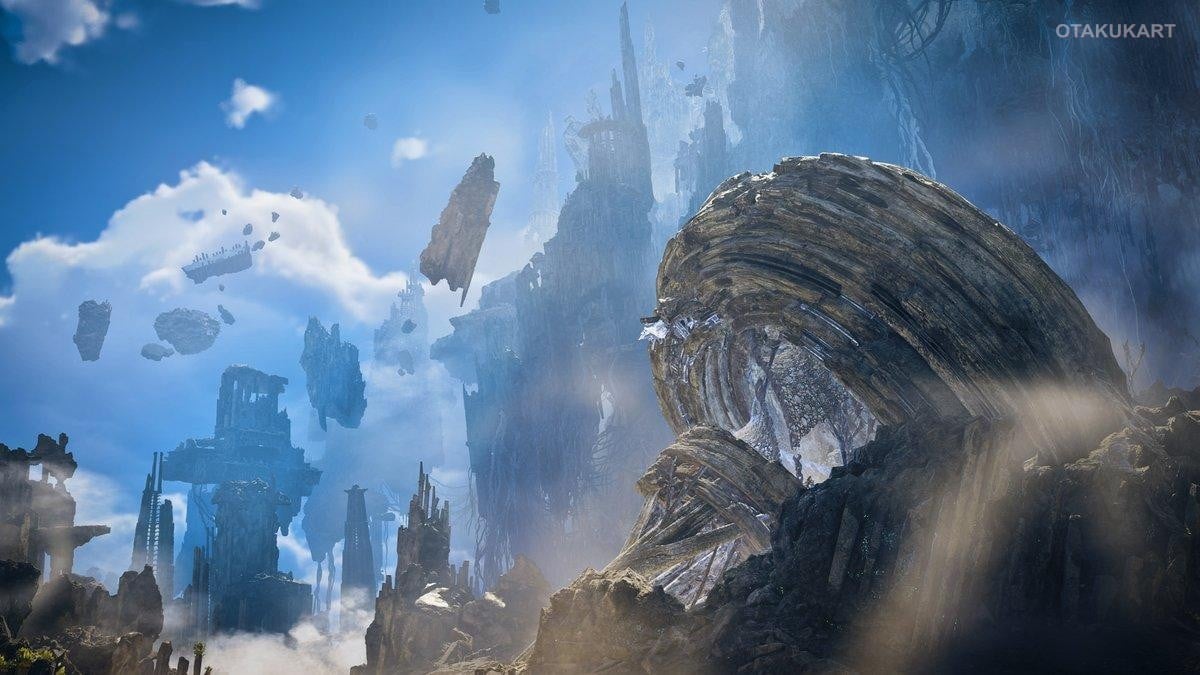
This ecosystem-focused approach becomes particularly important in Monster Hunter Wilds: Ascendance. The expansion takes players to the Skybound Eyrie, a new cloud-covered region filled with ancient ruins, endemic life and new monsters.
More importantly, Ascendance will investigate parts of the Wilds setting that the original game did not have enough time to explore. Fujioka explained that the base game introduced its world through Nata’s perspective, focusing on the immediate events taking place in the Forbidden Lands.
The expansion gives Capcom an opportunity to examine the region’s deeper history, including why Elder Dragons appear and how their presence affects surrounding ecosystems.
“This is the first time we’ve really started looking into why Elder Dragons appear in the first place, and how they affect the ecosystems they appear in,”
Fujioka explained.
Ascendance Builds on Player Feedback
The expansion also aims to deliver a more demanding hunting experience. A Tokyo Game Show preview featured hunts against Araketa and Teostra, with the former proving particularly challenging and showcasing the new Boost Bracer combat system.
Ascendance will also introduce new endemic life, a new settlement called Madoi Stronghold and additional food tied to the culture of its inhabitants. Capcom is simultaneously using lessons from Wilds’ PC optimization work to improve the game’s performance on Nintendo Switch 2.
The expansion could therefore represent more than another collection of monsters and quests. With Capcom returning to Elder Dragon lore and exploring the history behind Wilds, it may finally answer some of the larger questions that the base game’s story left unresolved.
| Platforms | PC, PlayStation 5, Xbox Series X/S |
|---|---|
| Developer | Capcom |
| Director | Yuya Tokuda |