
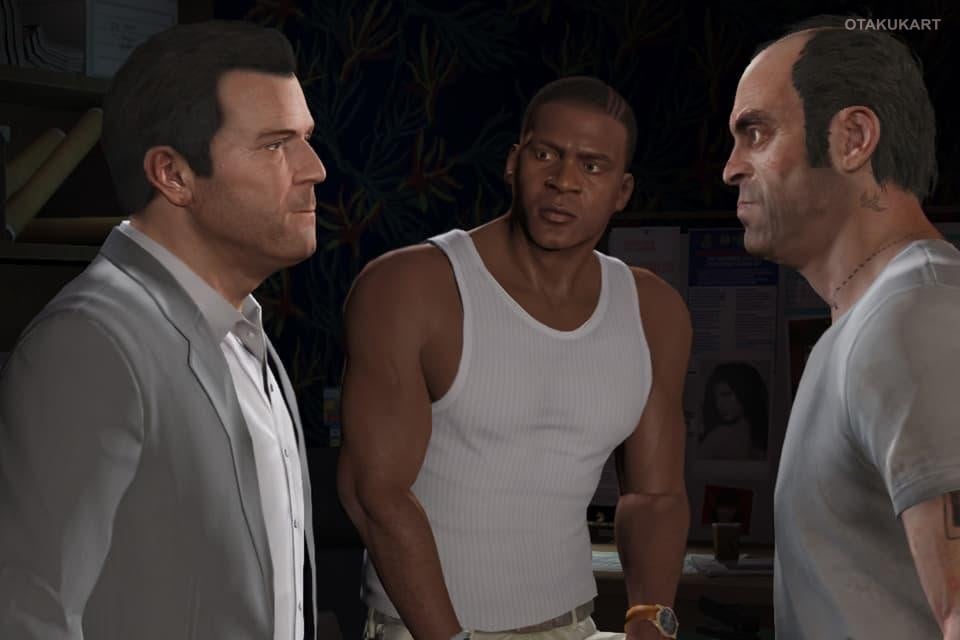
Rockstar Games’ approach to developing Grand Theft Auto titles involves more than creating ambitious open worlds and filling them with activities. According to Aaron Garbut, the art director of Grand Theft Auto 5 and a key figure at the studio, one of the most important lessons Rockstar learned was to avoid becoming too attached to previously established plans.
Garbut explained that Rockstar prioritizes what benefits the game rather than blindly following ideas that have already been approved. His comments, originally shared in a 2013 interview with Edge magazine, offer an interesting look at the development philosophy behind GTA 5 and how the studio approaches complicated game projects.
The discussion has also attracted attention as Rockstar continues working on Grand Theft Auto 6, although Garbut’s comments specifically describe the lessons learned during the development of GTA 5 rather than confirming how the upcoming game is being made.
GTA 5 Art Director Explains Why Rockstar Abandons Previous Ideas
When asked about the most valuable lessons Rockstar learned from developing earlier Grand Theft Auto games, Garbut emphasized the importance of remaining flexible.
He explained that developers should avoid becoming attached to a particular process, plan, objective, asset, or creative idea simply because it was part of the original vision.
“To keep completely open-minded, adapt to the situation and always look for a better way forward, rather than stick with what’s been decided previously,”
Garbut said.
He further clarified that this does not mean changing things without a reason. Instead, developers should allow the needs of the game to determine which ideas deserve to remain and which require adjustments.
“Let what’s best for the game dictate the way forward,”
he explained.
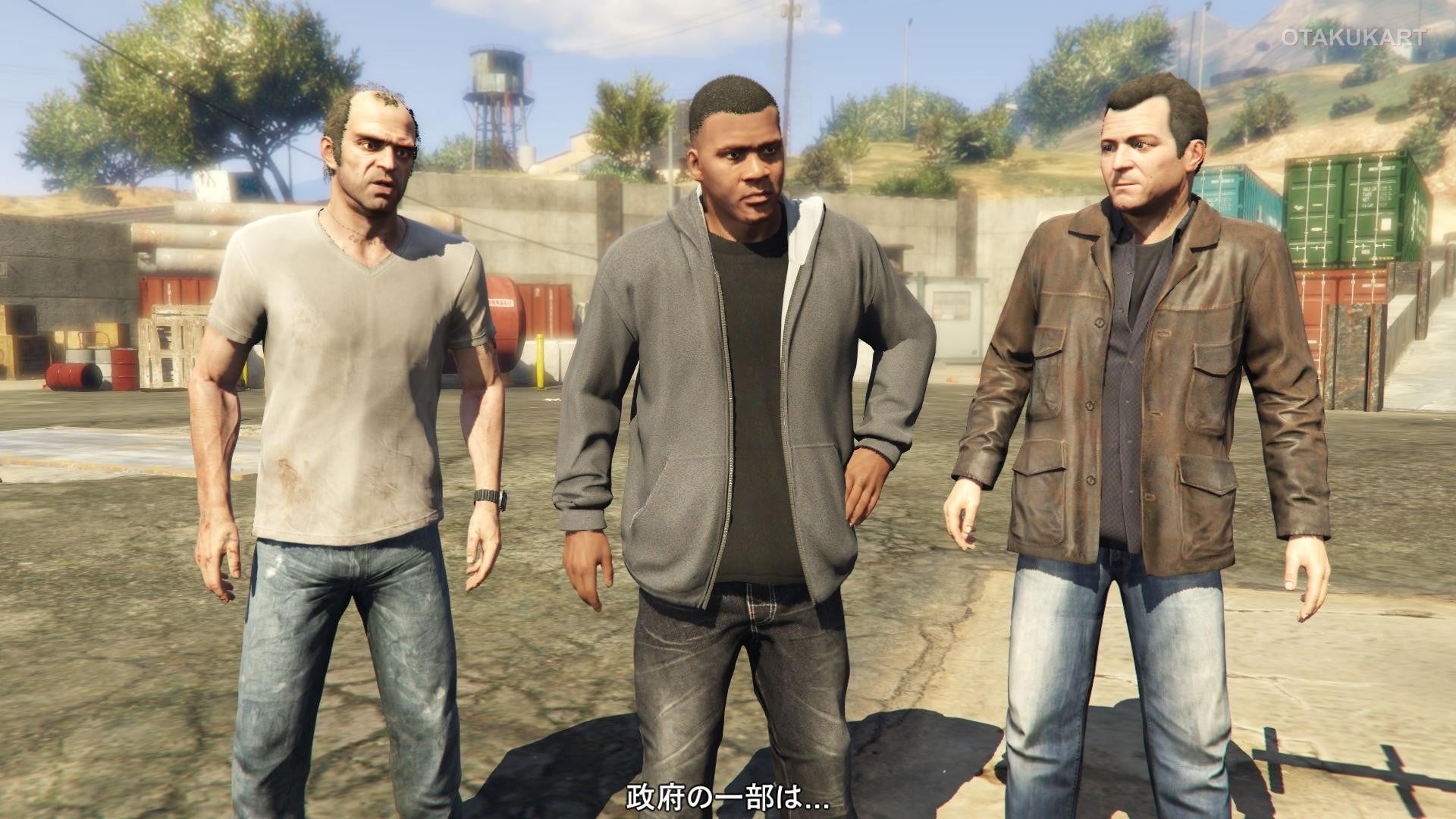
This philosophy is particularly relevant to a project as large as GTA 5, where individual gameplay systems, missions, characters, and environmental details must work together. An idea that initially seems promising might eventually conflict with another feature, making adjustments necessary.
Rockstar Built GTA 5 by Connecting Its World, Missions, and Story
Garbutt also explained how Rockstar approached the structure of GTA 5 during development. Rather than treating the open world, missions, and narrative as completely separate elements, the studio used a layered process in which each component influenced the others.
The team initially focused on creating the game world before building missions, story elements, and the wider structure around it. However, this did not mean the environment remained unchanged once the other systems were introduced.
Garbutt explained that these elements influenced one another significantly, requiring developers to continually adjust their work. He said Rockstar was constantly playing and refining the game to ensure its different components worked together effectively.
This approach was particularly important for GTA 5 because Los Santos and its surrounding areas needed to support a wide variety of activities. The environment had to accommodate the main storyline, side missions, exploration, and the freedom players expected from an open-world Grand Theft Auto game.
Changing Development Plans Does Not Always Mean Removing Content
Another interesting detail from Garbutt’s comments was that abandoning an original idea did not necessarily mean throwing away the work associated with it.
He explained that Rockstar was rarely discarding content outright. Instead, the studio often adapted existing work to fit changing requirements, allowing developers to preserve useful elements while improving how they functioned within the game.
Garbutt also acknowledged that Rockstar’s experienced art team was familiar with the challenges of building open worlds. However, new problems continued to emerge, making flexibility an important part of the development process.
Although the discussion focused on GTA 5, Garbutt’s philosophy offers an interesting look at the creative decisions involved in developing large-scale Rockstar games. It also provides context for understanding why the studio values experimentation and refinement rather than treating its initial plans as permanent.
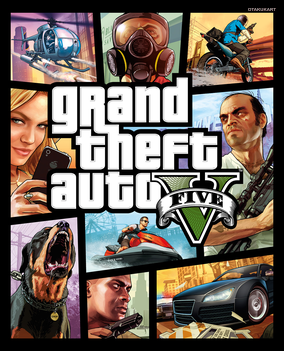
| Release Date | September 17, 2013 |
|---|---|
| Platforms | PlayStation 3, Xbox 360, PlayStation 4, Xbox One, PC, PlayStation 5, Xbox Series X|S |
| Developer | Rockstar Games |
| Director | Leslie Benzies, Rupert Humphries |
| Writer / Narrative | Dan Houser, Rupert Humphries, Michael Unsworth |