The growing use of generative AI has created new concerns for video game developers, particularly the possibility of competitors using AI tools to produce clones of successful games. However, tinyBuild CEO Alex Nichiporchik believes studios should focus less on worrying about imitation and more on making their games difficult to replicate through their gameplay experience.
Speaking to GamesIndustry.biz, Nichiporchik argued that AI cannot reproduce the game feel that makes a title enjoyable to play. He believes developers who build satisfying gameplay loops and encourage players to spend more time in their games will have a stronger position against potential copycats.
His comments come as AI-generated content becomes increasingly accessible, making it easier to imitate a game’s visual presentation, characters, and general concept. However, Nichiporchik believes reproducing those elements is different from recreating the actual experience of playing a game.
tinyBuild CEO Believes Strong Gameplay Is the Best Defense Against AI Clones
Nichiporchik’s argument centers on a concept known as game feel, which describes how responsive, satisfying, and natural a game feels during moment-to-moment interactions. It includes elements such as movement, controls, combat feedback, animations, and the rhythm of gameplay.
He explained that even developers with access to extensive references and professional outsourcing teams can struggle to reproduce another game’s experience.
“Devs should just think about ‘How do you make [your game] more difficult to copy?’ Because game feel is impossible to copy,”
Nichiporchik told GamesIndustry.biz.
He further emphasized that studios should prioritize enjoyable gameplay loops rather than worrying excessively about competitors borrowing their ideas.
“As long as you have great game feel and a great game loop, I think you’re going to be OK,”
he added.
Nichiporchik also believes player engagement is an important indicator of commercial success. According to him, the more time players spend enjoying a game, the greater its potential to generate sales.
Probably Stolen’s Million Sales Highlight tinyBuild’s Shorter Launch Strategy
The tinyBuild CEO also discussed the importance of reducing the time between announcing a game and releasing it. He expects this to become a major industry discussion as AI tools make it easier for competitors to develop imitation projects.
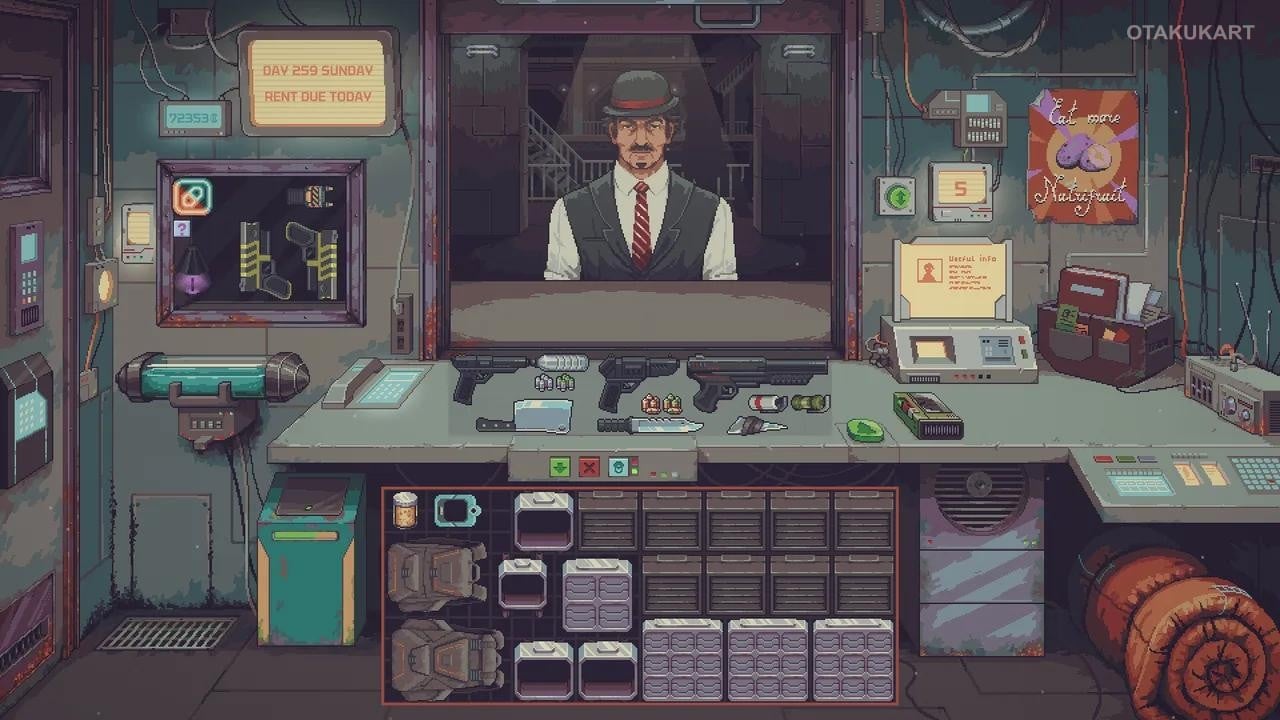
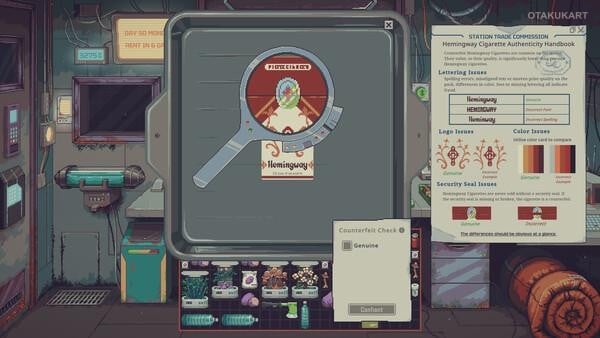
Probably Stolen, developed by Questing Goose Studio and published by tinyBuild, provides an example of this approach. The cyberpunk shopkeeping simulator was announced on August 3, 2026, before launching on October 28.
Nichiporchik revealed that the game had already surpassed one million units sold following its release. Its rapid commercial success demonstrates that a shorter announcement-to-launch window does not necessarily prevent a game from attracting substantial attention.
The game’s performance also followed strong early interest during Steam Next Fest. According to its official Steam announcements, the developers celebrated reaching 500,000 units sold just two days after launch.
While shortening development marketing campaigns cannot guarantee protection against AI-generated competitors, Nichiporchik believes combining faster releases with distinctive gameplay gives developers a stronger position.