
The video game industry has experienced repeated waves of layoffs, but Nintendo’s approach to retaining experienced developers offers a different perspective on building successful development teams. According to longtime The Legend of Zelda producer Eiji Aonuma, keeping employees for extended periods provides significant creative and practical advantages, particularly when studios work on established franchises.
In an interview with GameSpot, Aonuma discussed why Nintendo benefits from retaining veteran developers rather than frequently rebuilding its teams. He explained that employees who have worked together across multiple projects develop a shared understanding that makes collaboration and experimentation easier.
“I think you see a real benefit to having some very long-term-tenured staff members around who have shared the same experiences over time,”
Aonuma explained.
His comments highlight how Nintendo’s approach to team management could contribute to the consistency and creative identity associated with franchises such as The Legend of Zelda.
Why Nintendo Values Experienced Developers
Aonuma believes experienced employees provide more than institutional knowledge. Their familiarity with previous projects allows teams to make decisions faster, understand established creative principles, and approach unfamiliar challenges without having to rebuild their working relationships.
However, he also acknowledged that retaining veteran developers does not automatically make onboarding new employees easier. Newcomers need to understand the reasoning behind Nintendo’s development practices rather than simply copying established methods.
“When you have new staff coming in, of course you want to make sure that you’re bringing everyone up with a lot of discussion,”
he explained.
Aonuma described this approach as a matter of balance. Nintendo needs experienced developers who can pass on their knowledge while giving younger employees enough room to develop their own ideas.
He also highlighted how the Zelda development team evolves between projects without losing its established foundation.
“You do see the Zelda team change over time, but there is a continuity of core staff, certainly at least from one project to the next, so that we have that base that we can build from and bring up new staff within it,”
Aonuma said.
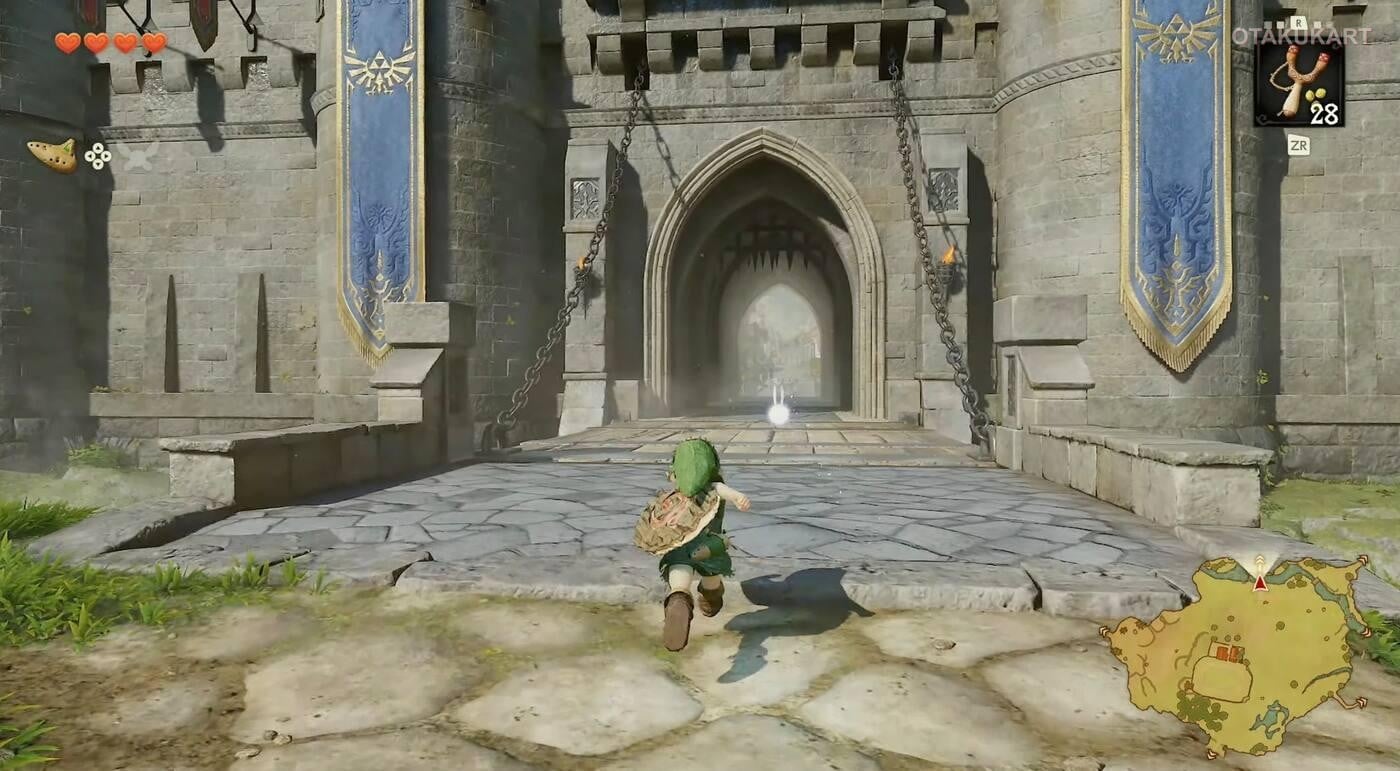
Ocarina of Time Remake Demonstrates Nintendo’s Development Philosophy
Nintendo’s approach to combining experienced developers with younger talent is particularly relevant to the The Legend of Zelda: Ocarina of Time remake.
In Nintendo’s official Ask the Developer interview, published on November 2, 2026, Aonuma explained that one motivation behind revisiting the Nintendo 64 classic was to help younger developers understand its importance to the franchise.
He wanted the remake to give the current development team an opportunity to study the original game’s structure and discover ideas that could influence future Zelda projects.
Aonuma also allowed younger developers to make their own creative decisions instead of forcing them to reproduce his interpretation of the original. He explained that he wanted them to make the game their own while learning from the experiences of earlier generations.
This approach has helped introduce changes while preserving the original adventure’s identity. The remake features updated visuals, modernised controls, additional gameplay elements, and adjustments to familiar locations.
According to Nintendo’s official interview, the project could also provide valuable insights for future entries in the franchise.
The remake therefore illustrates the advantage Aonuma described in his GameSpot interview. Experienced developers provide a foundation, while younger creators bring different perspectives that help established franchises evolve without losing their identity.

| Release Date | November 21, 1998 |
|---|---|
| Platforms | Nintendo 64, Nintendo GameCube, iQue Player, Nintendo 3DS +1 more |
| Developer | Nintendo EAD |
| Director | Eiji Aonuma Yoshiaki Koizumi |
| Writer / Narrative | Nintendo EAD Toru Osawa |