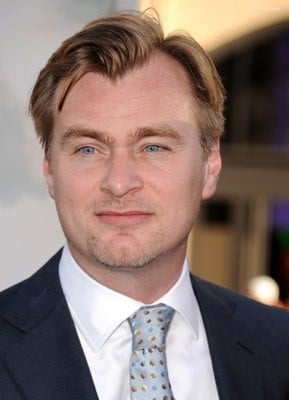
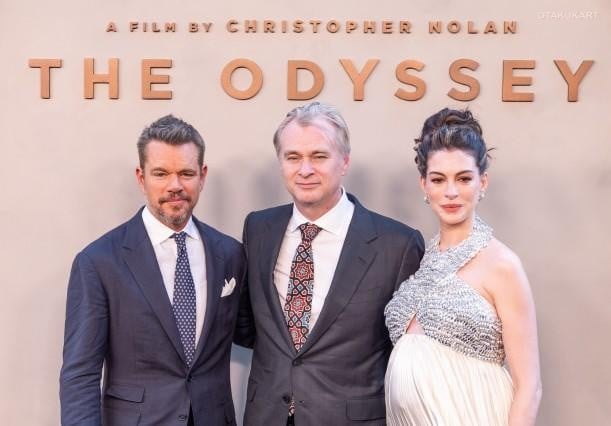
Christopher Nolan has pushed back against a common approach to online film criticism, arguing that recognizing the techniques behind a movie does not necessarily diminish their effectiveness.
While promoting The Odyssey, the acclaimed filmmaker discussed what he considers a weakness in amateur criticism and explained why audiences should distinguish between identifying a storytelling device and judging its value.
Nolan Defends the Storytelling Language Behind Movies
Speaking with podcaster Zhong Shu during The Odyssey’s press tour, Nolan addressed criticism that films sometimes manipulate audiences into sympathizing with particular characters. The director argued that recognizing how such emotional techniques work does not automatically make them ineffective.
“The criticism that’s often leveled at movies in general is, ‘Oh, the character has to be made sympathetic, so the character is manipulated in different ways or changed in different ways,’”
Nolan said.
He described this as
“a fundamental flaw of film criticism,”
adding,
“To be able to identify the mechanism does not invalidate the mechanism.”
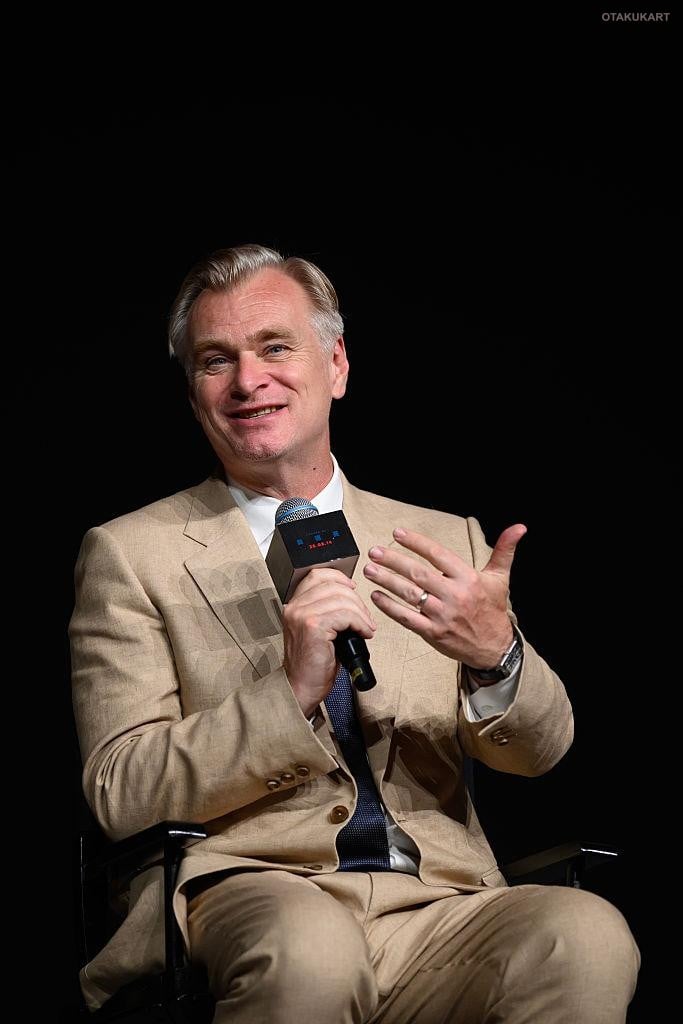
Nolan clarified that he was specifically discussing amateur criticism, where recognizing a familiar trope can sometimes be treated as evidence that the filmmaking itself is flawed. He acknowledged that storytelling conventions can become overused, but argued that filmmakers naturally build upon a shared cinematic language that audiences already understand.
His comments arrive amid extensive online debate surrounding The Odyssey, which has become a major theatrical success while also attracting criticism over its adaptation and storytelling choices. The film’s reception has demonstrated how differently professional critics, scholars and general audiences can interpret the same filmmaking decisions.