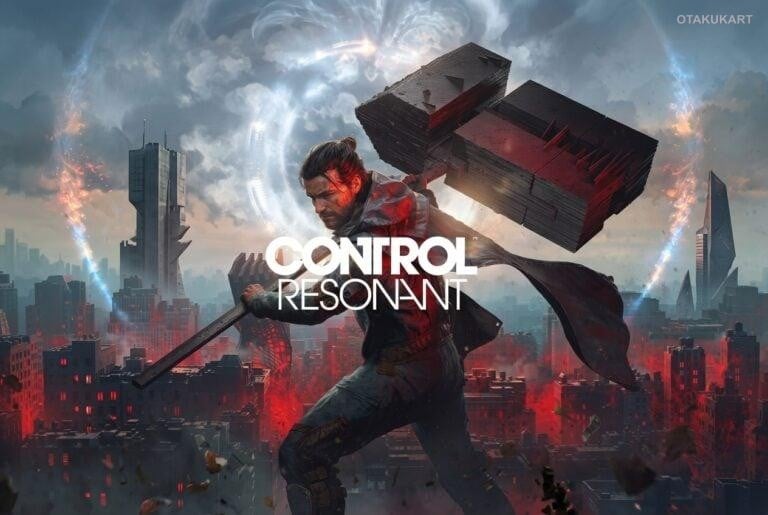
Control Resonant’s strange blend of paranormal horror, cinematic presentation and distorted urban environments was influenced by several major Japanese creators, according to art director Elmeri Raitanen.
Speaking to Famitsu interview, Raitanen revealed that the works of filmmaker Akira Kurosawa and creators Satoshi Kon, Tsutomu Nihei and Junji Ito were important sources of inspiration during development.
“I’ve been greatly influenced by Japanese pop culture. I’ve drawn a lot of inspiration from the works of people like Akira Kurosawa, Satoshi Kon, Tsutomu Nihei, and Junji Ito,”
Raitanen said.
He added that he would be happy if his own work could eventually give Japanese artists “some kind of inspiration or emotion,” creating an interesting connection between the Japanese creators who influenced him and the work Remedy is now producing.
The influence is particularly fitting for a game that frequently blurs the boundaries between reality and the supernatural.
From Kurosawa’s Cinema to Japanese Manga Horror
Kurosawa’s influence connects with Control Resonant’s cinematic approach, while Satoshi Kon’s work offers an obvious parallel to Remedy’s interest in unstable reality and psychological disorientation.
Kon, known for films including Perfect Blue, frequently explored the uncertain boundary between reality, perception and illusion. Those themes complement Control Resonant’s paranormal setting, where Manhattan itself has been transformed by forces that distort reality.
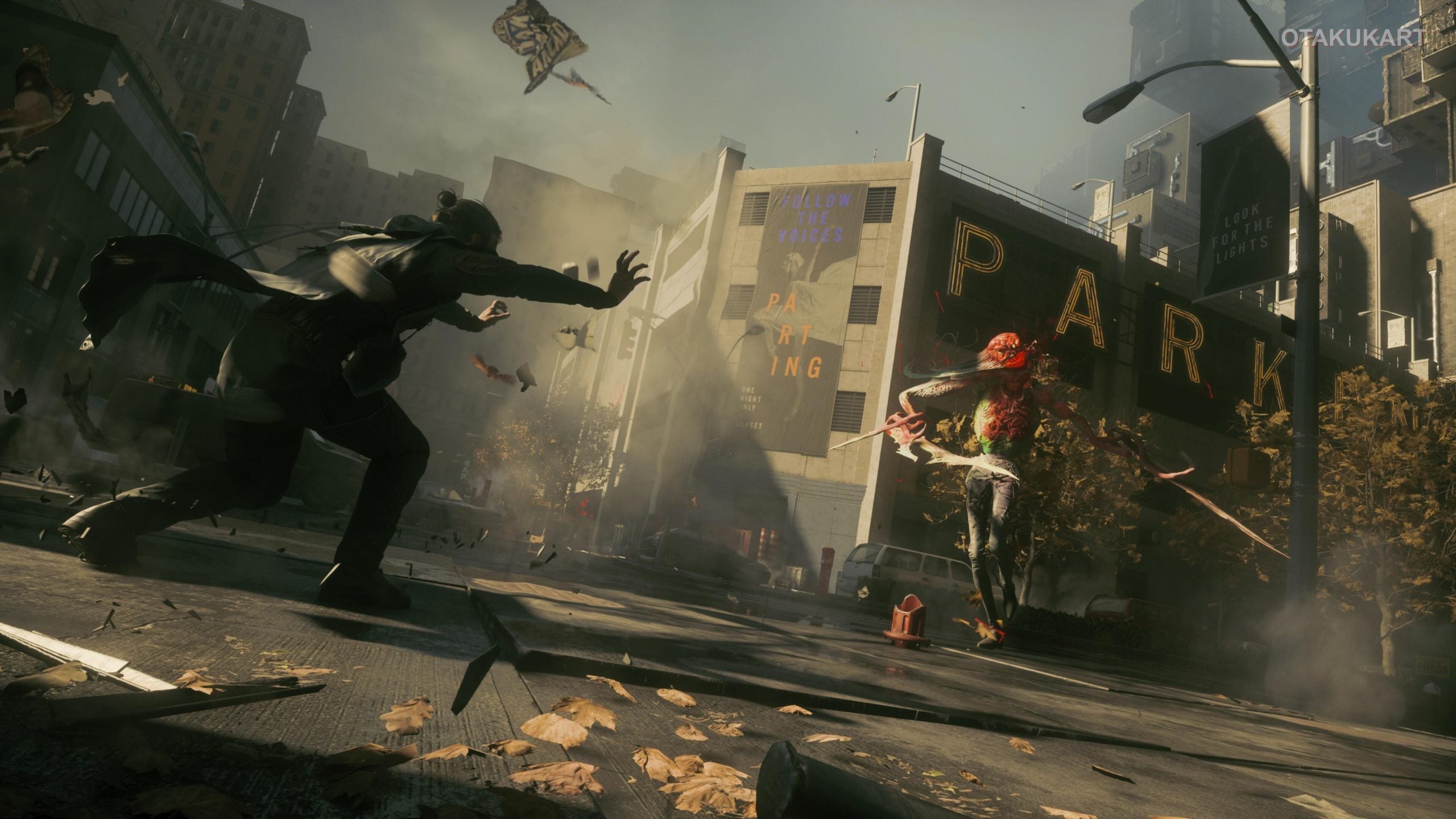
Raitanen also pointed to Tsutomu Nihei, whose manga BLAME! is known for its enormous architectural environments and oppressive science-fiction atmosphere. Junji Ito, meanwhile, is renowned for his distinctive approach to horror, including the surreal body transformations and unsettling imagery found throughout works such as Uzumaki.
These influences help explain why Control Resonant places such emphasis on transforming familiar urban spaces into something threatening and unfamiliar.
Remedy Wanted Manhattan to Remain Recognizable
Control Resonant moves beyond the original game’s Oldest House setting and places Dylan Faden in a warped version of Manhattan. Remedy has described the sequel as an action-adventure RPG set in a city facing a paranatural crisis.
Raitanen explained to Famitsu that the team wanted each part of Manhattan to have its own visual identity while ensuring players could still recognize the real-world city beneath its supernatural transformation. The team also preserved the atmosphere and world-building established by the original Control.
Communications director Thomas Puha revealed another major Japanese influence during the interview, citing Neon Genesis Evangelion as a major inspiration.
The sequel also significantly changes the gameplay direction. Dylan relies on melee combat rather than the Service Weapon used by Jesse in the original game, allowing Remedy to create faster and more aggressive encounters. Famitsu reported that Raitanen specifically emphasized visual hierarchy as an important consideration while adapting the game’s visuals around the new combat system.
Control Resonant launched worldwide on September 24, 2026, for PS5, Xbox Series X|S and PC. Remedy describes it as a sequel to the award-winning Control, with Dylan exploring a warped Manhattan while confronting a reality-bending cosmic threat.