A surprising behind-the-scenes story from Nintendo’s Zelda history has revealed how far Capcom producer Yoshiki Okamoto was willing to go to create a Game Boy Color Zelda project. Before the release of The Legend of Zelda: Oracle of Seasons and The Legend of Zelda: Oracle of Ages, Okamoto reportedly pushed Nintendo to approve his plans for a Zelda remake and even threatened to make a similar game with original characters if the company refused.
The revelation comes from a translated 1999 interview with Okamoto published in German gaming magazine Total and recently translated by Did You Know Gaming. The comments highlight the unusual creative negotiations between Capcom and Nintendo during the late 1990s, when both companies worked together to expand the Zelda franchise on handheld consoles.
How Capcom’s Zelda Ambitions Led to the Oracle Games
Yoshiki Okamoto, known for producing major Capcom titles such as Street Fighter II and Final Fight, wanted his Flagship development team to work on a Zelda project for the Game Boy Color. His original vision involved remaking the first The Legend of Zelda game before creating a trilogy of new titles based on that experience.
However, Nintendo was reportedly not interested in simply porting the original Zelda game to the handheld system. According to Okamoto’s translated interview, he was determined to move forward with the idea despite Nintendo’s hesitation.
“I especially like Zelda [1]. But Nintendo wouldn’t port it to Game Boy Color,”
Okamoto said in the Total interview.
“So I told Mr. Miyamoto I’d produce it myself… but we couldn’t come to an agreement.”
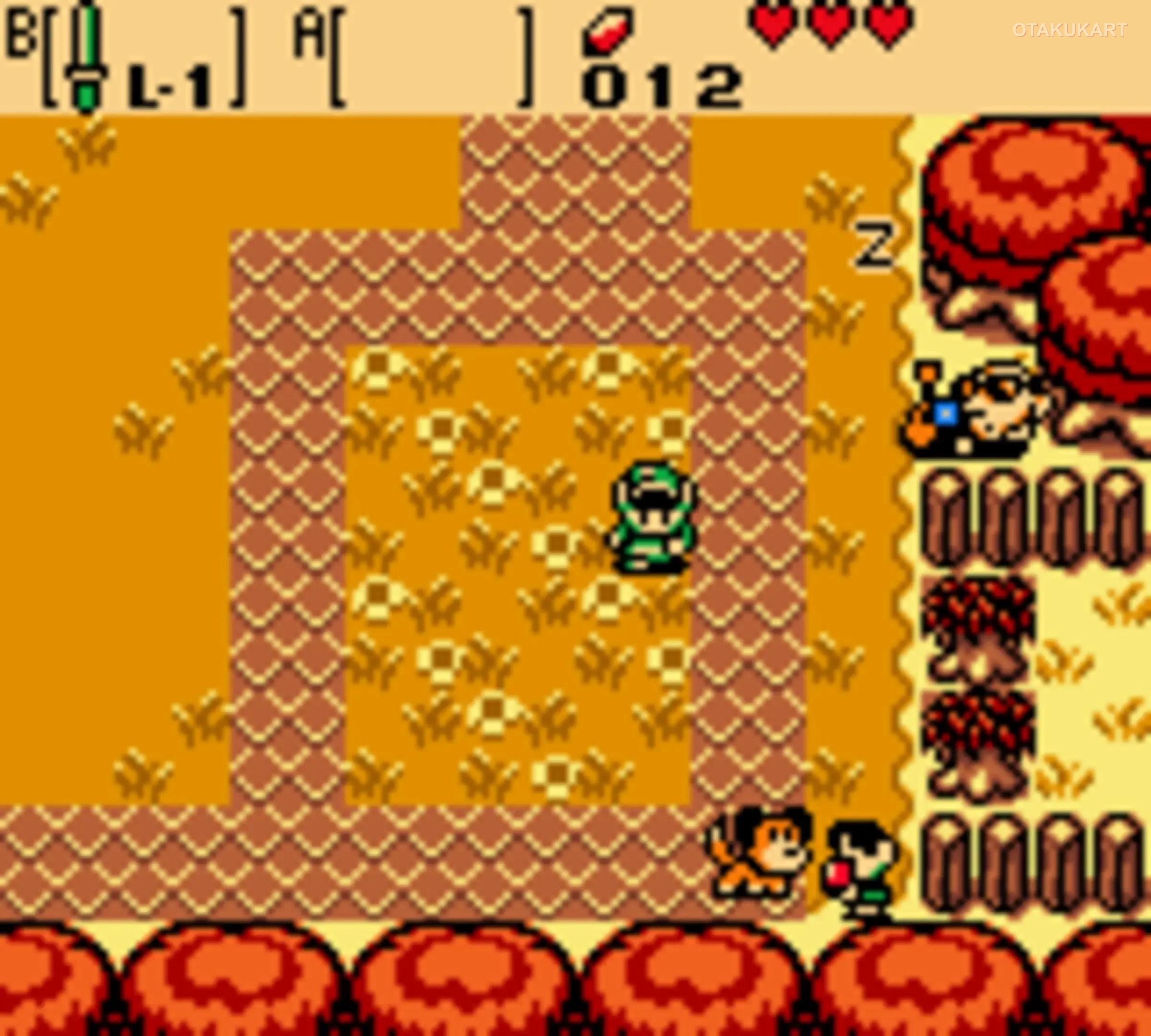
Okamoto then revealed the extreme approach he took during negotiations with Nintendo’s legendary creator Shigeru Miyamoto.
“In the end, I threatened him. I said if Nintendo’s not up for it, we’ll release an identical game with different characters and just call it something else,”
he explained.
While Capcom never followed through with that plan, the aggressive negotiation helped push discussions forward. The original remake idea was eventually abandoned due to development challenges, and the planned trilogy was reduced to two games.
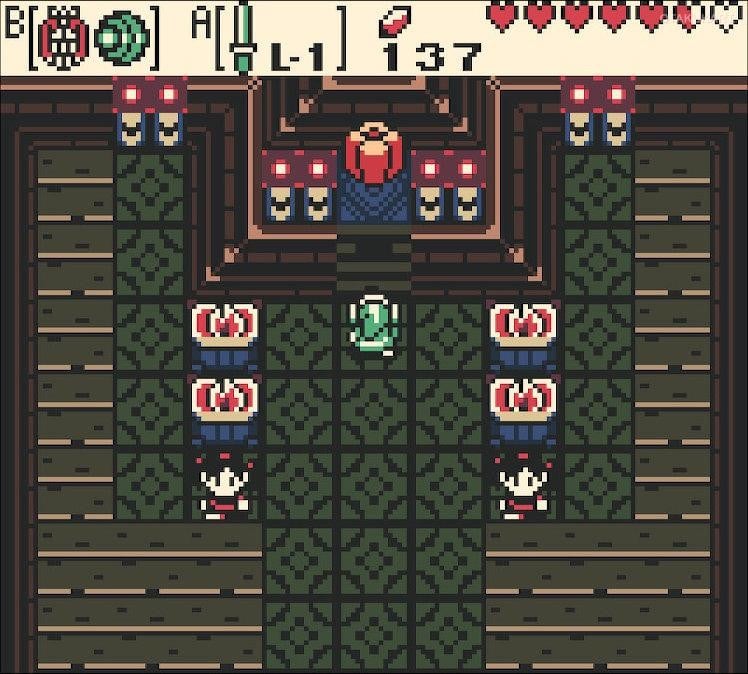
The result was The Legend of Zelda: Oracle of Seasons and The Legend of Zelda: Oracle of Ages, two highly praised Game Boy Color titles released in 2001. Both games introduced unique mechanics, including the ability to influence seasons and travel between different timelines.
Capcom and Nintendo’s partnership continued afterward with The Legend of Zelda: The Minish Cap, proving that the unusual collaboration became a successful chapter in Zelda’s history. Okamoto’s bold statement may never have become reality, but it played a role in bringing some of the franchise’s most beloved handheld adventures to fans.