A California bill that sought to protect consumers from losing access to paid video games after their online services shut down has failed to advance in the State Senate. The proposed Protect Our Games Act, introduced by California Assemblyman Chris Ward, would have required publishers to preserve access to purchased games or provide refunds when online support ends.
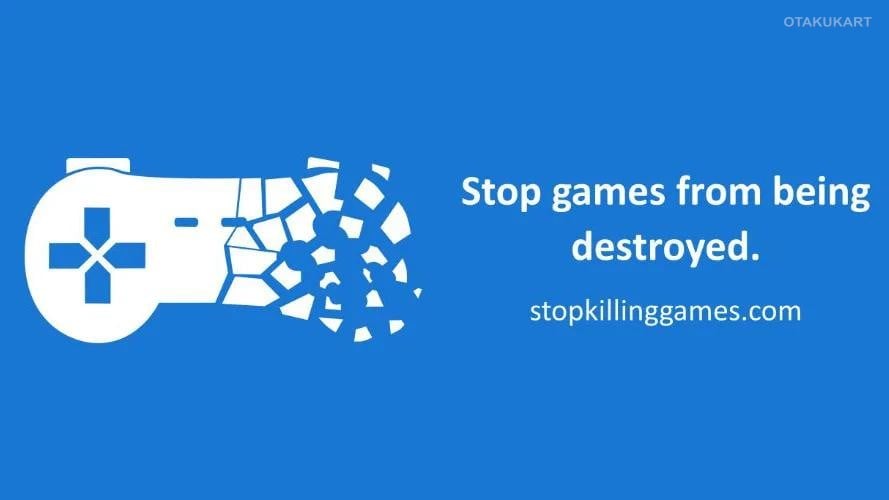
The legislation had previously cleared the California State Assembly with a 43-16 vote before moving to the Senate. However, during the committee vote, the measure failed to receive enough support to advance. According to supporters of the Stop Killing Games campaign, only four Democrats voted in favor, three Republicans voted against it, while the remaining members abstained.
Why the bill failed to advance
Following the vote, volunteers from the Stop Killing Games movement emphasized that abstentions effectively counted against the bill.
A campaign representative explained:
“Those abstentions matter. In a committee vote, an abstention is not neutral. It has the same practical effect as a no, because a bill only advances if it gets a majority of yes votes.”
The campaign also highlighted the challenges it faced during the legislative process, noting that it entered its first U.S. effort without dedicated funding or a lobbying operation.
“This was our first attempt, in our first year, in the United States, with a US budget of zero dollars.”
Supporters further alleged that the Entertainment Software Association lobbied against the proposal using arguments they described as misleading.
What the Protect Our Games Act proposed
The bill was designed to address situations where paid games become completely unusable after online servers are shut down, as happened with titles such as The Crew and Babylon’s Fall.
If enacted, publishers would have been required to provide at least 60 days’ notice before permanently ending online support. They would also have needed to explain which features would stop functioning, outline any security concerns, and tell customers how they could continue using the game or obtain a refund.
In many cases, developers would have been required to release an offline version, patch the existing game to function without servers, or refund customers in full.
Supporters have pointed to MultiVersus as an example of a consumer-friendly shutdown. Before its servers closed, the game received an update that allowed players who had logged in before the shutdown to continue playing offline with their earned and purchased content intact.
Campaign plans to return
Despite the setback, the Stop Killing Games campaign says it has no plans to abandon the effort.
“We are not stopping,”
campaign organizers stated.
“Next session, we come back with an in-person lobbying presence, the funding to do this properly.”
The group also confirmed it intends to pursue similar legislation in other U.S. states while exploring the possibility of introducing comparable measures at the federal level.
Whether future proposals gain enough political support remains uncertain, but the debate over digital game ownership and preservation is likely to continue as more live-service titles eventually reach the end of their online lifespan.