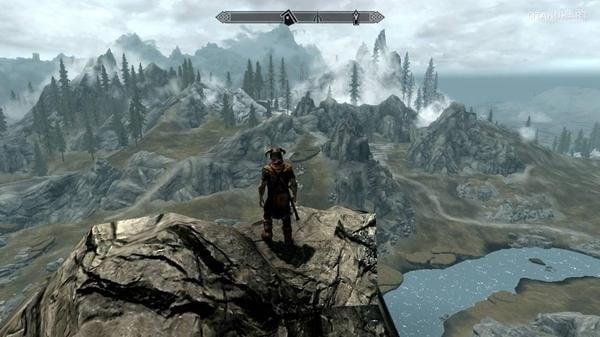
The Elder Scrolls V: Skyrim has remained one of Bethesda Game Studios’ most enduring games since its release in 2011. Fifteen years later, the RPG continues to attract players across multiple platforms, but one of its most important design achievements was apparent almost immediately after launch.
In an interview with Insider Gaming, former Bethesda Game Studios developer and Skyrim lead designer Bruce Nesmith discussed how players actually approached the game’s opening. According to Nesmith, a surprisingly large portion of players ignored the expected route after escaping the opening dungeon and simply ventured into the wilderness.
30% of Players Ignored Skyrim’s Intended Route
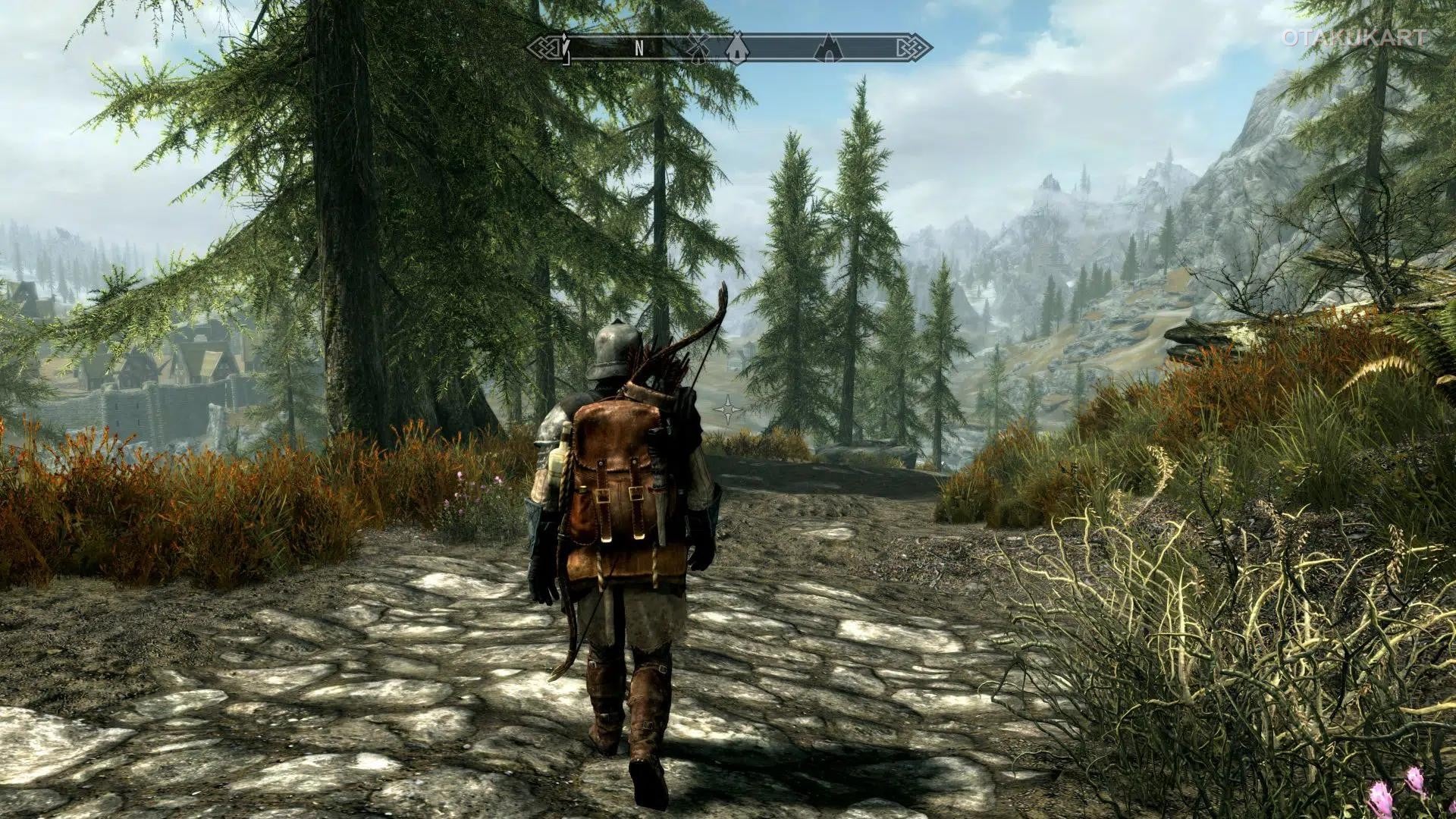
After escaping Helgen, Skyrim naturally directs players toward Riverwood as they begin learning about the game’s world and progressing through its main story. However, Bethesda’s data showed that many players immediately decided to do something else.
“We even did some study into how many people came out of that initial dungeon in Skyrim and instead of going on to Riverwood, they just turned off into the wilderness to do their own thing,”
Nesmith told Insider Gaming.
The number surprised the development team.
“It was quite staggering, really. Like 30% of players,”
Nesmith said.
That statistic demonstrates just how strongly Skyrim encouraged exploration. Rather than assuming players would follow the main quest, Bethesda had to make sure the game could support people who immediately abandoned the expected path.
Skyrim Was Designed Around Player Freedom
Nesmith explained that giving players genuine freedom was one of the central goals of Skyrim. The challenge was not simply creating a huge map, but ensuring that the world and its quests could continue functioning when players approached them in unexpected ways.
“Freedom was key and we had to work for that,”
Nesmith explained.
According to the former lead designer, quests needed to account for numerous possible player actions. A player might complete a task before encountering another character, discover an area earlier than expected, or simply ignore a major objective for hours.
That meant Bethesda had to consider different combinations of events and make sure the game’s systems could accommodate them.
Nesmith said the development team worked “as much as was humanly possible” to build that flexibility into Skyrim.
The 30% figure highlights why Skyrim felt different from more heavily guided RPGs. Players were not merely given a large map after completing a linear opening. They could immediately decide that the main story was not their priority and begin exploring mountains, ruins, caves, settlements, and other locations.
That philosophy became one of the defining characteristics of The Elder Scrolls V: Skyrim. Bethesda’s willingness to accommodate players who ignored its intended route helped create an RPG where exploration could become the primary experience rather than simply a distraction from the main campaign.
More than a decade after release, that freedom remains one of the reasons Skyrim continues to attract players.
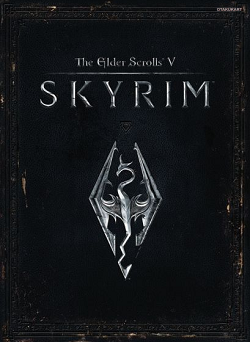
| Release Date | November 11, 2011 |
|---|---|
| Platforms | PlayStation 3, Xbox 360, PC, PlayStation 4, Xbox One, Nintendo Switch, PlayStation 5, Xbox Series X|S |
| Developer | Bethesda Game Studios |
| Director | Todd Howard |
| Writer / Narrative | Emil Pagliarulo, Brian Chapin, Kurt Kuhlmann |