Attack on Titan became one of the defining anime of its generation, but producing its early seasons was far from straightforward. In a recent interview with Anime News Network, director Tetsuro Araki and animation producer Tetsuya Nakatake reflected on their work on the series, revealing that Season 2 achieved a more stable production environment while also costing the team more than expected.
Nakatake was particularly blunt when discussing the season’s finances. After explaining that the production structure had been reorganized following the first season, he admitted,
“We spent too much money, though. We knew we were going to get in trouble for that later.”
His comments came while discussing how WIT Studio responded to the enormous success of Season 1. Rather than simply continuing with the same workflow, the team recognized that changes were necessary to make the production more manageable.
Nakatake explained that George Wada played a major role in negotiating a reset of the broadcast schedule, while the staff and production structure were reorganized. Those changes helped make Season 2 considerably more stable.
Araki similarly looked back on the second season positively, calling it the period in which the team was able to maintain a particularly high level of quality while keeping the production stable.
Season 1’s Success Forced WIT Studio to Change Course
The production problems were not limited to financial concerns. Araki and Nakatake described the first season as an extremely demanding project, with the director’s detailed storyboards often arriving close to broadcast deadlines.
Nakatake said there were “a lot” of moments when the staff wondered whether completing the anime was possible. Araki acknowledged that he takes considerable time with storyboards because he wants every episode to reach a standard he considers satisfactory.
“When those storyboards come out too close to the broadcast date,”
Araki explained,
“it became a battle where Mr. Nakatake really had to work hard or we weren’t going to make it to air.”
The demanding schedule could have serious consequences. Nakatake recalled that assistant director Hiroyuki Tanaka was taken away in an ambulance after becoming exhausted while working on Episode 24.
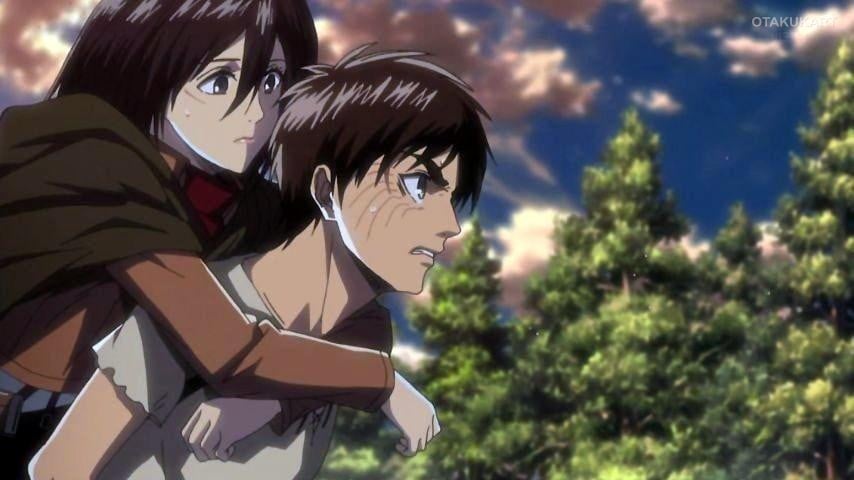
The experience ultimately forced the team to reconsider how Attack on Titan was being produced. Araki said that after the series ended, the staff did not simply treat its success as proof that everything had worked. Instead, there was a strong feeling that the production process needed to be examined and that some of what happened
“must never happen again.”
The Cost Helped Preserve Attack on Titan’s Ambitious Animation
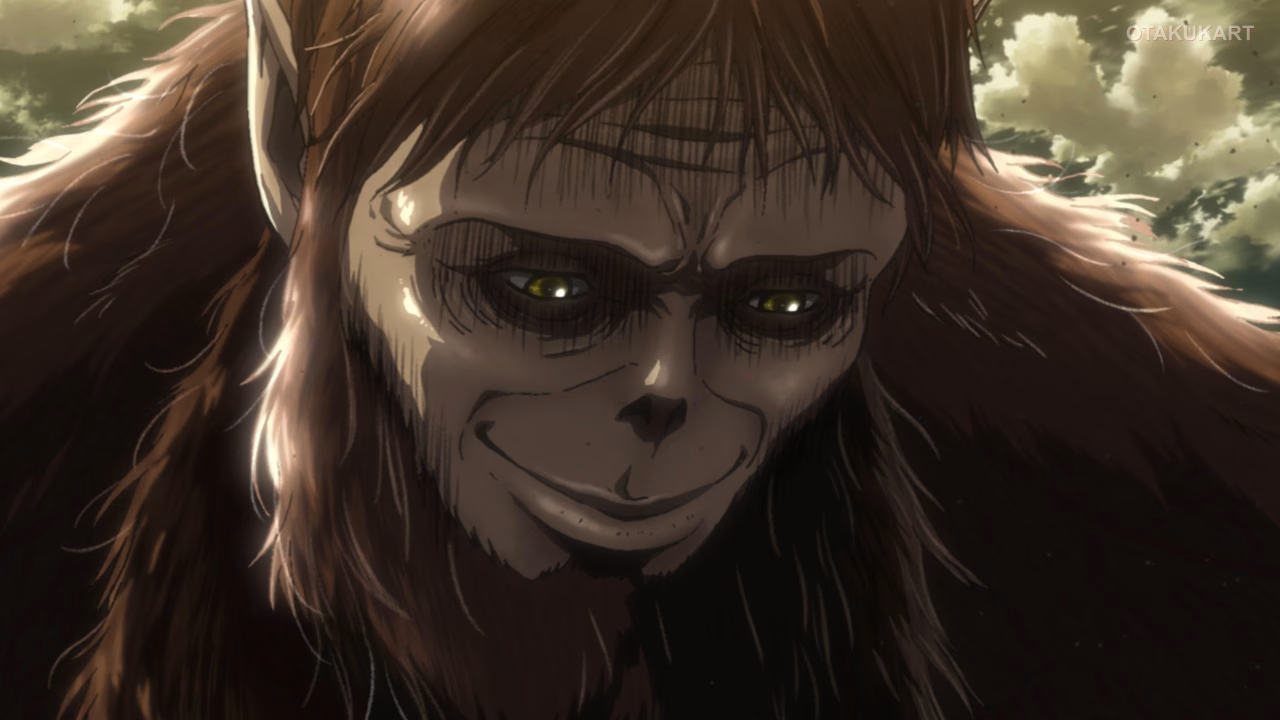
The enormous visual ambition of Attack on Titan was a major reason the series stood out when it premiered. Araki wanted the action and drama to reinforce each other, particularly during the show’s elaborate ODM gear sequences and battles against the Titans.
He described action and drama as
“two wheels working together,”
arguing that visually intense sequences could make the emotional elements of the story hit harder.
The director also credited the animation staff’s willingness to experiment. Artists such as 3D director Shūhei Yabuta and animator Arifumi Imai contributed spontaneous ideas that were incorporated into the final production.
Araki now believes the series helped raise expectations for what television anime could achieve. He said that in 2013, Attack on Titan “definitely raised the upper limit of the quality that could be achieved in a television series,” while acknowledging that the industry has continued pushing those boundaries.
Despite the financial and scheduling pressures, Araki and Nakatake now view the series as something extraordinary. Araki ultimately described Attack on Titan as a “miraculous work,” stressing that its completed legacy was made possible by both WIT Studio and the later work of MAPPA.