

Embark Studios, the publisher behind ARC Raiders, has revealed the scale of its data-driven approach to modern game development, highlighting how tracking every single bullet fired is helping shape gameplay, balance, and player experience.
The insights were shared during a technical session at the 2026 Nexon Developers Conference (NDC), offering a rare look into how large-scale live-service games are increasingly powered by real-time analytics.
Tracking Every Bullet: A New Standard in Game Data
Speaking at the event, Embark data engineer Mathias Andersson explained the philosophy behind the studio’s system, stating,
“We track every bullet fired in our games”.
This includes not just shots fired and hits registered, but also detailed player positioning data during matches.
The scale of this tracking is enormous. According to Andersson, the system captures over 1,000 different types of in-game events, with ARC Raiders alone generating more than 100 billion events per day. This translates to roughly 30 terabytes of data daily, all processed and stored within seconds.
What makes this system particularly notable is its speed. “Within two seconds after a bullet is fired, you can already see whether it hit or missed,” Andersson noted, emphasizing how quickly data becomes actionable.
The primary purpose behind this massive data collection effort is to improve game integrity and player experience. One of the key uses is cheat detection, where abnormal behavior—such as impossible movement patterns or suspicious accuracy—can be identified through data analysis.
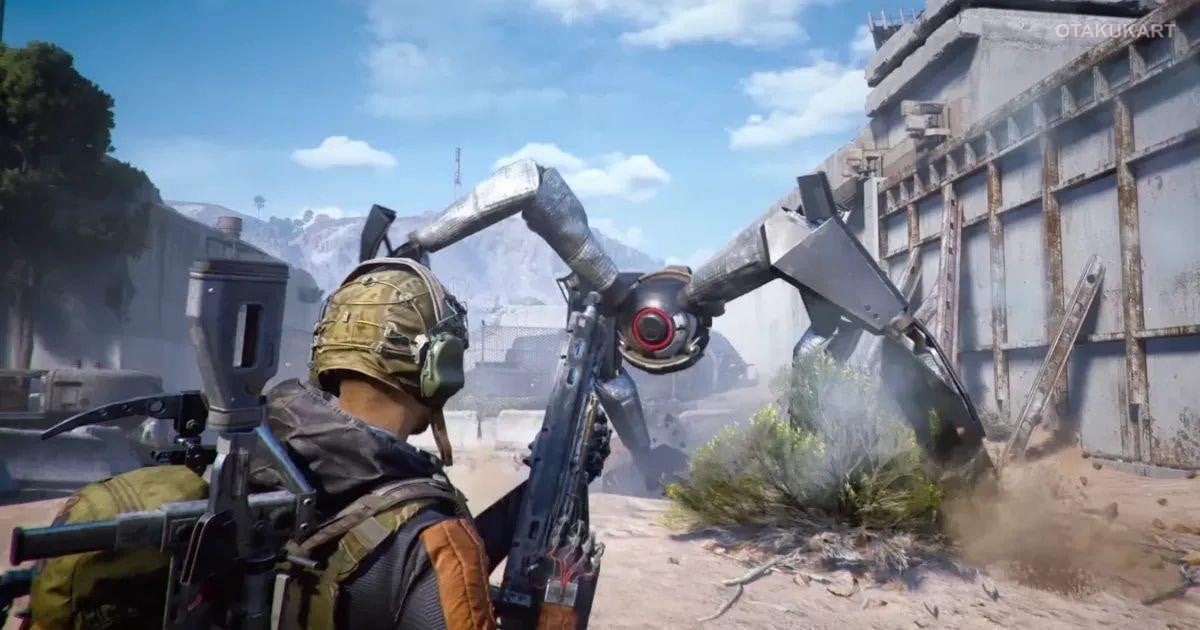
Beyond security, the system also plays a major role in gameplay balancing. By analyzing weapon performance, hit rates, and damage outputs, developers can fine-tune mechanics to ensure fair and engaging combat.
This level of insight is especially valuable in competitive multiplayer environments, where even small imbalances can significantly affect player satisfaction.
Data Shapes Matchmaking and Player Behavior
One of the more interesting applications of Embark’s data platform lies in matchmaking. ARC Raiders uses what players often refer to as “aggression-based” or “karma-based” matchmaking, which factors in player behavior during encounters.
By analyzing who initiates combat and how players engage with others, the system can group users based on similar playstyles. This helps create more balanced and enjoyable matches, particularly in a game where player interaction is central to the experience.
The data also enables visual tools such as heatmaps, which show where players tend to move and fight across multiple matches. These insights can be applied directly within development tools like Unreal Engine, allowing teams to refine map design and gameplay flow.
Empowering Developers Through Data Democratization
Another key concept highlighted during the session was “data democratization.” Instead of limiting access to analytics teams, Embark has built tools that allow developers across different disciplines to interact with data directly.
These include dashboards, map replay systems, and visualization tools that help designers understand player behavior without needing specialized data expertise. The goal is to ensure that data informs decisions at every level of development.
Andersson explained that different team members require different types of data access. While some prefer detailed dashboards, others may want insights integrated directly into the game engine, or even simplified reports delivered via email.
Lessons From Building a Data-Driven Platform
Reflecting on the development process, Andersson shared a key takeaway: studios do not need to rely on every new tool or trend in the industry.
“You don’t need to use every trendy tool,”
he said, encouraging developers to focus on reliable technologies and build custom solutions when necessary. He added that simplifying systems can often lead to better results, particularly in an era where AI-driven tools are becoming increasingly common.
This philosophy extends to how code and systems are structured, with Andersson noting that “code is better than config, and config is better than UI,” emphasizing efficiency and clarity in development workflows.

| Release Date | February 14, 2023 |
|---|---|
| Platforms | Oculus Quest, HTC Vive, Valve Index |
| Developer | Vertigo Games |