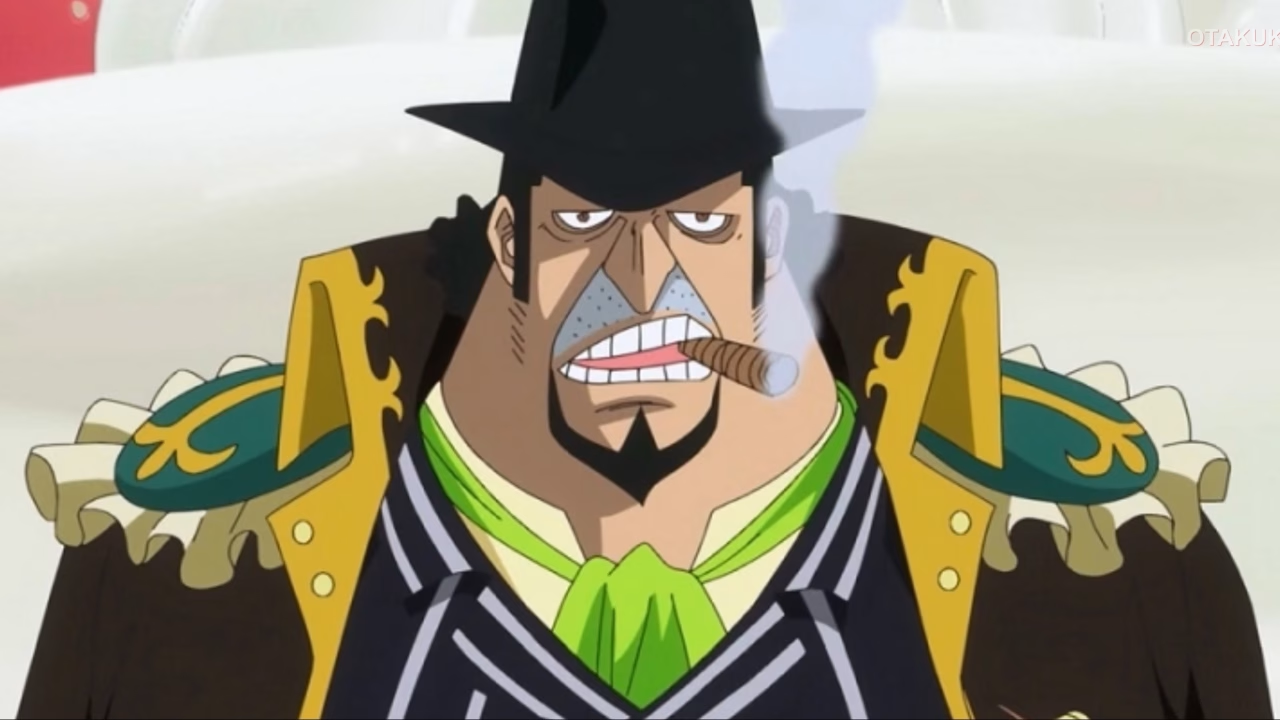
The Big Three anime series, Naruto, One Piece, and Bleach, introduced some of the most recognizable character designs in anime history. From legendary transformations to unforgettable outfits, these franchises helped shape the look of modern shonen anime. However, not every design received the same level of praise.
This list highlights 18 Big Three character designs that divided opinions across the anime community. Some were criticized for awkward redesigns, while others simply failed to leave the same impact as the series’ most iconic characters.
1. Nnoitora Jiruga (Bleach)
Few Bleach villains are as aggressive and intimidating as Nnoitora Jiruga, but his character design has remained surprisingly divisive among fans. As the Fifth Espada, Nnoitora was introduced as a ruthless warrior who believed strength alone determined a person’s worth.
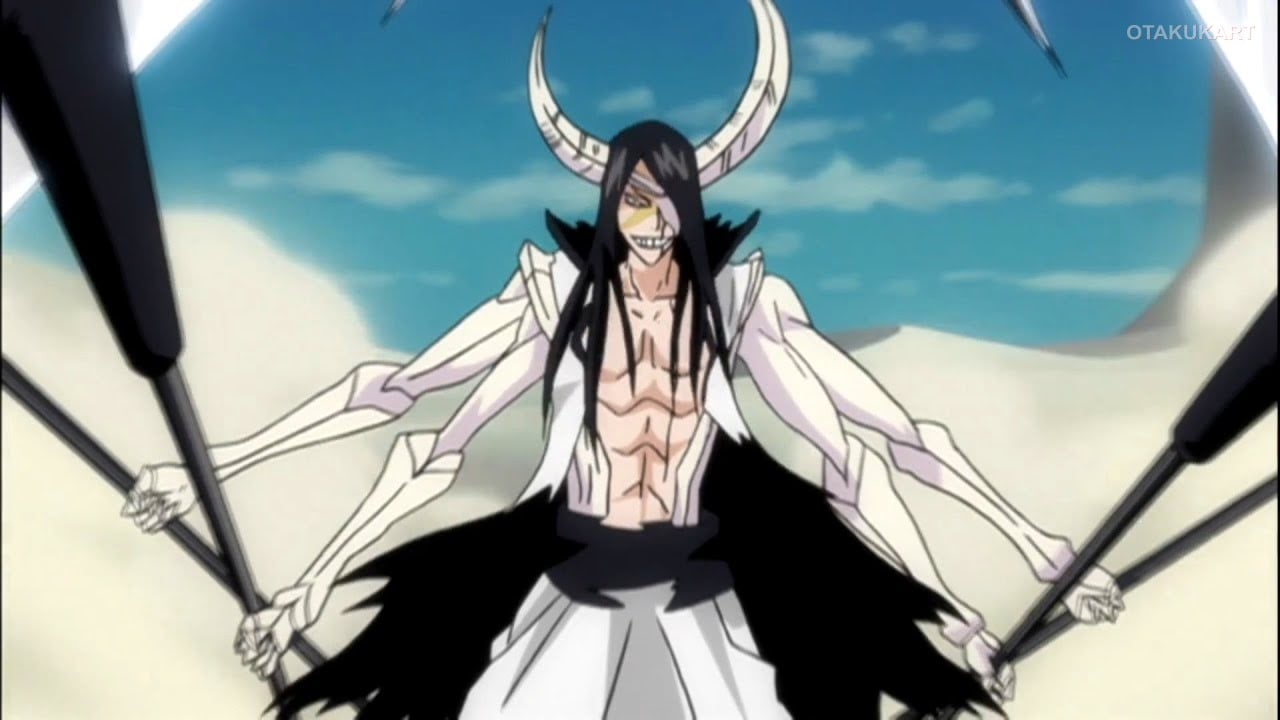
Nnoitora’s unusually tall frame, extremely long limbs, eyepatch, and hollow mask fragment create an intimidating silhouette that immediately separates him from the other Espada. However, those exaggerated proportions have also been one of the biggest criticisms of the character. During several action scenes, his body can appear awkward rather than fluid, making some battles feel visually stiff compared to fights involving characters like Ulquiorra Cifer or Grimmjow Jaegerjaquez.
While Nnoitora is undeniably cruel and arrogant, his motivations are rooted in an obsession with proving his superiority through combat. Instead, his appearance relies heavily on extreme proportions and a menacing expression, leaving some fans feeling it lacks the memorable details found in other Espada designs.
His Resurrección, Santa Teresa, expands on the insect-inspired theme by giving him multiple arms and massive scythe-like weapons. Although the transformation increases his threatening presence, opinions remain mixed because the oversized design prioritizes scale over elegance. Compared to the sleek transformations of several other Espada, Nnoitora’s final form is often viewed as less visually striking.
2. Szayelaporro Granz (Bleach)
Szayelaporro Granz has one of the most recognizable appearances among the Espada, but his design has also divided Bleach fans since his debut. As the Eighth Espada, he is introduced as a brilliant scientist who studies his enemies with disturbing curiosity before defeating them.
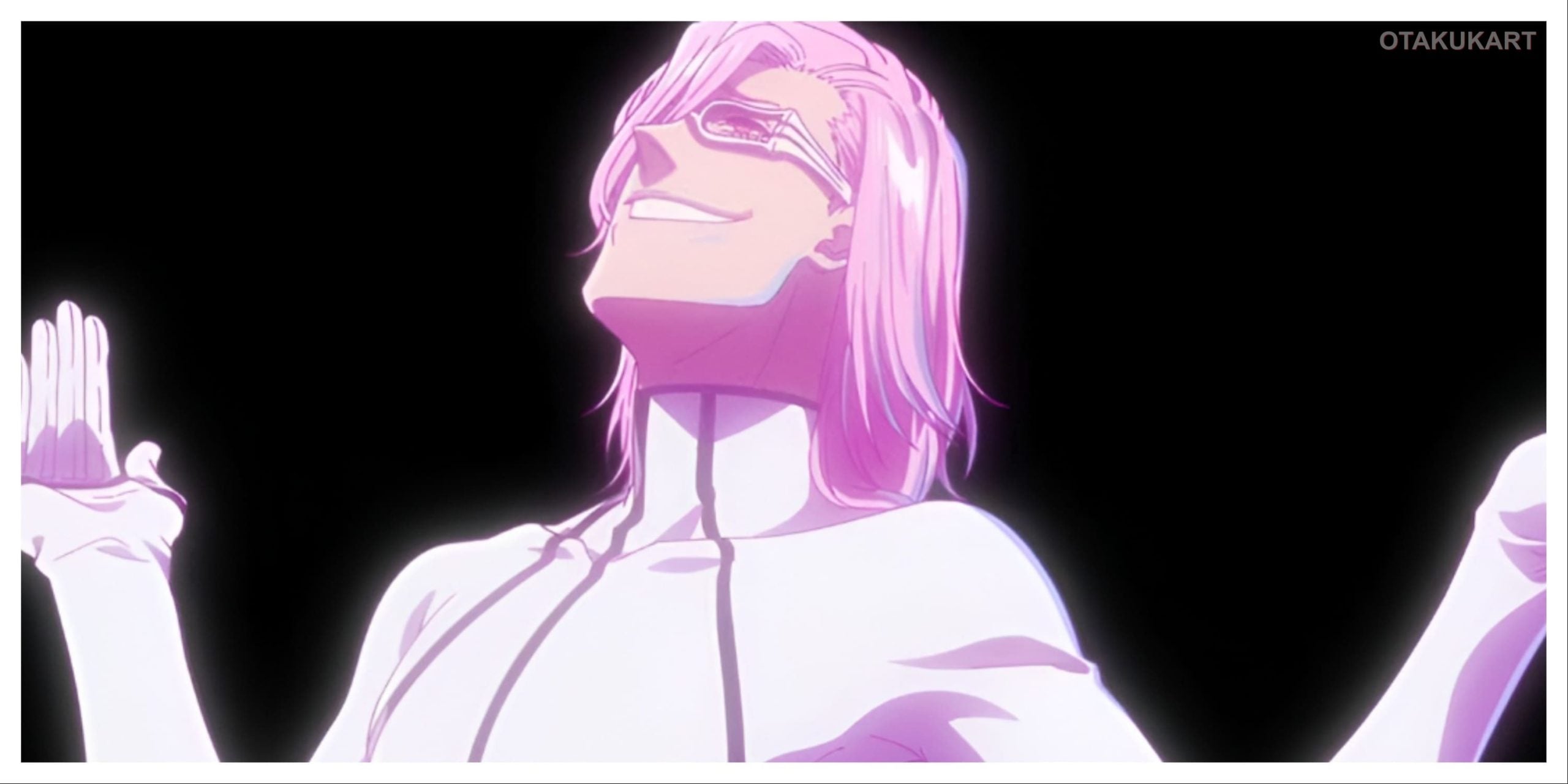
Unlike most Espada, who wear darker and more intimidating expressions, Szayelaporro stands out with bright pink hair, refined clothing, and an almost theatrical personality. His polished appearance reinforces his role as a narcissistic researcher who takes pride in treating battles like scientific experiments.
His facial expressions also contribute to the mixed reception. Throughout his fights, Szayelaporro frequently shifts from calm confidence to exaggerated reactions, emphasizing his unstable personality. These dramatic expressions fit his arrogant nature, but they sometimes reduce the tension during scenes that are meant to feel frightening.
His Resurrección, Fornicarás, continues the unusual design philosophy by transforming him into a creature with insect-like features and disturbing biological abilities.
3. Yammy Llargo
Yammy Llargo enters Bleach as a physically imposing Arrancar whose enormous size immediately signals brute strength. His design clearly follows the classic giant powerhouse archetype, emphasizing muscles over personality. That approach works well enough during his early appearances, but it also makes him blend into a long list of similarly built anime villains.
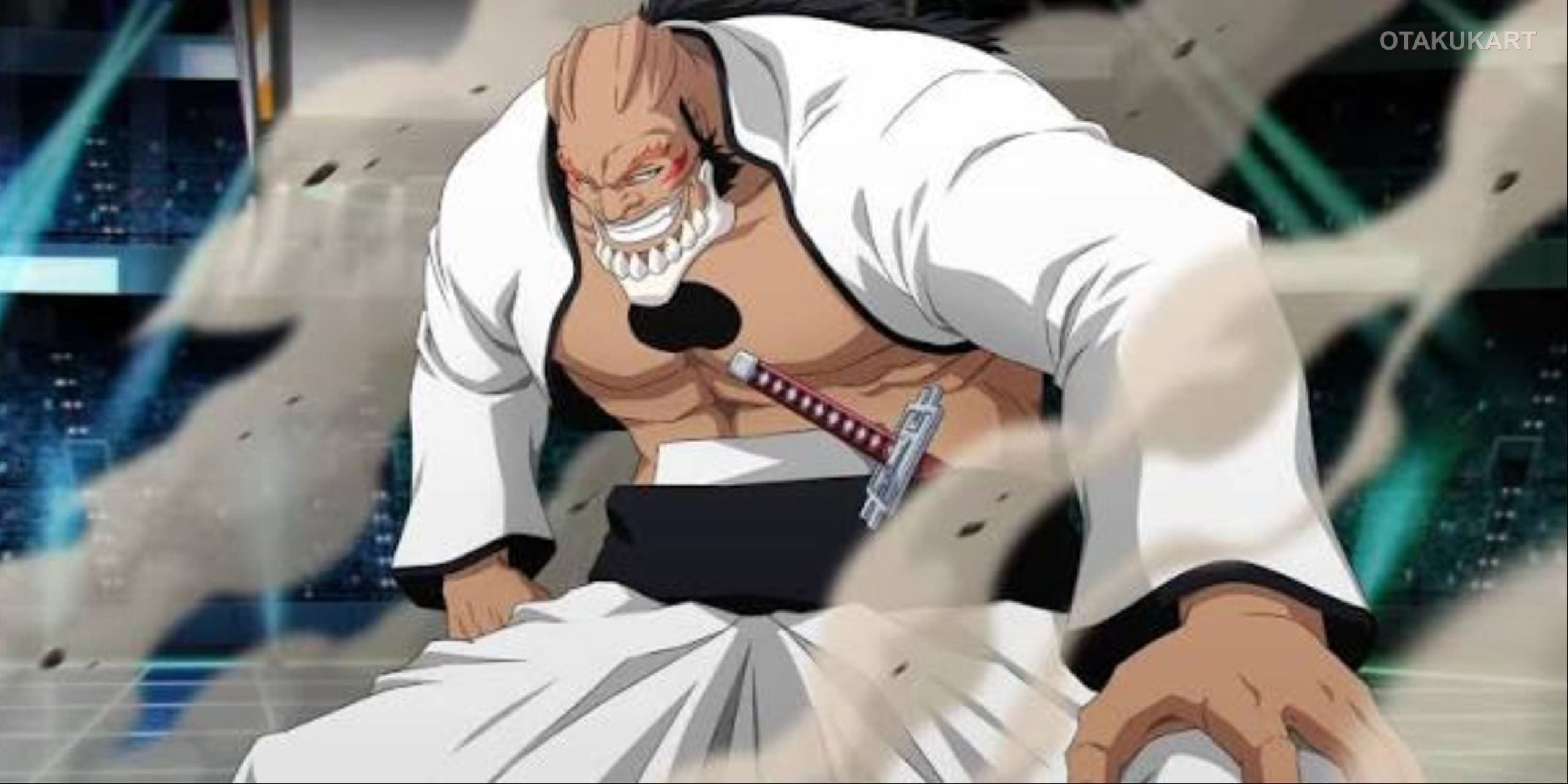
For most of the series, Yammy looks surprisingly plain compared to the rest of the Espada. Characters like Grimmjow, Ulquiorra, and Stark each have instantly recognizable silhouettes and unique facial features. Yammy, on the other hand, relies almost entirely on his massive frame to stand out.
Rather than presenting a more refined or intimidating evolution, the transformation enlarges him into a massive creature with pronounced reptilian features. While the increased size emphasizes overwhelming physical strength, it also diminishes much of the individuality that once defined the character.
The lack of visual sophistication becomes even more noticeable because Bleach is filled with creative transformations. Many Resurrección designs reveal hidden aspects of a character’s personality or symbolism. Yammy’s transformation simply amplifies his physical strength without adding meaningful visual storytelling.
His role in the final stages of the Hueco Mundo conflict still provides exciting action, but his appearance rarely receives the same praise as his fellow Espada.
4. Driscoll Berci
Driscoll Berci makes an unforgettable first impression because his appearance is unlike almost any other Sternritter in Bleach. His large mustache, intimidating build, and unusual weapon immediately separate him from the rest of Yhwach’s army. 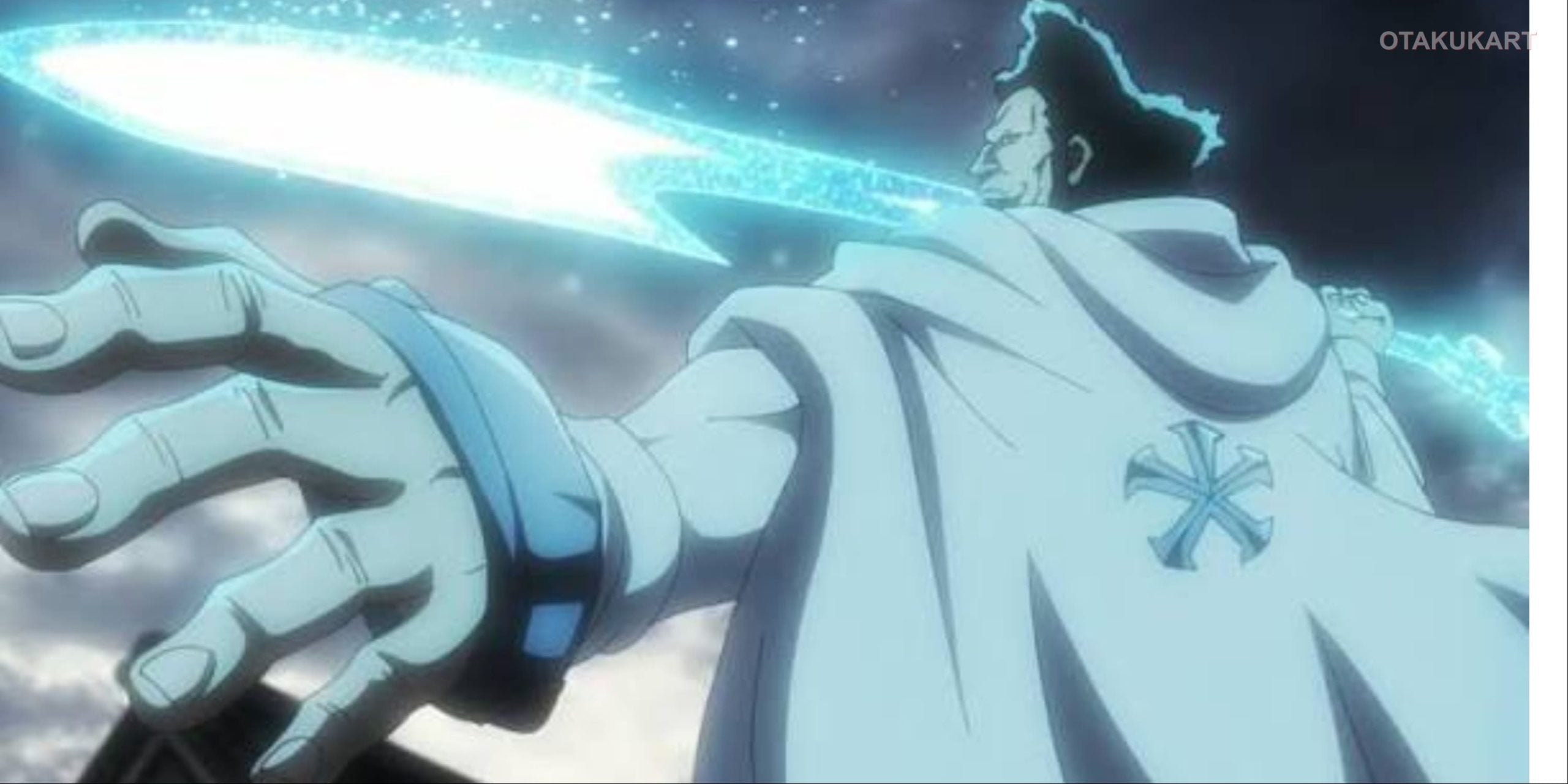
Driscoll Berci (Image via Studio Pierrot)Much of Driscoll’s visual identity revolves around his exaggerated facial hair. Even his abilities draw attention back to that defining feature, making the mustache feel less like a small character trait and more like the entire concept behind his appearance.
The Sternritter as a group introduced dozens of fresh character designs with distinct personalities and powers. Several members quickly became fan favorites because their appearances reflected their abilities or individual philosophies. Driscoll struggles to achieve the same balance.
His role in the Thousand-Year Blood War begins with an important moment involving Sasakibe, giving the audience every reason to view him as a major threat. Unfortunately, his design does not reinforce that level of importance. The unusual hairstyle and oversized mustache frequently draw more attention than his actual combat abilities.
That does not mean the design completely fails. Bleach has always embraced unconventional fashion choices, and Driscoll certainly contributes to the visual diversity of the Quincy army. His appearance is easy to remember even years after readers finish the arc.
5. Candice Catnipp
Candice Catnipp quickly became one of the more popular female Sternritter thanks to her confident personality and explosive lightning abilities. Her battles showcase incredible speed and destructive power, making her a dangerous opponent for several Soul Reapers.
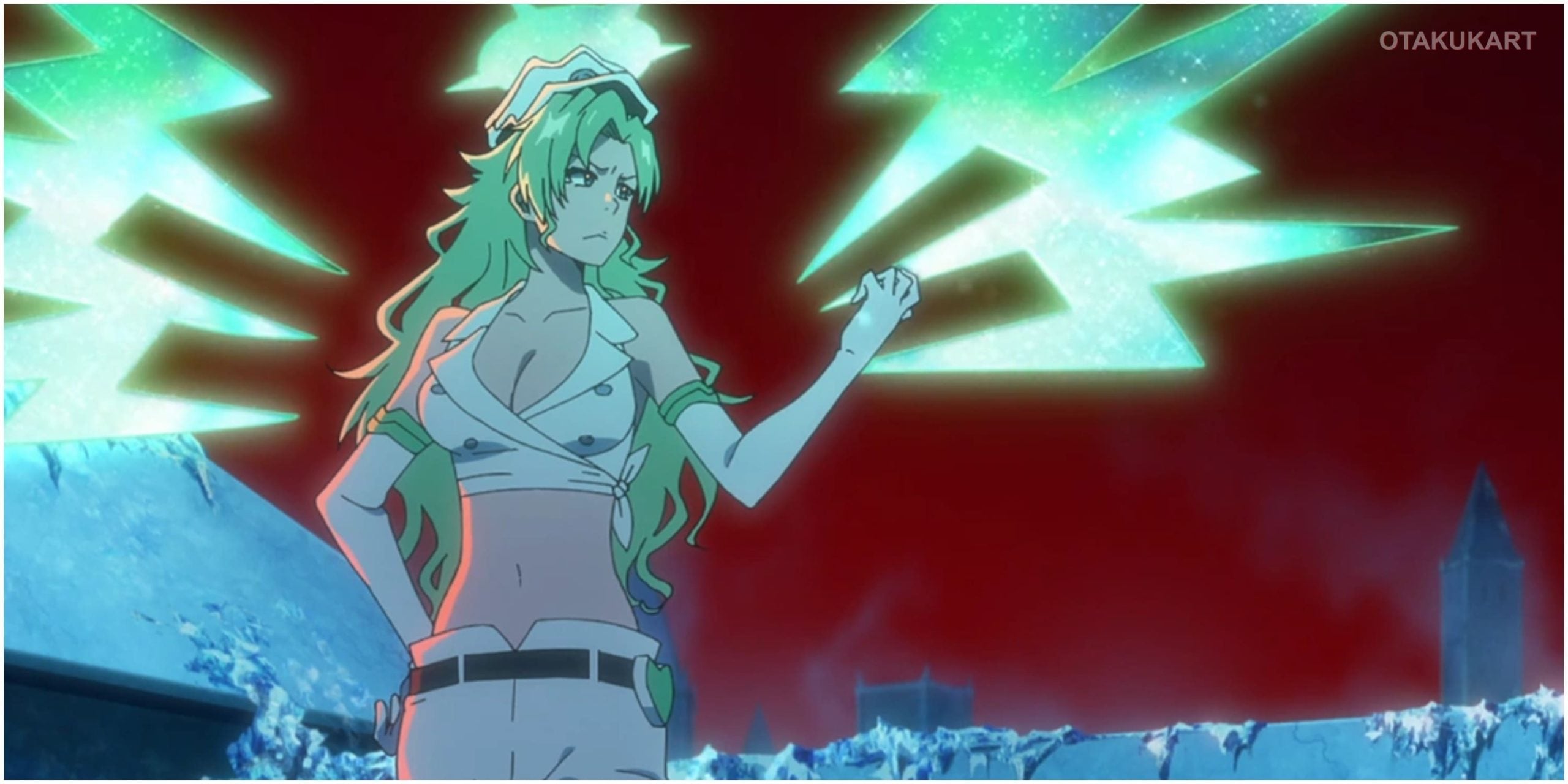
Her appearance follows a fashionable gyaru-inspired style with styled hair, modern accessories, and a confident attitude. On its own, the design is attractive and fits Bleach’s long history of stylish characters. Before Candice uses electricity in combat, there are very few visual clues suggesting that lightning defines her fighting style.
Many memorable Bleach characters have designs that subtly hint at their abilities through clothing, color choices, or symbolic details. Candice instead looks more like a fashionable supporting character than a warrior capable of unleashing devastating electrical attacks.
Her Vollständig transformation improves the presentation by introducing wing-like energy effects and emphasizing her elemental powers. Even then, the transformation focuses more on visual spectacle than on creating a truly distinctive silhouette within the crowded cast of the Thousand-Year Blood War.
None of this takes away from Candice’s entertaining personality. Her confidence, competitiveness, and interactions with the other female Sternritter give her plenty of memorable moments throughout the arc. Those character traits often leave a stronger impression than her appearance alone.
6. Loyd Lloyd
Loyd Lloyd enters the Thousand-Year Blood War as one half of the mysterious Lloyd twins, Quincy brothers whose abilities revolve around imitation and deception. His power is genuinely interesting because it allows him to perfectly copy another person’s appearance and abilities, creating uncertainty on the battlefield.
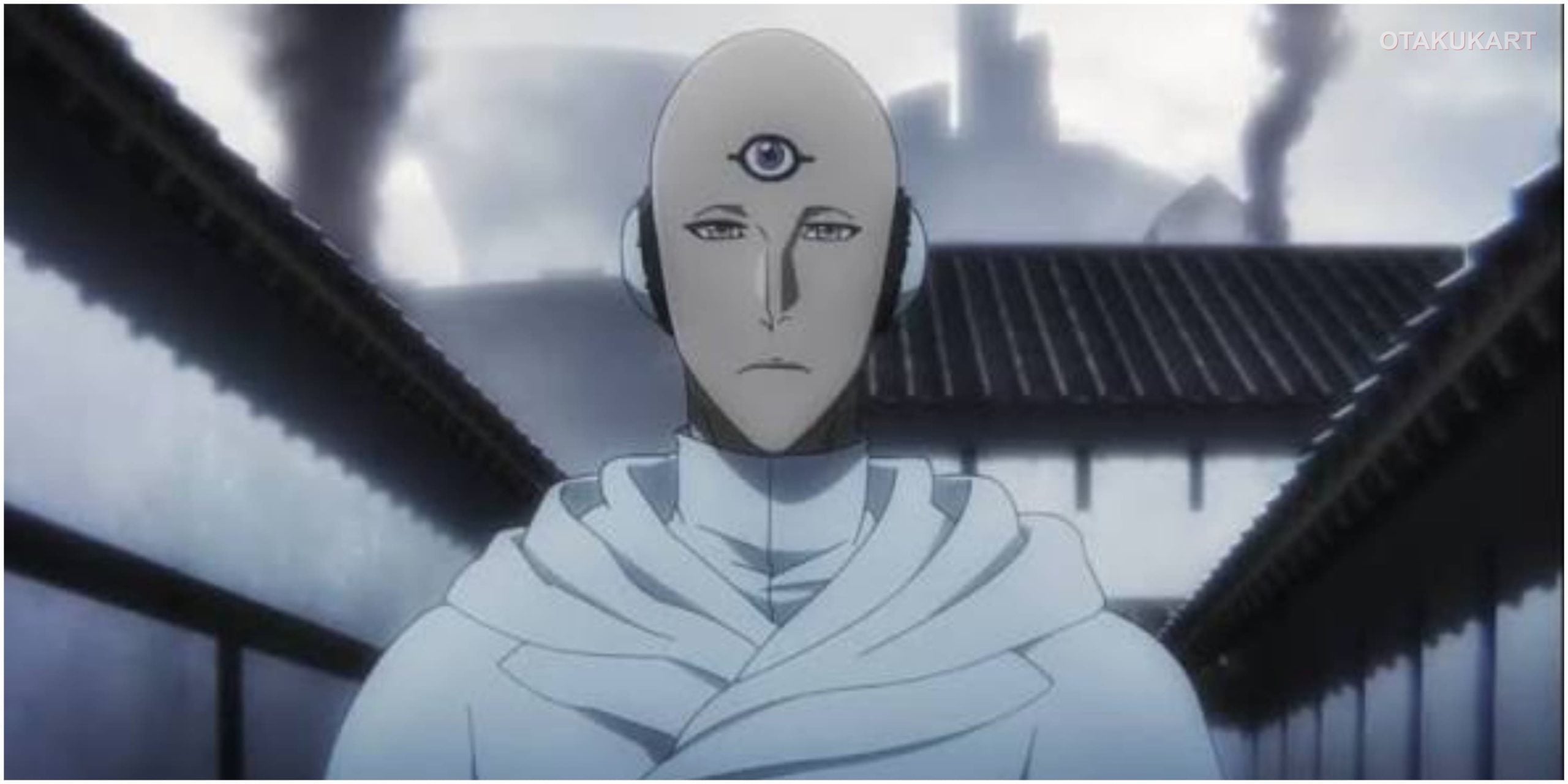
Loyd wears the standard Quincy uniform with very few distinguishing features. His muted color palette, expressionless face, and restrained hairstyle reflect his calm and emotionless personality, but they also leave him lacking a visual hook.
The design makes thematic sense because his identity is built around becoming someone else. A plain appearance reinforces the idea that his own individuality is secondary to his ability. That concept works on paper, but it comes at the cost of visual memorability.
Bleach has never been afraid of minimalist character designs, but the strongest examples usually include one defining visual feature that makes them instantly recognizable. Loyd lacks that signature element. His role in the story remains important because of his abilities rather than his appearance.
7. Gerard Valkyrie
Gerard Valkyrie is introduced as one of Yhwach’s most powerful Sternritter, and his towering physique immediately communicates overwhelming strength. His armor, flowing hair, and heroic proportions are meant to evoke the image of a legendary warrior.
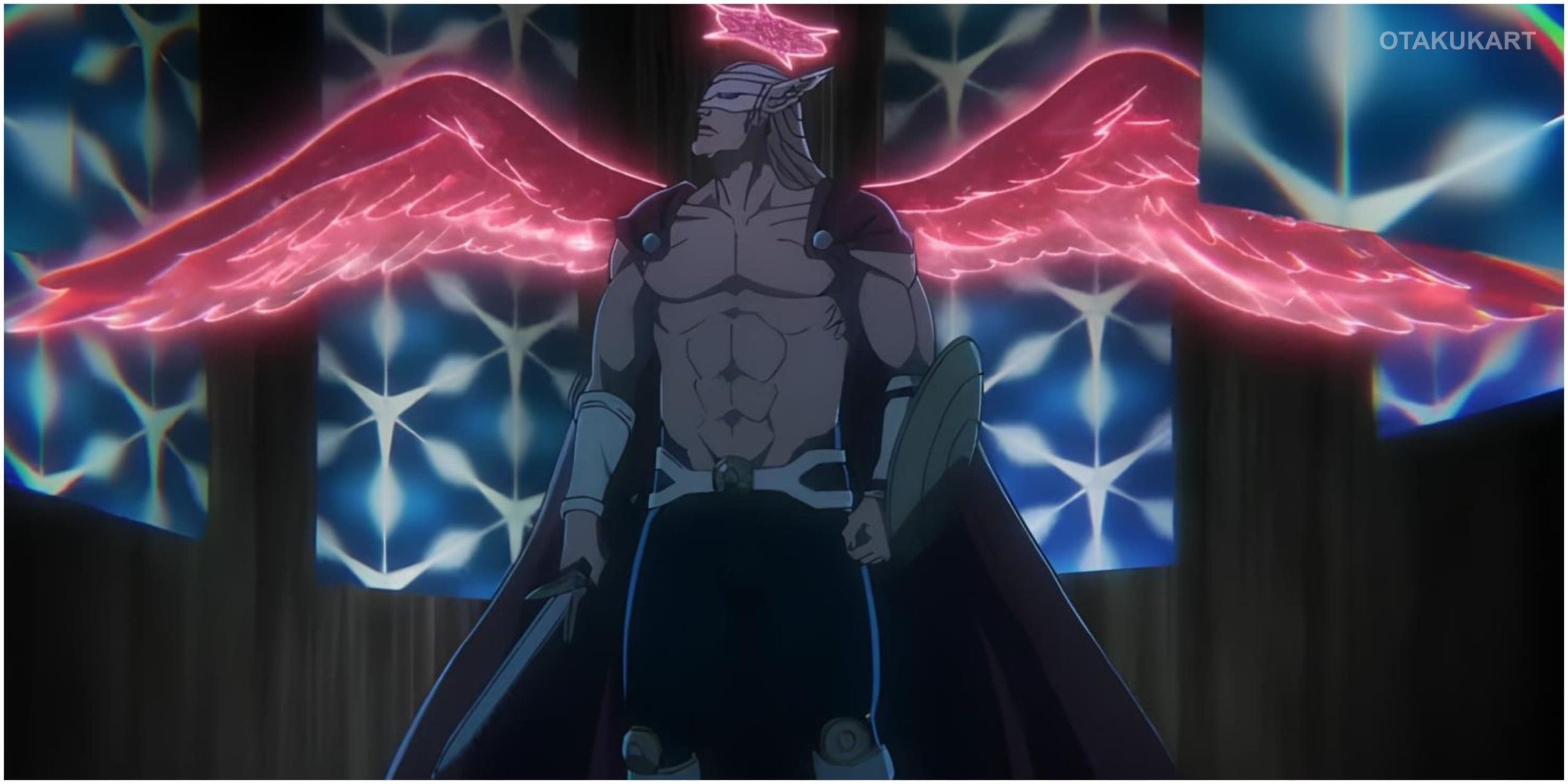
His base appearance resembles a classic armored knight with only subtle Quincy influences. The design is undeniably imposing, yet it lacks the distinctive style that makes characters such as Askin Nakk Le Vaar or Jugram Haschwalth instantly recognizable. Gerard looks powerful, but not especially original.
The biggest source of debate comes during the later stages of his battle when his Miracle ability repeatedly enlarges and transforms his body. Every evolution makes him bigger, stronger, and more difficult to defeat, eventually turning him into a massive figure covered in white armor. The increasing scale effectively communicates his seemingly limitless power, but it also strips away many of the human features that made him feel like an actual character.
By the climax of his fight, Gerard resembles a moving fortress more than a person. His enormous size dominates entire pages, yet the finer details of his face and personality become less important than the spectacle itself. Gerard remains one of the strongest Quincy introduced in Bleach, and his battles deliver plenty of memorable moments. His design simply illustrates that making a character larger does not always make them more visually compelling.
8. Kaguya Otsutsuki
Kaguya Otsutsuki carries enormous narrative importance as the origin of chakra and the final antagonist of Naruto. After years of battles against legendary shinobi, fans expected the ultimate villain to possess an unforgettable appearance that reflected her godlike status. Instead, her design has remained one of the most divisive in the entire franchise.
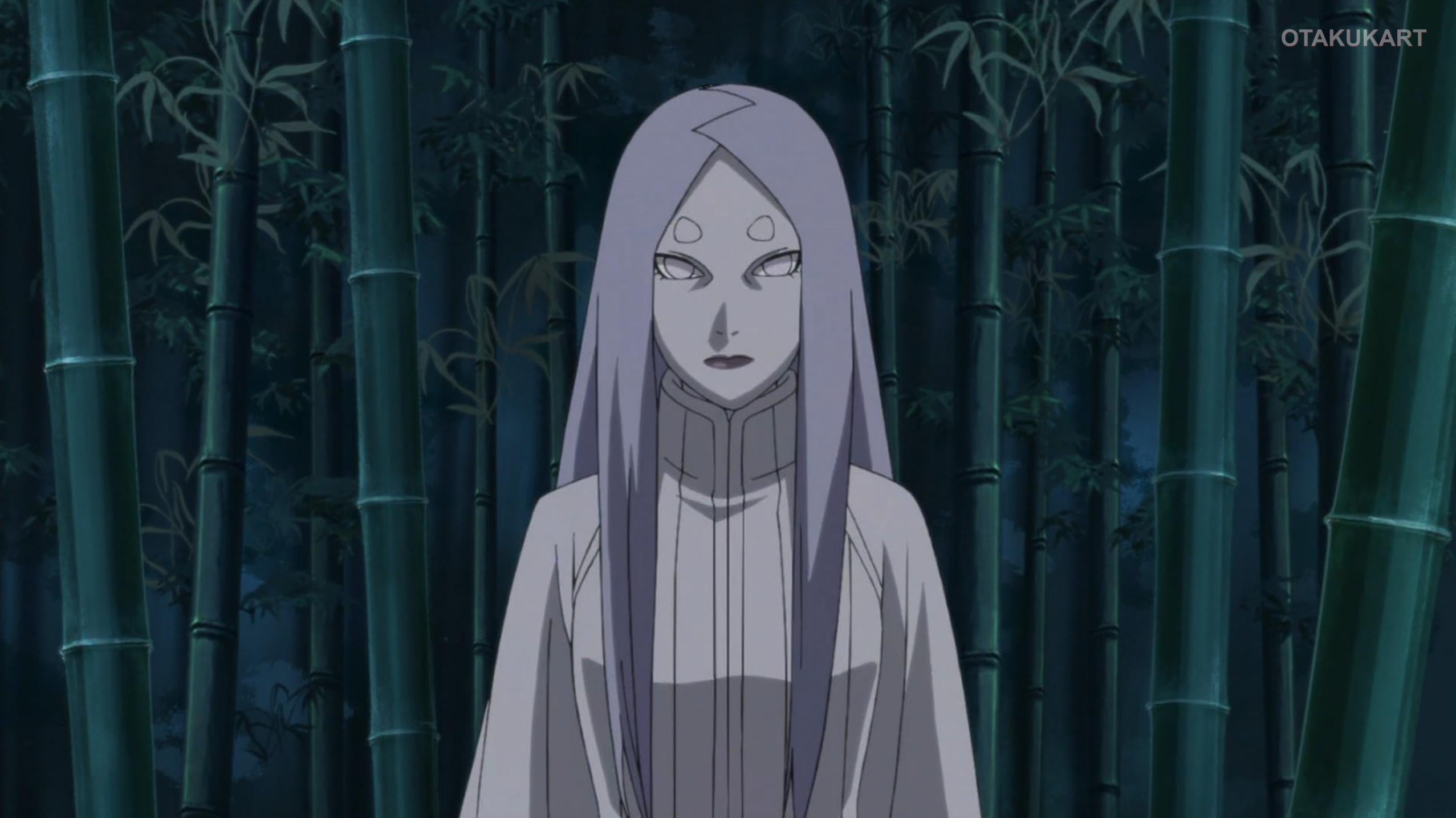
Her flowing white robes, pale skin, and long white hair immediately establish her as an otherworldly being. The Byakugan-inspired eyes and additional eye on her forehead reinforce her connection to immense supernatural power. Madara Uchiha combined traditional samurai armor with flowing hair and an intimidating presence that perfectly matched his reputation. Obito’s various masked identities evolved alongside his character arc, making each design memorable for different reasons.
Kaguya, despite being positioned above both of them, relies on a minimalist aesthetic that some readers find visually underwhelming. Her transformations throughout the final battle introduce rabbit-like features and dramatic environmental effects, but the core design remains largely unchanged. The simplicity may have been intended to emphasize her divine origins, yet it also limits the emotional impact of her appearance.
None of this diminishes Kaguya’s significance within Naruto’s mythology. She reshaped the history of the shinobi world and introduced concepts that continue into Boruto. Even so, discussions about the series often place her among the franchise’s least visually satisfying major villains.
9. Obito Uchiha’s Ten-Tails Jinchuriki Form
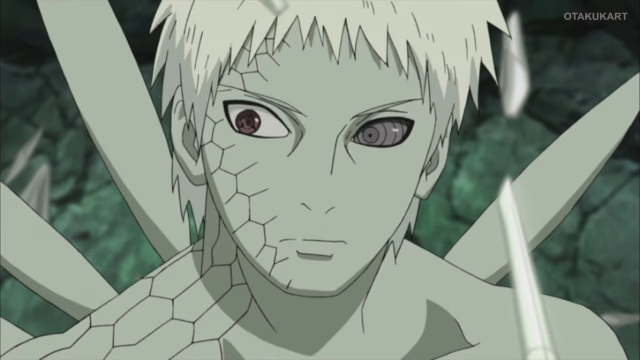
Obito Uchiha experiences one of the most dramatic transformations in Naruto after becoming the Ten-Tails Jinchuriki. The moment represents the culmination of years of manipulation, tragedy, and ambition. Narratively, the transformation succeeds because it symbolizes Obito abandoning nearly everything that once made him human.
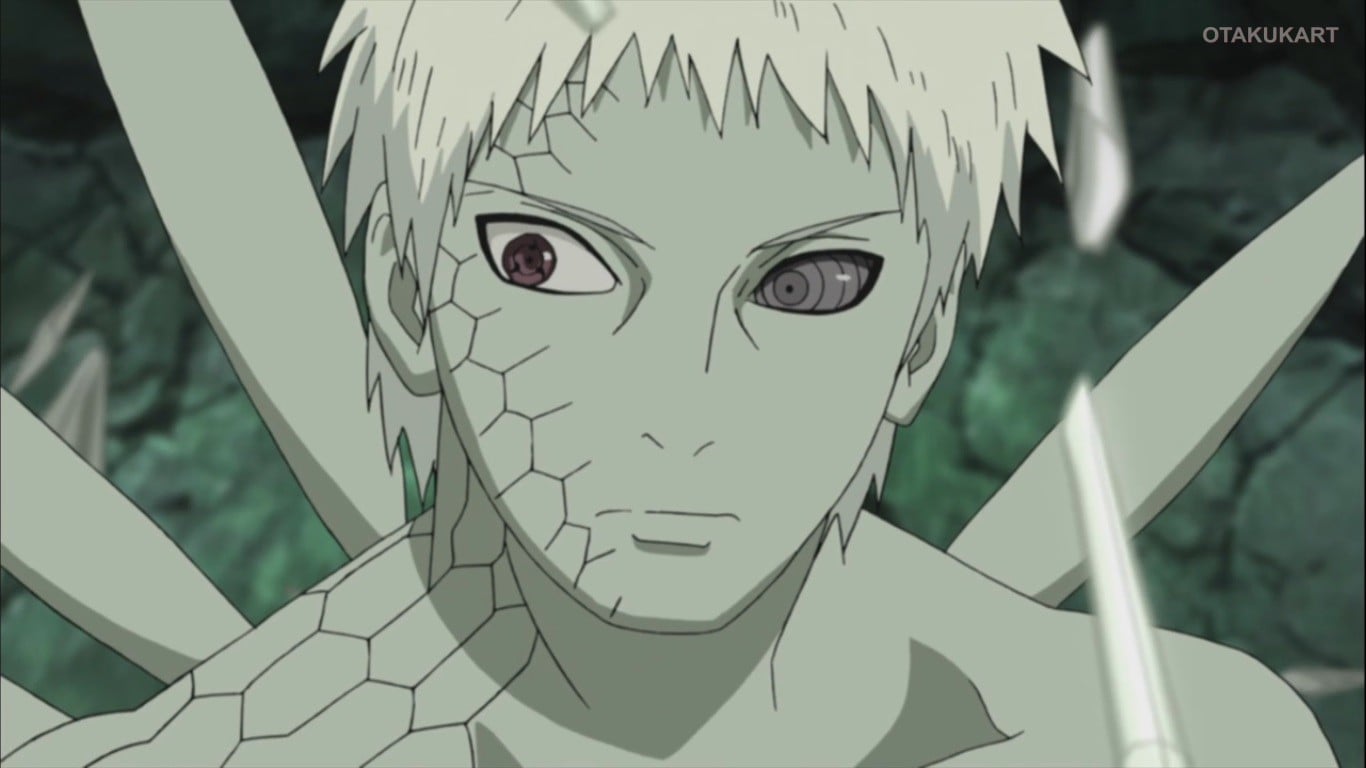
Before gaining the Ten-Tails’ power, Obito possessed several memorable appearances. His spiral mask became one of the franchise’s most recognizable villain designs, and even his later broken mask reflected the emotional conflict within his character. Each version communicated a different stage of his journey. The Jinchuriki transformation takes a very different approach by stripping away much of that individuality.
The new form is dominated by smooth white surfaces, dark markings, and a largely expressionless face. The minimalist design emphasizes his godlike status, but it also makes him appear emotionally distant. Readers who had become invested in Obito’s personal story often found it more difficult to connect with him visually because so many recognizable features disappeared.
His abilities certainly create spectacular action sequences. The floating Truth-Seeking Orbs, immense chakra, and overwhelming presence reinforce the idea that he has surpassed ordinary shinobi. Even so, the transformation often feels more like a symbol of ultimate power than an evolution of Obito’s established identity.
10. Danzo Shimura
Danzo Shimura was never designed to be a flashy fighter. His appearance reflects a politician who operates from the shadows, manipulating events behind the scenes rather than seeking attention.
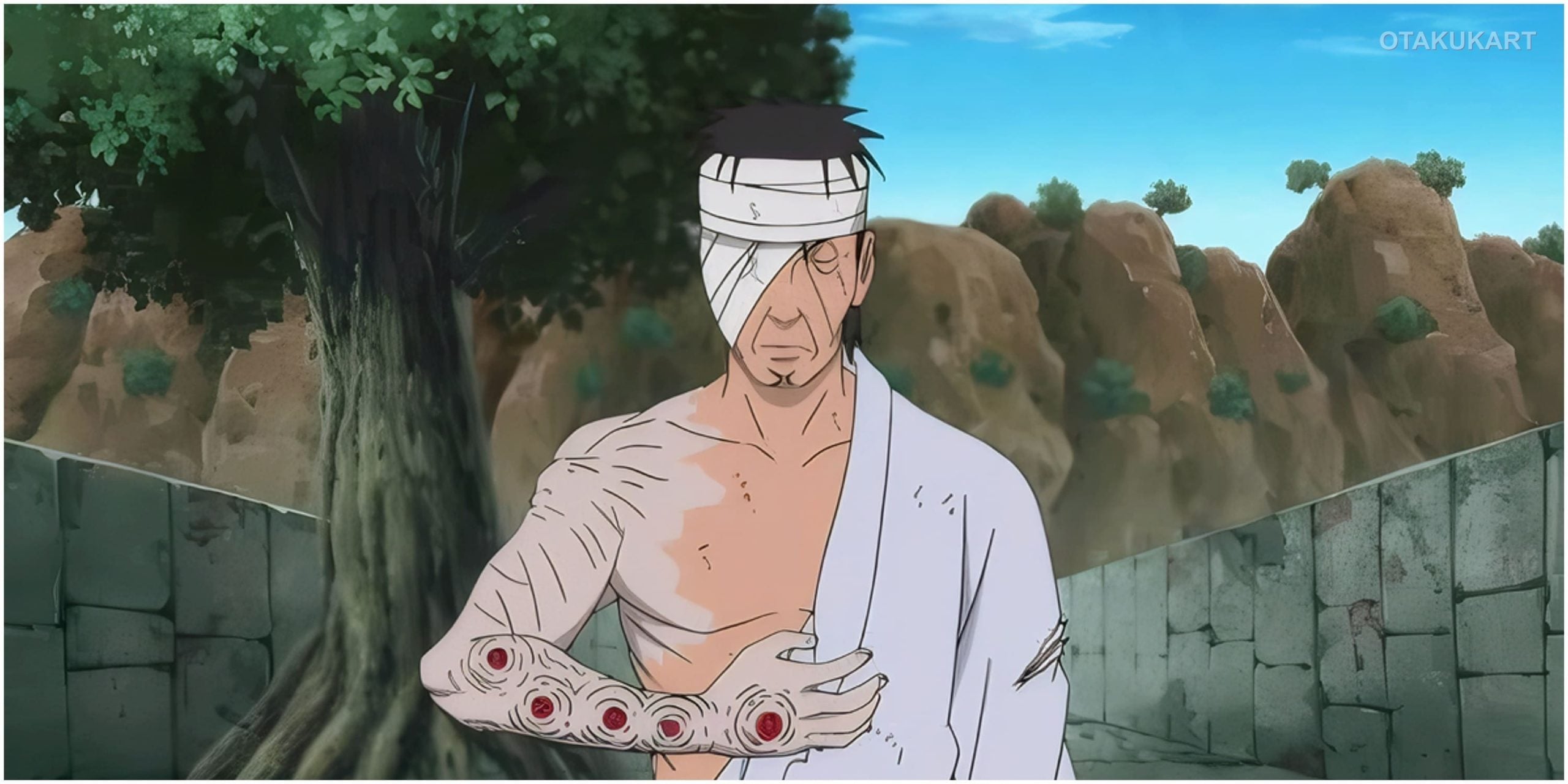
Most of Danzo’s body remains hidden beneath heavy robes and bandages. His right arm and one side of his face stay covered for much of the series, creating an air of mystery that eventually pays off during the reveal of his stolen Sharingan collection.
The problem is that Danzo spends the majority of his screen time looking almost identical from every angle. His stiff posture, muted clothing, and minimal movement create a static silhouette that rarely changes. Compared to visually expressive characters like Orochimaru, Pain, or Madara, Danzo lacks a striking feature that immediately commands attention.
His battle against Sasuke finally gives the audience a closer look at the secrets hidden beneath the bandages. The reveal transforms his appearance into something much more unsettling, adding multiple Sharingan across his arm and reinforcing his willingness to sacrifice morality for power.
Even after the reveal, Danzo remains intentionally understated. His appearance reflects a man who values secrecy above all else. That artistic decision supports his personality but limits his visual appeal compared to other Naruto villains. Danzo succeeds as a political antagonist because his actions shape many of the series’ darkest events. His design simply prioritizes narrative symbolism over artistic spectacle.
12. Might Guy’s Eighth Gate Form
Might Guy’s activation of the Eighth Gate is widely regarded as one of Naruto’s greatest moments. His willingness to sacrifice his own life to protect the shinobi world delivers one of the series’ most emotional battles.
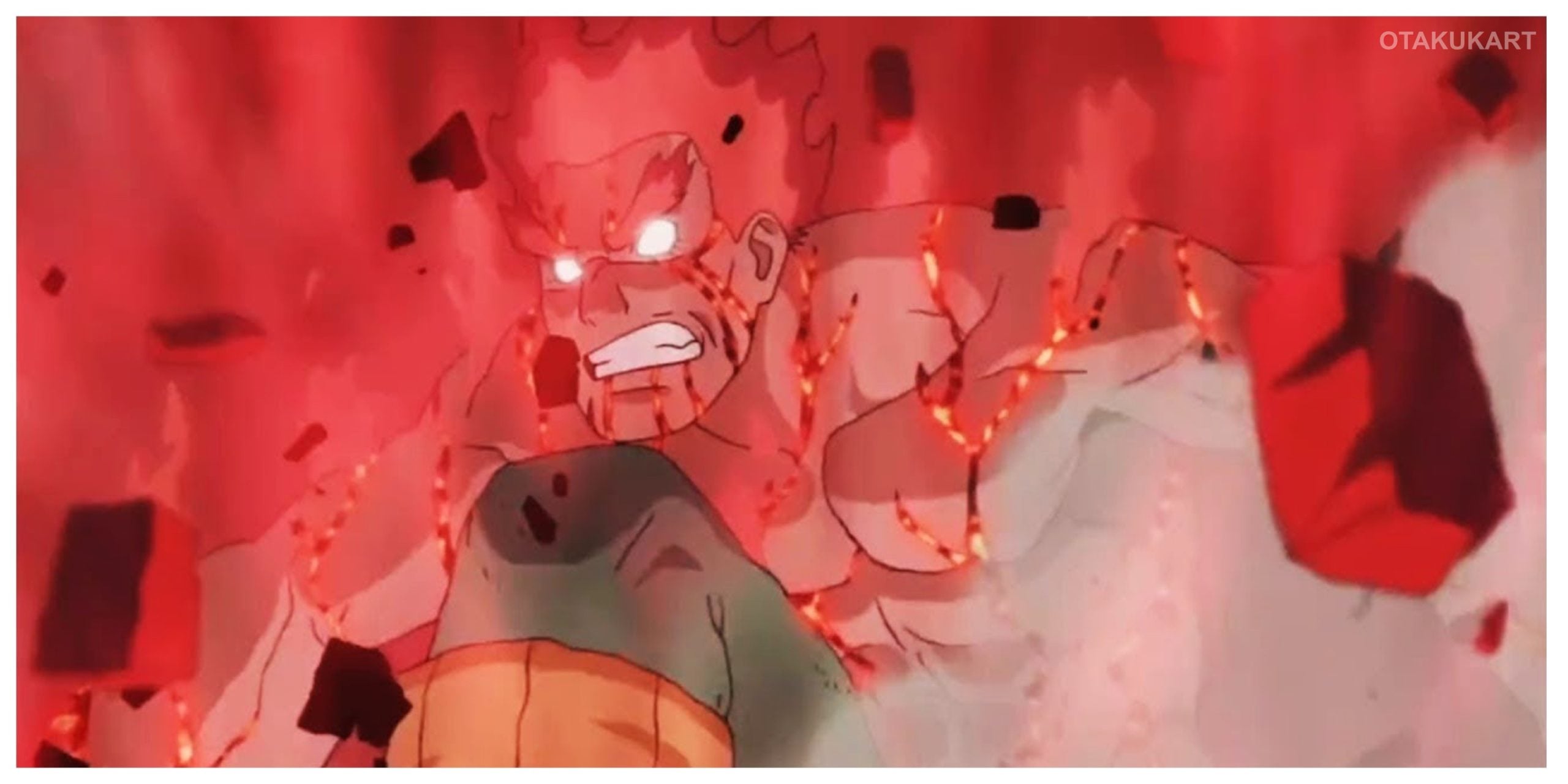
The transformation itself perfectly communicates the devastating physical cost of unlocking ultimate power, but its visual design has always divided opinion among fans.
Unlike many anime power-ups that make characters appear cleaner or more heroic, the Eighth Gate pushes Guy’s body toward complete destruction. His skin darkens, his muscles become dramatically more pronounced, and the intense red chakra surrounding him resembles burning blood.
Guy does not become handsome or elegant after opening the final gate. Instead, he looks exhausted, damaged, and terrifying. That realism strengthens the emotional impact of his battle against Madara and reinforces the consequences of using forbidden techniques.
Others believe the swollen muscles and overwhelming red aura make the transformation visually overwhelming. Compared to the cleaner designs of Sage Mode or Naruto’s Nine-Tails Chakra Mode, the Eighth Gate can appear less refined. The transformation works best in motion, where the blazing chakra and incredible speed create a sense of unstoppable momentum.
13. Wapol
Wapol was introduced early in One Piece as the selfish ruler of Drum Island, serving as both a tyrannical king and a major obstacle in Chopper’s emotional origin story. His appearance immediately establishes him as a comedic villain rather than a traditional intimidating antagonist. That approach fits Eiichiro Oda’s playful art style, but it has also made Wapol one of the more polarizing character designs in the series.
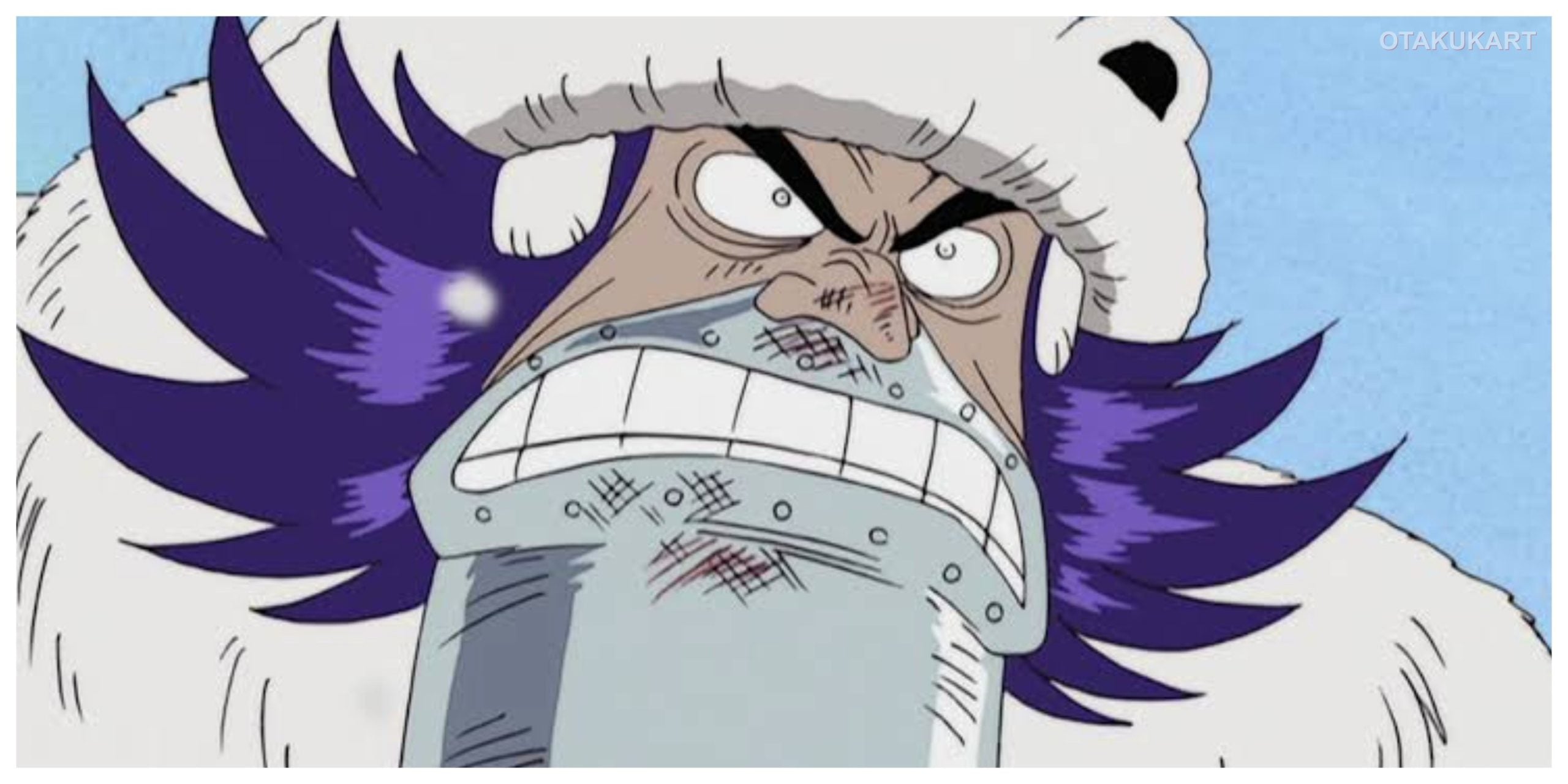
His oversized mouth is the defining feature of his appearance because it directly reflects the powers of the Baku Baku no Mi. The Devil Fruit allows him to eat almost anything and combine objects into entirely new creations. Oda cleverly links the design to the character’s abilities, making Wapol instantly recognizable from his first appearance.
As Wapol continues consuming objects and reshaping his body, he becomes increasingly cartoonish. Instead of looking like a dangerous dictator, he often resembles a walking visual gag. The absurd body shapes create humor, but they also reduce the sense of danger surrounding a villain responsible for driving away Drum Island’s doctors.
This tonal contrast becomes especially noticeable because Chopper’s backstory carries significant emotional weight. The tragedy surrounding Dr. Hiriluk and Dr. Kureha stands among the most heartfelt moments in early One Piece. Wapol’s exaggerated appearance sometimes clashes with that emotional atmosphere, making him feel less threatening than the story occasionally requires.
Even so, Wapol succeeds in demonstrating one of One Piece’s defining strengths. Oda is willing to embrace bizarre character designs without hesitation, even if they divide opinion among readers. His appearance perfectly matches the whimsical spirit of the series. Although Wapol has become more relevant in recent story arcs, his original design remains one of the franchise’s most exaggerated examples of comedy taking priority over intimidation.
14. Charlotte Linlin (Big Mom)
Charlotte Linlin, better known as Big Mom, is one of the Four Emperors who rule the seas in One Piece. Her overwhelming strength, enormous family, and terrifying Devil Fruit powers make her one of the most dangerous figures in the series. Unlike many powerful anime villains who rely on elegant or intimidating appearances, Big Mom was intentionally designed to look unsettling.
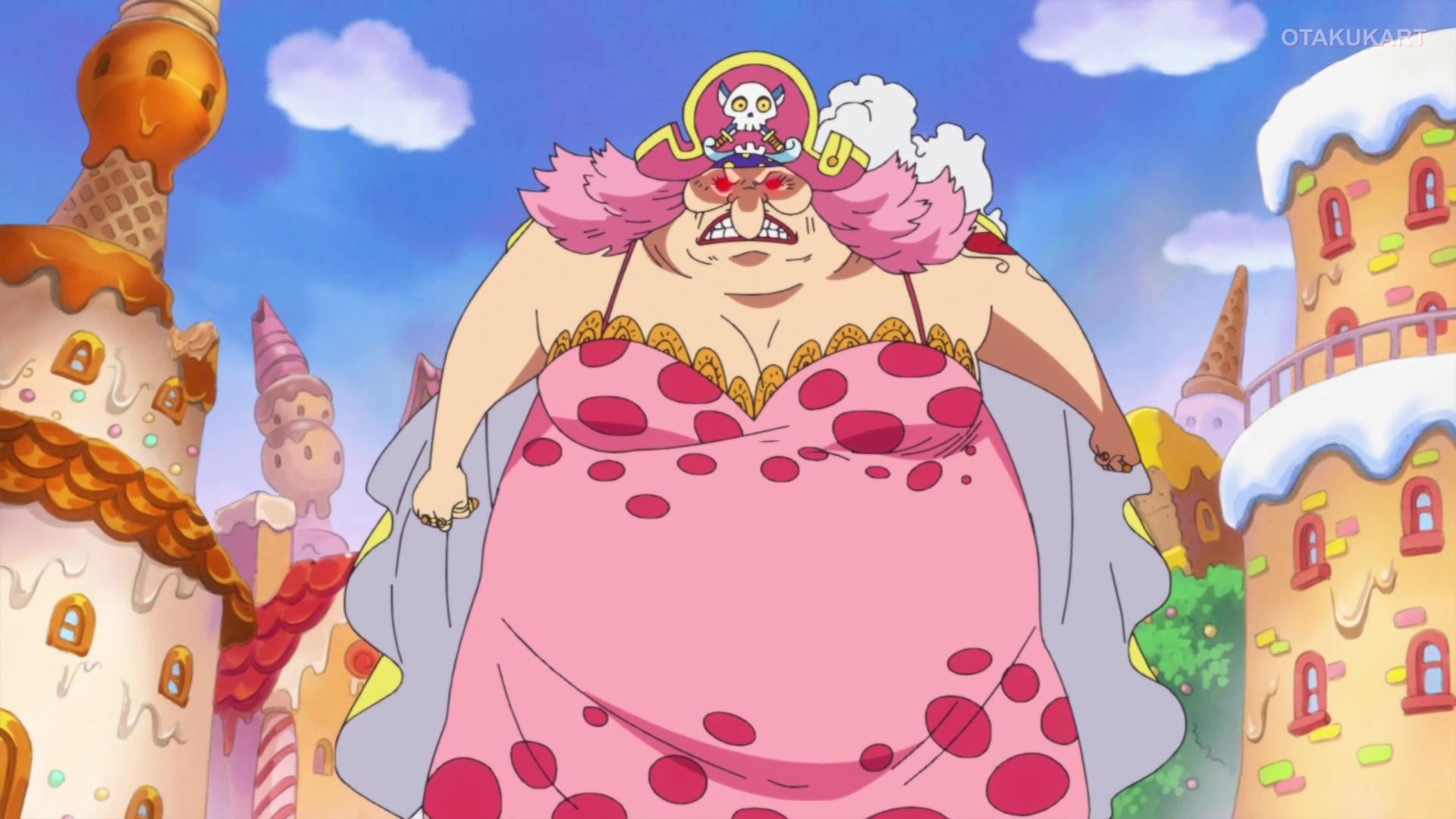
Big Mom’s massive frame, exaggerated facial features, and constantly shifting expressions immediately separate her from every other Emperor. Her wide grin, deeply shadowed eyes, and oversized mouth create an appearance that feels closer to a fairy tale monster than a traditional pirate. The design perfectly reflects her unpredictable personality because she can switch from cheerful laughter to terrifying rage within moments.
15. Spandam
Spandam serves as the commander of CP9 during the Water 7 and Enies Lobby saga, yet his greatest weapon is never physical strength. Instead, he represents corruption, cowardice, and the abuse of political authority.
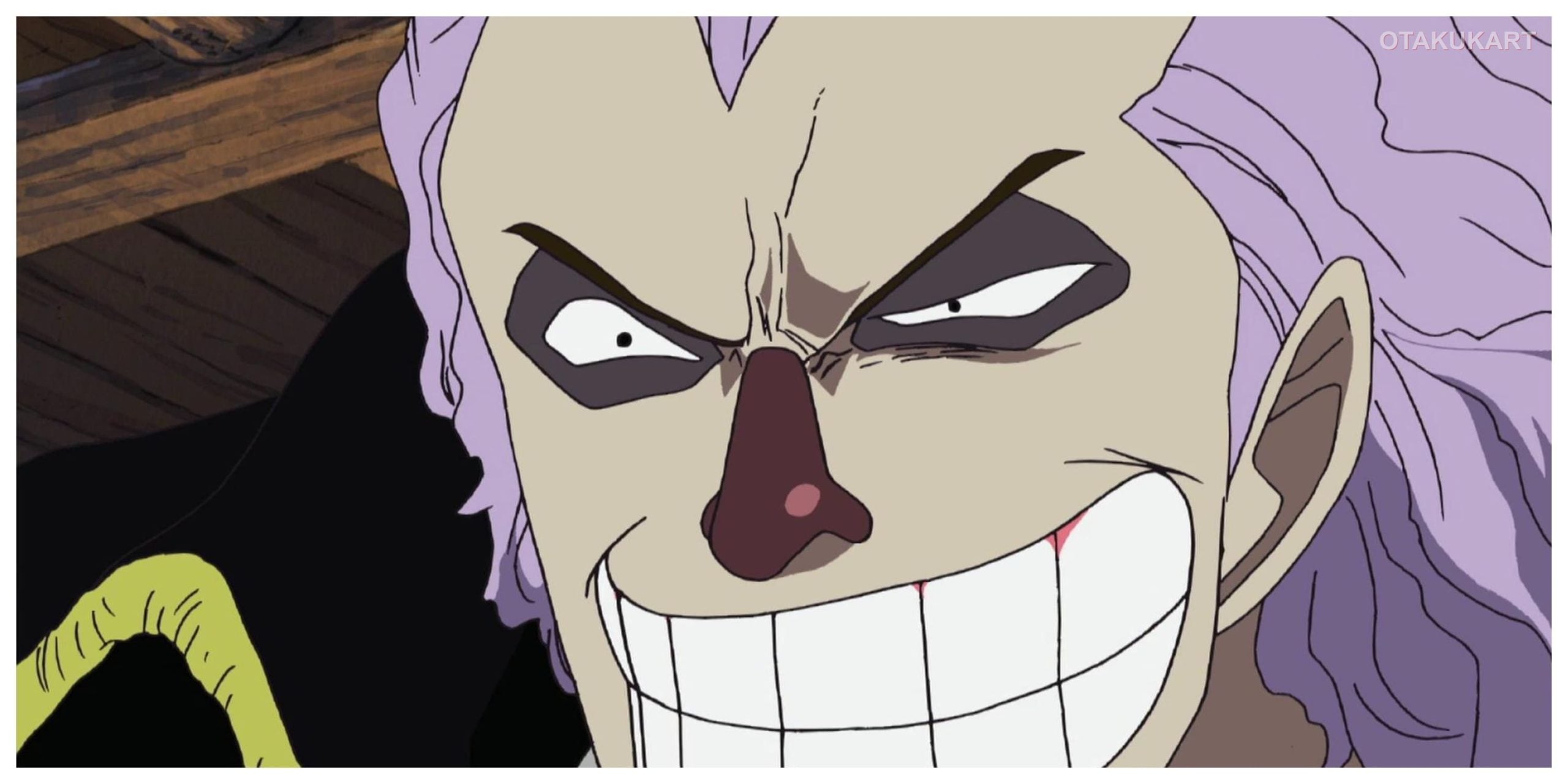
His appearance was deliberately crafted to make him look unpleasant rather than powerful, and that artistic decision remains one of the most debated visual choices in One Piece. From his first appearance, Spandam’s awkward posture, exaggerated facial expressions, and noticeable overbite communicate arrogance without confidence. He constantly carries himself as someone convinced of his own importance despite lacking the ability to back up his claims. The design effectively mirrors his personality because nearly every expression emphasizes his insecurity and selfishness.
Unlike villains such as Crocodile, Doflamingo, or Kaido, Spandam never appears physically intimidating. He survives by hiding behind stronger subordinates and exploiting his position within the World Government. His appearance reinforces that reality by making him look weak, nervous, and deeply unlikable.
The Funkfreed sword adds an unusual touch to his design, introducing one of the series’ strangest Devil Fruit concepts. However, even that memorable weapon often overshadows Spandam himself. His appearance succeeds because readers are supposed to dislike him from the very beginning. Every design choice supports that objective.
Spandam remains one of One Piece’s most hated antagonists, and much of that reaction stems from how perfectly his appearance captures his cowardly personality. Whether fans admire or dislike the design often depends on whether they value narrative symbolism more than visual appeal.
16. Absalom
Absalom is among the strangest villains introduced during the Thriller Bark arc, a storyline already filled with zombies, ghosts, and bizarre monsters. His appearance combines animal features, surgical modifications, and exaggerated facial proportions to create someone who looks more like a stitched-together experiment than an ordinary pirate.
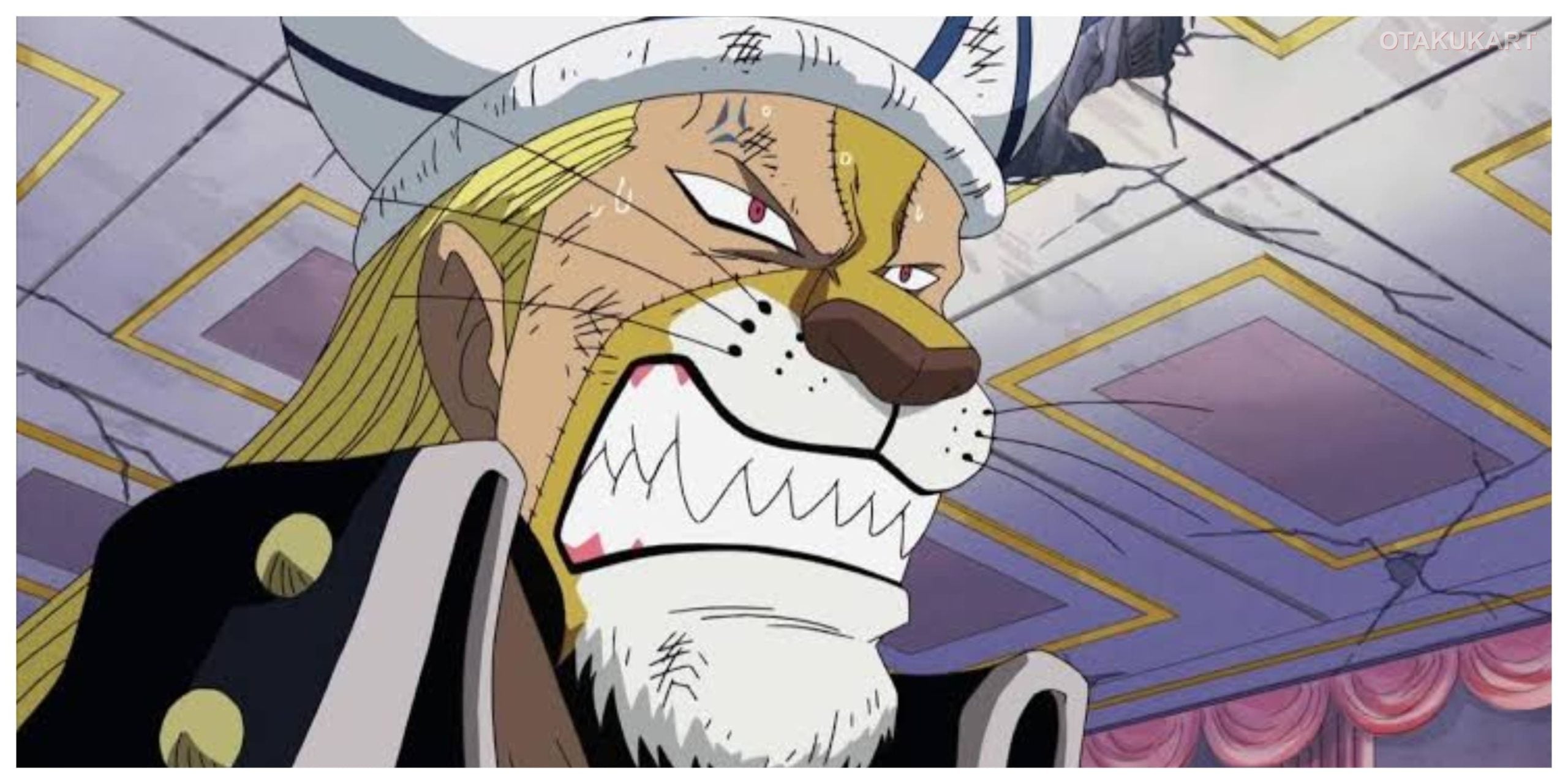
His lion-like mane, oversized jaw, and permanently open mouth immediately give him an unsettling appearance. Combined with the abilities of the Clear-Clear Fruit, which grants invisibility, Absalom was clearly intended to feel unpredictable and disturbing. The design successfully creates discomfort, but not always in a way that enhances his role as a villain.
His actions during the Thriller Bark arc have also influenced how fans view his design. Many readers associate him more with his controversial behavior than with his actual appearance. As a result, discussions about Absalom rarely focus on his artistic design alone.
From a technical standpoint, Oda successfully communicates that Absalom is an unnatural creation resulting from Hogback’s experiments. Every exaggerated feature contributes to that idea. The issue is that the final result often appears awkward rather than memorable.
17. Foxy the Silver Fox
Foxy the Silver Fox was never meant to be a terrifying pirate captain. Instead, he represents one of One Piece’s most comedic antagonists, leading the infamous Davy Back Fight with deception, cheap tricks, and endless confidence. His exaggerated appearance reflects that role perfectly, although many readers believe the design has aged less gracefully than other early One Piece villains.
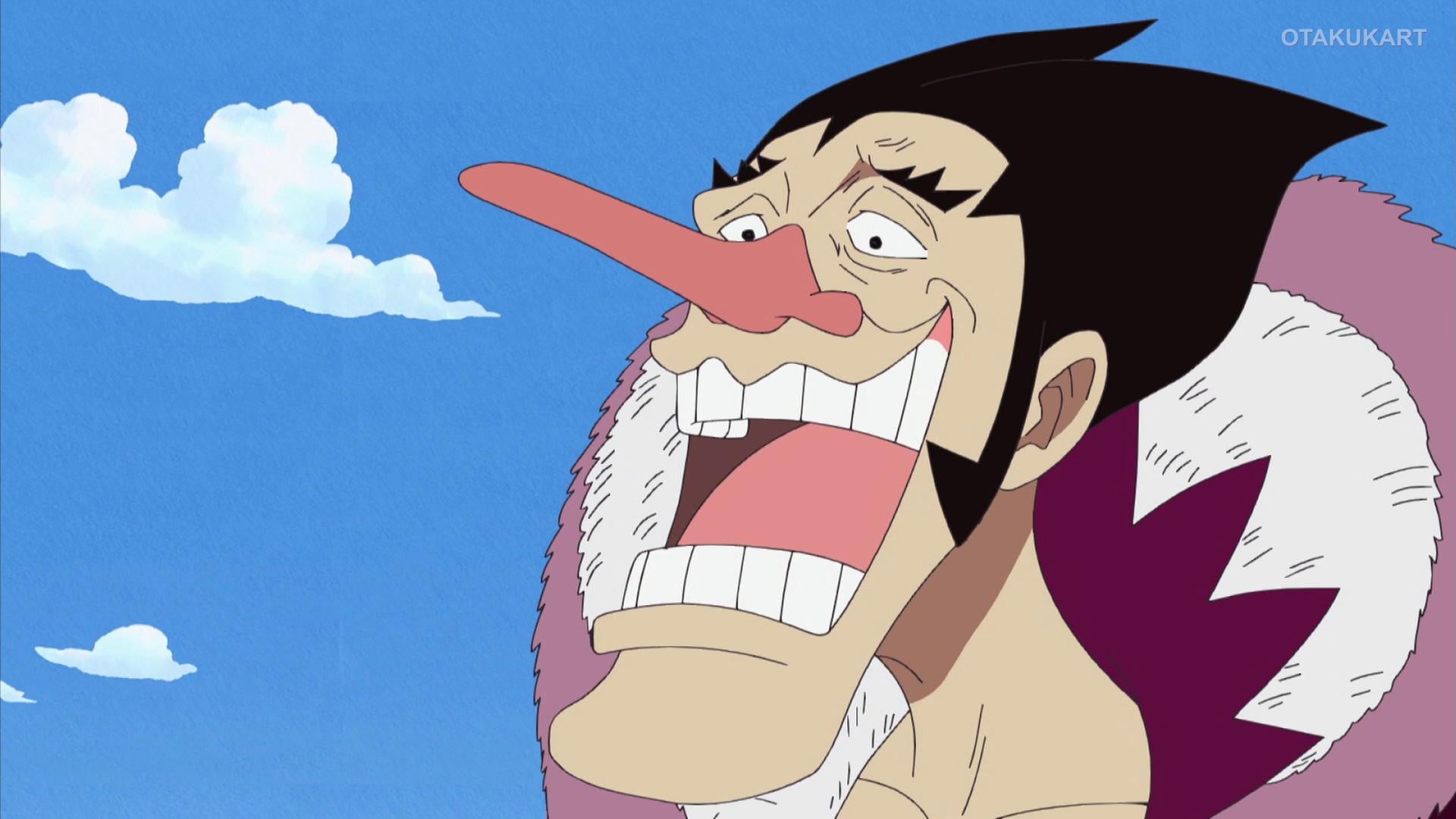
His oversized pompadour, narrow eyes, pointed nose, and constant smug grin immediately establish him as someone who cannot be trusted. Every aspect of his appearance screams overconfidence despite his obvious lack of genuine courage. Oda intentionally designed Foxy to look ridiculous, ensuring that readers would laugh at him long before Luffy defeated him.
The Slow-Slow Fruit adds another memorable element to his character by giving him a surprisingly creative ability. The contrast between such a useful power and its comical owner creates several entertaining moments throughout the Davy Back Fight arc.
His colorful outfit and dramatic hairstyle certainly make him easy to recognize, but recognition alone does not always create an iconic design. Many readers consider him memorable for the wrong reasons because his appearance emphasizes annoyance more than entertainment.
Foxy ultimately succeeds as a lighthearted obstacle before the emotional Water 7 saga begins. His design complements the playful tone of the Davy Back Fight, even if it lacks the timeless appeal of many other One Piece characters. That combination of intentional absurdity and limited depth continues to make Foxy one of the franchise’s most polarizing visual creations.
18. Enel’s God Form
Enel is widely regarded as one of One Piece’s strongest pre-timeskip villains, and his original design remains one of Eiichiro Oda’s finest creations. His calm expression, muscular build, drums mounted behind his back, and confident posture perfectly communicate the arrogance of someone who genuinely believes he is a god.
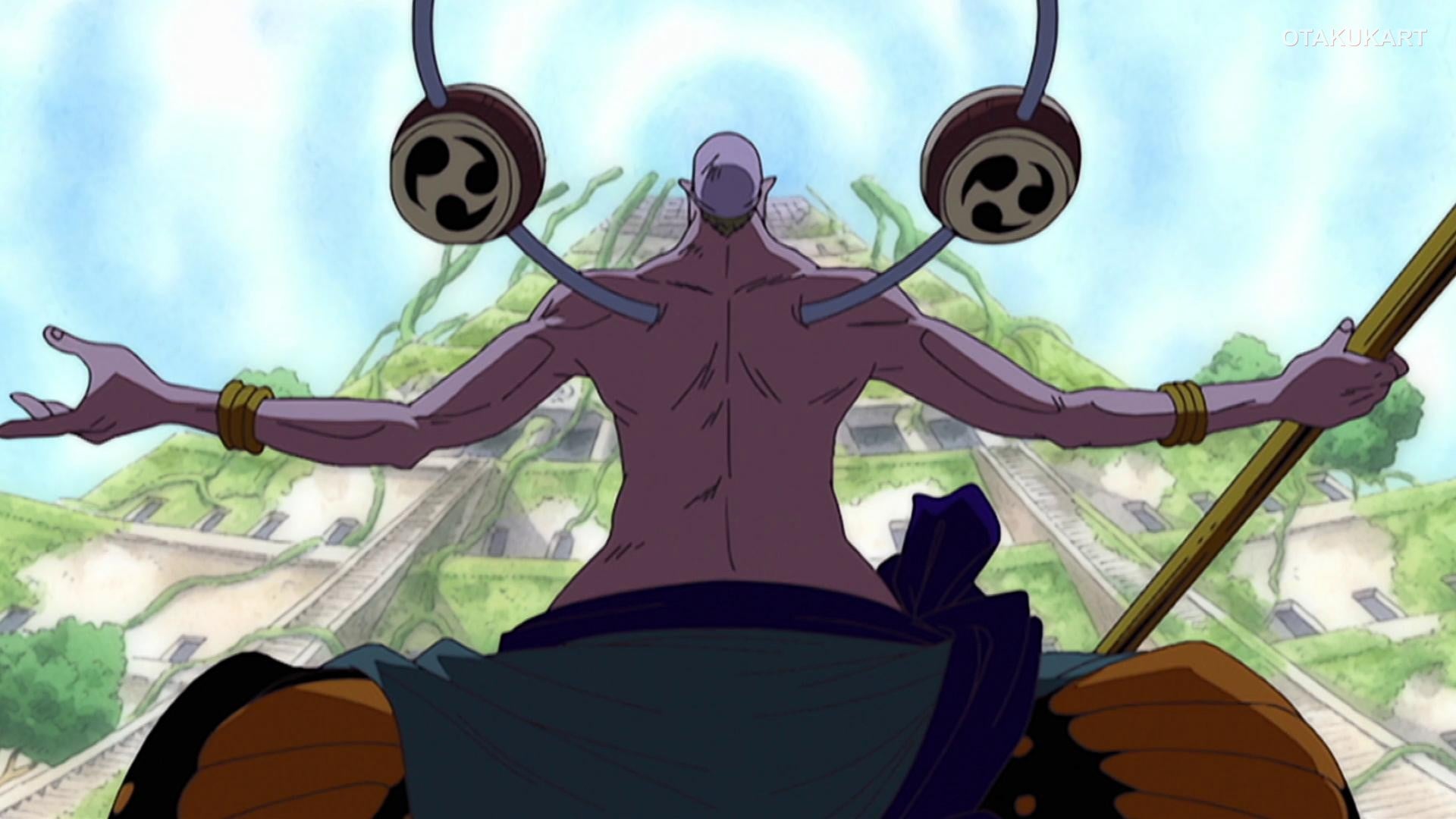
Throughout most of the story, Enel’s design relies on simplicity. His loose clothing, long earlobes, and iconic drums create an unmistakable silhouette that instantly separates him from every other antagonist. The clean visual presentation complements his lightning abilities and reinforces his effortless confidence.
During the climax, Enel dramatically alters his body using his Devil Fruit powers to assume a much larger and more monstrous form. The transformation was intended to raise the stakes of his final battle with Luffy by emphasizing the overwhelming scale of his power. Although the concept fits the narrative, many readers believe the execution sacrifices the elegance that made Enel visually appealing in the first place.
The enlarged body, distorted facial proportions, and exaggerated lightning effects create a much busier design. Instead of looking like an untouchable deity, Enel begins to resemble a massive energy construct. The transformation loses the clean silhouette that defined his earlier appearance, making the final form feel less distinctive despite its increased size.
Enel’s original appearance demonstrates that simplicity can often be more powerful than spectacle. His final form serves as a reminder that making a character larger and more elaborate does not always produce a stronger visual design.