Getting someone to watch their first anime movie is often more challenging than finding a great film. Many people who have never explored Japanese animation assume it is only for children, relies too heavily on exaggerated comedy, or requires extensive knowledge of anime culture to enjoy. Those misconceptions can make even award-winning films difficult to recommend unless you choose the right title for the right viewer.
The movies on this list were selected for more than their popularity or critical acclaim. Each one offers something that helps overcome a common hesitation among first-time viewers.
16. Princess Mononoke (1997)
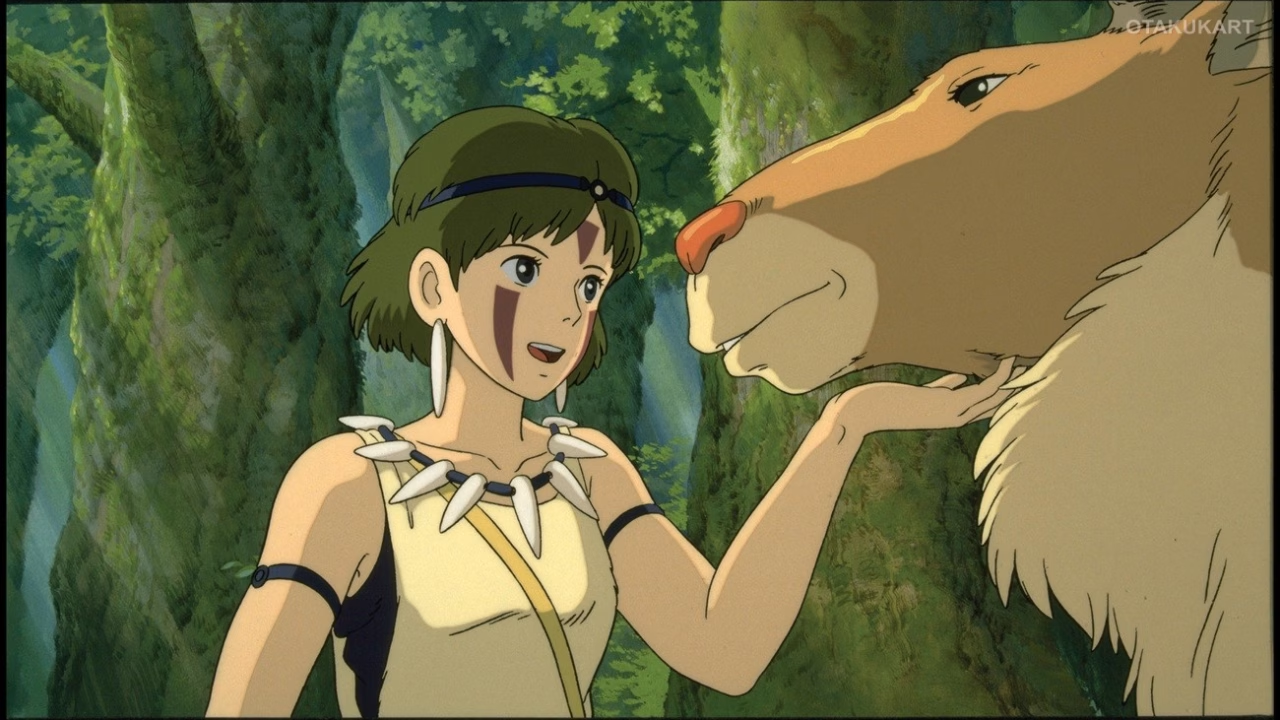
People who believe Studio Ghibli only creates gentle family films are often surprised by Princess Mononoke. Instead of delivering a simple fairy tale, director Hayao Miyazaki presents a mature fantasy epic that explores humanity’s relationship with nature through morally complex characters and large-scale conflict. Its thoughtful storytelling and breathtaking worldbuilding have helped establish it as one of the most influential fantasy films ever produced.
The story follows Ashitaka, a young prince who is cursed after defending his village from a corrupted beast. His search for a cure leads him into the middle of a violent struggle between Lady Eboshi’s industrial settlement and the powerful spirits protecting the surrounding forest. Among them is San, a young woman raised by wolves who fiercely opposes humanity’s expansion.
One of the film’s greatest strengths is its refusal to present a clear hero or villain. Every major character believes they are acting for the right reasons, creating a conflict built on difficult moral choices rather than simple good versus evil. Lady Eboshi protects society’s outcasts while destroying the forest, while San fights to preserve nature even when her methods become increasingly violent. This balanced perspective gives the story remarkable emotional and philosophical depth.
15. Akira (1988)
Long before anime became a global phenomenon, Akira demonstrated that animated films could rival Hollywood’s biggest science fiction productions in both scale and ambition. More than three decades after its release, it continues to influence filmmakers, artists, and storytellers around the world.
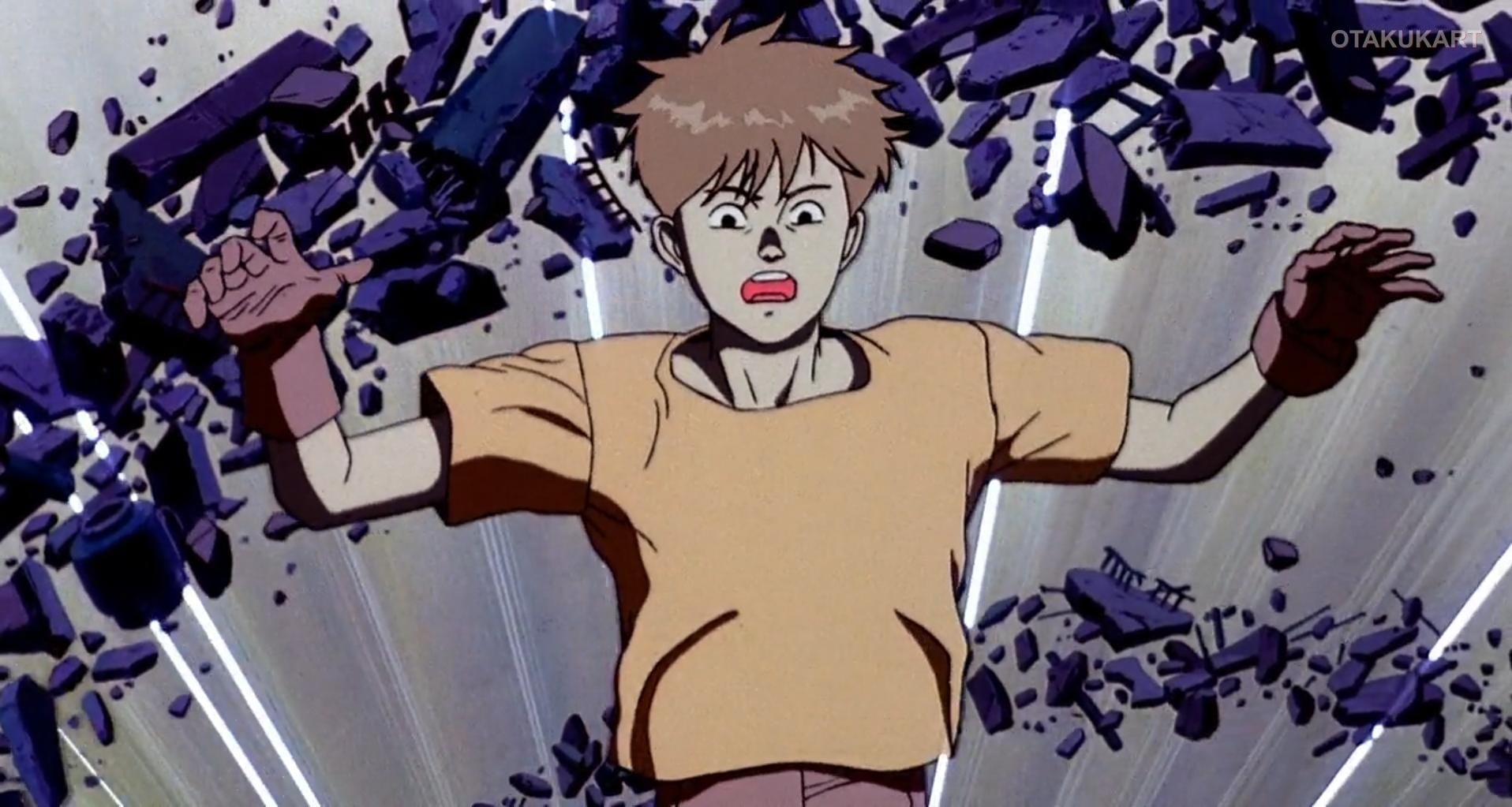
Set in the sprawling metropolis of Neo-Tokyo after a devastating explosion, the story follows teenage biker Kaneda as his best friend Tetsuo develops terrifying psychic abilities after a mysterious government experiment. As Tetsuo’s powers spiral out of control, political corruption, military intervention, and social unrest push the city toward another catastrophe.
Rather than focusing solely on explosive action, Akira explores themes of power, identity, government secrecy, and the consequences of unchecked scientific ambition. These ideas remain just as relevant today as they were in 1988, allowing the film to connect with modern audiences despite its age. Its layered storytelling rewards repeat viewings, with new details becoming apparent each time.
From a technical standpoint, Akira remains one of animation’s greatest achievements. Thousands of meticulously hand-drawn frames, fluid character movement, richly detailed backgrounds, and dynamic camera work create a visual experience that still impresses decades later. Many animation professionals continue to study the film as a benchmark for craftsmanship.
14. Ghost in the Shell (1995)
Science fiction fans who appreciate thought-provoking stories often find Ghost in the Shell to be an easy introduction to anime. Rather than relying on nonstop action or futuristic gadgets alone, the film explores questions about identity, consciousness, and what it truly means to be human. Decades after its release, it remains one of the most influential cyberpunk movies ever made and continues to shape conversations about artificial intelligence in both film and technology.
The story takes place in a future where cybernetic enhancements have become a normal part of everyday life. Major Motoko Kusanagi, an elite government operative whose body is almost entirely artificial, is assigned to track down the mysterious hacker known as the Puppet Master. What begins as a high-profile criminal investigation gradually develops into a philosophical journey that challenges Motoko’s understanding of her own existence.
One of the film’s greatest strengths is its mature approach to storytelling. Instead of providing straightforward answers, it encourages viewers to think about memory, free will, and the relationship between technology and humanity. These themes remain remarkably relevant today as artificial intelligence continues to reshape the modern world.
Visually, the movie remains extraordinary. Director Mamoru Oshii combines realistic cityscapes with atmospheric lighting, detailed mechanical designs, and cinematic camera work. Kenji Kawai’s haunting musical score further strengthens the film’s contemplative tone, giving many scenes an almost hypnotic quality.
13. 5 Centimeters Per Second (2007)
Not every memorable romance ends with a grand reunion or a happily ever after. 5 Centimeters Per Second embraces a quieter, more realistic approach by exploring how distance, time, and changing circumstances slowly reshape relationships. Directed by Makoto Shinkai before his worldwide breakthrough with Your Name, the film has earned lasting praise for its emotional honesty and relatable portrayal of growing apart.
The story unfolds across three connected chapters that follow Takaki Tono and Akari Shinohara from childhood into adulthood. Their close friendship faces repeated challenges as family moves, career ambitions, and everyday responsibilities gradually separate them. Rather than focusing on dramatic conflict, the film examines how life itself can become the greatest obstacle to maintaining meaningful connections.
What makes the movie especially effective is its understated storytelling. The emotions emerge through quiet conversations, thoughtful narration, and moments of silence that reflect the characters’ inner struggles.
Makoto Shinkai’s signature attention to detail brings every setting in the film to life, from quiet rural landscapes to glowing urban streets and snow-covered railway stations. The carefully crafted environments create a strong sense of realism while supporting the story’s emotional tone. Paired with a soft and memorable soundtrack, the animation enhances the reflective atmosphere without taking attention away from the characters and their journey.
12. In This Corner of the World (2016)
War films often focus on battles, military strategy, or historical figures, but In This Corner of the World takes a far more personal approach. Instead of placing soldiers at the center of the story, it follows the daily life of an ordinary young woman trying to build a future as Japan moves toward one of the darkest moments in its history. The result is an intimate and emotionally powerful film that offers a different perspective on the human cost of war.
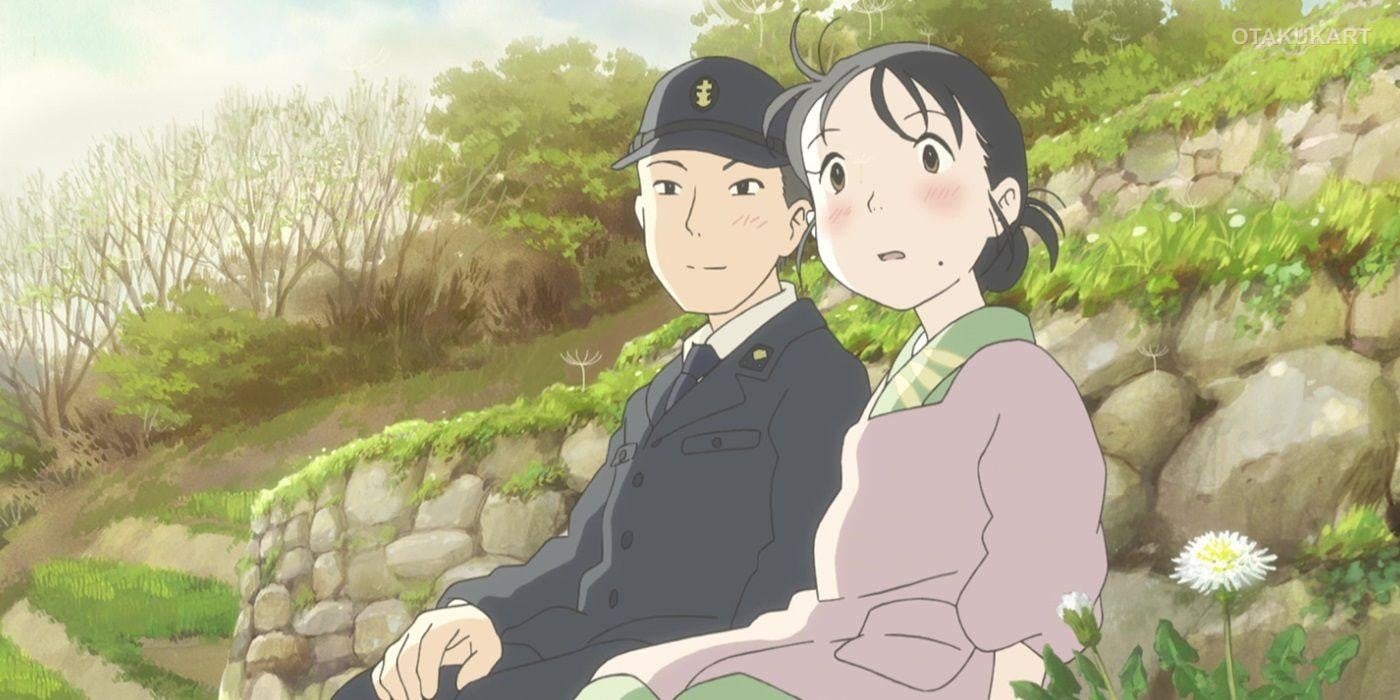
The story follows Suzu Urano, a cheerful young woman who leaves her hometown after marriage. As conflict intensifies during World War II, she continues caring for her family, managing household responsibilities, and finding moments of happiness despite increasing hardship. Everyday routines gradually become more difficult as shortages, air raids, and uncertainty reshape the lives of everyone around her.
Rather than using dramatic speeches or large-scale action sequences, the film builds its emotional impact through ordinary moments. Preparing meals, sharing conversations, and supporting loved ones become increasingly meaningful as viewers understand the fragile world these characters are trying to preserve. This quiet approach makes the final act even more heartbreaking without relying on unnecessary melodrama.
The hand-drawn animation complements the story’s gentle tone with soft watercolor-inspired visuals that reflect Suzu’s optimistic outlook. Even during its most difficult moments, the artistic style maintains a sense of warmth that highlights the resilience of ordinary people facing extraordinary circumstances.
11. The Girl Who Leapt Through Time (2006)
Time travel has inspired countless films, but few tell such a heartfelt coming-of-age story as The Girl Who Leapt Through Time. Directed by Mamoru Hosoda, the film blends science fiction with relatable teenage experiences to create a story that feels both entertaining and emotionally meaningful. Its accessible premise and universal themes make it one of the easiest anime movies to recommend to newcomers.
The story follows Makoto Konno, an energetic high school student who unexpectedly discovers she can leap backward through time. At first, she treats her newfound ability as a way to improve everyday situations, avoiding embarrassing moments, changing small decisions, and extending enjoyable experiences. As the consequences of her actions begin affecting the people around her, she gradually realizes that altering the past comes with responsibilities she never anticipated.
One of the film’s greatest strengths is its balance between humor and emotional depth. Makoto’s playful experiments with time create many lighthearted moments, but the story steadily evolves into a thoughtful reflection on friendship, growing up, and accepting that some moments cannot be changed. The emotional transition feels natural because it grows directly from the characters’ choices rather than sudden plot twists.
Mamoru Hosoda’s direction keeps the pacing engaging while allowing important emotional scenes room to breathe. Bright animation, expressive character designs, and lively music give the film an inviting atmosphere that appeals to viewers of all ages.
The appeal of The Girl Who Leapt Through Time comes from how naturally it handles its science fiction elements. The time travel concept is introduced in a clear and approachable way, allowing viewers to stay focused on the characters, their relationships, and the choices that shape the story. This balance between a simple premise and meaningful emotions has helped the film remain an easy entry point for first-time anime viewers.
10. Redline (2009)
Some movies are remembered for their emotional storytelling, while others become legendary because of their visual ambition. Redline firmly belongs in the second category. Created by Madhouse and directed by Takeshi Koike, this adrenaline-fueled racing film pushes hand-drawn animation to its absolute limit. Every frame bursts with energy, making it one of the most visually spectacular anime movies ever produced.
The story follows JP, a fearless racer known for risking everything in underground competitions. His biggest challenge arrives when he qualifies for Redline, the galaxy’s most dangerous and illegal race. Contestants compete without rules across hostile terrain while military forces, rival racers, and deadly obstacles threaten to end the competition before anyone reaches the finish line. The straightforward premise allows the film to focus entirely on delivering nonstop excitement.
Redline takes a different approach from many science fiction stories by keeping its world-building simple and placing the focus on pure excitement. Rather than spending time on detailed explanations, the film delivers a fast-paced experience built around intense races, stunning action, and unforgettable moments. Its straightforward storytelling makes it easy to enjoy, while each high-speed competition pushes the energy and spectacle to even greater levels.
The animation itself is the film’s greatest achievement. Produced over several years using traditional hand-drawn techniques, every explosion, vehicle, and character movement is packed with extraordinary detail. Bold color palettes, exaggerated designs, and dynamic camera angles create an unforgettable visual style that still feels unique years after its release.
9. Paprika (2006)
Psychological thrillers rarely become more imaginative than Paprika. Directed by the late Satoshi Kon, this visually stunning science fiction film explores the fragile boundary between dreams and reality through a story that challenges viewers from beginning to end. Its inventive storytelling and groundbreaking visuals have earned widespread recognition, with many film critics and audiences drawing comparisons between Paprika and Christopher Nolan’s Inception.
The story centers on Dr. Atsuko Chiba, a psychiatrist working with an experimental device that allows therapists to enter their patients’ dreams. Using her dream-world alter ego, Paprika, she helps people confront emotional trauma in ways traditional therapy cannot achieve. When the technology falls into dangerous hands, dreams begin spilling into reality, threatening to erase the distinction between imagination and the waking world.
Rather than presenting dreams as random fantasy sequences, the film uses surreal imagery to explore identity, memory, and the subconscious mind. Every scene contains carefully crafted visual symbolism that encourages viewers to interpret events rather than simply observe them. This layered storytelling makes Paprika especially rewarding for audiences who enjoy films that invite multiple viewings.
Satoshi Kon’s direction remains one of the movie’s defining strengths. Fluid scene transitions, imaginative dreamscapes, and constantly shifting perspectives create an experience unlike almost any other animated film. Susumu Hirasawa’s distinctive soundtrack enhances the surreal atmosphere, making even ordinary moments feel mysterious and unpredictable.
8. Millennium Actress (2001)
Cinema has often celebrated actors, directors, and the magic of filmmaking, but few movies explore those ideas as elegantly as Millennium Actress. Another masterpiece from Satoshi Kon, the film blends romance, history, and fantasy into a deeply emotional tribute to storytelling itself. Rather than following a conventional biography, it transforms one woman’s memories into an unforgettable cinematic journey that spans decades of Japanese history.
The narrative begins when two documentary filmmakers visit retired actress Chiyoko Fujiwara to record her life story. As she recalls her career, the boundaries between her memories and the films she once starred in gradually disappear. Historical events, fictional characters, and personal experiences merge into a seamless narrative where reality and performance become almost impossible to separate.
One of the film’s greatest achievements is its unique storytelling structure. Instead of presenting flashbacks in chronological order, the narrative flows naturally through Chiyoko’s memories, with the interviewers often appearing inside scenes from different periods of her life. This creative approach reflects how memory itself works, moving freely between moments connected by emotion rather than time.
Millennium Actress captures nearly a century of Japanese cinema through changing artistic styles, costumes, and settings. From samurai dramas to wartime stories and science fiction adventures, every sequence celebrates a different era while remaining connected to Chiyoko’s lifelong search for the man she once loved.
7. Ride Your Wave (2019)
Romantic dramas often focus on finding love, but Ride Your Wave explores the far more difficult challenge of learning how to move forward after losing someone you care about. Directed by Masaaki Yuasa, the film combines a gentle supernatural premise with an emotionally grounded story about grief, healing, and personal growth. Its heartfelt approach has made it one of the most underrated anime films of recent years.
The story follows Hinako Mukaimizu, a university student whose carefree life changes after she falls in love with Minato, a dedicated firefighter. Their relationship develops naturally through everyday moments, making their connection feel genuine rather than idealized. Following a tragic accident, Hinako discovers she can still communicate with Minato whenever water is nearby. This unusual phenomenon becomes both a source of comfort and a reminder that she cannot remain trapped in the past forever.
Instead of relying on melodrama, the film presents grief as a gradual emotional journey. Hinako’s struggles feel authentic because the story acknowledges that healing does not happen overnight. Her conversations with Minato encourage her to rediscover confidence, independence, and purpose while accepting that some goodbyes cannot be avoided.
Masaaki Yuasa’s distinctive animation style adds warmth and personality throughout the film. Fluid movement, expressive character designs, and beautifully animated water sequences reinforce the emotional themes without distracting from the story itself. The soundtrack further strengthens the atmosphere, especially during several memorable musical moments that become closely tied to the characters’ relationship.
6. Summer Wars (2009)
Long before artificial intelligence and digital security became everyday topics, Summer Wars imagined a world where people’s lives depended on a massive online network connecting everything from financial systems to public infrastructure. Directed by Mamoru Hosoda, the film combines science fiction, family drama, comedy, and high-stakes suspense into a story that feels even more relevant today than when it first premiered.
The story follows Kenji Koiso, a gifted high school mathematics student who unexpectedly joins his classmate Natsuki on a trip to her family’s countryside home. What begins as an awkward family gathering quickly turns into a global crisis after a powerful artificial intelligence hacks OZ, a virtual platform that controls countless aspects of daily life. As communication systems collapse and governments struggle to respond, Kenji and Natsuki’s extended family work together to stop a disaster that threatens millions of people.
One of the film’s greatest strengths is the way it balances large-scale action with intimate family relationships. Every member of Natsuki’s family contributes something meaningful to the unfolding crisis, creating an ensemble cast that feels authentic and memorable. The emotional connections between generations become just as important as the technological conflict itself.
Visually, Summer Wars offers a striking contrast between traditional rural Japan and the vibrant digital world of OZ. Bright colors, imaginative virtual environments, and fluid animation make every action sequence exciting while maintaining a warm and welcoming atmosphere. The soundtrack further enhances both the emotional and suspenseful moments throughout the story.
5. Wolf Children (2012)
Parenthood has inspired countless memorable films, but few capture its joys and sacrifices as beautifully as Wolf Children. Directed by Mamoru Hosoda, this heartfelt drama uses a gentle fantasy premise to tell an emotionally authentic story about raising children, accepting change, and learning to let go. 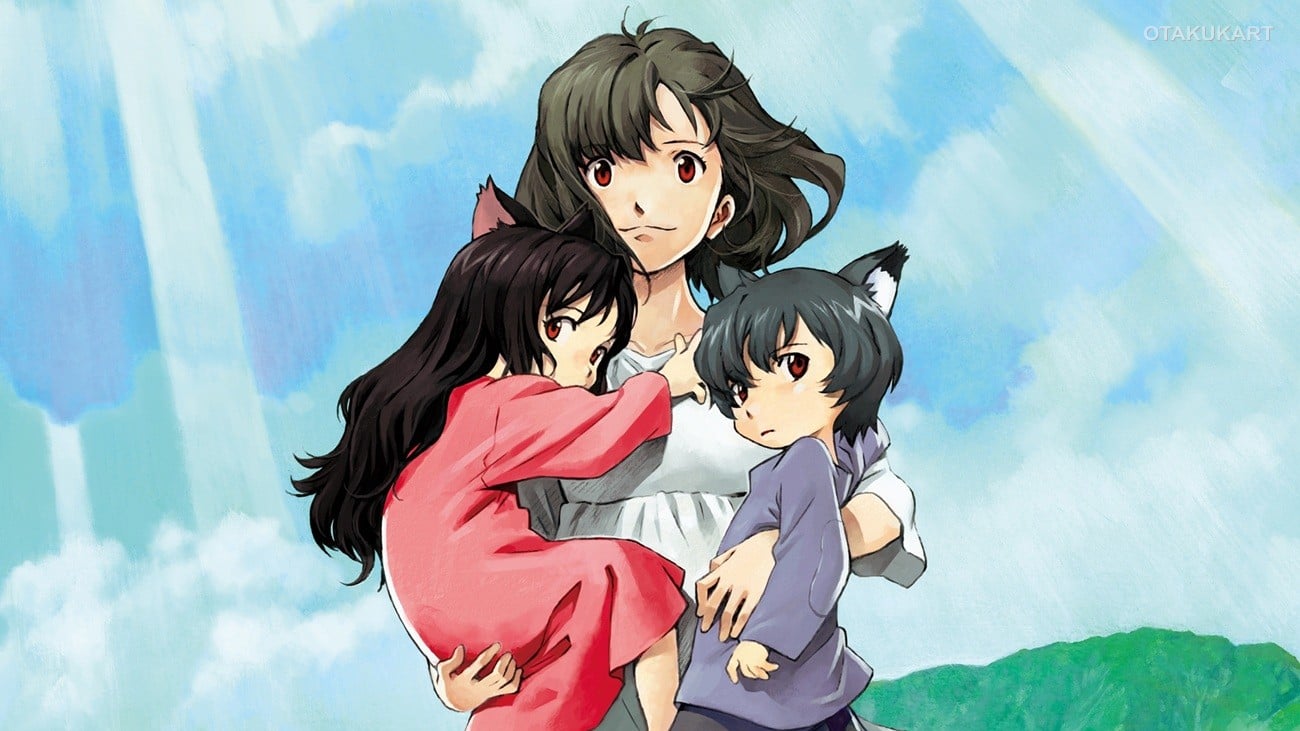
Wolf Children (Image via Studio Chizu)The story follows Hana, a university student who falls in love with a man capable of transforming into a wolf. After his unexpected death, she is left to raise their two young children alone while protecting the secret of their unusual heritage. Seeking a quieter life away from the city, Hana moves to the countryside, where she devotes herself to giving her children the freedom to choose the lives they truly want.
Rather than focusing on fantasy adventure, the film explores the realities of single parenthood with remarkable honesty. Hana faces financial hardship, isolation, self-doubt, and the constant responsibility of supporting two children with very different personalities. Her journey reflects the resilience and unconditional love that define many parents, regardless of the story’s magical elements.
The countryside setting plays an important role throughout the narrative. Beautiful environment, changing seasons, and peaceful rural life provide a calming backdrop while symbolizing the children’s growth and independence. Hosoda’s elegant direction allows quiet everyday moments to carry just as much emotional weight as the film’s dramatic scenes.
The animation is warm, expressive, and filled with natural beauty, while Masakatsu Takagi’s gentle musical score enhances the story’s emotional impact without becoming overwhelming. Every element works together to create an atmosphere of comfort, hope, and reflection.
4. A Silent Voice (2016)
Stories about bullying are common, but very few explore its long-term consequences with the honesty and emotional maturity found in A Silent Voice. Produced by Kyoto Animation and directed by Naoko Yamada, the film examines guilt, forgiveness, disability, and mental health through deeply human characters whose struggles feel painfully real.
The story begins with Shoya Ishida, a former elementary school bully who spent years tormenting his deaf classmate, Shoko Nishimiya. After becoming isolated himself, Shoya is overwhelmed by regret and decides to reconnect with Shoko in the hope of making amends. What follows is not a simple redemption story but a thoughtful exploration of accountability, healing, and learning to forgive both others and yourself.
One of the film’s greatest strengths is its balanced portrayal of every character. No one is presented as entirely innocent or completely beyond redemption. Instead, the story examines how childhood mistakes, social pressure, and emotional isolation shape people’s decisions as they grow older. This nuanced approach gives the narrative remarkable emotional depth.
Kyoto Animation delivers breathtaking visuals throughout the film. Delicate character animation, expressive facial expressions, and beautifully composed scenes communicate emotions that often remain unspoken. Kensuke Ushio’s understated musical score further enhances the intimate atmosphere without overwhelming the story.
The film also deserves recognition for its respectful depiction of disability and mental health. Rather than treating these subjects as plot devices, it portrays them with empathy and authenticity, encouraging meaningful conversations about communication, loneliness, and acceptance.
3. Your Name (2016)
Few anime films have reached a global audience as successfully as Your Name. Directed by Makoto Shinkai, the romantic fantasy became an international phenomenon by combining breathtaking animation with an emotionally engaging story that appeals equally to longtime anime fans and complete newcomers. Its universal themes and accessible narrative have made it one of the most recommended gateway films for anyone interested in exploring Japanese animation.
The story follows Mitsuha Miyamizu, a high school girl living in a quiet rural town, and Taki Tachibana, a student navigating the fast-paced life of Tokyo. Their ordinary routines are disrupted when they mysteriously begin switching bodies without explanation. As they adapt to each other’s lives through handwritten notes and shared experiences, an unexpected emotional bond begins to develop. What starts as a charming body-swap comedy gradually transforms into a much deeper story about destiny, memory, and human connection.
One of the film’s greatest achievements is its ability to balance humor, romance, mystery, and emotional drama without feeling uneven. Each genre naturally supports the next, creating a narrative that remains engaging from beginning to end. The carefully structured story also rewards viewers with several memorable twists that strengthen its emotional impact.
Makoto Shinkai’s visual direction remains among the finest in modern animation. Detailed cityscapes, breathtaking rural environments, dramatic skies, and vibrant lighting create a cinematic experience that rivals many live-action productions. Combined with RADWIMPS’ acclaimed soundtrack, the film delivers unforgettable emotional moments that continue to resonate long after the credits roll.
2. Grave of the Fireflies (1988)
War movies often focus on battles, military strategy, and acts of heroism, but Grave of the Fireflies tells a far more intimate story. Directed by Isao Takahata and produced by Studio Ghibli, the film shifts the spotlight away from soldiers and places it on two ordinary children trying to survive during the final months of World War II. The result is one of the most emotionally devastating films ever made, regardless of whether it is animated or live action.
The story follows teenage Seita and his younger sister Setsuko after they lose their home during the bombing of Kobe. Forced to fend for themselves as food becomes scarce and society begins to collapse, the siblings struggle to maintain hope despite overwhelming hardship. Their relationship forms the emotional heart of the film, with every small act of kindness carrying enormous significance as their circumstances become increasingly desperate.
War serves as the backdrop in Grave of the Fireflies, but the story remains focused on its personal consequences rather than military conflict. Through the experiences of two siblings, the film explores loss, starvation, displacement, and the struggle to survive with quiet honesty. This restrained style allows the emotional weight to build naturally, making its heartbreaking moments feel genuine and unforgettable.
Studio Ghibli’s hand-drawn animation contrasts beautifully with the harshness of the story. Warm colors, peaceful countryside environments, and delicate character expressions create a sense of innocence that gradually fades as the war takes its toll. Michio Mamiya’s haunting musical score adds another layer of emotional depth without overwhelming the narrative.
1. Perfect Blue (1997)
Psychological thrillers rarely leave an impression as lasting as Perfect Blue. Directed by the legendary Satoshi Kon, the film explores fame, identity, obsession, and mental instability through a gripping narrative that continues to influence filmmakers around the world. More than two decades after its release, it remains one of the most respected psychological anime films ever produced and is often recommended to viewers who normally prefer live-action suspense.
The story follows Mima Kirigoe, a successful pop idol who decides to leave the music industry behind in pursuit of an acting career. Her transition attracts unwanted attention from an obsessive stalker while the increasingly demanding roles she accepts begin to blur the line between reality and performance. As disturbing incidents escalate around her, Mima starts questioning her own memories, perceptions, and even her identity.
One of the film’s greatest strengths is its carefully constructed storytelling. Rather than relying on cheap jump scares or graphic violence alone, Perfect Blue creates tension through uncertainty. Viewers experience events from Mima’s perspective, making it increasingly difficult to separate reality from hallucination. This psychological approach keeps audiences engaged while rewarding careful attention to every scene.
Satoshi Kon’s direction remains exceptional throughout the film. Seamless transitions between television sets, film productions, dreams, and reality create an unsettling atmosphere that continually challenges expectations. The grounded visual style enhances the realism, allowing the psychological horror to feel disturbingly believable instead of exaggerated.
The film’s influence extends well beyond anime. Directors and film scholars have frequently noted its impact on modern psychological thrillers, with many drawing comparisons to acclaimed Hollywood productions such as Black Swan. Critics continue to praise its intelligent narrative, mature themes, and innovative direction, while audiences regularly rank it among the greatest animated thrillers ever made.