From One Piece and Naruto to Bleach, some anime arcs stand out for their memorable battles, strong character development, emotional moments, compelling villains, and satisfying endings. These stories manage to make their biggest moments feel meaningful rather than simply spectacular. Their impact often comes from how well the action works alongside the characters and their personal struggles.
A truly great arc needs more than exciting fights. The strongest stories give their battles real purpose, push characters to grow, raise the stakes, and bring important storylines together in ways that feel earned. Even smaller moments can become memorable when they add something meaningful to the characters or the larger story.
One Piece, Naruto, and Bleach each have their own approach to long-form storytelling, but all three have produced arcs with lasting impact. Their best stories balance action with character growth, emotional stakes, world-building, memorable antagonists, and meaningful consequences. These elements come together to create arcs that remain enjoyable long after the battles are over.
14. The Lost Substitute Shinigami Arc Turns Ichigo’s Identity Into the Conflict
After giving up his Soul Reaper powers to defeat Aizen, Ichigo has to adjust to life without the abilities that once defined him. The Lost Substitute Shinigami Arc, also known as the Fullbring Arc, explores this quieter side of his life as he struggles to return to being an ordinary teenager. For the protagonist, losing his powers proves much harder than he expected.
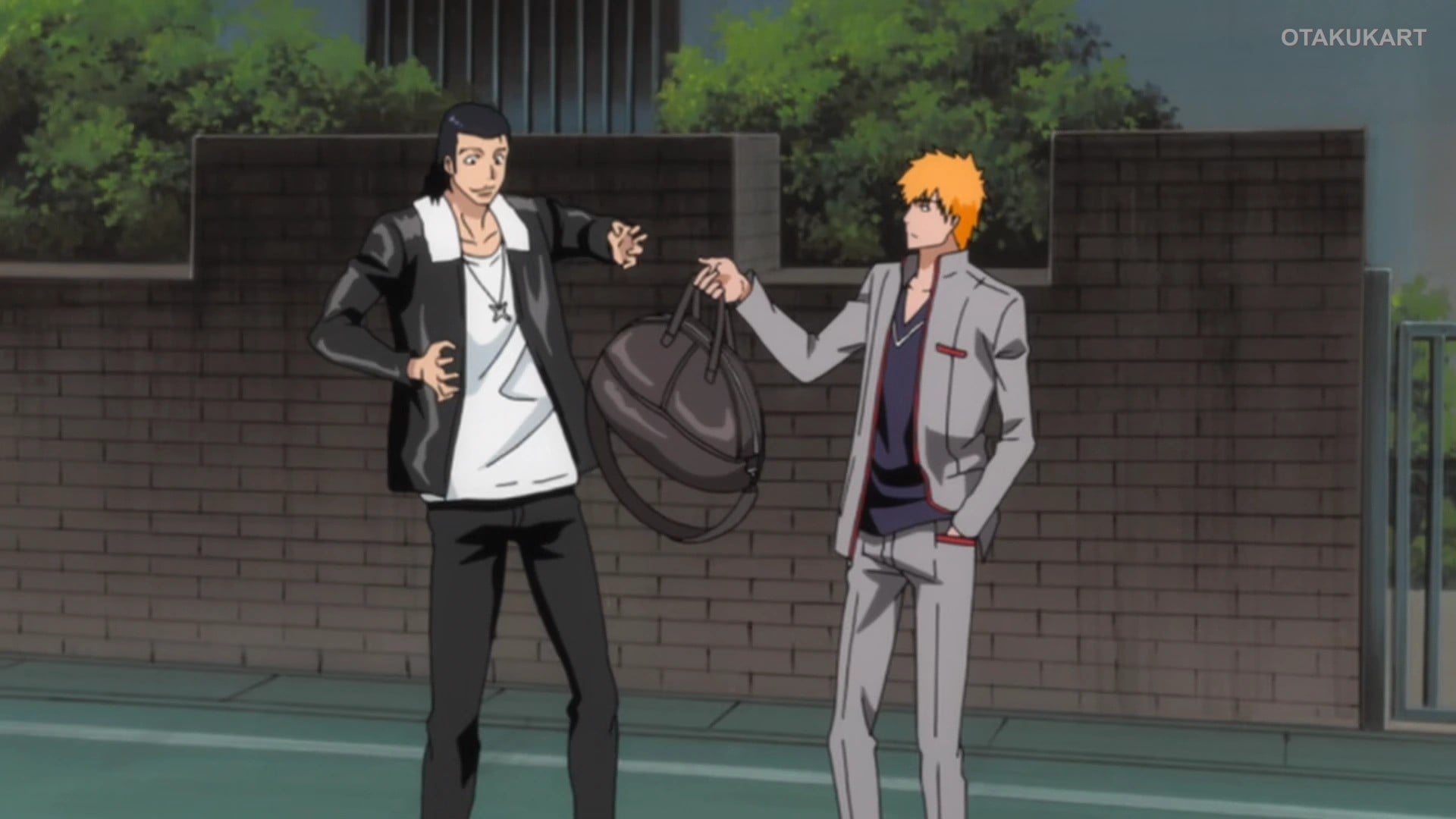
His loss gives the narrative a quieter and more personal direction. Rather than rushing into another massive battle, the arc spends time showing how much Ichigo misses his old role. He wants his powers back because protecting people has become an important part of who he is.
Kūgo Ginjō and the members of Xcution see an opportunity in that uncertainty. They introduce Ichigo to Fullbring, an ability that lets its users manipulate the souls within objects. The chance to regain his powers gives Ichigo a reason to trust them, even though he does not fully understand their motives.
Things take a darker turn when Ichigo learns that his Substitute Soul Reaper badge has a purpose he never knew about. The discovery makes him question the people and organization he once trusted. His confidence begins to fall apart as he realizes that he may not have known the full truth about his powers.
The conflict is therefore about more than getting stronger. He has to deal with doubt, betrayal, and the fear of losing control over his own life. His struggle becomes as personal as any battle he has faced before.
The real challenge is learning who he can trust and what kind of person he wants to become. His powers have always been closely tied to his sense of purpose, making their loss deeply personal. The Lost Substitute Shinigami Arc explores that connection while giving his journey a more intimate direction.
13. Sabaody Archipelago Shows How Quickly One Piece Can Change the Rules
The journey initially feels like another colorful stop for the Straw Hats. Strange islands, giant mangroves, pirates, bounty hunters, and the presence of the World Nobles give the place a very different experience from the seas they have already explored. For a while, the crew appears to have found another exciting destination on their way to the New World.
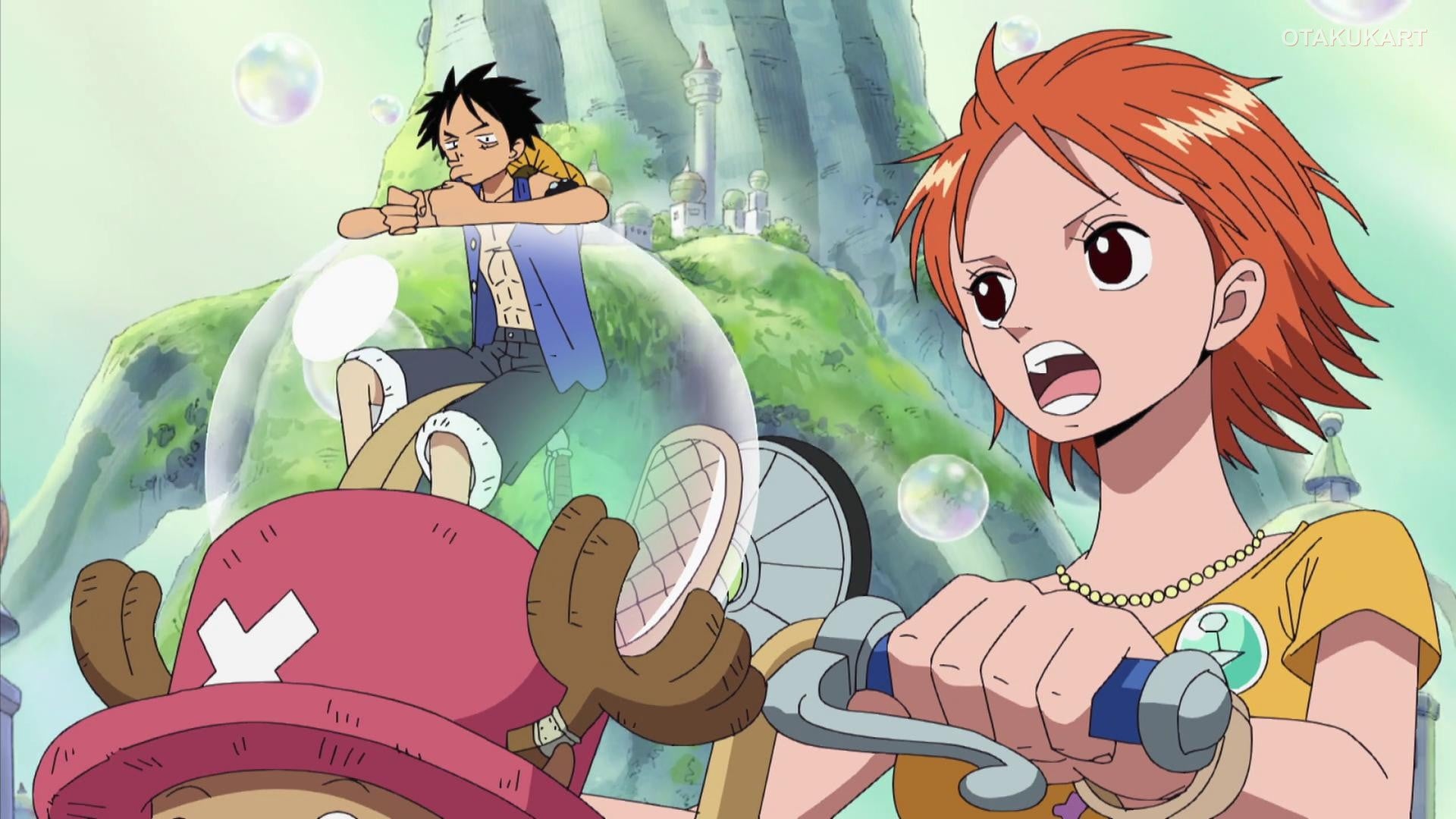
Beneath that colorful setting lies a much darker side of the world. The arrival of the Celestial Dragons reveals the extreme inequality surrounding them, while the Marines and Pacifistas quickly turn the island into a dangerous place. The Supernovas also remind Luffy that many other ambitious pirates are moving toward the same future.
Everything changes when the crew faces enemies far beyond their current strength. Admiral Kizaru’s arrival makes the difference in power impossible to ignore. Even with their teamwork and determination, the crew cannot fight their way out.
The Straw Hats are suddenly scattered across the world, leaving the crew completely separated. After spending so much time growing stronger and closer together, the sudden loss hits Luffy and his friends especially hard. None of them are prepared for how helpless they will feel without the others beside them.
The experience forces Luffy to recognize a difficult truth. He cannot protect everyone, and the crew is not yet strong enough to handle every threat standing in their way. Their journey toward the New World will require more than ambition.
Sabaody changes how the Straw Hats see the world around them. What begins as a colorful adventure ends with the crew confronting the limits of their own strength. They are left with a harsh reminder of the dangers waiting beyond the Grand Line.
12. Kazekage Rescue Gives Shippuden an Emotional Mission From the Start
Gaara is no longer the lonely child Naruto once knew. As the Kazekage, he has earned the trust of his village and taken on the responsibility of protecting it. His capture by the Akatsuki becomes even more painful because Naruto can see so much of his own childhood in Gaara.
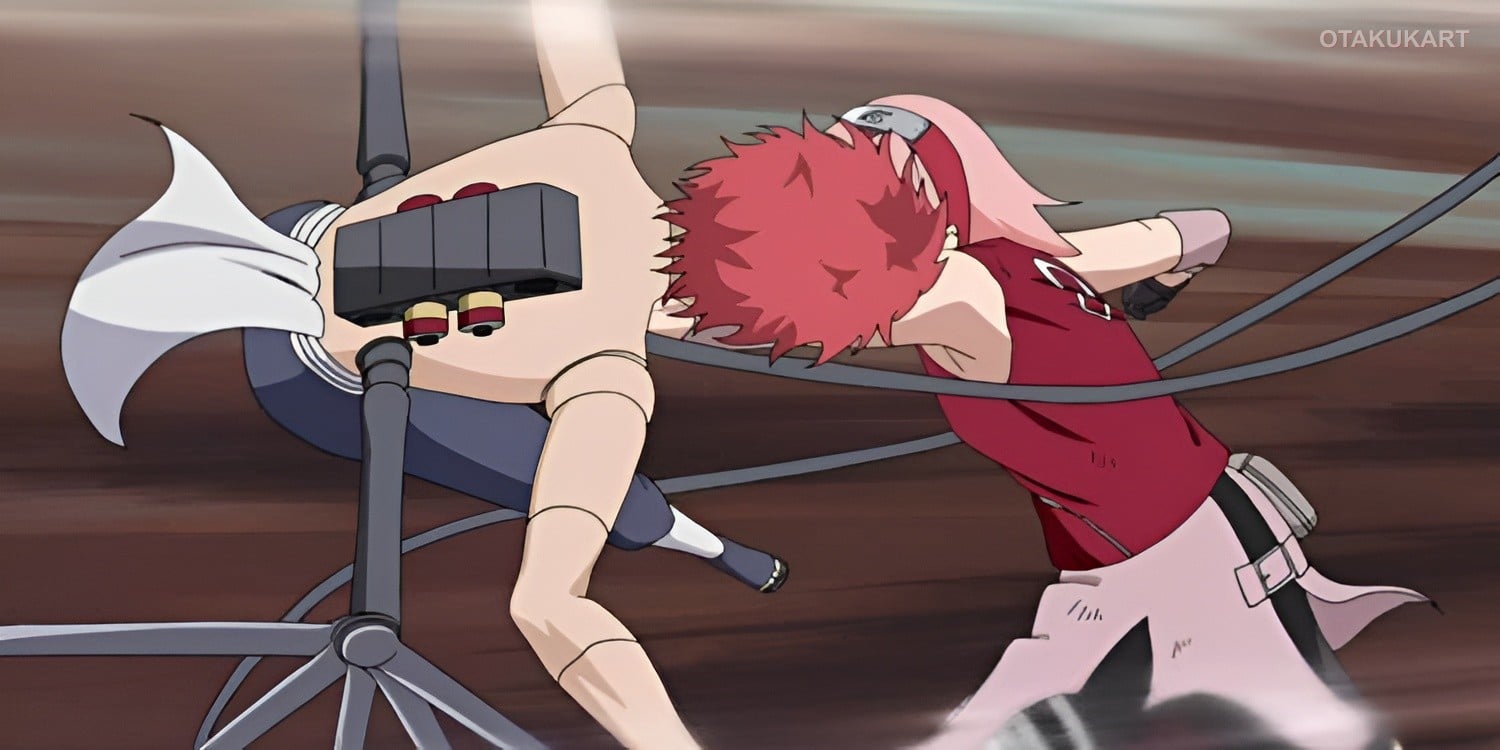
For Naruto, bringing Gaara home is more than another mission. He understands what it means to grow up alone, while the Sand Village now depends on Gaara as its leader. That connection gives the rescue a personal meaning from the beginning.
Sakura also gets an opportunity to show how far she has come since her early days as a ninja. Her fight against Sasori alongside Chiyo tests her strength, medical knowledge, and ability to stay calm under pressure. Chiyo’s history with Sasori adds another emotional layer to the battle.
Sasori is not the only danger facing the rescuers. The other Akatsuki members show just how dangerous the organization has become. As the mission grows more difficult, Naruto becomes even more determined to save Gaara. He refuses to give up, even as the odds continue to turn against him.
The arc brings several important parts of Naruto Shippuden together through one rescue mission. Gaara’s growth, Naruto’s empathy, and Sakura’s development all receive meaningful attention. At the same time, the Akatsuki emerge as an increasingly major threat.
11. Turn Back the Pendulum Gives Bleach’s Present a Necessary Past
Flashback arcs often exist to fill in missing details, but Turn Back the Pendulum uses the past to answer long-standing questions in Bleach. The story returns to a time when several familiar characters were living different lives. Their past experiences reveal important details about the events that shaped the present.
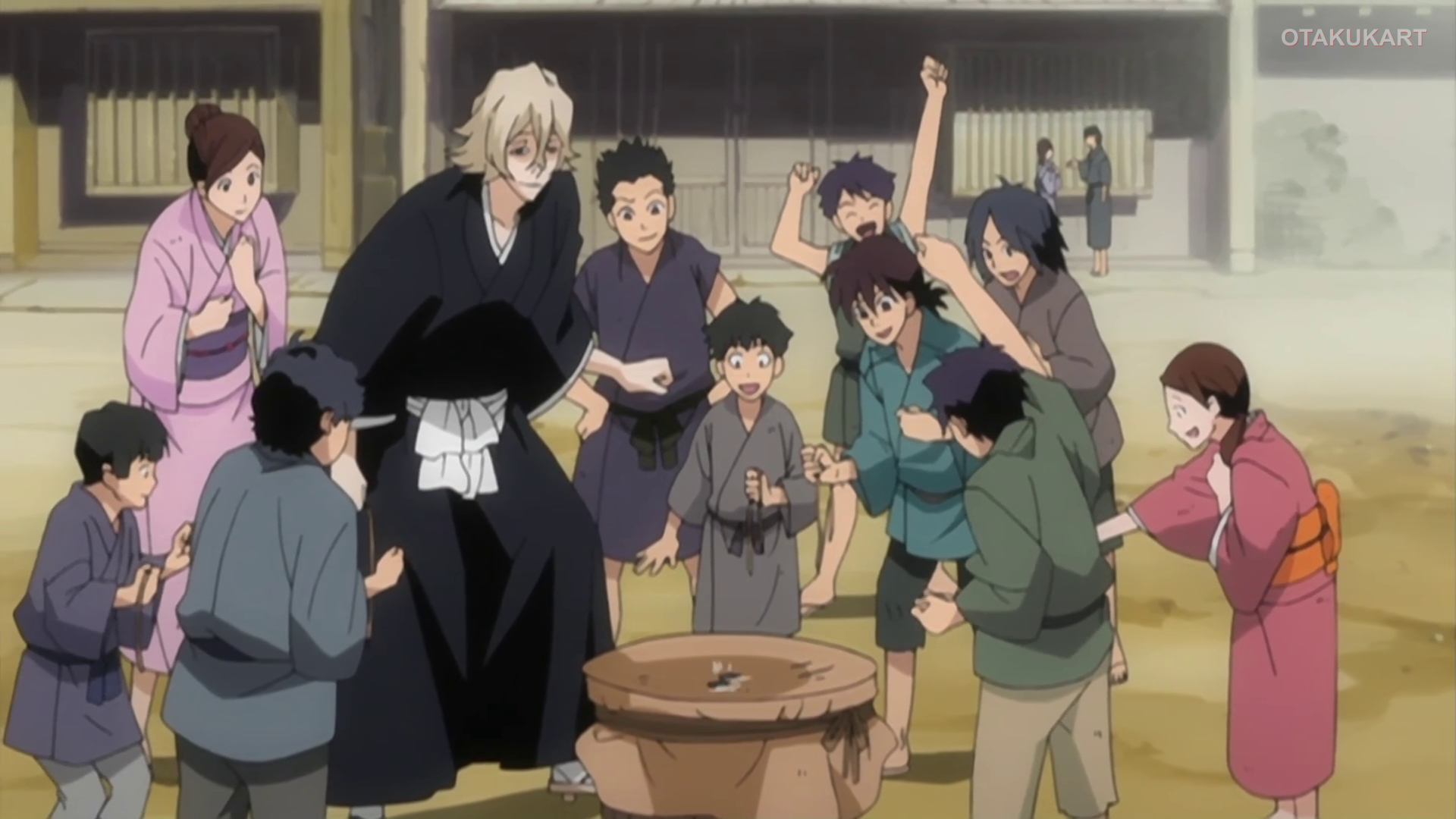
Years earlier, Kisuke Urahara is still a captain in Soul Society, while Yoruichi Shihōin holds an important position of her own. The future Visored are also serving as Soul Reapers, and Aizen has not yet revealed the betrayal that will change their lives.
At first, the strange events surrounding the Soul Reapers raise more questions than answers. Why are several characters suddenly changing? What is causing their transformation? As the mystery develops, Urahara and the others begin to realize that someone is working behind the scenes.
Piece by piece, the truth comes into focus. The flashback reveals Aizen’s role in the experiments and shows how his actions lead to the creation of the Visored. What once seemed like separate events in the present suddenly become part of the same hidden scheme.
The narrative does not need a long series of battles to keep things interesting. Its main purpose is to uncover the history behind characters and conflicts that viewers already know. Each new detail adds another piece to the larger Bleach story.
10. Water 7 Turns the Straw Hats’ Family Dynamic Against Itself
Few One Piece arcs highlight Straw Hats’ relationships as closely as Water 7. The crew arrives hoping to repair the Going Merry and find a new shipwright, but those goals soon lead to deeper problems. What begins as a practical decision becomes a test of how much the crew is willing to sacrifice for one another.
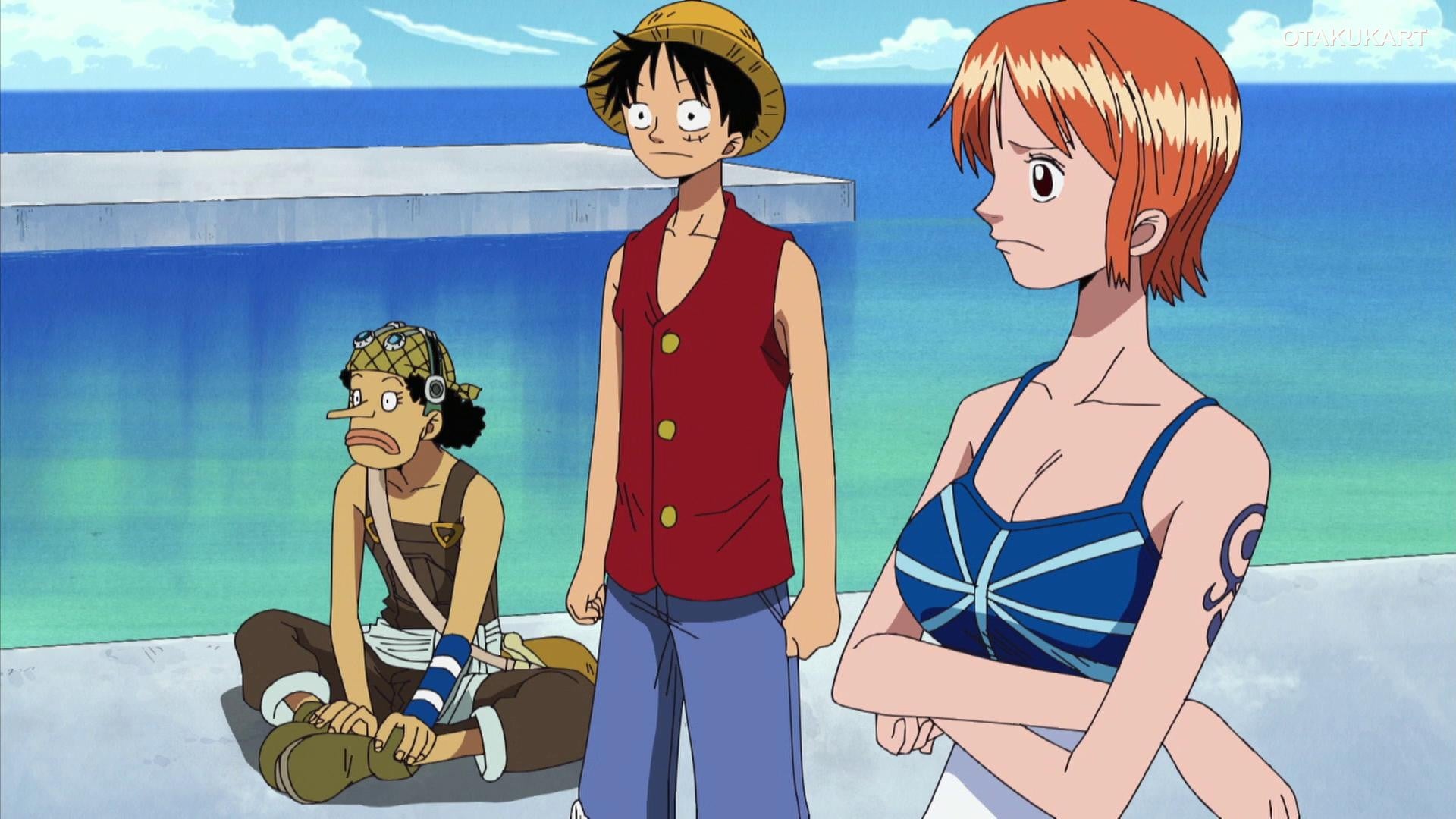
The Going Merry is badly damaged, and Luffy has to accept that the ship may not be able to continue with them. Usopp cannot accept that decision. To him, the Merry is more than a vessel, and replacing it appears like abandoning a friend. At the same time, Robin disappears, giving the crew another problem they cannot ignore.
Franky and his family add another layer to the trouble. Their conflict with the Straw Hats draws attention to the city’s connection with the World Government. When CP9’s true identities are revealed, the search for Robin becomes far more dangerous than anyone expected.
Luffy and Usopp eventually reach a breaking point. Their argument is painful because both characters care deeply about the crew, yet they see the Merry’s future in completely different ways. The fight forces Usopp to question his place among the Straw Hats and Luffy to face the responsibility of leading them.
Water 7 adds plenty of character to the story. Its canals, shipyards, sea train, and busy streets create a setting unlike the islands the Straw Hats have visited before. Every part of the city seems to bring a new character, conflict, or mystery into their path. As the crew explores the area, each discovery leads them closer to another problem.
9. The Chunin Exams Balance Competition, Character Growth, and Danger
The competition begins as a test for young shinobi, featuring written exams, survival challenges, and one-on-one matches. At first, it seems like an opportunity for the characters to prove their skills and advance as ninja. As the tests continue, the danger surrounding them becomes harder to ignore.
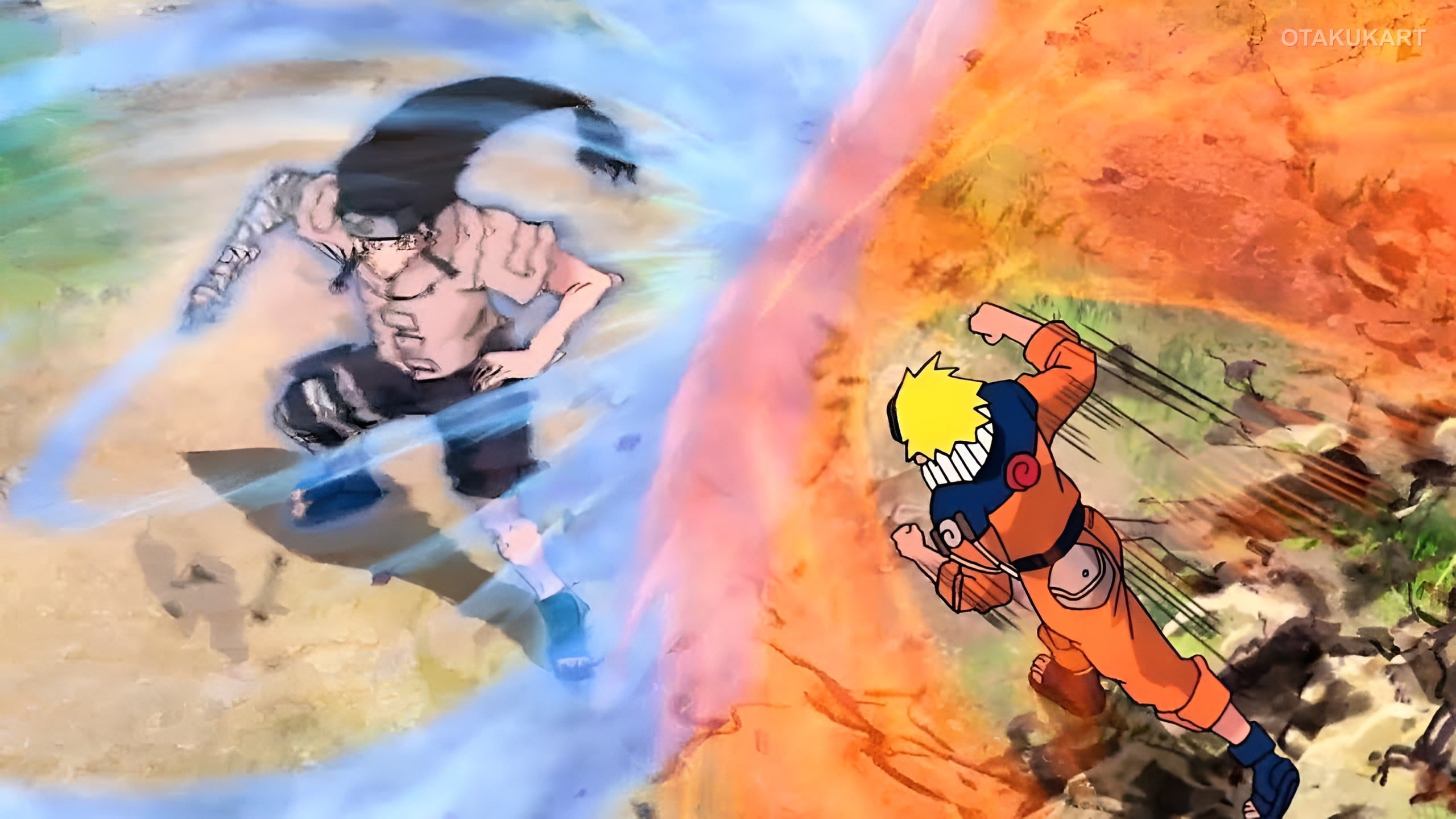
The Forest of Death changes the tone of the story. Orochimaru appears as a serious threat, Sasuke receives the Curse Mark, and Naruto faces opponents who push him beyond his comfort zone. Neji also presents Naruto with a different kind of challenge by arguing that people cannot escape the fate they are born into.
The battles give those ideas a physical form. Naruto’s fight with Neji becomes a clash between two beliefs about destiny. Sasuke’s battle with Gaara exposes the limits of his confidence. Rock Lee’s struggle against Gaara shows just how much determination can matter when talent alone is not enough.
Each match reveals something about the person fighting. A competitor’s beliefs, fears, goals, and weaknesses often matter just as much as their ninja techniques. That keeps the battles from feeling like simple contests where one character only needs to defeat another.
Then the exam itself stops being the main concern. Orochimaru’s plans lead to an attack on Konoha, turning a competition between young shinobi into a serious threat to the village. The change raises the stakes and shows that the characters’ training is connected to a much larger world.
The competition gradually turns into a serious crisis without losing sight of character growth. Each major battle gives the young shinobi a chance to prove how much they have developed. Their struggles also reveal new strengths, fears, and weaknesses. Meanwhile, the growing danger raises the stakes with every stage of the conflict.
8. The Sasuke Retrieval Arc Makes Friendship a Matter of Consequence
Sasuke’s decision to leave Konoha turns the rescue mission into something deeply personal for Naruto. He follows because he cannot accept losing a friend, while Sasuke believes that leaving his old bonds behind is the only way to gain the power he needs. From there, Shikamaru leads a small team of young shinobi who are suddenly faced with a responsibility far greater than a normal mission.
One by one, Choji, Neji, Kiba, and Akamaru face opponents who push them to their limits. Each battle shows how much they have changed since the beginning of the series. Choji accepts a cost to keep fighting, while Neji is forced to confront things about himself that he once considered unchangeable.
The mission becomes harder with every opponent the team encounters. Their injuries begin to pile up, and the possibility of reaching Sasuke seems more distant. Naruto keeps moving forward because giving up on Sasuke would mean accepting that their friendship no longer matters.
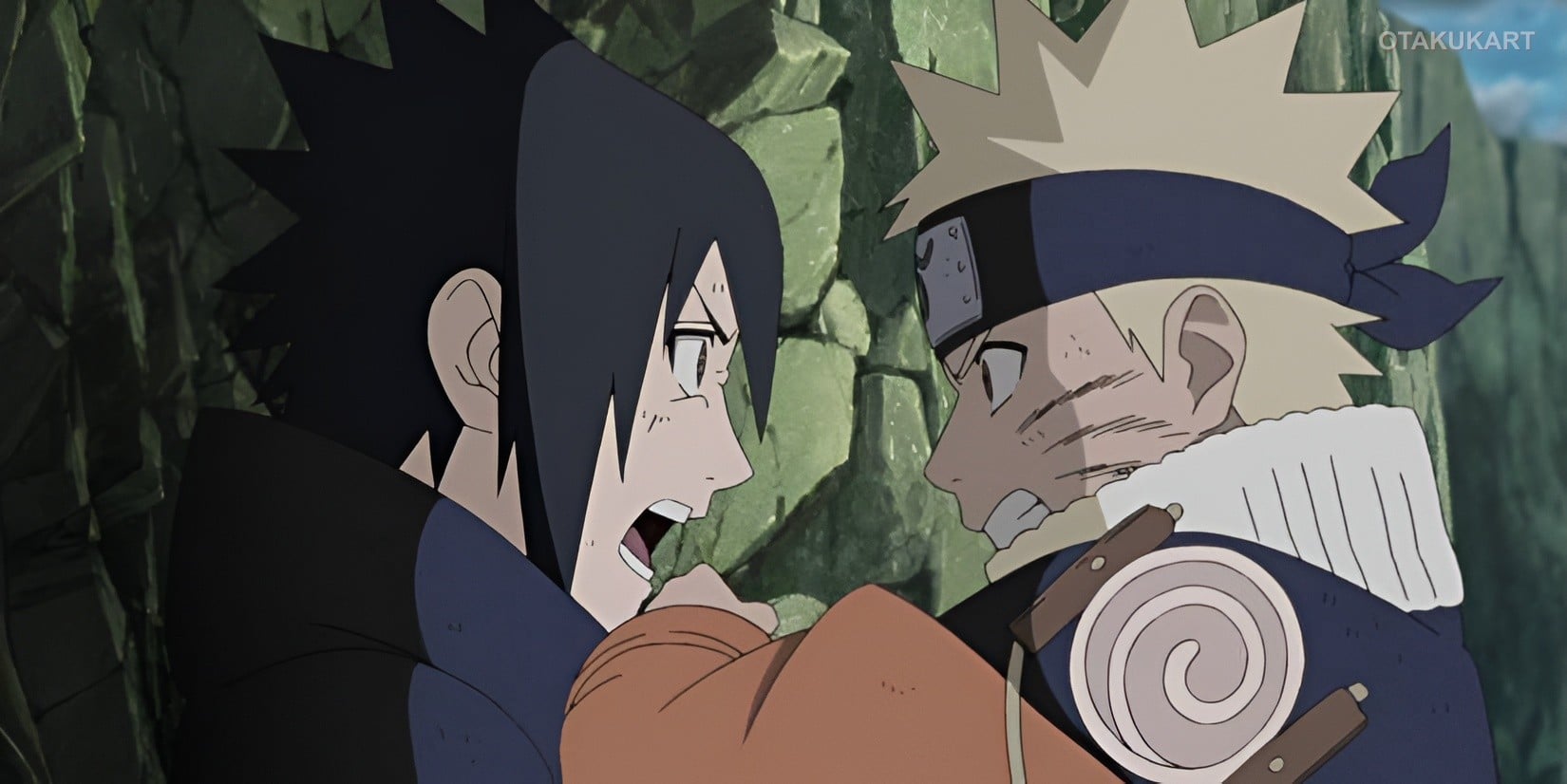
Eventually, the pursuit reaches the Final Valley. Naruto wants to bring Sasuke back and protect their bond, while Sasuke believes that cutting himself off from others will make him stronger. Their fight becomes a clash between two different ideas about friendship, strength, and the path they want to follow.
Naruto does not succeed in bringing Sasuke home. The failure gives the ending a more emotional impact because determination alone cannot force someone to change. Their friendship survives, but the conflict between them becomes one of the central relationships in the story.
7. The Soul Society Arc Gives Bleach Its Defining Conflict
The Soul Society Arc is where Bleach grows into a much bigger world. Ichigo enters Soul Society to rescue Rukia, but the place itself quickly becomes just as interesting as the mission. He finds a society shaped by strict rules, old traditions, rivalries, and different ideas about justice.
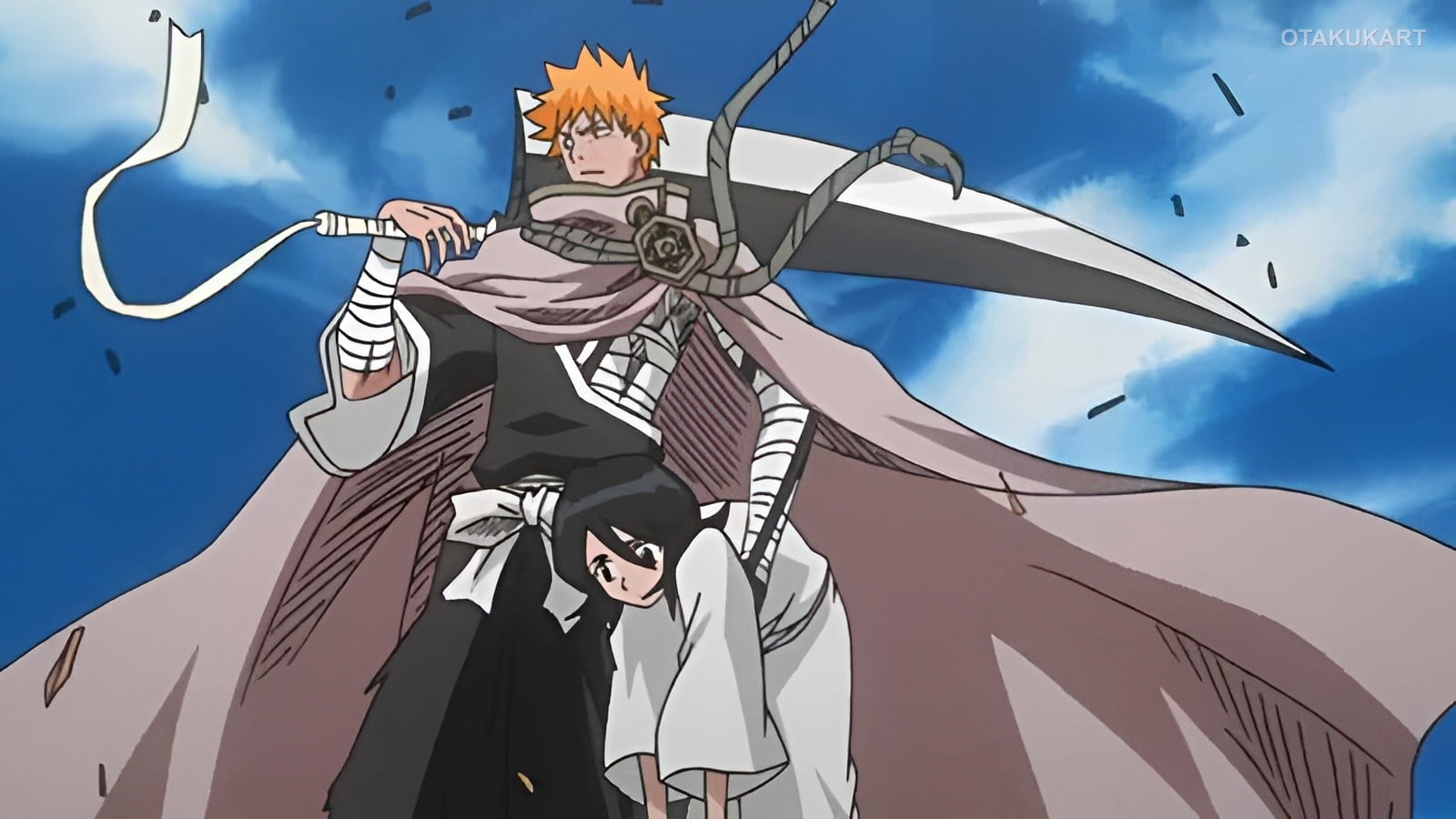
Soul Society is divided into several divisions, each led by a captain and supported by other high-ranking Soul Reapers. Characters such as Byakuya Kuchiki, Kenpachi Zaraki, Tōshirō Hitsugaya, and Shunsui Kyōraku give each part of this world its own personality. Their different thinking also makes it clear that Ichigo is not entering a land filled with enemies.
For Ichigo, the rescue becomes harder when he realizes that he is challenging the system itself. Many Soul Reapers believe they are following the laws that protect their society. Ichigo cares more about saving Rukia than accepting those rules.
His battles also reveal more about the people standing in his way. The fight with Byakuya is especially important because it involves Rukia’s future, Byakuya’s sense of duty, and Ichigo’s refusal to accept a decision he considers wrong. The battle is personal for both of them.
Then the truth behind Rukia’s execution begins to emerge. What first appears to be a strict punishment turns out to be part of a much larger plan. The revelation changes how Ichigo and the audience understand the events that led to the rescue mission.
6. Whole Cake Island Trades Traditional Victory for Survival
Simply overpowering the enemy is not an option for the Straw Hats. Luffy and his allies enter Big Mom’s territory with one clear goal to bring Sanji home and escape safely. They are surrounded by powerful enemies who make every step of the mission hard. Their lack of control over the situation forces them to rely on strategy, teamwork, and determination.
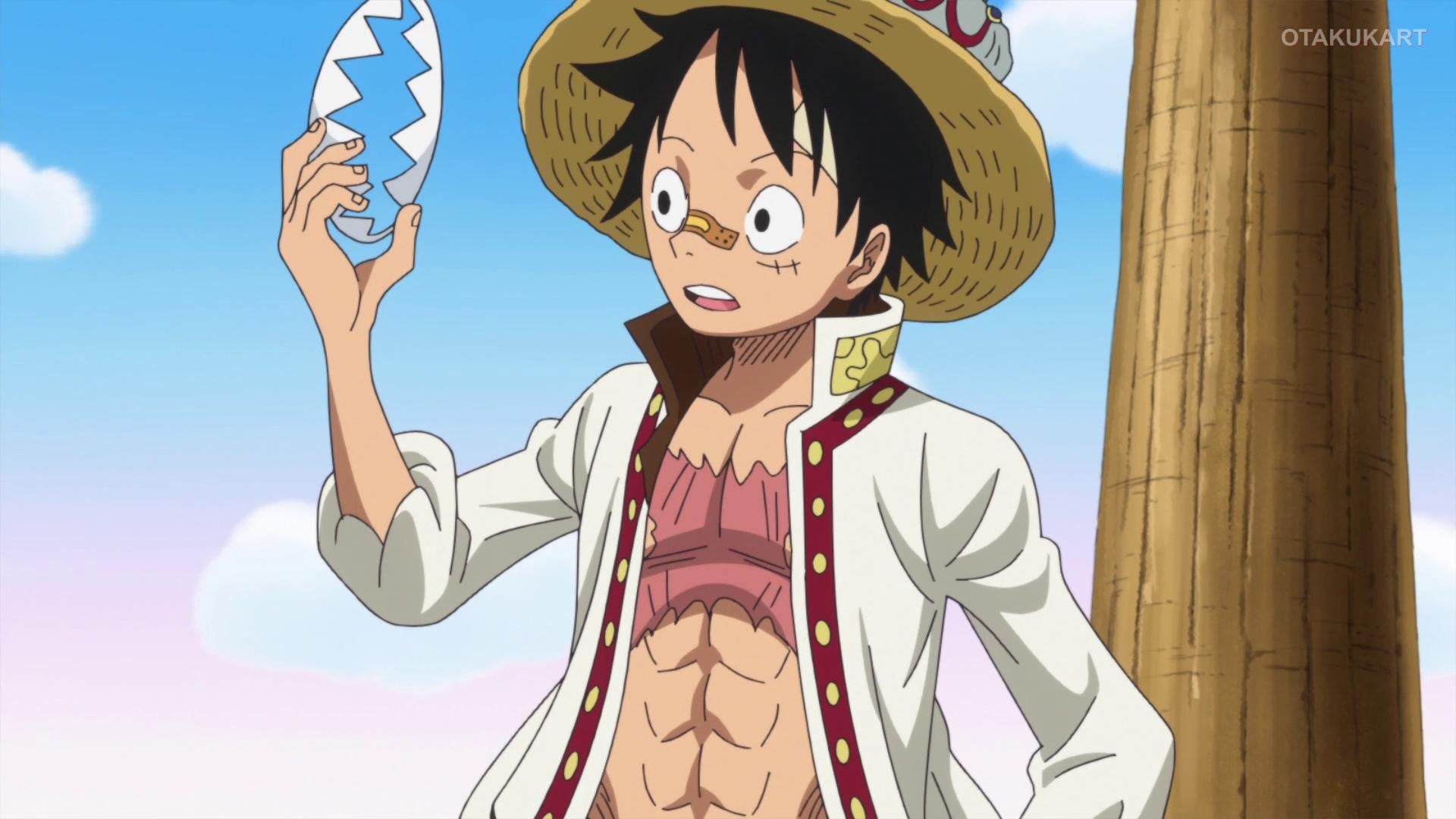
Sanji’s arranged marriage to Charlotte Pudding creates the main personal conflict. He is surrounded by his family and Big Mom’s crew, leaving him with few choices. Meanwhile, Luffy refuses to abandon him, even when the rescue becomes increasingly dangerous.
Sanji’s feelings make the situation harder to handle. He believes giving up his own happiness can protect the people he cares about, while Luffy sees his decision differently. Their friendship forces Sanji to think about his family, his own worth, and whether he really has to accept the life others have chosen for him.
Luffy eventually faces Katakuri in one of the arc’s most memorable battles. Katakuri appears stronger and more experienced, leaving Luffy with little choice but to adapt. As the fight continues, Luffy learns from his opponent and pushes himself to keep going.
Survival remains important even after the major battles. Big Mom’s forces continue chasing the Straw Hats, so reaching safety becomes the final challenge. Everyone has to work together if they want to escape the island.
5. Marineford Makes the Entire One Piece World Feel Connected
Years of One Piece storytelling come together in one enormous war. Ace’s execution draws Marines, Whitebeard’s forces, the Seven Warlords, powerful pirates, and Luffy’s allies onto the same battlefield. The scale of the conflict makes the entire world feel connected. Beneath all that chaos, Luffy has one reason for being there, he wants to save his brother.
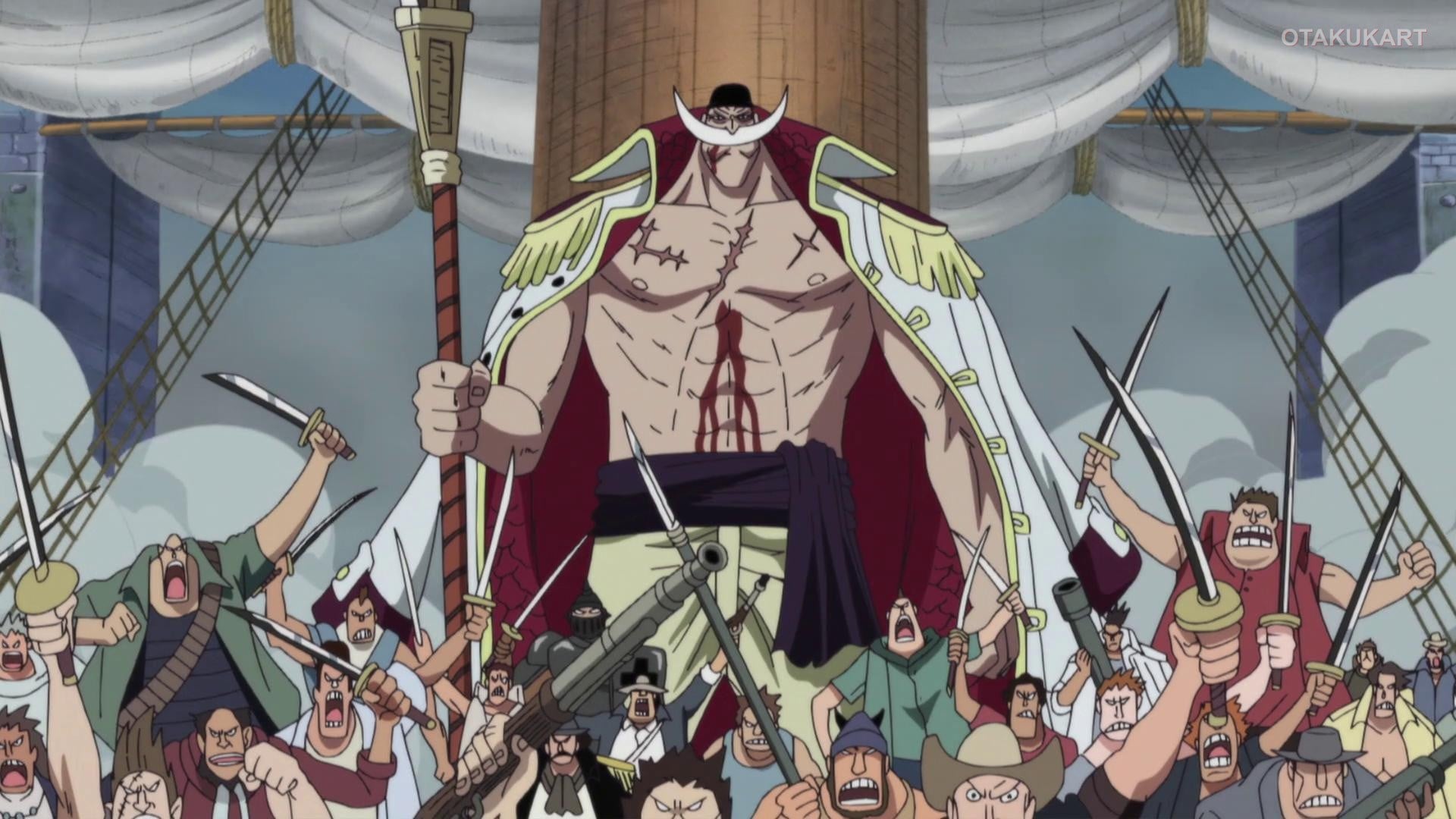
The scale of the conflict becomes clear as some of the strongest characters in the series enter the fight. Whitebeard faces the Marines, the admirals hold their ground, and figures such as Mihawk, Garp, and Sengoku show just how powerful the forces gathered at Marineford are. Luffy is badly outmatched, but he keeps moving forward.
Then the battle begins to shift. One powerful fighter after another enters the conflict, changing the balance of the battlefield. Luffy pushes through Marines and other obstacles while trying to reach Ace.
Ace’s death leaves Luffy broken and changes the course of his journey. Whitebeard’s final stand also leaves a major mark on the pirate world. Blackbeard uses the chaos to rise as an even greater threat.
The consequences continue long after the fighting ends. The old balance of power is shaken by the events at Marineford. The world enters a new period of uncertainty and change. The war leaves a lasting impact on the pirates, Marines, and the future of the Grand Line.
4. Pain’s Assault Gives Naruto Its Most Complete Hero-Villain Debate
The destruction of Konoha changes everything during Pain’s Assault. Pain attacks the village while Naruto is away training, leaving the people he cares about to face an enemy they can barely stop. One by one, the defenders are pushed back as the village suffers heavy damage.
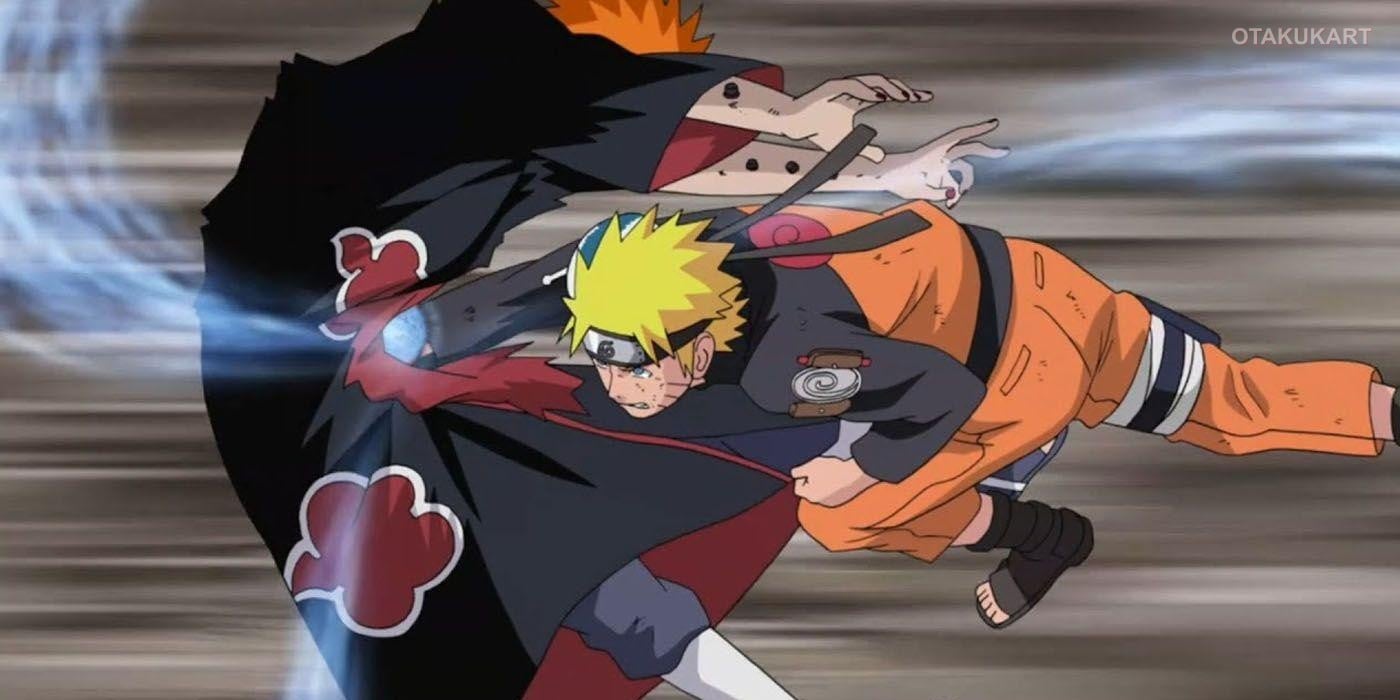
Naruto’s return shifts the battle. He arrives to find Konoha in ruins and takes on Pain’s strongest forces. The moment carries more weight because Naruto is not returning for another mission. He is coming home to protect the people who raised him.
Pain and Naruto also have completely different ideas about peace. Pain considers that people will only understand peace after experiencing enough pain themselves. Naruto refuses to accept that suffering has to continue from one generation to the next.
Their mindsets turn the fight into more than a battle of power. Hinata’s decision to stand against Pain adds another emotional moment, while the losses around Naruto make the conflict increasingly personal. Every attack carries the weight of everything that has already happened.
The most important moment comes after the battle, when Naruto meets Nagato. He has every reason to seek revenge, but instead chooses to understand the person behind Pain’s actions. That decision gives Naruto a different way to respond to the hatred that created the conflict.
3. Enies Lobby Turns a Rescue Mission Into a Declaration of Loyalty
Robin’s decision becomes the emotional center of the conflict. She refuses to return to the Straw Hats because she considers the World Government will destroy them if they continue protecting her. Her willingness to sacrifice herself forces Luffy and the crew to storm Enies Lobby and openly fight the World Government to bring her back.
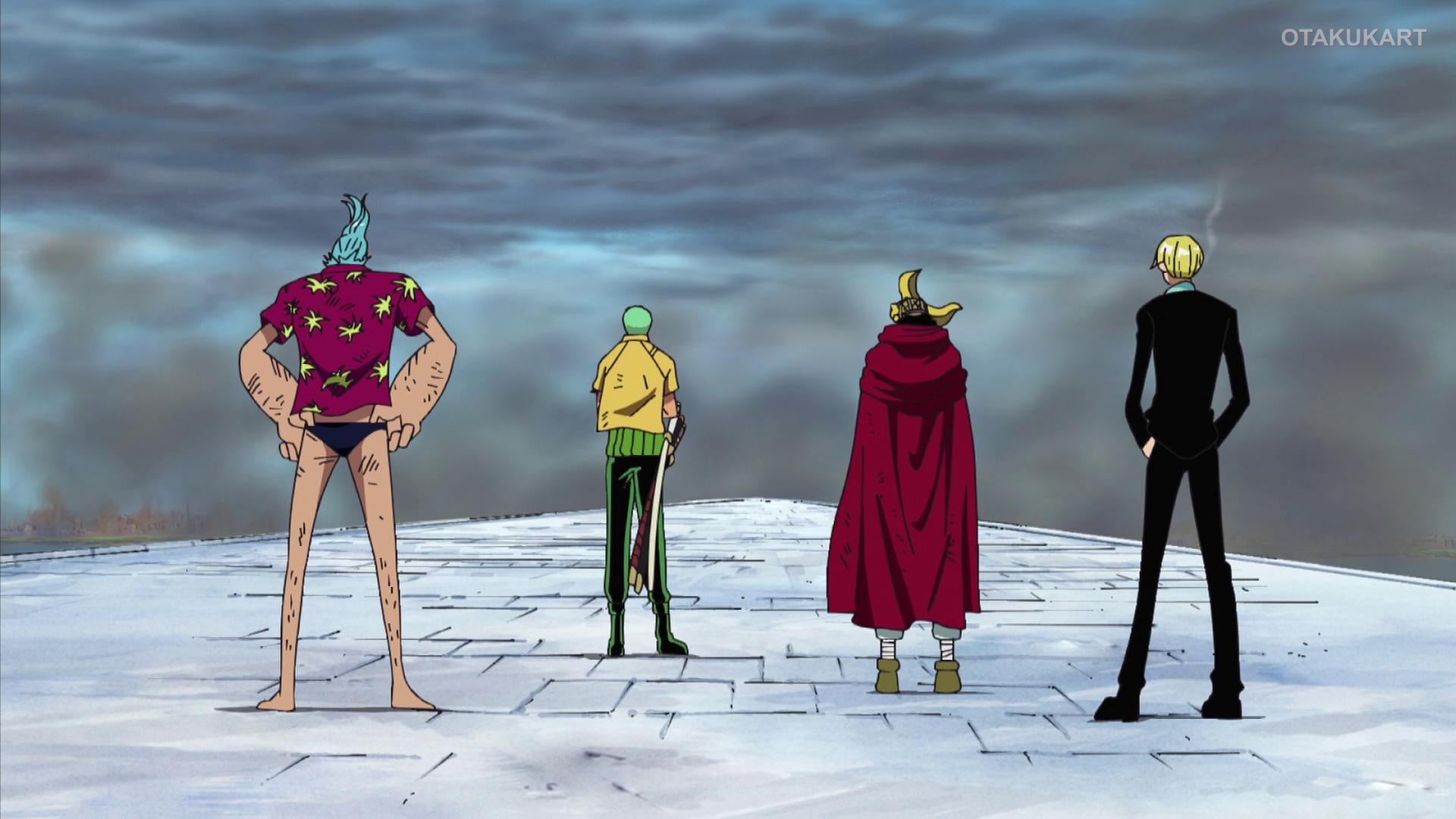
Everything changes when Robin finally admits that she wants to live. The Straw Hats respond without hesitation. They are willing to fight CP9 and even declare war on the World Government if that is what it takes to bring her home.
From there, the battles take on a clear purpose. Luffy, Zoro, Sanji, Nami, Chopper, and the others each face CP9 members, but none of the fights feel like separate competitions. Every victory moves them closer to Robin.
Then the Straw Hats make their boldest statement. They openly reject the World Government and burn its flag, showing that they are prepared to stand against an entire organization for one of their own. The moment turns Robin’s personal struggle into an open conflict.
Robin’s own journey reaches its emotional peak afterward. She has spent years thinking that her existence only brings trouble to others, yet the Straw Hats prove that they genuinely want her beside them. For once, she does not have to run away to protect the people she cares about.
2. Fourth Great Ninja War Arc’s Final Fight Redefines Naruto and Sasuke
The conflict brings together shinobi from every major village through the Allied Shinobi Forces. Naruto and the other ninja must face Obito, Madara, and the reanimated forces fighting against them. Former enemies are forced to work together as battles break out across multiple fronts. The scale of the war pushes Naruto and his allies into some of the most dangerous fights of the entire series.
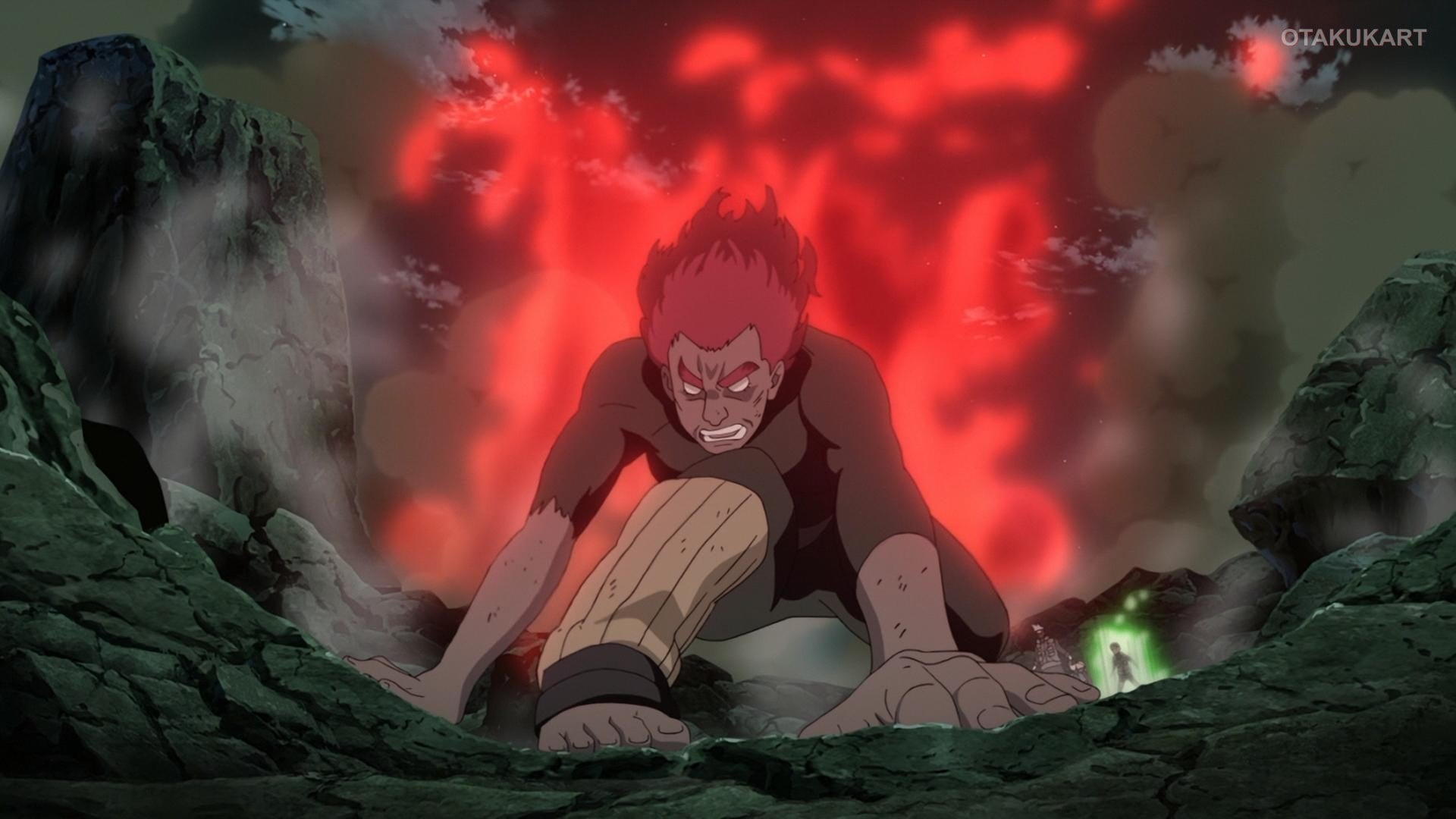
Across the battlefield, different shinobi face enemies who test their abilities and resolve. The Allied Forces struggle against powerful opponents, while Naruto gradually becomes one of the central figures in the fight. Sasuke also follows his own path as he learns more about the history of the shinobi world.
The war grows more complicated as new information changes what the characters believe about their enemies. Obito’s role, Madara’s return, and the truth surrounding the conflict give the battle a much larger purpose. What first appears to be a war between villages becomes connected to events that began long before Naruto was born.
Naruto and Sasuke eventually become essential to the final stages of the conflict. Their abilities have grown enormously, but their personal histories remain important to the story. The war brings together many of the ideas that have shaped their development throughout the series.
The scale of the battles becomes one of the war’s defining features. Entire armies clash as powerful techniques reshape the battlefield. Naruto, the Allied Shinobi Forces, and their enemies fight across multiple fronts. Shinobi from different generations are drawn into the same conflict as the war continues to escalate.
1. Soul Society Remains the Most Complete Bleach Arc
The Quincy invasion gives the Thousand-Year Blood War a different opening from earlier Bleach conflicts. The Wandenreich launches a sudden attack on Soul Society and catches the Soul Reapers off guard. Their enemies already understand key weaknesses in the Soul Reapers’ defenses and abilities. The threat becomes serious almost immediately as the Wandenreich begins overwhelming the Gotei 13.
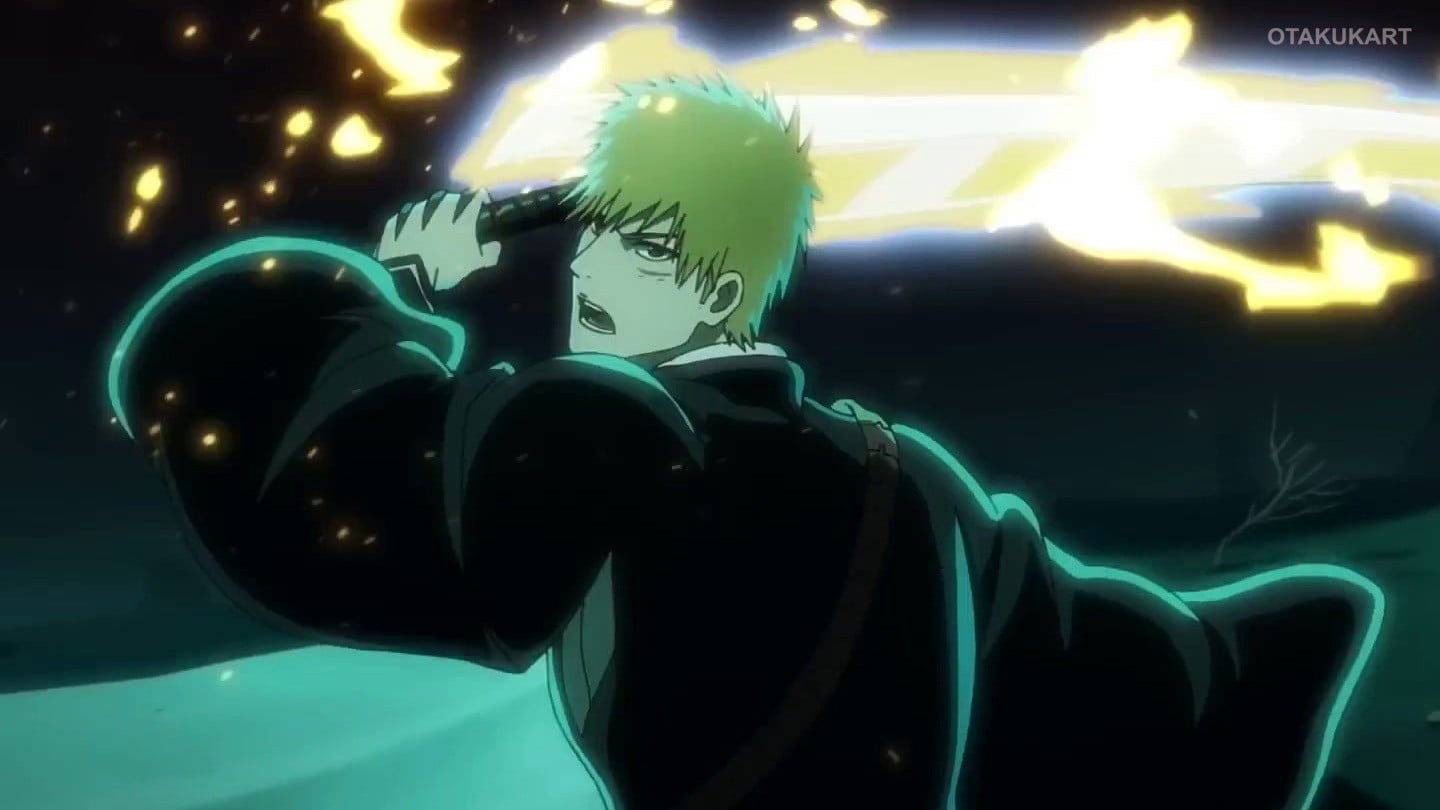
The first defeats make the situation even worse. Several captains are unable to stop the Sternritter, while the Soul Reapers discover that their Bankai can be stolen. Their usual advantages are suddenly gone, and the enemy seems to have planned for nearly every response.
As the fighting continues, new information changes the conflict. Yhwach’s connection to the Quincy, the history between the Quincy and Soul Reapers, and Ichigo’s own heritage become increasingly important. What first appears to be another war gradually becomes a story about secrets that have shaped Bleach’s world for centuries.
Ichigo also has to confront truths about himself. Learning more about his parents and the different sources of his powers changes how he understands his identity. His journey is no longer just about becoming strong enough to defeat the next enemy.
The conflict continues to expand until the survival of Soul Society and the wider world is threatened. Powerful Sternritter push the Soul Reapers into increasingly dangerous battles. Returning characters and major revelations add new layers to the growing crisis. As the battles intensify, the story moves closer to its final stages.