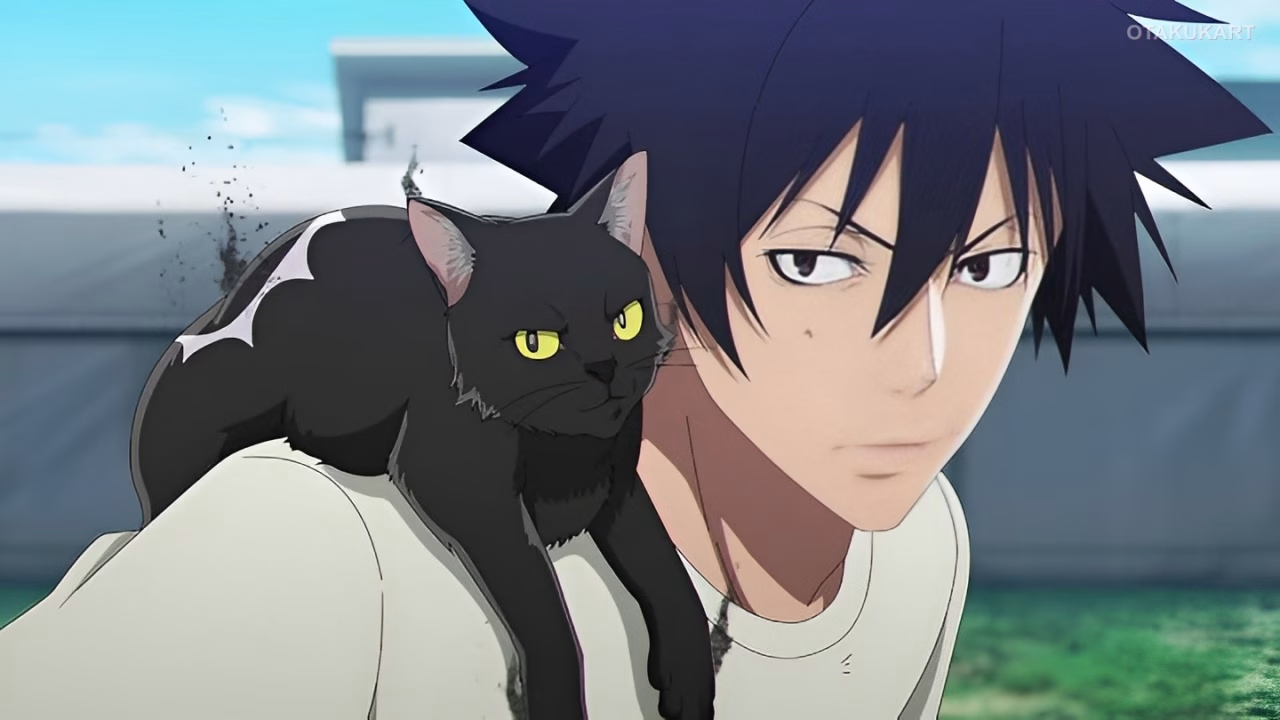
Finding an anime with the same appeal as Black Torch means looking beyond demons and flashy fights. This supernatural action series follows Jiro Azuma, a reluctant shinobi whose ability to communicate with animals leads to a dangerous encounter with Rago, a mononoke cat. Their connection draws him into a hidden conflict between humanity and powerful spirits, where animal companionship, secret organizations, and supernatural combat come together in an unusual way.
The appeal of Black Torch also comes from the tension between Jiro’s ordinary instincts and the dangerous world he is pulled into. Its supernatural setting creates room for frightening encounters, unexpected alliances, and battles that carry consequences beyond winning or losing. That combination makes it worth looking at other dark shonen anime that approach supernatural action from different angles.
1. Jujutsu Kaisen Makes Every Victory Feel Dangerous
Supernatural power feels frightening when it can hurt ordinary people and cannot always be controlled. Jujutsu Kaisen builds its world around curses born from negative human emotions, turning fear, anger, and sadness into dangerous enemies. Even the people who fight these curses can be affected by the darkness around them.
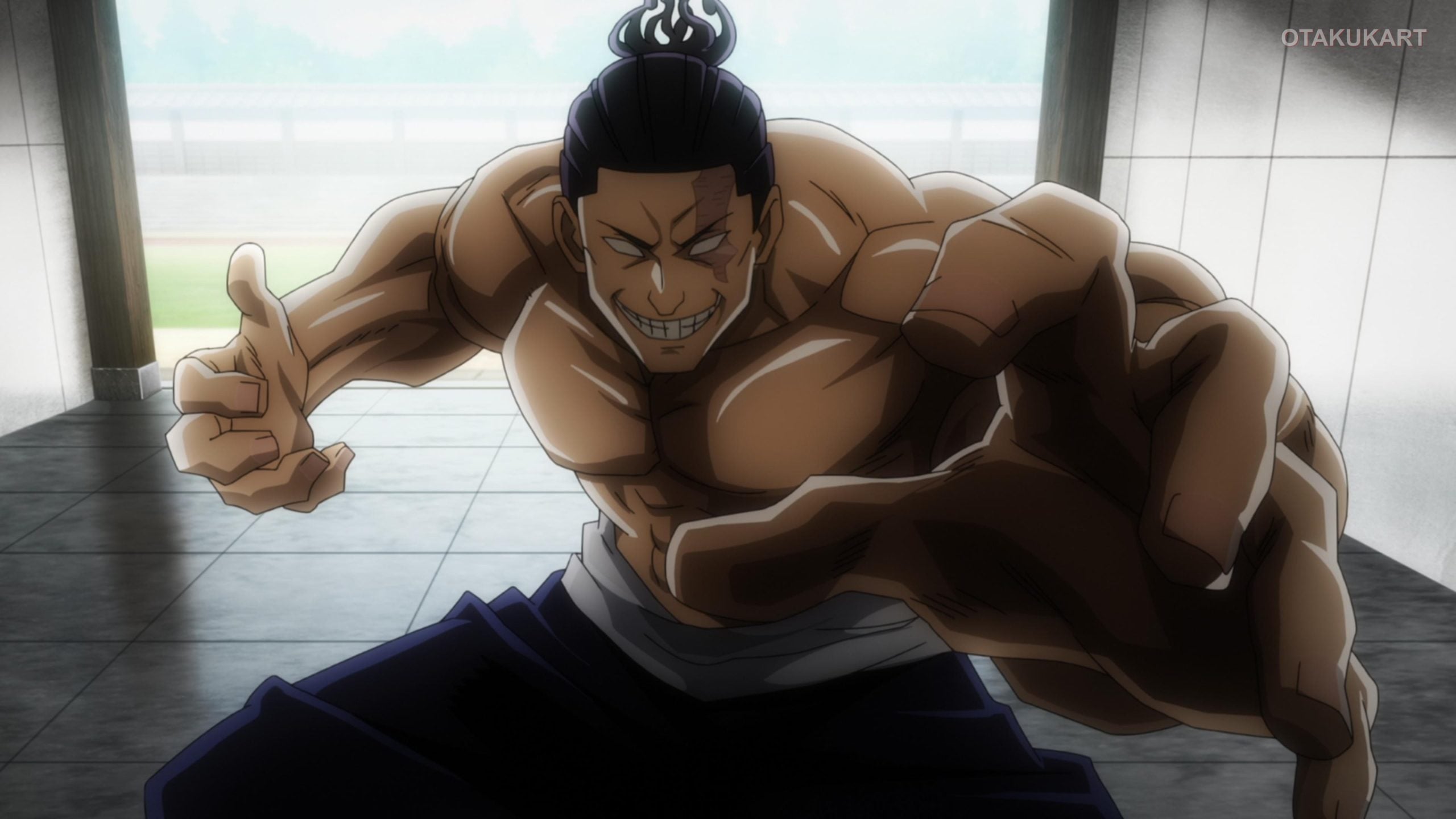
Both Black Torch and Jujutsu Kaisen follow young characters who discover that the world around them is hiding dangerous supernatural forces. Jiro Azuma’s ability to communicate with animals leads him to Rago, a mononoke cat, and brings him into a conflict between humans and spirits, while Yuji Itadori becomes involved with cursed objects and sorcerers after swallowing one of Sukuna’s fingers. Their lives change because of these encounters, and they must learn to survive in worlds they never expected to enter.
Yuji’s connection to Sukuna gives him a burden that is difficult to escape. He gains incredible power, but he also has to live with the danger of a terrifying presence inside him. His strength and compassion make him easy to care about, while his struggles show that having power does not mean having control over everything.
The combat system makes Jujutsu Kaisen’s battles feel dangerous because characters must understand how cursed techniques work before they can use them effectively. During the fight between Satoru Gojo and Jogo, Gojo uses his Limitless technique to show Yuji Itadori how a Domain Expansion works. He activates Unlimited Void, trapping Jogo in a space where an overwhelming amount of information floods his mind, leaving him unable to move or think clearly.
Animation studio MAPPA brings the series’ supernatural battles to life with sharp character animation, dramatic effects, and carefully staged action. The studio’s work helps make cursed techniques and domain expansions feel powerful without losing the tension of the fights. For viewers who enjoy Black Torch’s mix of supernatural danger and personal stakes, Jujutsu Kaisen offers a darker world where every victory can come with a cost.
2. Chainsaw Man Turns Fear Into a Weapon
Unlike most devil hunters, Denji starts with almost no interest in becoming a hero. He spends his childhood paying off the debt his father left behind, selling his organs, and hunting devils with Pochita to afford food. When the yakuza betray him and leave him for dead, Pochita saves his life by becoming his heart. Denji then wakes up with the power to turn parts of his body into chainsaws.
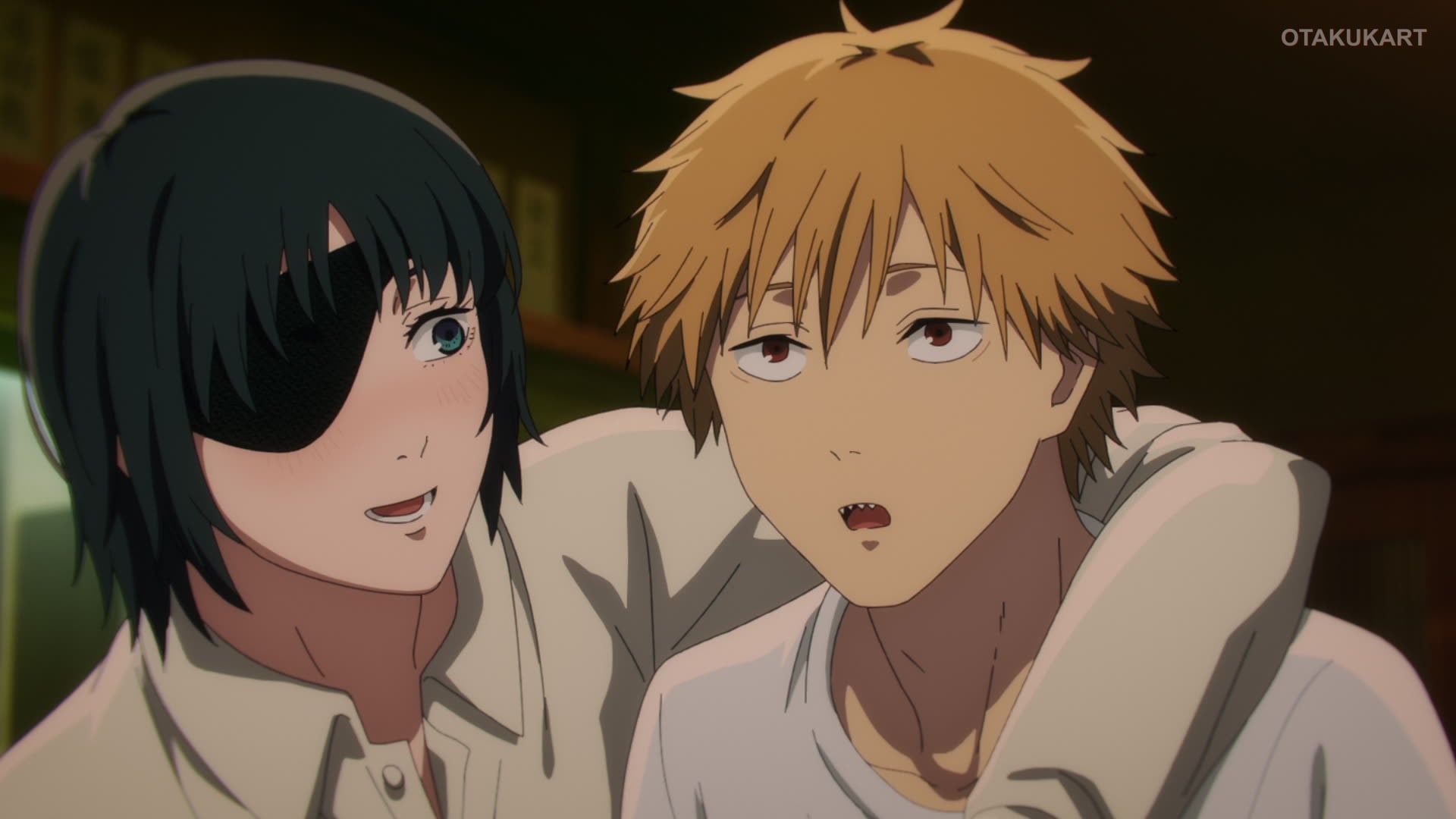
Denji’s poverty makes him easy to control because he has spent his entire life worrying about food, money, and survival. After joining the Public Safety Devil Hunters, he finally gets a bed, regular meals, and the chance to live with Aki and Power, but Makima quickly becomes the person whose approval he wants most. She gives him attention and promises that he can have a normal life if he follows her orders, so Denji starts believing that becoming a good devil hunter might help him earn her affection.
The bond between Denji and Pochita is one of the most important parts of Chainsaw Man. Pochita is not just the source of Denji’s powers, but also the friend who stays with him when he has almost nothing. Their connection gives Denji a reason to keep living, even after his life becomes much more complicated.
3. Hell’s Paradise: Jigokuraku Builds a Nightmare Out of Paradise
The island in Hell’s Paradise: Jigokuraku is where the danger truly begins. Gabimaru and other condemned criminals are sent there to find an elixir of immortality, but the mission quickly turns into a fight for survival. Strange creatures, deadly plants, and powerful beings make the island far more dangerous than the prisoners expected.
The shinobi action makes Hell’s Paradise a natural choice for viewers who enjoy Black Torch. Gabimaru is a highly skilled ninja who relies on speed, strength, and knowledge to survive against enemies that are far more powerful than ordinary humans. The series also brings trained fighters into a world filled with supernatural threats, giving its battles a different feel from a typical ninja story.
Gabimaru’s wish to return to Yui becomes clear when he refuses to die even after being captured and sentenced to execution. He believes he has lost the chance to see her again, but Yui’s love gives him a reason to accept the mission to Shinsenkyo and search for the elixir of immortality. When he reaches the island, he discovers that surviving its strange creatures and powerful beings is far harder than expected, and his strength alone cannot protect him from every danger.
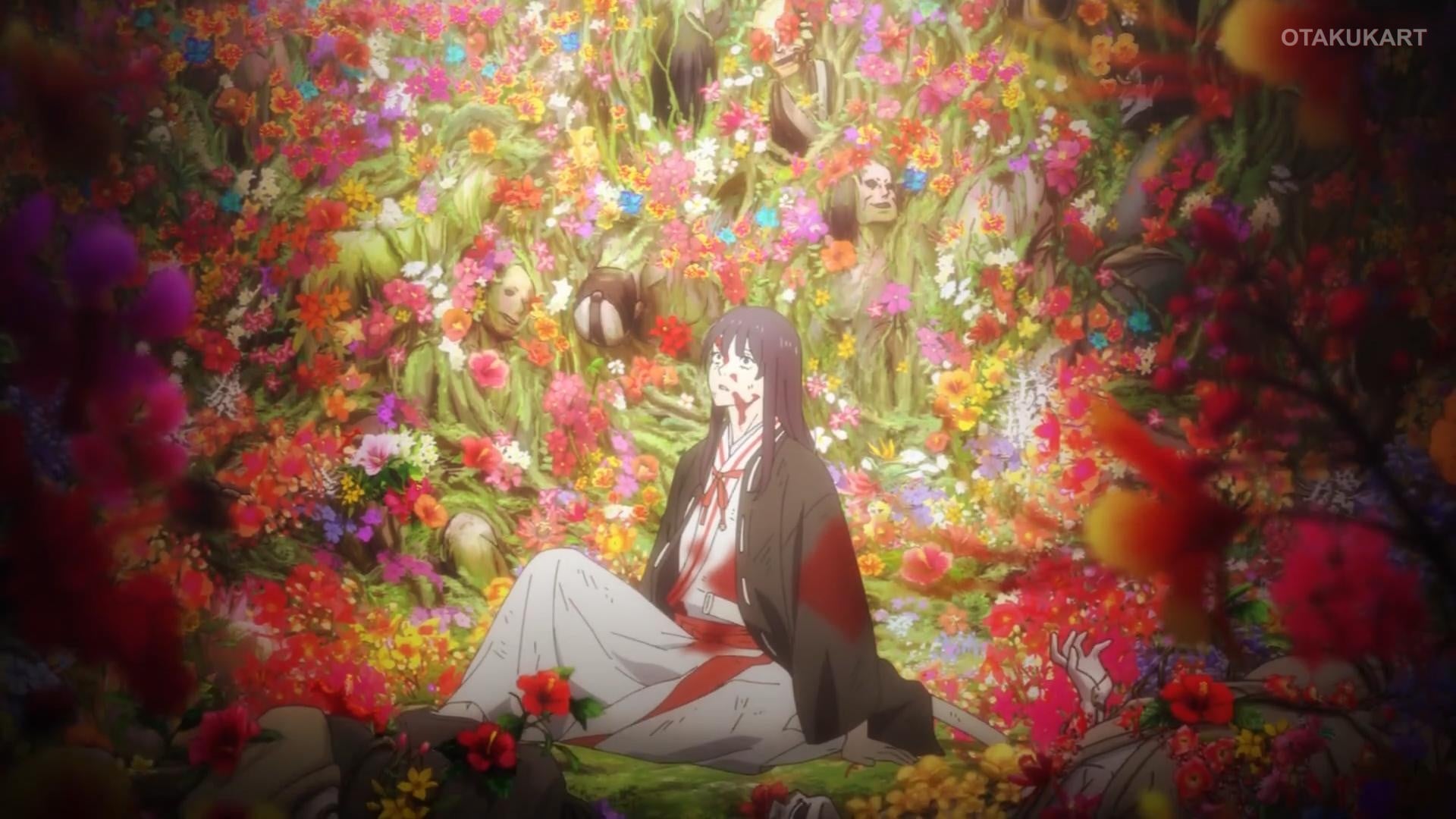
The island’s environment is one of the anime’s most memorable features. Its beautiful scenery hides deadly dangers, creating a strange contrast between nature and horror. Bright flowers, unusual creatures, and mysterious structures make the island feel like a place that should be explored, but every new area can become a trap.
4. Demon Slayer: Kimetsu no Yaiba Finds Humanity in a World of Monsters
Tanjiro’s fight against Daki and Gyutaro in the Entertainment District arc shows how Demon Slayer keeps raising the bar for its action scenes. After Daki’s obi traps civilians and threatens the district, Tanjiro pushes his Hinokami Kagura further than before, using a series of powerful attacks to keep her from escaping. The battle becomes even more intense when Gyutaro appears from Daki’s body, forcing Tanjiro, Tengen Uzui, and the others to fight two Upper Rank demons at once. Nezuko’s Blood Demon Art also plays a major role, as her flames help Tanjiro survive the fight and burn away the poison threatening him.
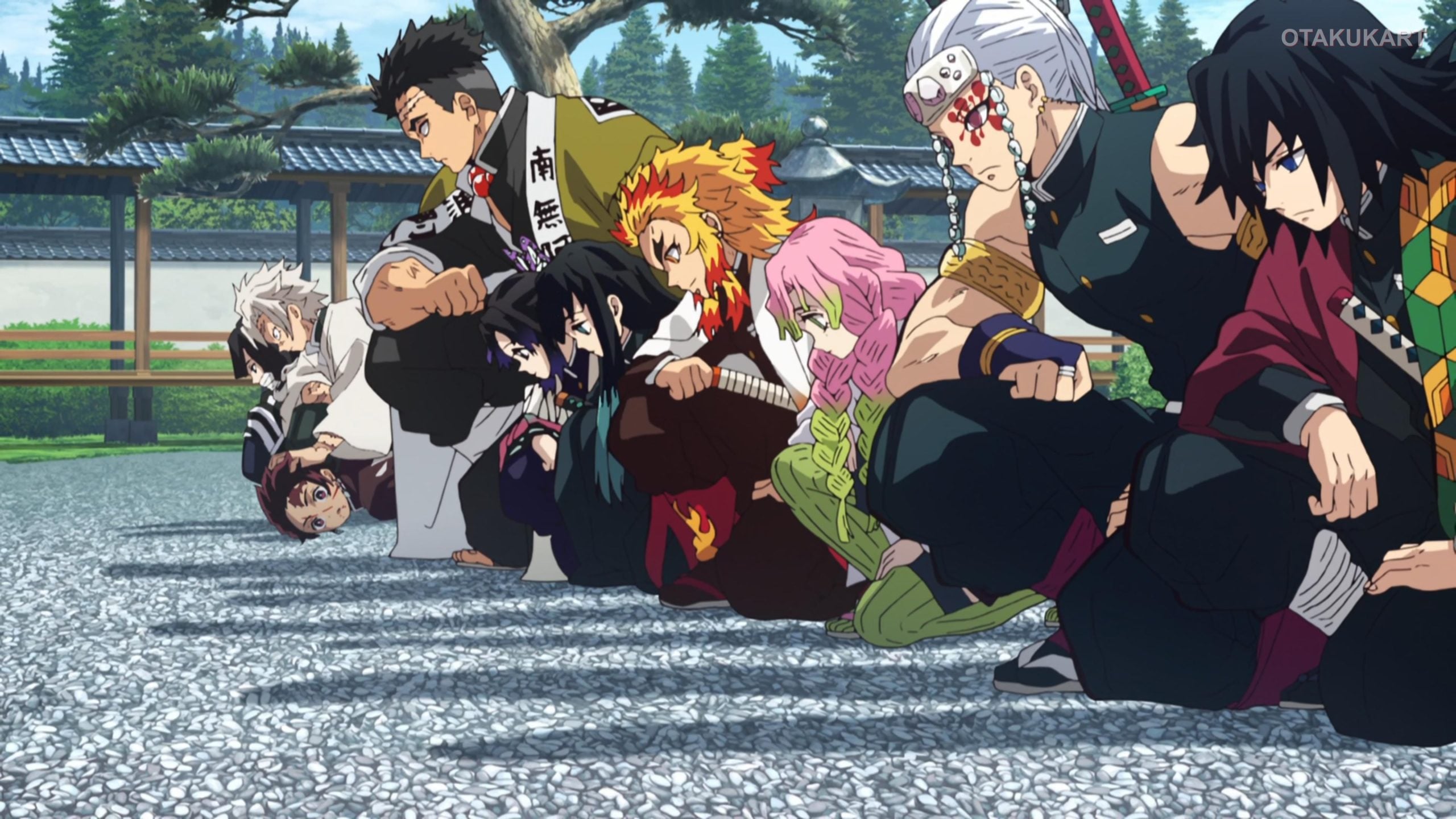
Tanjiro’s compassion is clear when he recognizes that demons were once human, such as Rui, whose tragic past reveals how his desire for a family led him to become a demon. However, when demons threaten innocent people, Tanjiro does not let sympathy stop him from fighting, as seen when he protects Nezuko and the passengers from Enmu aboard the Mugen Train.
Everything changes when Tanjiro returns home and finds his family killed by a demon, while Nezuko is the only one who survives. She has been turned into a demon, but she still shows signs of her old humanity, so he refuses to give up on her. After learning that a demon can possibly be turned back into a human, he begins training as a Demon Slayer and searches for a cure.
When Akaza arrives on the Mugen Train, the sudden shift in the music makes his entrance feel even more threatening. The scene changes from the quiet aftermath of the train battle to a tense confrontation as Rengoku faces the Upper Rank Three demon. During their fight, the music grows more intense as Akaza uses his Destructive Death techniques, matching the speed and force of his attacks.
5. Blue Exorcist Makes the Hero’s Bloodline the Main Problem
After learning that he is the son of Satan, Rin Okumura chooses to become an exorcist. He wants to protect people from demons, but his decision also creates tension with his adopted brother Yukio, who has trained to fight demons for years. Their relationship becomes more complicated after Rin discovers the truth about their family, especially because Yukio has spent much of his life hiding his own fears and responsibilities. The academy gives them a place to train together, but it also forces Rin to face the consequences of his powers and the way others see him.
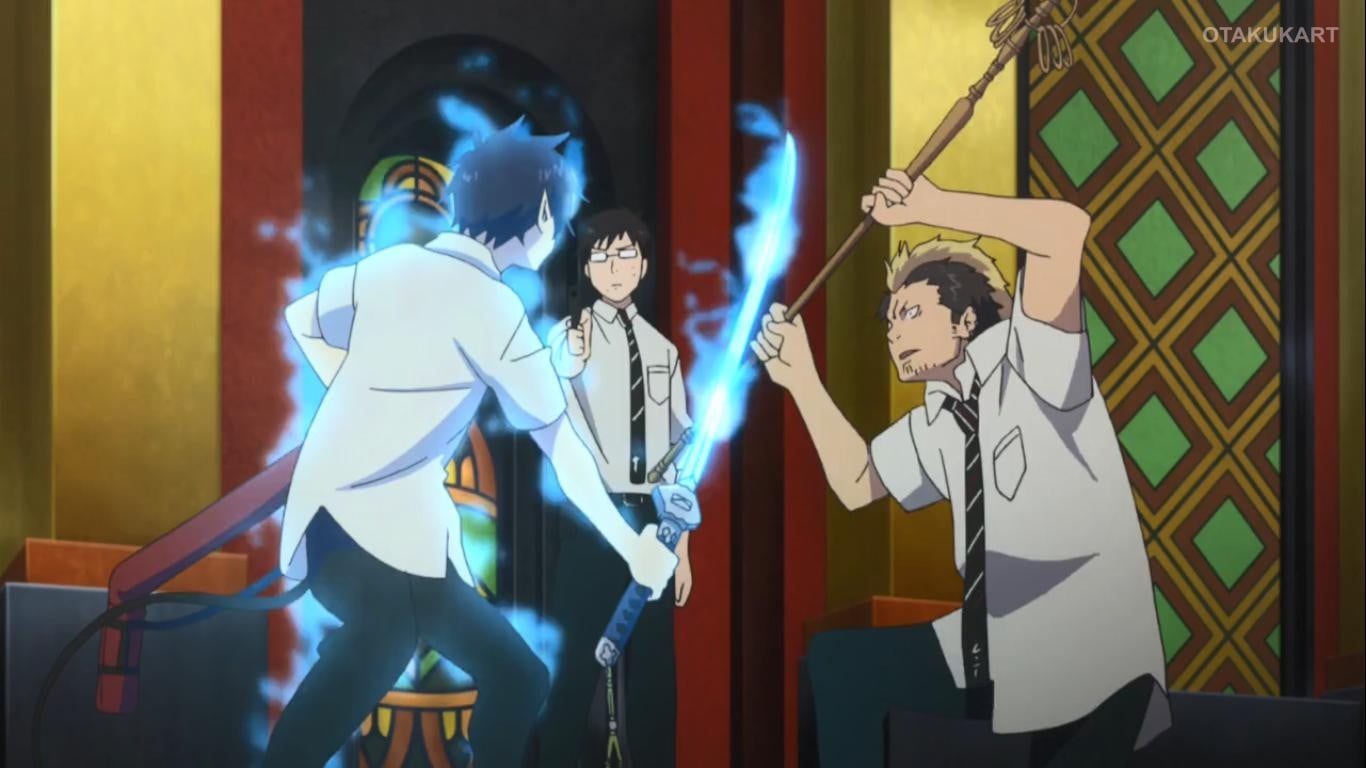
The supernatural connection in Blue Exorcist is tied directly to Rin’s identity, while Black Torch uses Jiro Azuma’s unusual ability to communicate with animals as the starting point for its supernatural conflict. Jiro’s encounter with Rago, a mononoke cat, brings him into a hidden battle between humans and spirits, while Rin’s heritage makes him part of the demonic world he wants to fight. Both protagonists must learn how to use their unusual abilities without losing control of their lives.
The opening and ending themes also help Blue Exorcist move with its story. The opening themes often capture the energy of Rin’s battles and the supernatural world he is entering, while the ending themes slow things down and give more attention to the characters’ emotions. That contrast works well for a series that moves between intense action and quieter moments of family conflict.
6. Dorohedoro Makes Its World Feel Like a Living Threat
Caiman lives in Hole, a ruined city where sorcerers enter through doors and use magic on ordinary people for their own amusement. After a sorcerer transforms his head into that of a reptile and erases his memories, Caiman begins searching for the person responsible. He and Nikaido capture sorcerers, force them to look inside his mouth, and ask whether the strange man living there is the one who cursed him.
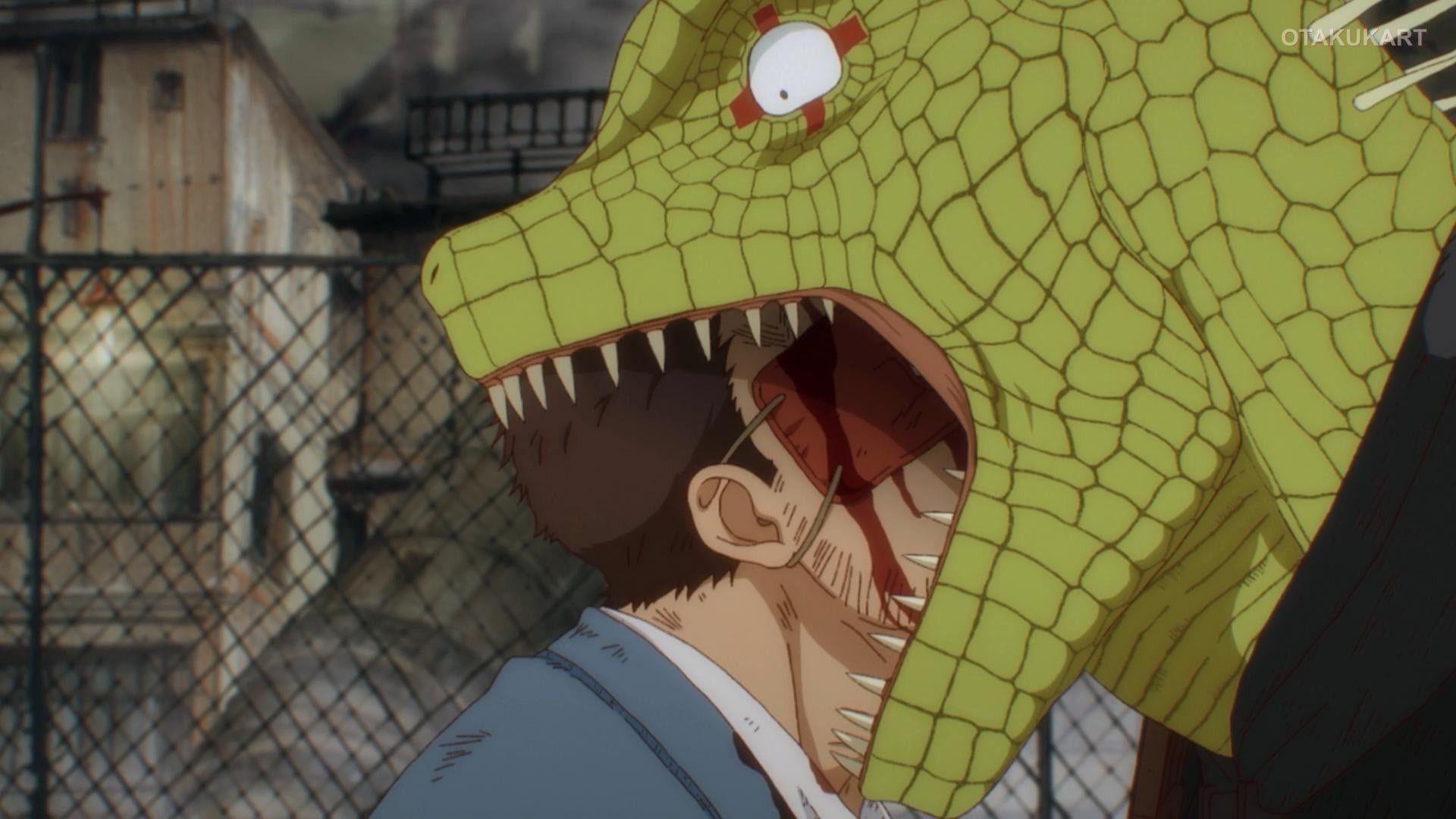
The anime was directed by Yuichiro Hayashi, who also worked on Attack on Titan: The Final Season. His direction helps balance Dorohedoro’s violent action with its strange humor and quieter character moments. The Japanese voice cast also gives the characters a strong identity, with Wataru Takagi voicing Caiman and Reina Kondou voicing Nikaido.
Dorohedoro’s character designs help make its strange world easy to recognize. Caiman’s reptile head, loose clothes, and serious attitude create a funny contrast, especially when he casually eats gyoza or investigates a murder. Nikaido’s simple appearance and practical clothing make her seem like an ordinary restaurant owner, while Shin’s suit and mask give him a calm but threatening presence. Noi’s large frame and powerful appearance also match her role as a fighter and healer.
7. Tokyo Ghoul Explores the Cost of Becoming Something Else
The manga Tokyo Ghoul, created by Sui Ishida, follows Ken Kaneki, a college student whose life changes after a chance encounter with a ghoul named Rize Kamishiro. When Rize attacks him, Kaneki receives an organ transplant that turns him into a half-ghoul. He can no longer survive on ordinary food and must learn to control his hunger while hiding his new identity from the people around him.
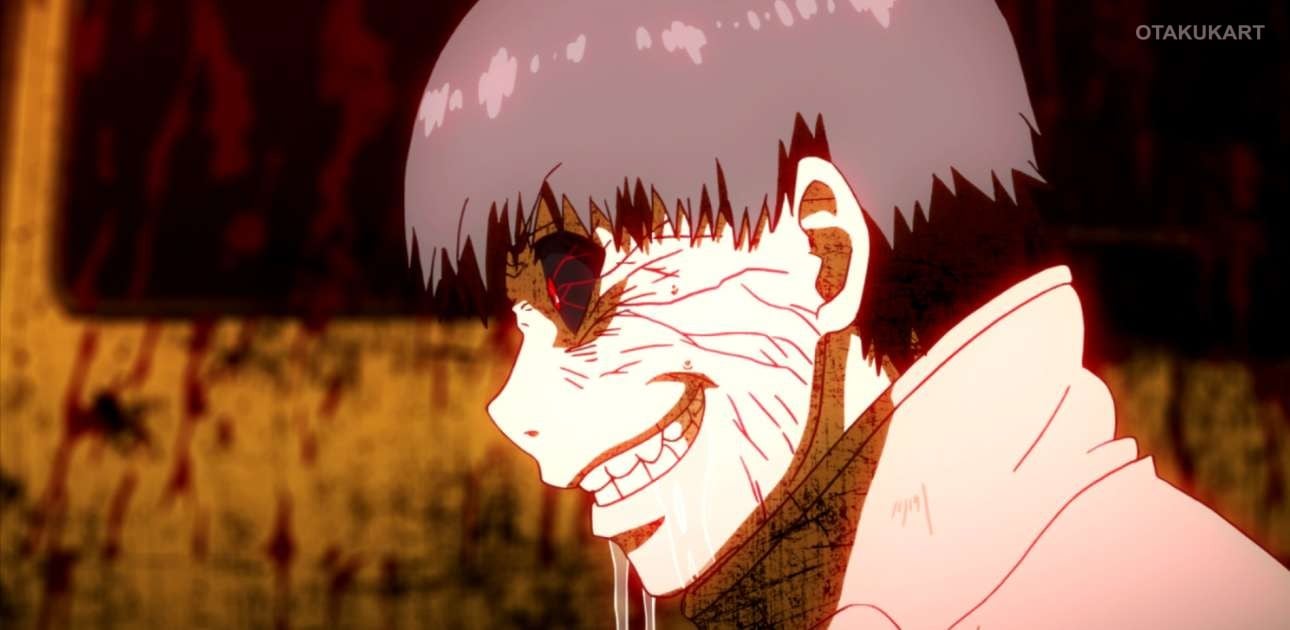
Kaneki’s transformation forces him to question who he really is. He struggles to accept his need to eat human flesh, while both humans and ghouls treat him as someone who does not belong. His isolation becomes even worse when he realizes that surviving may require him to make choices he once considered unthinkable.
Kaneki’s view of ghouls changes after he meets Touka Kirishima, who works at the Anteiku café and helps him understand how ghouls survive. He later sees the cruelty of Aogiri Tree, a ghoul organization that uses violence and torture to gain power, especially when he is captured and tortured by Yamori. These experiences make Kaneki fear that his hunger and growing strength will turn him into the same kind of monster he once hated. Like Black Torch, Tokyo Ghoul uses a supernatural transformation to place its protagonist in danger.
8. Dororo Turns a Revenge Story Into a Question of Humanity
Hyakkimaru’s character development begins when he starts recovering the body parts taken from him by demons. At first, he understands little about emotions or ordinary human life because he has spent years relying on his supernatural senses and prosthetic limbs. His journey with Dororo gradually teaches him about friendship, kindness, and the pain caused by other people’s choices.
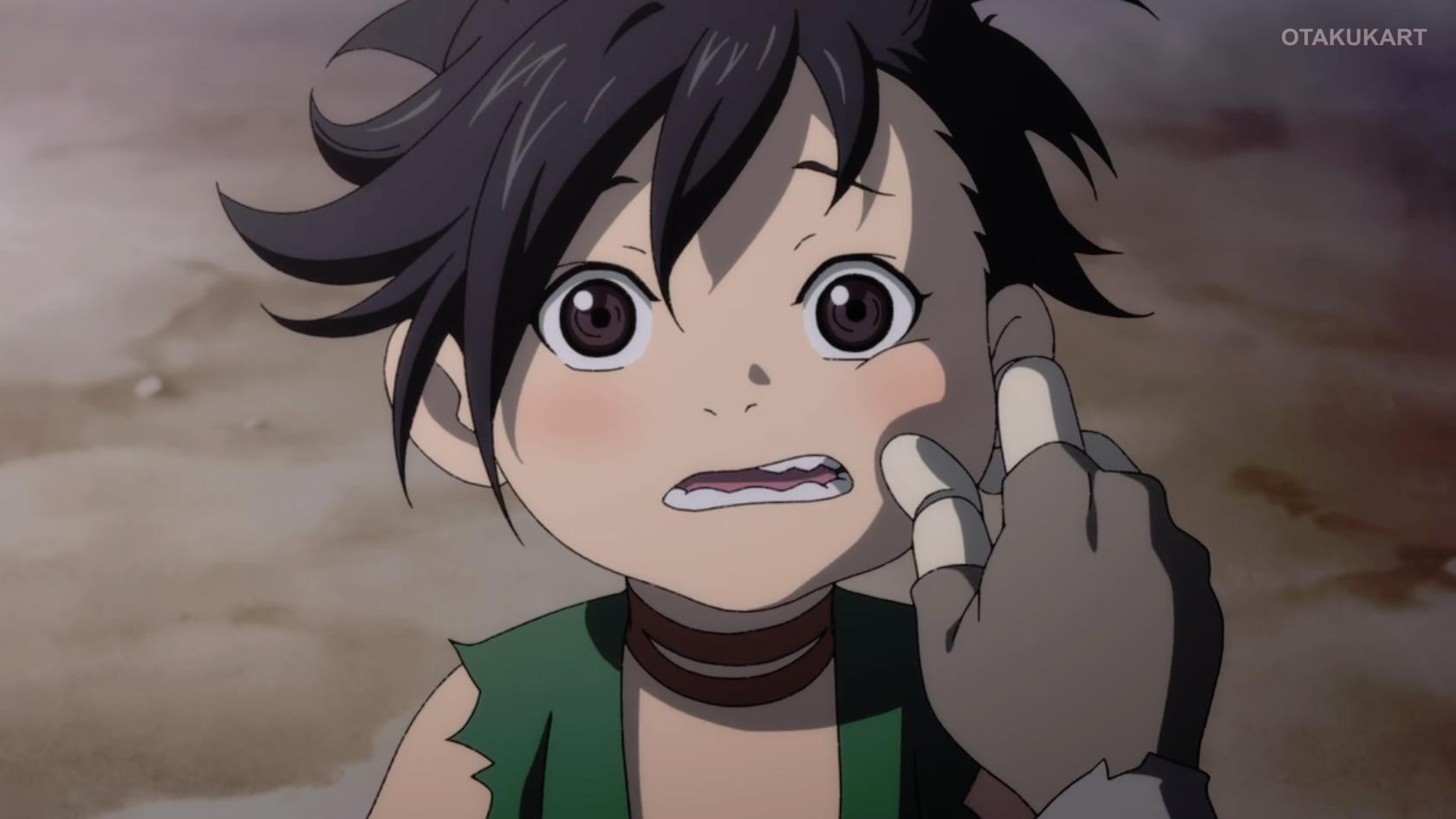
The series explores the cost of power and the suffering caused by selfish choices. Lord Daigo Kagemitsu makes a deal with twelve demons, offering his unborn son’s body in exchange for prosperity in his land. Although Daigo’s decision brings wealth and stability to his kingdom, it leaves Hyakkimaru without the body parts needed to live normally.
Hyakkimaru’s journey begins as a search for revenge and recovery, but every victory creates new consequences. Each time he defeats a demon and regains part of his body, the land around him can lose the benefits it received from Daigo’s bargain. This becomes especially painful when Hyakkimaru’s brother, Tahomaru, tries to stop him because he believes protecting their kingdom matters more than restoring Hyakkimaru’s life. Their conflict shows that reclaiming what was stolen does not always lead to a simple or peaceful solution.
9. Hunter x Hunter Reveals How Dark a Shonen World Can Become
The anime has two major television adaptations, the 1999 version and the 2011 version, and both bring Yoshihiro Togashi’s manga to life in different ways. The 1999 series has a darker visual style, slower pacing, and a more serious atmosphere that suits the early adventure arcs. The 2011 adaptation uses brighter colors, smoother animation, and a faster pace, allowing it to cover more of the manga’s story, including the Chimera Ant and Election arcs.
The Hunter x Hunter manga began serialization in Weekly Shonen Jump magazine in 1998, but Togashi’s health problems have caused several long breaks over the years. The story has continued through multiple returns, with the latest chapters following the succession war aboard the Black Whale. This long publication history has allowed the series to develop far beyond its early adventure premise. Its unfinished status also means that important conflicts, including Kurapika’s struggle and the Phantom Troupe’s plans, remain unresolved.
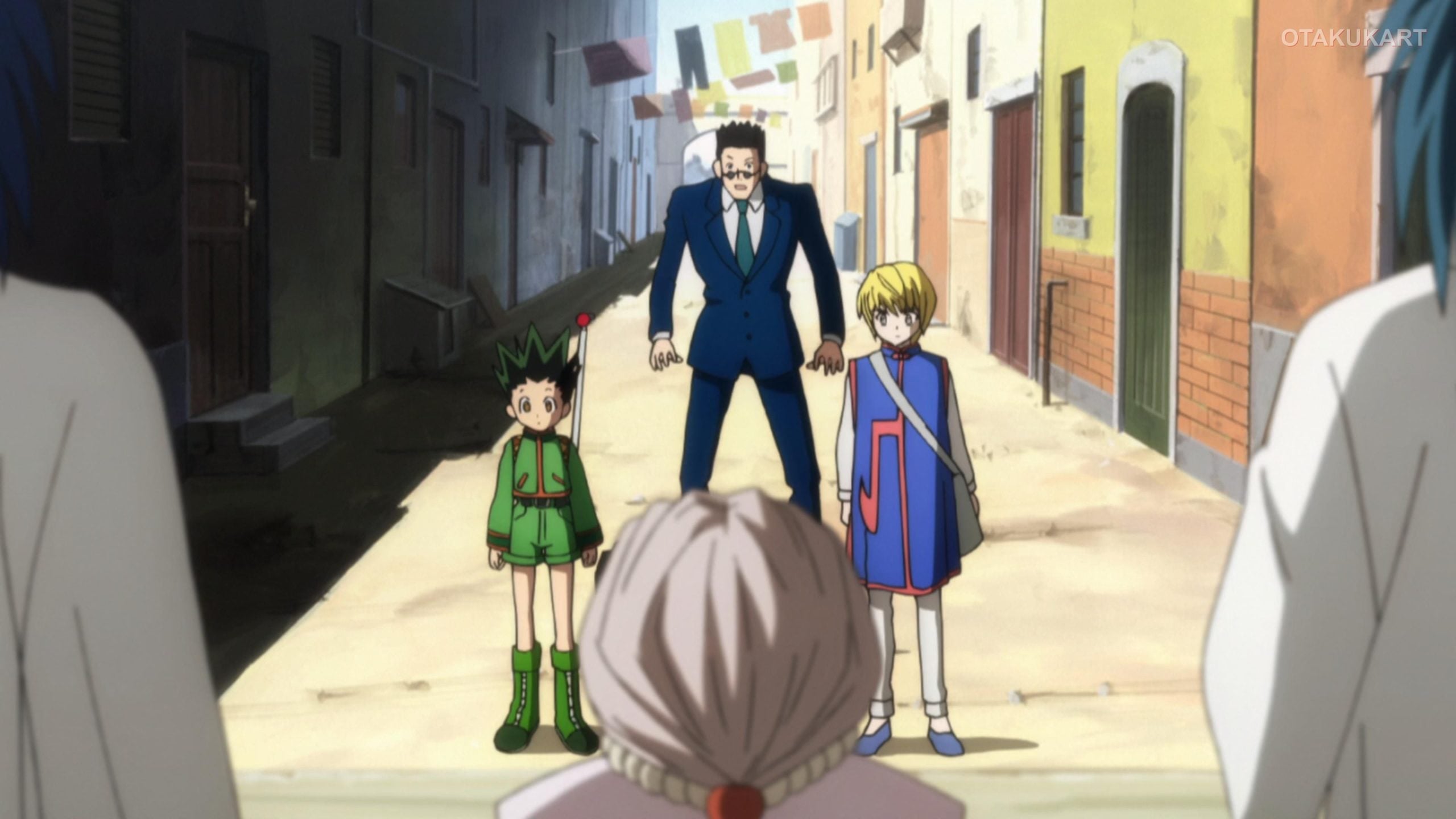
After Gon realizes that Neferpitou cannot save Kite, he makes an extreme Nen vow, sacrificing his life energy, future potential, and lifespan to instantly transform into his adult form. This immense power allows him to defeat Pitou, but the cost leaves his body severely damaged and unable to use Nen. Killua refuses to abandon him and takes him to Alluka, whose mysterious ability can heal him, while protecting her from the danger posed by his family.
Kite’s death affects Gon deeply because Kite is the first Hunter he meets after leaving Whale Island and someone who reminds him of his father, Ging. When Neferpitou kills Kite, Gon blames himself for being unable to protect him. He becomes determined to defeat Pitou, even after learning that Kite cannot be brought back.
Hunter x Hunter begins with Gon leaving Whale Island to take the Hunter Exam and search for his father, creating the feeling of a bright adventure filled with unusual challenges and new friendships. As the story progresses, the Hunter Exam, Heaven’s Arena, and Yorknew City arcs introduce increasingly dangerous opponents and more serious consequences. The Chimera Ant arc takes this shift even further, showing the cruelty of war, the fear created by powerful beings, and the damage violence causes to both heroes and enemies.
10. Attack on Titan Makes Survival a Moral Dilemma
Attack on Titan became popular because it combines intense action with mysteries that keep changing the viewer’s understanding of the story. Its early episodes made the Titans frightening through sudden attacks, desperate escapes, and the constant fear that any character could die. As the anime revealed more about its world, it gained attention for its complex storytelling, memorable music, and major plot twists.
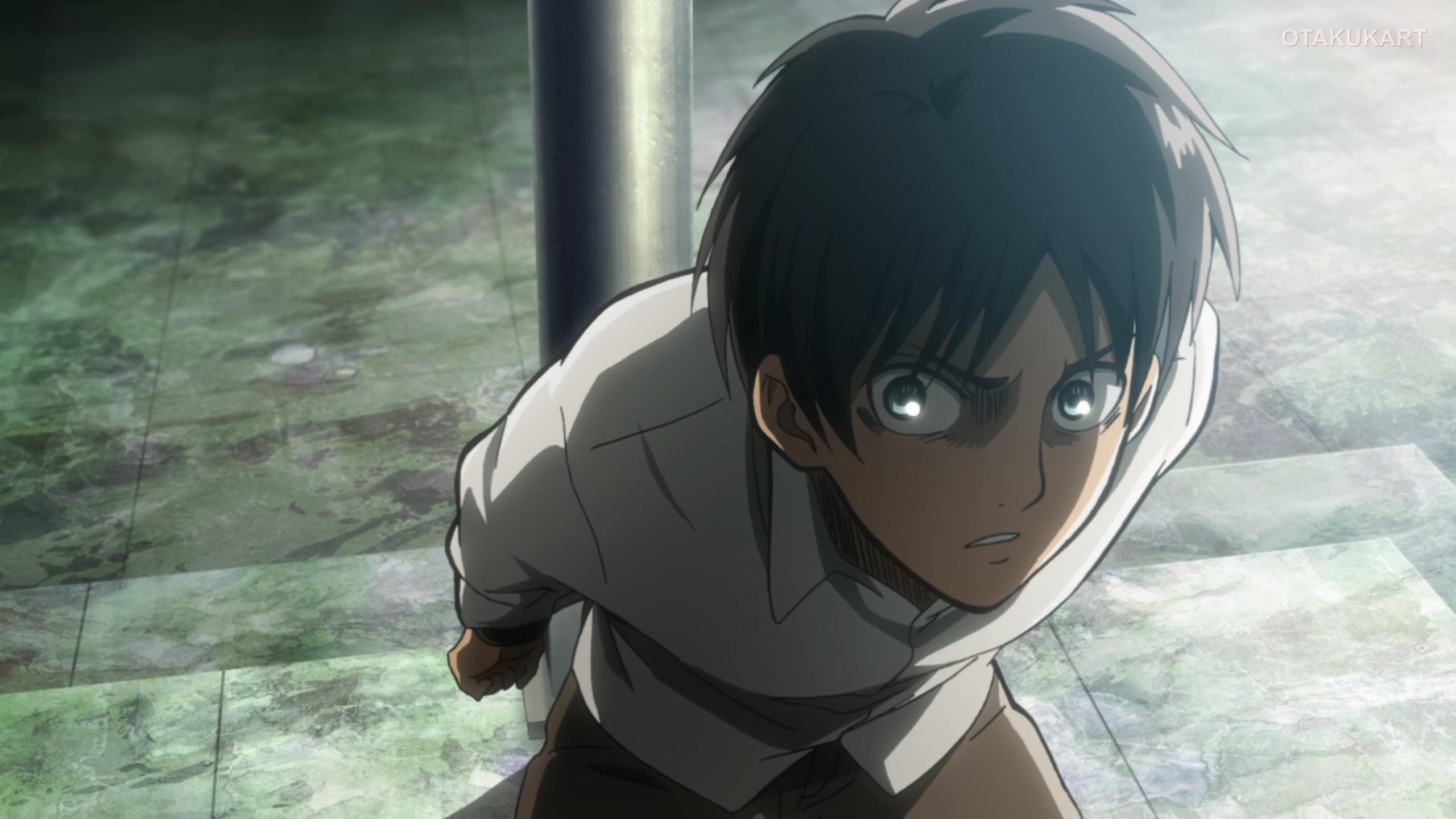
After Eren joins the Survey Corps, he discovers that the Titans are not simply mindless monsters attacking humanity. The basement reveals that people live outside the walls, while the identities of Reiner and Bertholdt expose a conflict between Marley and Eldia. Eren later learns that his father’s memories and the Founding Titan’s power connect him to the history of his people. By the final arcs, he chooses to unleash the Rumbling, showing how his wish to protect his friends and escape oppression has turned into a decision that threatens the lives of millions.
During the fight in the forest, Levi uses the trees and his ODM gear to move faster than the Beast Titan can react. He cuts through Zeke’s Titan form and defeats him before the enemy can understand what is happening. His loyalty to Erwin becomes clear when he follows Erwin’s final order to save humanity, even though it means watching his commander lead the suicide charge. Later, the deaths of his squad members and Erwin leave him carrying the weight of decisions that cost the lives of people he cared about.
11. The Promised Neverland Turns a Safe Home Into a Trap
The first season of The Promised Neverland is widely praised for its suspense, but the second season is often criticized for rushing through major parts of the manga. Instead of properly adapting the later story, it skips important arcs, removes several characters, and compresses the ending into a much shorter narrative. This makes the first season the strongest part of the anime, while the later episodes leave many of the manga’s mysteries and character developments underexplored.
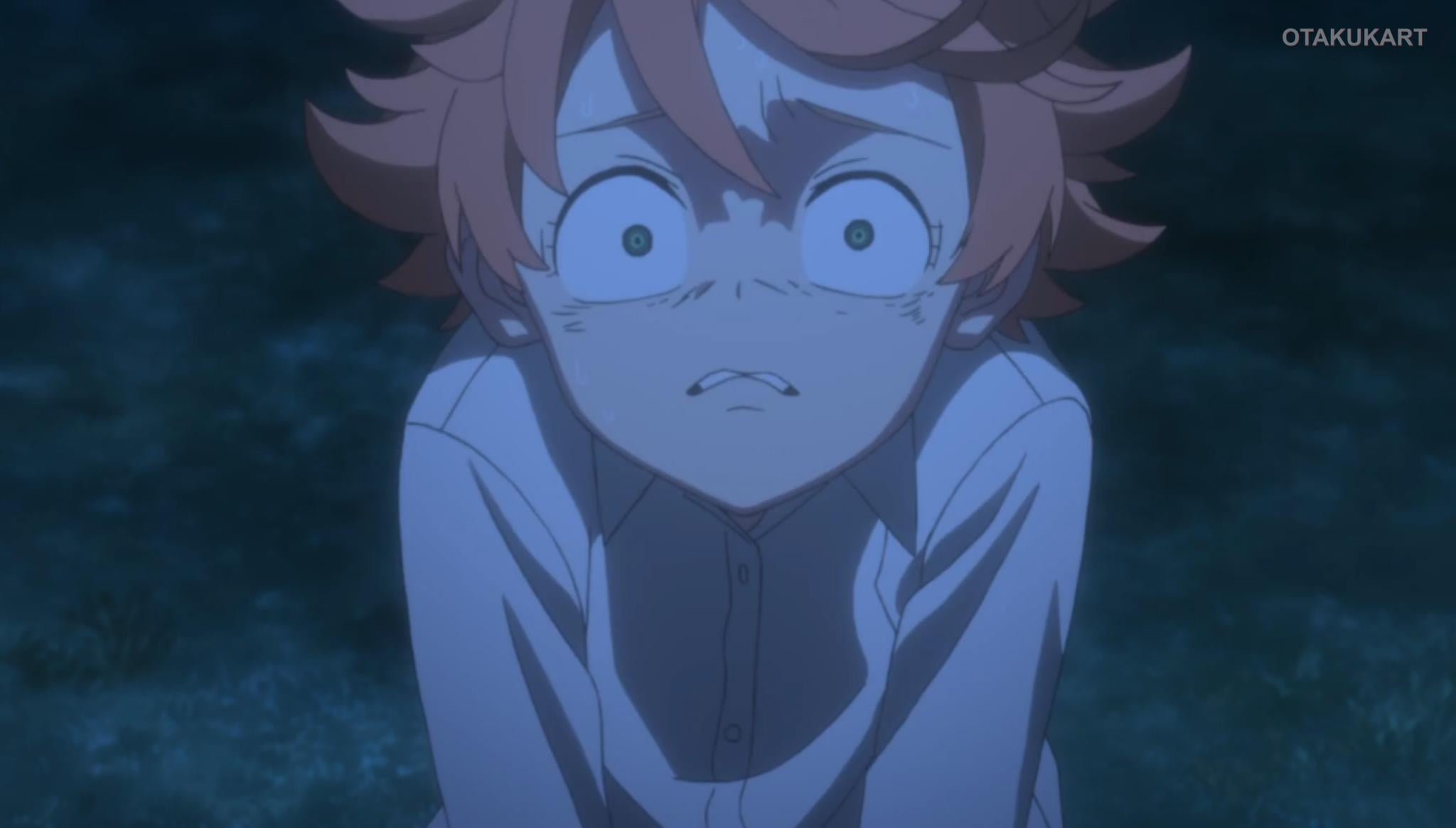
The mystery begins when Emma and Norman return to the orphanage gate after Conny, a younger girl, is sent away for adoption. They find her stuffed rabbit inside the car and discover her dead body, realizing that the children are not being sent to loving families. Emma and Norman then learn that Grace Field House raises children as food for demons, while Isabella, their caretaker, works with the people running the system.
For viewers who want a different kind of dark anime experience, The Promised Neverland offers suspense instead of constant supernatural battles. The children must study Isabella’s routines, test the limits of the orphanage, and find ways to communicate without being noticed. Emma’s determination to save every child gives the story an emotional center, while Norman and Ray approach the danger through different forms of intelligence and planning.
The children at Grace Field House have soft, rounded features, large expressive eyes, and simple clothing that make them look innocent and approachable. Emma’s bright orange hair and energetic expression reflect her cheerful personality, while Norman’s white hair and calm smile match his gentle, intelligent nature. Ray’s black hair and more serious expression hint at his quieter, observant personality, creating a visual contrast with the other two.
12. Fire Force Combines Supernatural Action With a Disturbing Mystery
The final season of Fire Force confirms its connection to Soul Eater, revealing that Shinra’s battle to save humanity leads to the creation of a new world. After defeating the forces behind the Great Cataclysm, Shinra uses his godlike power to reshape reality, and the ending introduces familiar elements from Soul Eater, including Lord Death and the series’ distinctive world. This turns years of visual similarities and subtle references into a major story revelation.
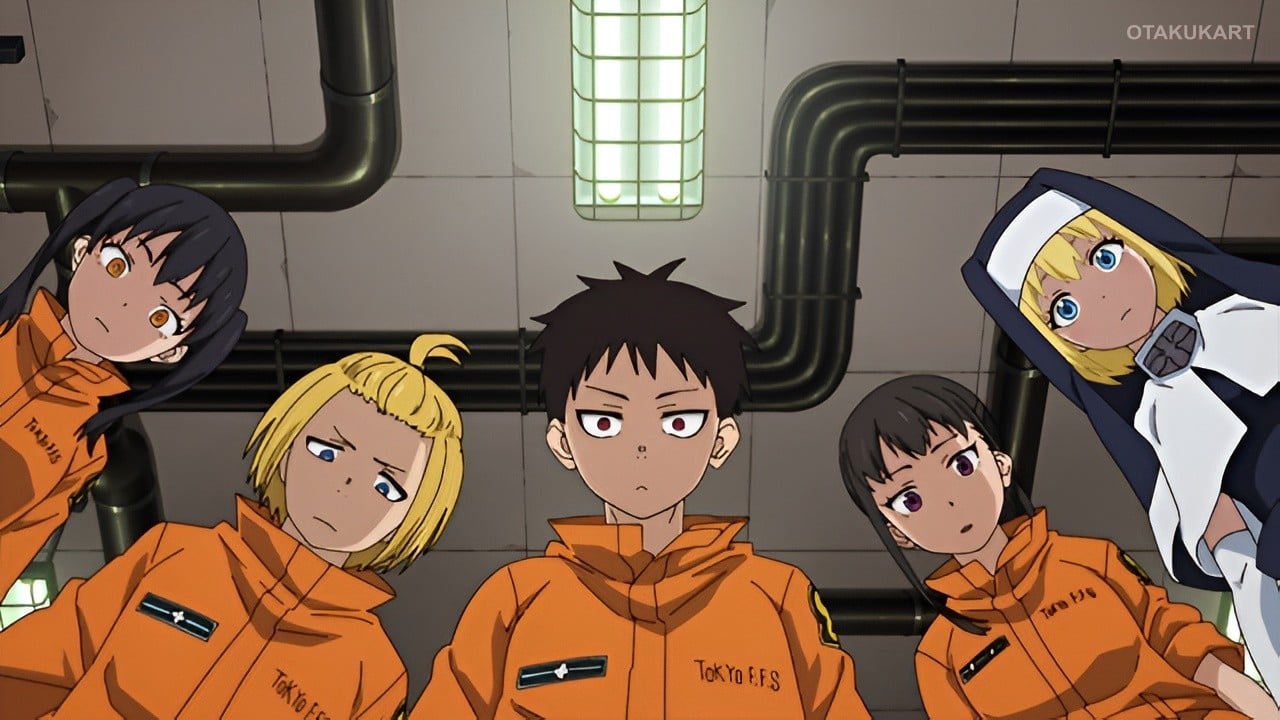
Spontaneous human combustion gives the anime a distinctive firefighting theme, where special fire soldiers battle Infernals and investigate the cause of the disasters. Shinra Kusakabe joins Company 8 after losing his family in a fire, hoping to become a hero while searching for the truth behind his mother’s death. His ability to ignite his feet and fly through the air makes his fighting style different from ordinary fire-based attacks. As the story progresses, the mystery expands to include the Evangelist, Adolla, and the Great Cataclysm, turning firefighting missions into a much larger conflict.
Arthur’s biggest battle takes place during the fight against Dragon, when he is sent into space to stop the powerful Infernal. Believing himself to be a knight fighting a legendary dragon, Arthur uses Excalibur to cut through Dragon’s attacks and eventually defeats him. His imagination becomes a major part of the fight, allowing him to treat the battle like a heroic legend rather than a normal combat situation.
The animation gives Fire Force a strong visual identity through bright flames, sharp movement, and dramatic lighting during combat. Shinra’s foot-powered attacks create fast aerial sequences, while Arthur’s sword techniques produce powerful bursts of light and energy. The series also uses exaggerated facial expressions and unusual camera angles to balance its serious battles with comedy.
13. Soul Eater Makes the Supernatural Feel Stylish and Unsettling
At the Death Weapon Meister Academy, students train to become Meisters or living weapons while learning how to fight supernatural enemies. Maka Albarn partners with Soul Eater, a boy who transforms into a scythe, and they must collect 99 evil human souls and one witch soul to create a Death Scythe. Their missions take them beyond the classroom, where they face witches, Kishin followers, and creatures that threaten ordinary people.
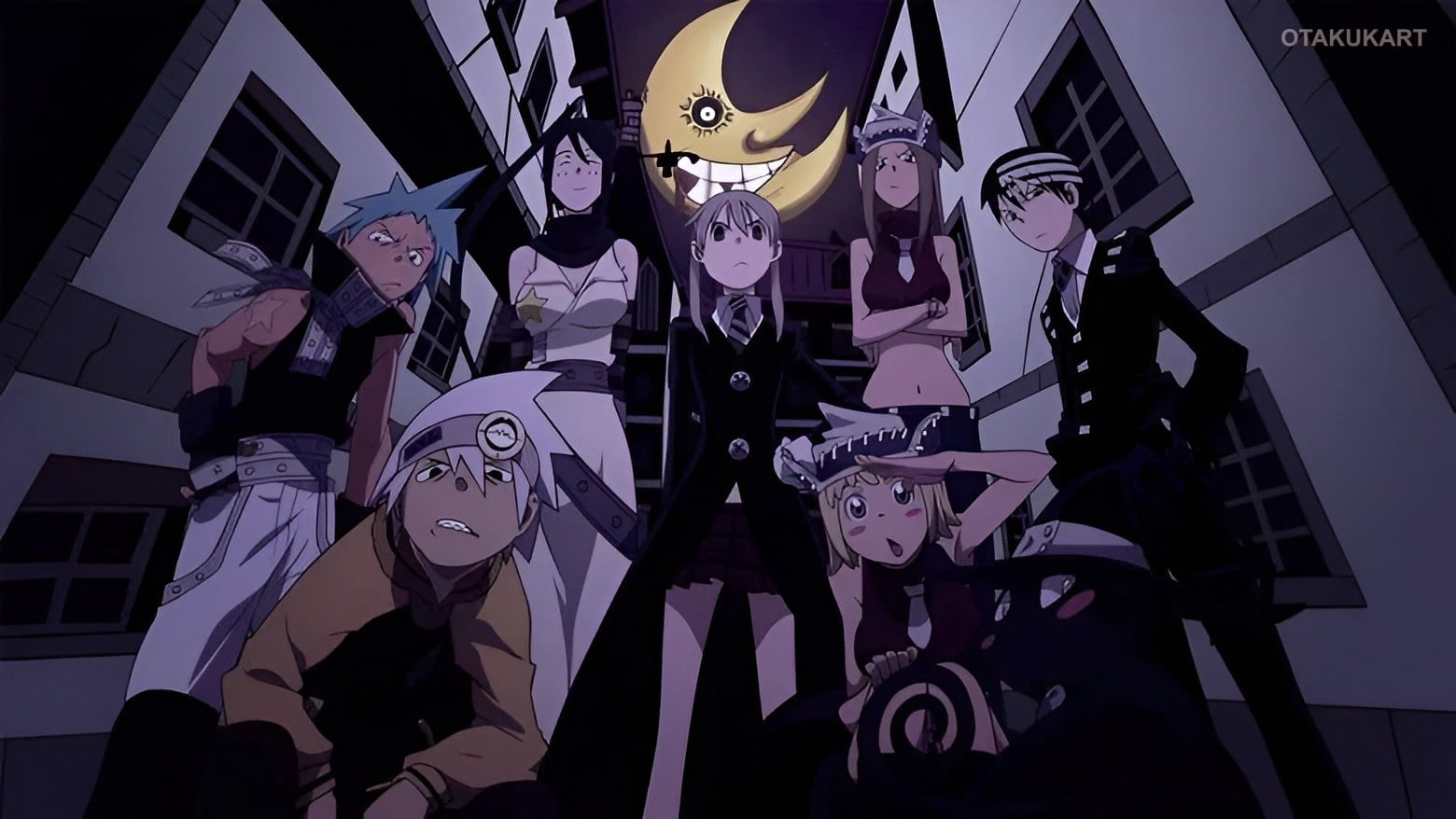
Maka and Soul’s partnership is central to the story because their fighting styles depend on trust and teamwork. Maka uses Soul’s scythe form in battle, while Soul relies on her timing and ability to read an opponent. Their relationship becomes more difficult when Soul’s blood begins to awaken the Black Blood, which threatens to corrupt him.
Unlike Fire Force, which builds much of its action around firefighting missions and the mystery of spontaneous human combustion, Soul Eater uses a supernatural school setting to create a stranger mix of danger and comedy. Maka and Soul face enemies such as Medusa, a witch who experiments on children, while the Kishin threatens the world by spreading madness.
At the same time, characters like Death the Kid and Black☆Star bring exaggerated personalities and ridiculous behavior into serious situations. This balance allows Soul Eater to explore frightening ideas such as madness and death while keeping its battles entertaining and its world full of unusual characters.
14. Noragami Gives Its Gods a Very Human Problem
The anime received two television seasons, both produced by Studio Bones, but the studio has not announced a third season. The first season introduces Yato, Hiyori, and Yukine, while the second season expands the story through the Bishamon and Yomi arcs. These episodes reveal more about Yato’s past and the difficult relationships between gods, spirits, and humans. Although the manga continues beyond the anime, viewers are still waiting for an official announcement about a third season.
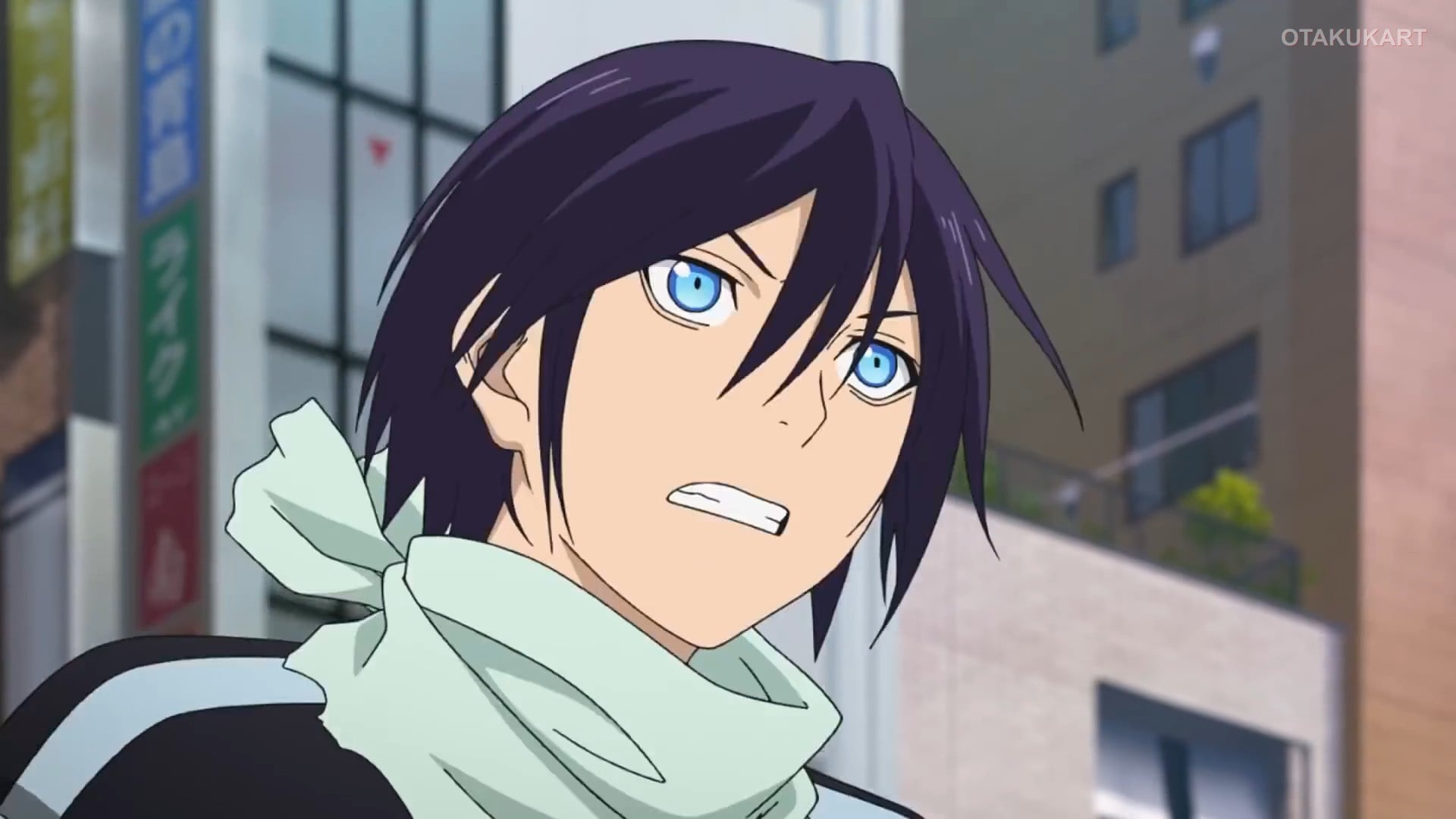
Yato wants to become a famous god, but he has no shrine and earns money by accepting small requests for five yen. His past as a god of calamity becomes a problem when Nora, a former Regalia who once served him, reminds him of the violent work he used to do. After Yukine becomes his Regalia, Yato must deal with the boy’s anger and jealousy, which begin affecting Yato’s health and his ability to fight.
While returning home from school, Hiyori pushes Yato out of the way of a bus and is struck herself, causing her soul to slip out of her body. She can now see gods and phantoms, and her soul sometimes leaves her body without warning. Her attempts to help Yato and Yukine become more complicated when Yukine’s jealousy leads him to steal from others, causing Yato to suffer from the pain of his Regalia’s actions. As Hiyori grows closer to both of them, she becomes emotionally involved in their struggles and begins to understand how supernatural choices can hurt the people they care about.
Noragami also uses humor to make its darker themes easier to approach. Yato’s habit of advertising himself as a god for hire, his obsession with building a shrine, and his arguments with Yukine create funny moments even when the story becomes serious. Hiyori’s reactions to Yato’s strange behavior add another layer of comedy, especially when she tries to understand the rules of the spirit world.
15. Bungo Stray Dogs Turns Supernatural Powers Into a Battle of Wits
During the Guild conflict, Atsushi faces Lovecraft, whose monstrous ability makes ordinary attacks almost useless. Dazai and Chuuya must work together despite their rivalry, with Dazai nullifying Lovecraft’s power while Chuuya uses his gravity manipulation to attack. Their victory depends on combining abilities at the right moment rather than simply overpowering the enemy. Atsushi’s own transformation also becomes important because he must learn to control the white tiger’s strength instead of relying on it blindly.
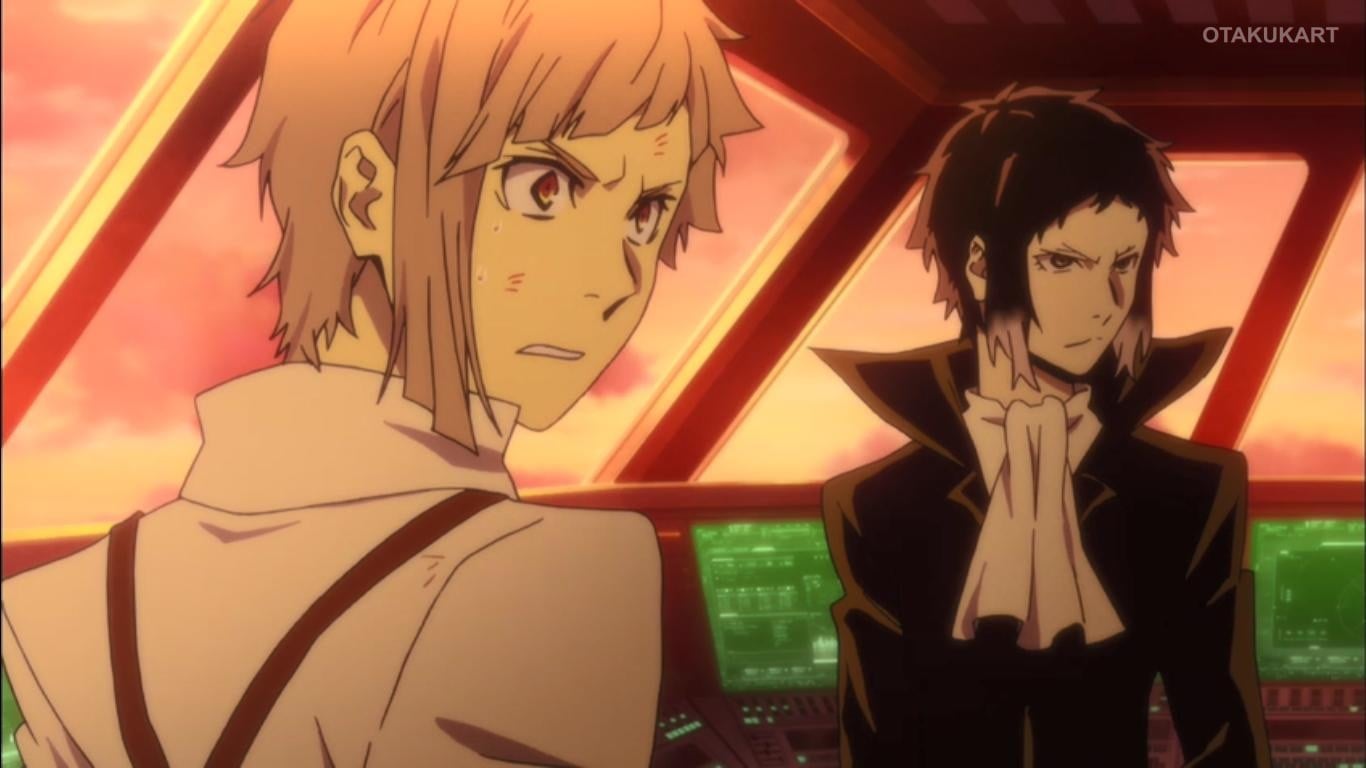
After being expelled from his orphanage, Atsushi wanders along the riverbank, starving and desperate, until he sees Osamu Dazai drowning in the river. He saves Dazai, who soon discovers that Atsushi is the white tiger responsible for the strange attacks around Yokohama. Dazai brings him to the Armed Detective Agency, where Atsushi learns to control his transformation and becomes involved in the Agency’s conflict with the Port Mafia.
Unlike Black Torch, which follows Jiro Azuma after he becomes connected to Rago, Bungo Stray Dogs places its supernatural abilities inside organized groups with competing goals. Atsushi’s tiger transformation, Dazai’s ability to nullify other powers, and Akutagawa’s Rashomon all become important parts of the conflict between the Armed Detective Agency and the Port Mafia. The characters must understand how these abilities work before they can use them effectively against one another.
The anime also explores identity, trauma, and the need to find a place in the world. Atsushi’s difficult childhood leaves him desperate for approval, while Akutagawa’s violent upbringing shapes his desire to prove himself to Dazai. Their rivalry becomes more complicated because both characters are searching for recognition in different ways.
The balance between mystery, comedy, and character drama gives Bungo Stray Dogs its distinctive tone. Dazai’s strange behavior and Kunikida’s frustration often create humor between serious cases, while the Port Mafia brings a more dangerous atmosphere whenever its members appear. The contrast makes the darker moments feel more powerful because the characters are not defined only by their powers or battles.