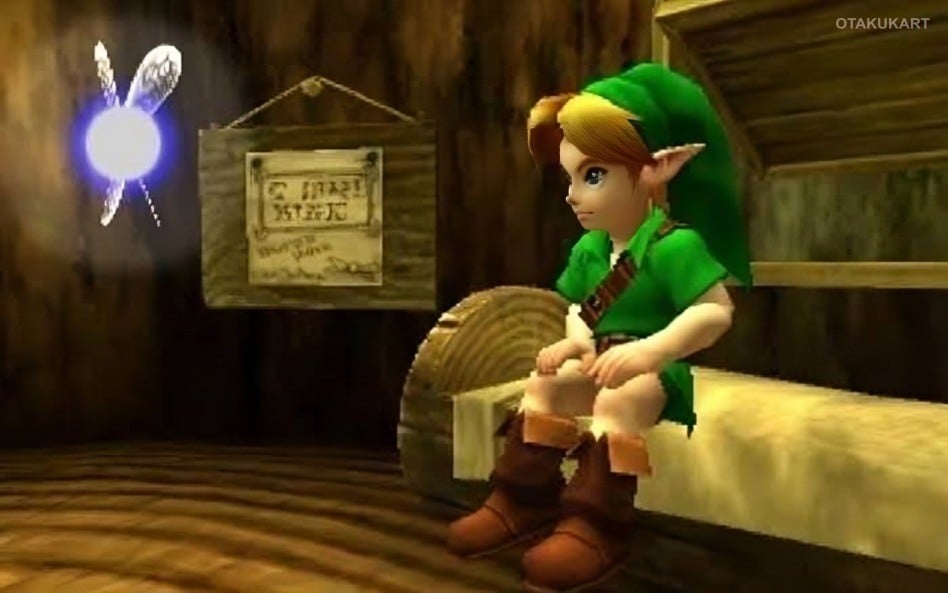
Navi, the glowing fairy who accompanies Link in The Legend of Zelda: Ocarina of Time, could have looked very different if Nintendo’s 1998 adventure had been developed for more powerful hardware. Yoshiaki Koizumi, one of the game’s designers, revealed that he initially imagined the character as a cute, human-like girl rather than the floating ball of light familiar to players.
Koizumi discussed the idea in a 2011 interview published through Nintendo’s Iwata Asks series. Explaining why the original concept changed, he said,
“Usually, if you were to make a fairy, you would make a cute girl, but that wasn’t possible with the Nintendo 64 system, so I just made a ball of light with wings.”
The technical limitations of Nintendo’s console ultimately helped shape Navi’s distinctive appearance, which has remained closely associated with Ocarina of Time for decades.
NAVI WAS ORIGINALLY DESIGNED TO REPLACE A BASIC TARGETING MARKER
Navi’s origins were also connected to one of the game’s important gameplay innovations. During development, the team initially used a simple triangular marker to indicate which enemy Link was targeting. Koizumi wanted something more imaginative that would fit the fantasy setting of The Legend of Zelda.
“I was a designer, so I didn’t want to use such a simple marker,”
he explained in the same Nintendo interview. His solution was to introduce a fairy that could serve as both a targeting indicator and a companion within the story.
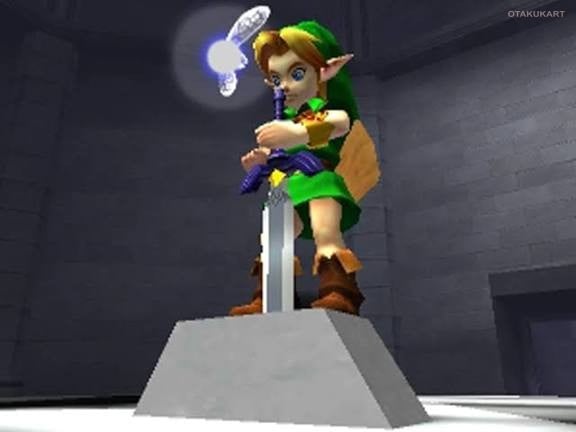
The character eventually became much more than a visual marker. Navi guides Link, offers hints, identifies targets, and helps players understand their surroundings. Naming her also encouraged the developers to expand her role in the narrative.
Interest in Koizumi’s comments has resurfaced alongside Nintendo’s new version of The Legend of Zelda: Ocarina of Time for Nintendo Switch 2. Nintendo’s official game page confirms that the remake features updated visuals and expanded presentation.
Navi retains her recognizable glowing-fairy design in the new version. What began as a compromise dictated by older hardware has become an enduring part of the game’s identity, demonstrating how technical restrictions can influence creative decisions that last for generations.
| Release Date | November 21, 1998 |
|---|---|
| Platforms | Nintendo 64, Nintendo GameCube, iQue Player, Nintendo 3DS +1 more |
| Developer | Nintendo EAD |
| Director | Eiji Aonuma Yoshiaki Koizumi |
| Writer / Narrative | Nintendo EAD Toru Osawa |