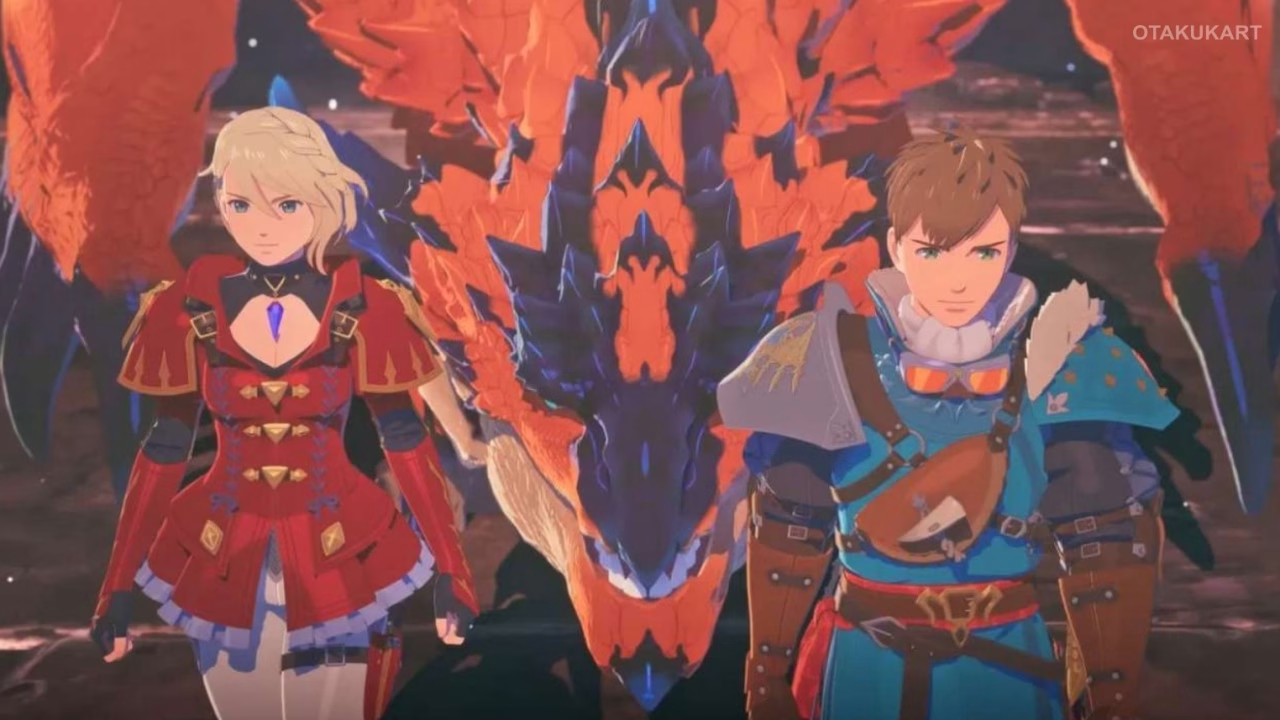
Monster Hunter Stories 3: Twisted Reflection introduces one of the biggest changes in the spin-off series by giving its protagonist a fully voiced performance. However, according to director Kenji Oguro, the development team seriously explored taking that customization even further before ultimately deciding against it.
In an exclusive interview with Gamer Braves, discussing the game’s creative direction, Oguro revealed that voice customization was tested during development, but the team concluded it came at the cost of performance quality. The decision reflects the studio’s broader goal of delivering a more emotionally driven story while preserving the authenticity of the actors’ performances.
Voice customization was tested but didn’t meet the team’s expectations
While players can freely customize their protagonist’s appearance in Twisted Reflection, the character’s voice remains fixed throughout the adventure. Oguro explained that this wasn’t the original plan, as the team experimented with letting players modify the protagonist’s voice to better match their customized character.
However, those tests failed to deliver the results the developers were hoping for.
“While it wasn’t impossible to make the voice customizable as well, artificially or mechanically altering the audio pitch would end up ruining the unique charm and expressive nuances that the voice actors bring to the table. We actually ran tests on this, but the results just weren’t very good,”
Oguro said.
Rather than compromise the emotional delivery of the performances, the team chose to preserve a single voice actor’s interpretation. According to Oguro, the developers believed the quality of the performance outweighed the additional customization option.
A fully voiced protagonist supported the game’s darker narrative
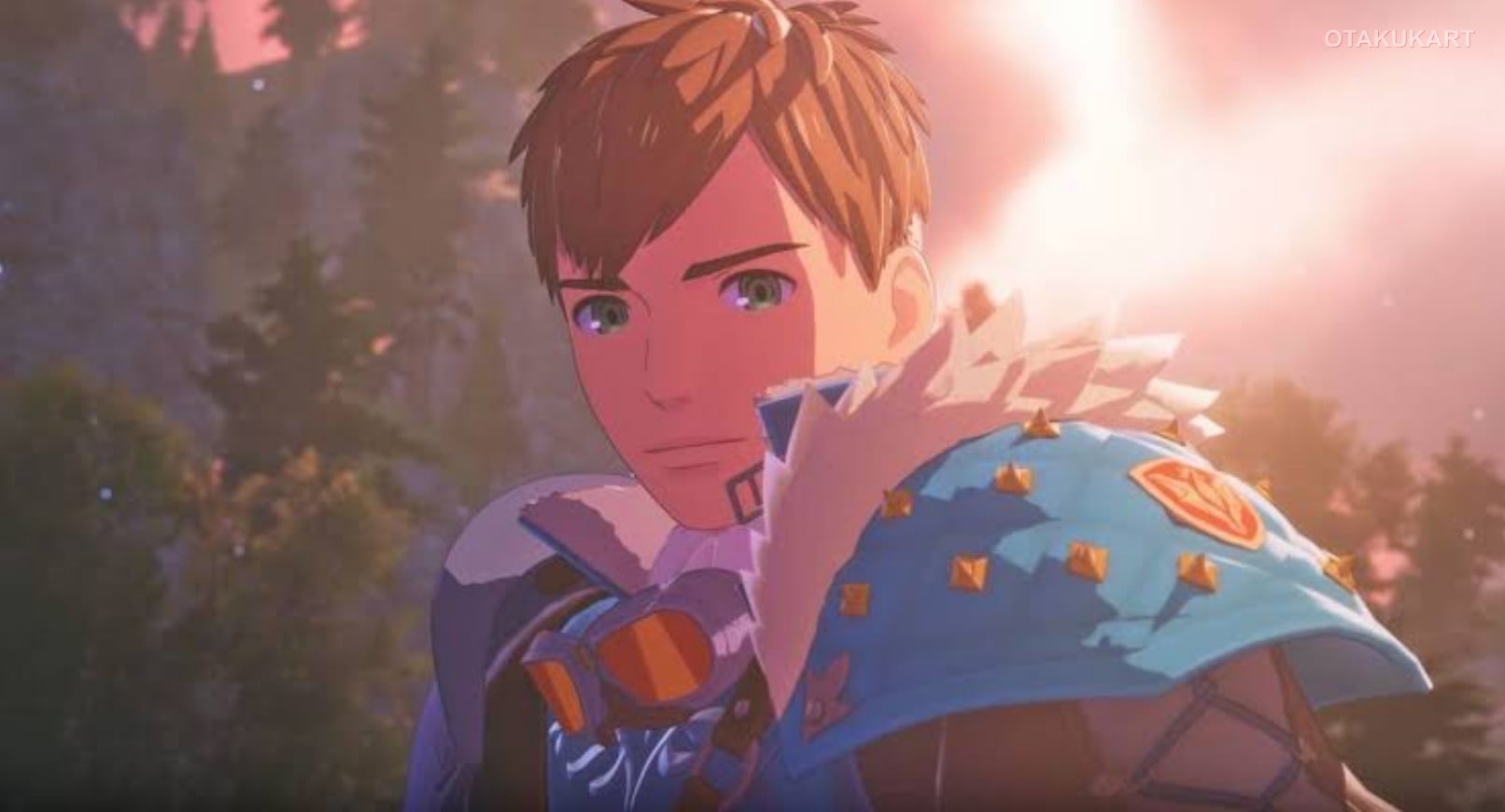
The move away from a silent protagonist was also tied directly to the story Twisted Reflection wanted to tell. Unlike the coming-of-age themes of the first two Monster Hunter Stories titles, the latest entry follows an experienced Rider carrying emotional burdens from the outset.
Oguro explained that giving the protagonist a voice helped strengthen that direction.
“With that framework, we felt that having the protagonist express their own emotions through full voice acting would allow us to craft a much deeper story, and ultimately help players empathize with them on a more profound level.”
Even after settling on a fixed voice, Oguro admitted he remained uncertain until seeing the feature fully integrated into the game.
“That anxiety instantly turned into a conviction that we had made the right choice. Knowing that our players have connected with that same conviction is exactly why I feel both the happiness and the relief.”
Creative decisions extended beyond voice acting
The interview also shed light on several other development choices that shaped Monster Hunter Stories 3. Lead Game Designer Daisuke Wakahara explained that the team intentionally created a smaller but more carefully curated monster roster after rebuilding the game on a new engine.
Instead of simply increasing the number of monsters, the developers focused on ensuring each one played a meaningful role in combat, exploration, training, and regional identity. Wakahara said the roster was selected by balancing elemental diversity, familiarity for longtime fans, and compatibility with each environment.
The team also addressed why Deviant Monsters and certain Elder Dragons do not appear in the new Habitat Restoration system. According to Wakahara, supporting those creatures would have required significant development resources, so the studio prioritized making standard Monsties dynamically populate the world instead.
Similarly, Invasive Monsters cannot be recruited because doing so would conflict with the Ranger’s responsibility to protect ecosystems, reinforcing the game’s environmental themes.
A philosophy centered on story and player immersion
Elsewhere in the interview, Oguro explained why players never travel to Vermeil, despite its importance to the narrative. He said the decision stemmed from his belief that the player’s perspective should closely mirror the protagonist’s, allowing gameplay and storytelling to remain tightly connected.
Looking ahead, Oguro reflected on how much the Monster Hunter Stories series has evolved across three entries and expressed enthusiasm about continuing that growth in future projects.
For now, Monster Hunter Stories 3: Twisted Reflection stands as the team’s most ambitious entry yet, with its fully voiced protagonist representing one of the clearest examples of the developers choosing emotional storytelling over additional customization.