SEGA used Summer Game Fest 2026 to officially dropped Virtua Fighter Crossroads, a bold new entry in its long-running fighting game franchise. Developed by RGG Studio, the title is set to launch in 2027 and represents a major shift in how the series approaches both storytelling and gameplay.
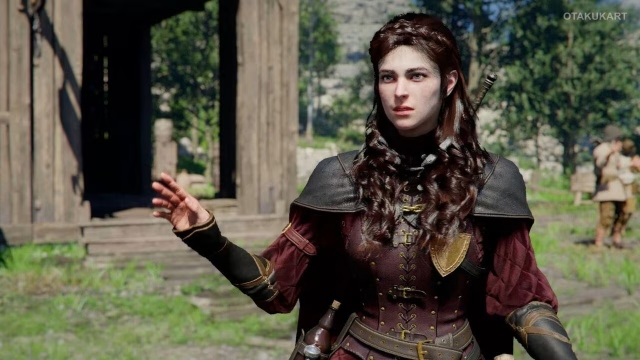
The first reveal trailer introduced a fresh face to the roster, Cielo, while teasing a cinematic tone that signals a clear departure from the franchise’s traditionally arcade-focused roots. At the same time, SEGA emphasized that the core identity of Virtua Fighter, grounded in realistic combat and simple controls, remains intact.
A Narrative-Driven Direction for Virtua Fighter
One of the biggest changes in Virtua Fighter Crossroads is its focus on story. Unlike previous entries that prioritized competitive one-on-one matches, this new installment introduces a full narrative experience built around multiple protagonists.
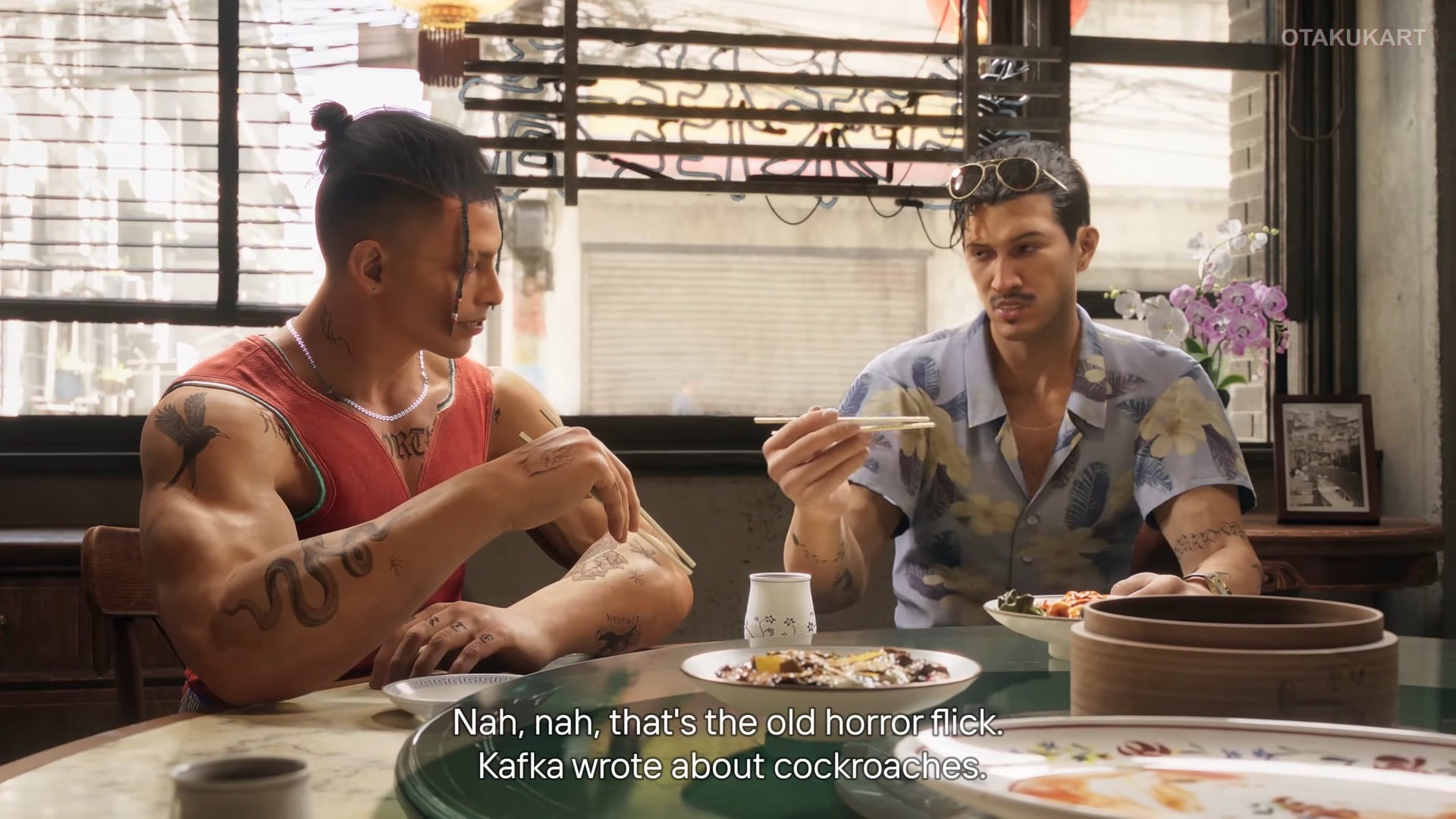
The story is structured as an interconnected saga, following four different characters whose paths cross in a fictional city shaped by underground fighting and political tension. This approach allows the game to explore character motivations and consequences in a way that goes beyond traditional fighting game storytelling.
Players will be able to explore the city, take part in side activities, and make choices that influence how events unfold. This creates a more immersive experience that blends action-adventure elements with the series’ signature combat.
Classic Combat Meets Modern Evolution
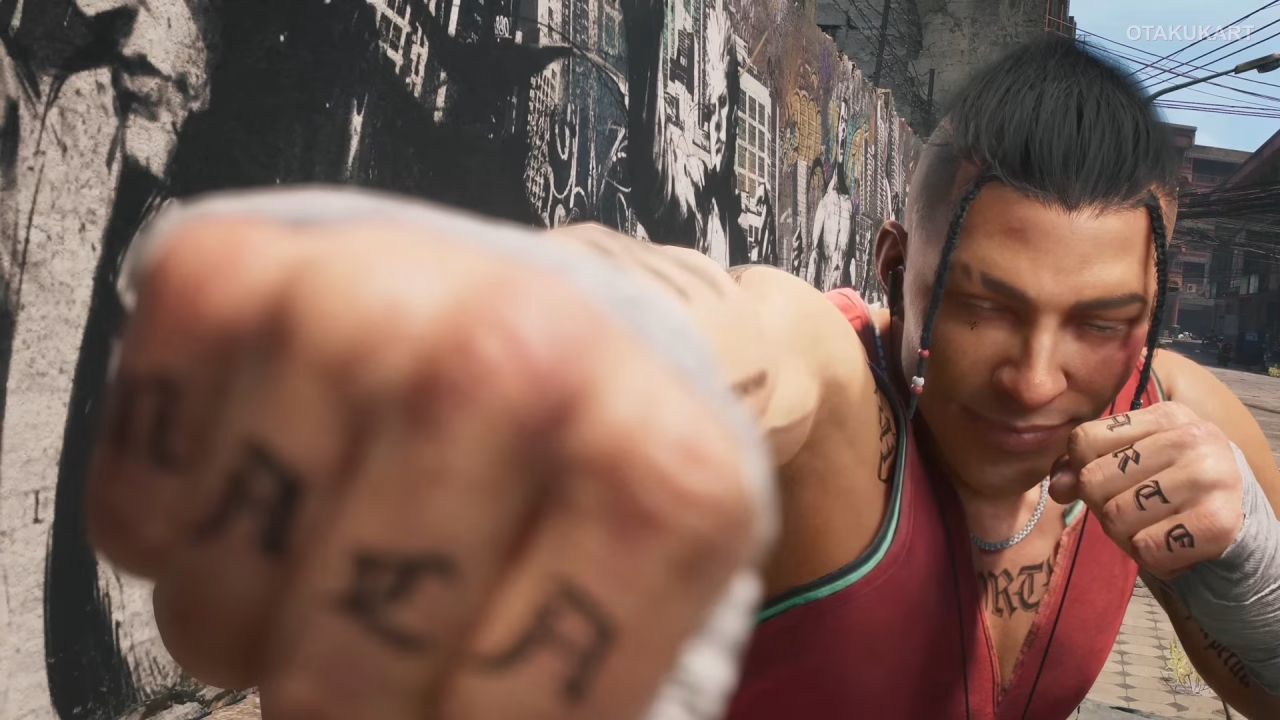
Despite the narrative shift, Virtua Fighter Crossroads is still rooted in the mechanics that defined the series. The game retains its iconic three-button system focused on punch, kick, and guard, ensuring accessibility while maintaining depth.
At the same time, the new battle system is designed to feel more dynamic and impactful, with an emphasis on realism and fluidity. Players can expect a mix of traditional one-on-one fights, larger-scale encounters, and boss battles integrated into the story mode.
During a developer showcase, Producer and Creative Director Riichiro Yamada addressed concerns about the shift in direction, stating that even if the game looks like an action-adventure experience at first glance, it is still fundamentally built on the DNA of a fighting game. He emphasized that the team wanted to preserve what makes Virtua Fighter unique while expanding its appeal to a broader audience.
A New World Built for Story and Combat
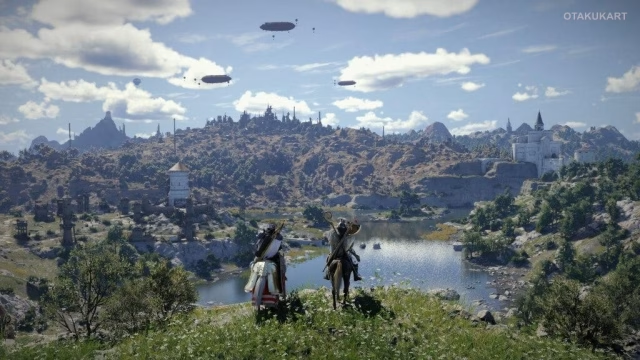
The setting of Virtua Fighter Crossroads plays a central role in its design. The game takes place in a fictional city described as a hub for martial arts, where underground tournaments and hidden agendas collide.
This environment is more than just a backdrop. It serves as a living space filled with activities, side stories, and encounters that deepen the narrative. The city’s structure allows players to move between different districts, each offering unique challenges and perspectives tied to the characters’ journeys.
The storyline revolves around a major fighting event and a series of mysterious incidents involving martial artists, setting the stage for a high-stakes conflict that unfolds across multiple viewpoints.
Interestingly, Virtua Fighter Crossroads is not being positioned as a direct sequel like “Virtua Fighter 6,” even though it continues the legacy of the series. Instead, the focus is on reinvention, using the “Crossroads” concept to symbolize both narrative intersections and the franchise’s new direction.
This approach reflects SEGA’s broader strategy of evolving its classic properties to fit modern gaming expectations. By combining cinematic storytelling with competitive gameplay elements, Crossroads aims to attract both longtime fans and newcomers.
With its 2027 release window confirmed and more details expected in the coming months, Virtua Fighter Crossroads is shaping up to be one of the most ambitious reimaginings of a legacy fighting franchise in recent years.