The upcoming The Witcher Remake faces the difficult task of modernizing a beloved RPG without losing the identity that made the 2007 original memorable.
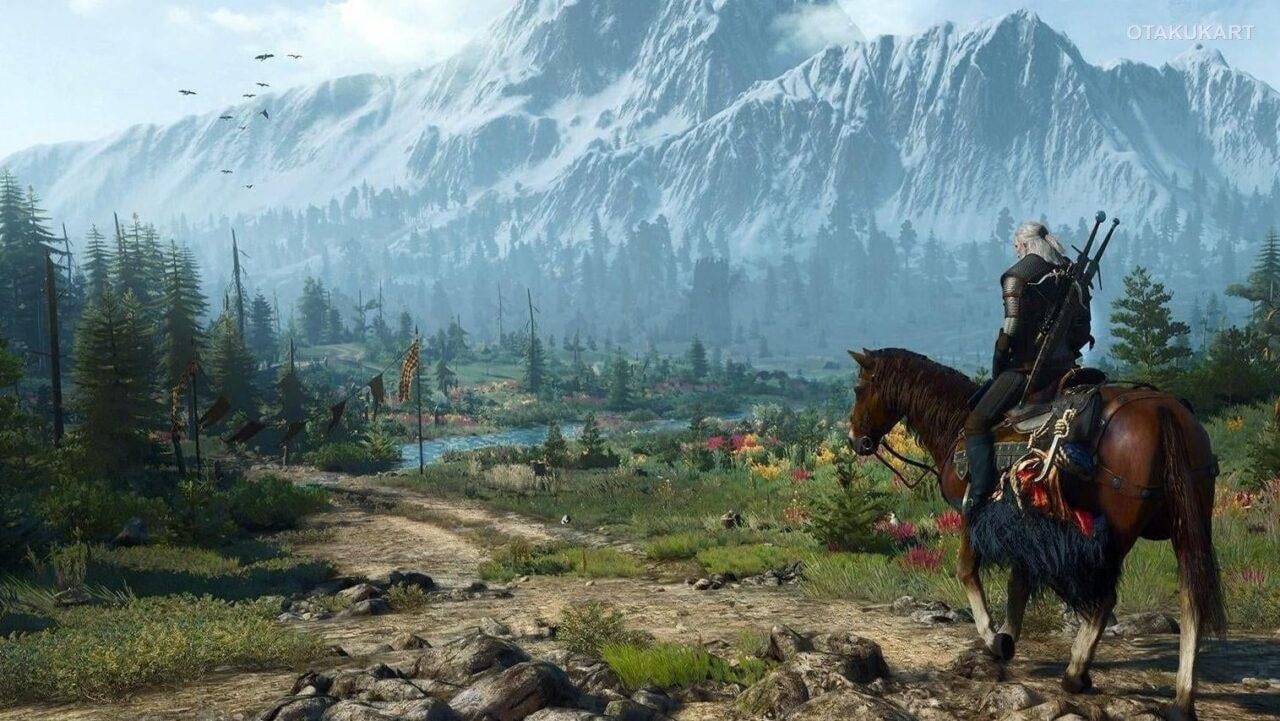
According to Artur Ganszyniec, the lead story designer of the first game, one of the biggest risks would be turning the remake into something that feels too much like The Witcher 3: Wild Hunt.
Speaking in an interview with Mateusz Łysoń, Ganszyniec reflected on the development of the original game and shared his thoughts on what should—and should not—change in the remake being developed by Fool’s Theory with support from CD Projekt Red.
The Original Witcher Was Built Under Heavy Limitations
Looking back at the development of the first game, Ganszyniec described the project as an ambitious effort created by a passionate but inexperienced team working with limited resources.
“With all due respect to the work of everyone involved, but in some aspects, it was basically a modding effort,”
he said.
“We were a group of enthusiasts fighting against an engine in hopes of squeezing something new… for which we did not have a big budget.”
He added that The Witcher 3 ultimately became much closer to the vision the original team had hoped to achieve if they had possessed the technology, budget, and experience available years later.
Although many fans expect modern RPGs to feature seamless open worlds, Ganszyniec believes that approach could fundamentally change how the original story functions.
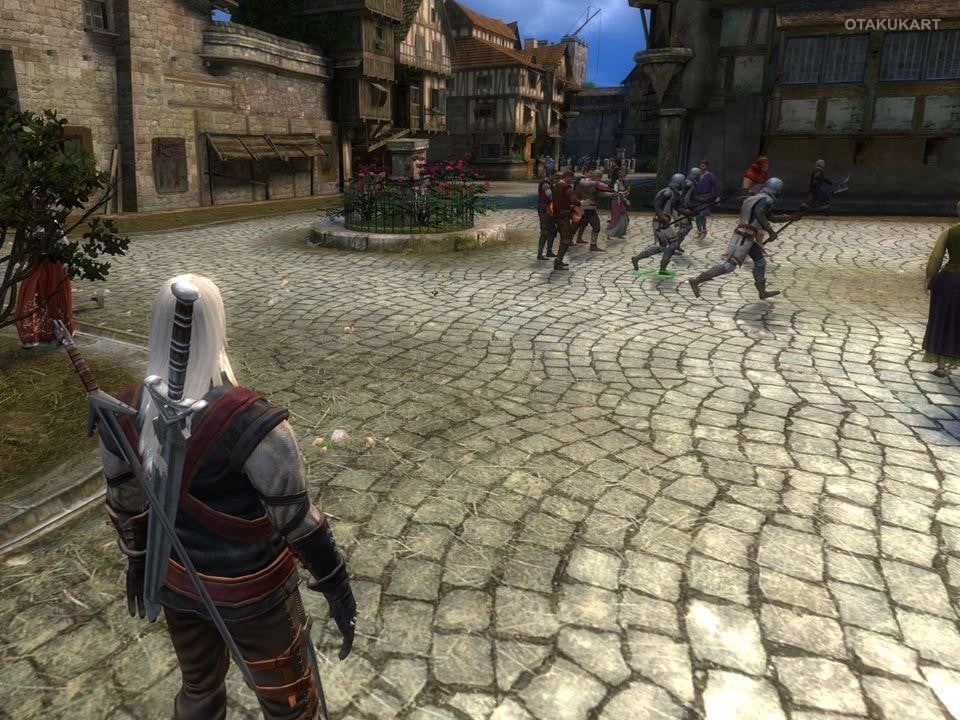
He explained that the first The Witcher relied on carefully controlled environments where developers always knew where players would be. That allowed story events to trigger naturally at specific moments.
“If we opened the locations up, there would be more space, and if there’s more space, there needs to be more content,”
he explained. Expanding the game’s maps would significantly increase development complexity while changing the pacing of the narrative.
As an example, Ganszyniec pointed to the Lake Vizima region in Act V. In a completely open-world version, players could theoretically bypass key story progression simply by taking a boat directly to important locations.
“It might be exciting from the point of view of a player, but as a designer I can already feel my hair turning gray,”
he joked.
Areas That Deserve Modernization
While Ganszyniec believes the remake should preserve much of the original structure, he also acknowledges that several elements deserve significant improvements.
Among the biggest changes he recommended are replacing the controversial romance card collectibles, redesigning the game’s rhythm-based combat system, and modernizing level design.
However, he defended the original decision to give Geralt amnesia. According to Ganszyniec, the storyline served both practical and creative purposes by introducing newcomers to the world of The Witcher without requiring knowledge of Andrzej Sapkowski’s novels. He believes that approach could still work today, allowing new players to naturally progress from the remake into The Witcher 3 and eventually The Witcher 4.
With The Witcher Remake still in development, Ganszyniec’s comments highlight the delicate balance facing Fool’s Theory and CD Projekt Red: modernizing a classic while preserving the design philosophy that made the original game stand apart from its acclaimed successors.