

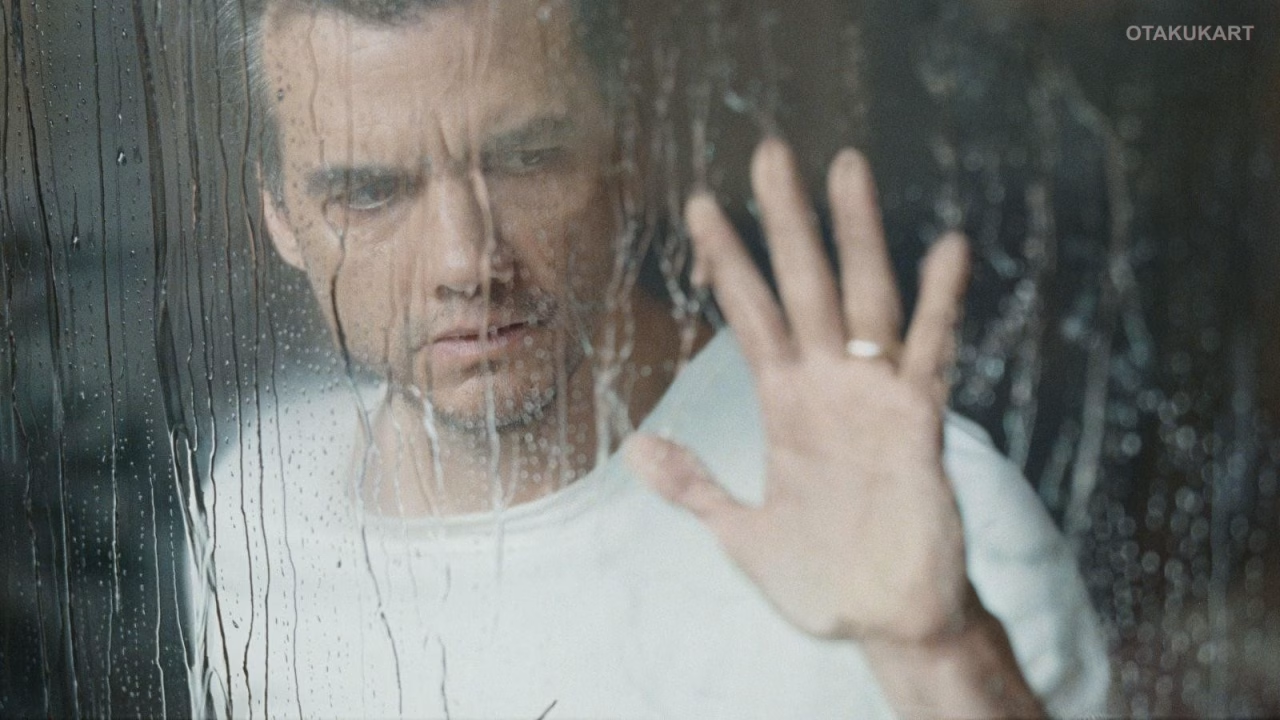
Netflix’s The Last House left many viewers questioning its strange ending, supernatural elements, and the true identity of the creatures surrounding the trapped family. Director Louis Leterrier has now explained the meaning behind the movie’s final act, revealing that the story was designed to challenge humanity’s view of itself rather than simply deliver a traditional survival horror conclusion.
The film follows a family forced to survive inside their own home as strange weather patterns and mysterious forces trap them for years. What initially appears to be a claustrophobic disaster story gradually expands into a much larger cosmic horror narrative involving ancient aquatic beings and humanity’s place in the world.
The Last House Ending Expands Into Cosmic Horror
In an interview with Polygon, director Louis Leterrier explained that developing the movie’s conclusion was one of the biggest challenges because the original script did not contain a complete third act. The filmmaker focused on making the ending grow naturally from the family’s emotional journey.
“The challenge for these types of movies is not running out of emotional gas,”
Leterrier explained, describing the progression from
“physical survival to the mental survival to the emotional survival, psychological survival.”
He added that the story eventually needed to introduce “the uncanny and everything” surrounding the larger mystery.
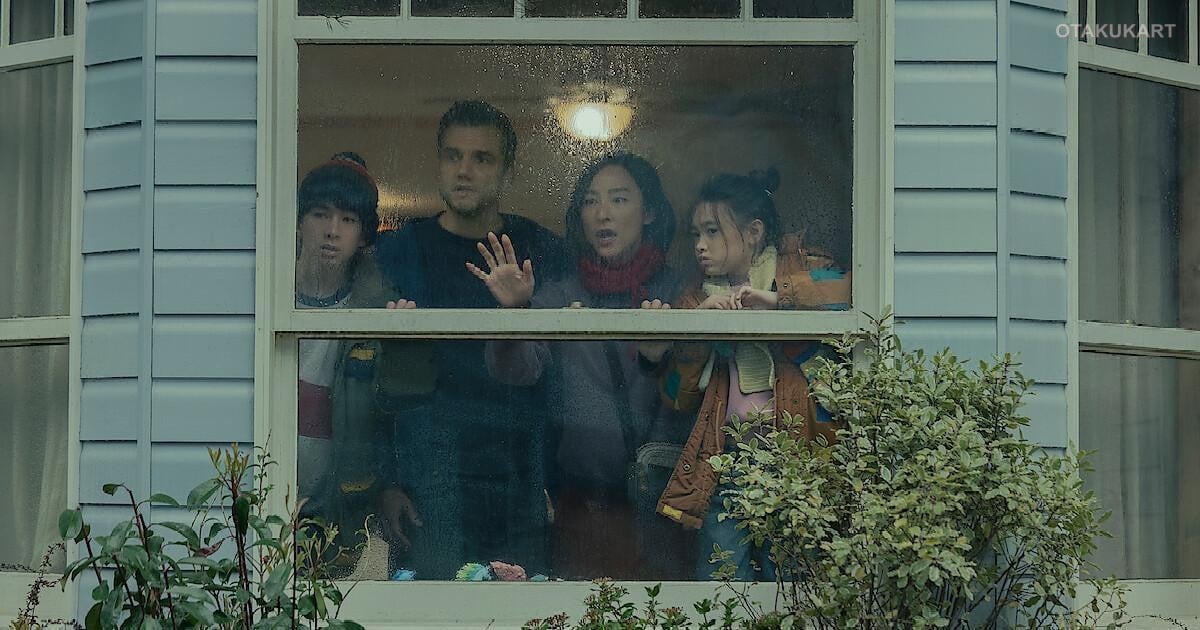
The final reveal shows that the beings controlling the planet’s destruction are not simply monsters but a species with its own perspective on humanity. Leterrier drew inspiration from folklore, legends, and mythical stories about creatures such as mermaids, using them to explore the idea that humans may not be the most important life form in existence.
The director said the concept came from a mixture of “fables, reality, urban myth, true legends,” while questioning humanity’s assumption that it represents the highest level of evolution.
Director Explains the Meaning Behind the Final Scene
The ending of The Last House sees the family escape their confinement after showing mercy toward one of the aquatic creatures. They leave behind their destroyed world and travel into an uncertain future, searching for signs of other survivors.
However, Leterrier intentionally avoided giving audiences a completely clear answer about what happens next. He questioned whether endings can truly be classified as happy or tragic after such a massive transformation.
The mysterious voice heard near the conclusion was also designed to remain open to interpretation. Leterrier questioned whether the voice was human, artificial, or something entirely different, allowing viewers to create their own theories about what exists beyond the family’s journey.
The director’s larger message focuses on humanity’s relationship with the planet and the universe. According to Leterrier, people often view themselves as heroes, but that perspective can ignore the damage humans have caused.
“If you really think about your position in the world… you’re not the good guy,”
Leterrier said.
“We humans are the bad guys of this planet.”
Through its cosmic horror ending, The Last House ultimately presents a warning about human arrogance and the possibility that Earth may belong to forces far beyond human understanding.
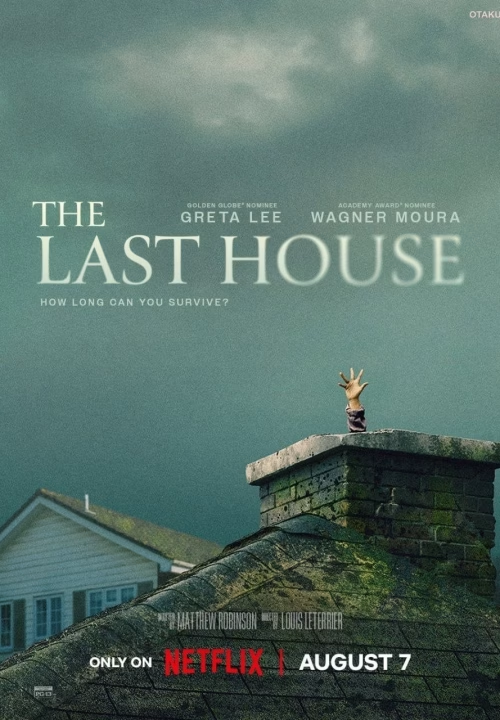
| Release Date | August 7, 2026 |
|---|---|
| Studio | Chernin Entertainment |
| Director | Louis Leterrier |
| Writer(s) | Matthew Robinson |



Yeah, the earth is controlled by forces far more powerful than we are… it’s Called God