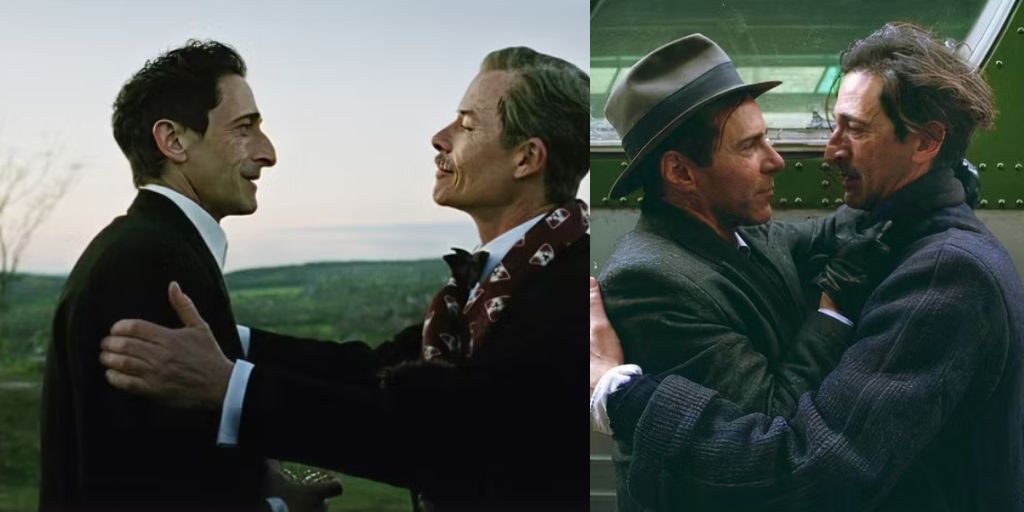
The Netflix miniseries “Death by Lightning” pulls back the curtain on one of the most dramatic and misunderstood chapters in American history, the assassination of President James A. Garfield. The show centers not only on the shocking act itself but on the web of secrets that followed.
Garfield, who served just 120 days before being shot by Charles Guiteau, was not just a victim of a deranged man but of a system that failed at every turn.
The series highlights how Garfield’s death was less about the bullet and more about the medical mishandling that followed, turning a national tragedy into a stark lesson on the consequences of arrogance and incompetence.
Garfield was shot at the Baltimore and Potomac train station in July 1881. While he survived the initial attack, his life was ultimately cut short by infection caused by repeated, unsanitary probing of his wound by doctors, most notably Dr. Bliss.
The autopsy later revealed that the bullet had missed every major organ, but the medical team’s actions sealed his fate. This episode exposed not just the limitations of 19th-century medicine but also the lack of accountability within the medical establishment.
The town’s secret, the real cause of Garfield’s death, was buried for years, with the official narrative focusing on the assassination rather than the medical negligence that killed him.
Justice, or the Illusion of It?
Charles Guiteau’s trial was a media circus, capturing the nation’s attention and raising uncomfortable questions about justice and fairness. Guiteau, a disgruntled office seeker who believed he was owed a government post, shot Garfield after being repeatedly rejected.
His trial was filled with theatrics, including his bizarre courtroom behavior and attempts to justify his actions. The spectacle turned the courtroom into a stage, with Guiteau becoming a symbol of the political system’s breakdown.
The trial’s outcome, Guiteau’s conviction and execution, was seen by many as a hollow victory. The deeper issues, such as the spoils system that led to Garfield’s rejection of Guiteau and the broader culture of patronage, were left largely unaddressed.
The aftermath of Garfield’s death did lead to some reforms, most notably the push to clean up the civil service system and end the practice of rewarding political supporters with government jobs. However, the series suggests that these changes were more cosmetic than transformative.

The real power brokers, those who benefited from the spoils system, remained untouched. The question of who truly paid for the town’s secret is left unanswered. Guiteau was executed, but the systemic failures that enabled the tragedy went unpunished.
The show’s portrayal of the trial and its aftermath highlights the limitations of justice when it comes to addressing deep-rooted societal problems.
Legacy and Lessons
“Death by Lightning” does more than retell a historical event; it forces viewers to confront the uncomfortable truths behind Garfield’s assassination. The series emphasizes that Garfield’s death was not just a personal tragedy but a national one, exposing the flaws in America’s political and medical systems.
The town’s secret, the real cause of Garfield’s death, and the broader failures that led to it, remain a cautionary tale about the cost of power and the importance of accountability.
The legacy of Garfield’s assassination is complex. On one hand, it led to reforms that improved the civil service system and reduced the influence of patronage. On the other hand, the deeper issues, such as the lack of accountability in the medical profession and the persistence of political corruption, were left largely unaddressed.
The series suggests that while the immediate aftermath of Garfield’s death brought some change, the true cost of the town’s secret was never fully paid. The question of who paid for it remains a haunting one, with the answer still debated by historians and viewers alike.
The story of “Death by Lightning” is not just about a president’s assassination but about the secrets that lie beneath the surface of power. The series serves as a reminder that the cost of those secrets is often borne by the most vulnerable, while those in power remain largely untouched.
The town’s secret, exposed but not fully reckoned with, continues to resonate, challenging viewers to think critically about justice, accountability, and the true cost of power.
Also Read: MAMAMOO’s Hwasa Achieves First Perfect All-Kill for a Female Soloist in 2025 with “Good Goodbye”