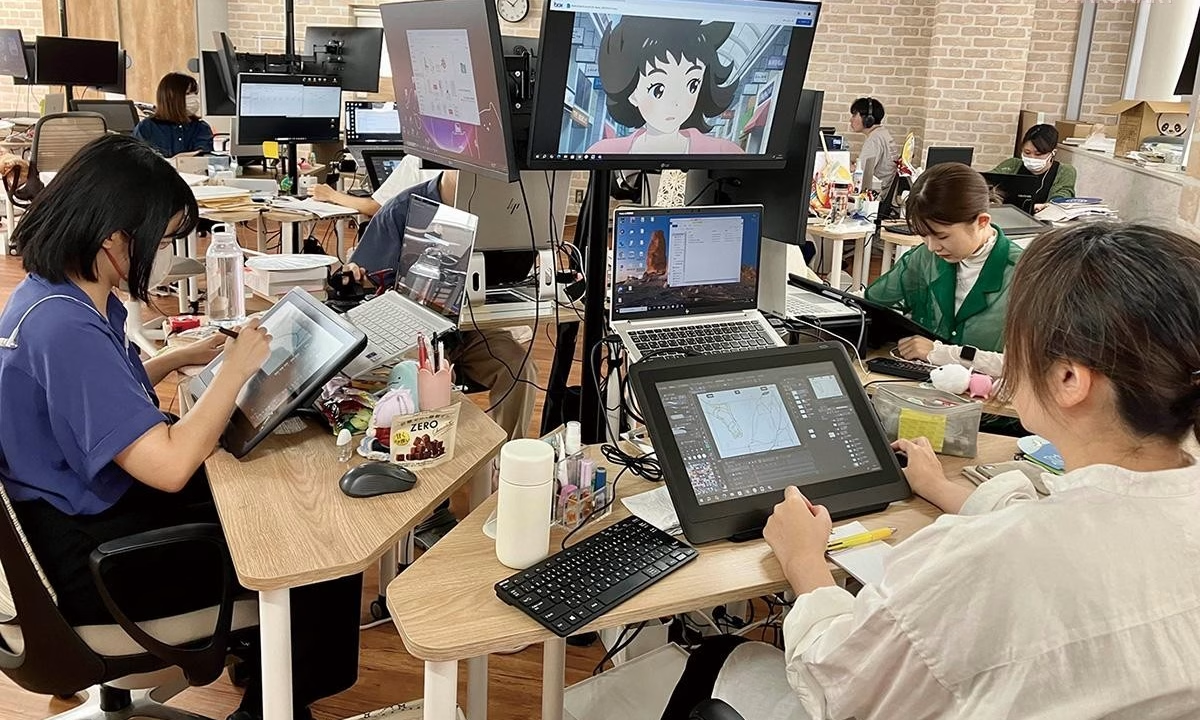
Japan’s anime industry is facing a growing talent shortage as production demands remain high, and animator Yuga Tokuno says that shift is already changing which studios can attract workers. According to Tokuno, companies that offer full-time employment are increasingly able to compete with, and sometimes outperform, better-known studios when recruiting animators.
Tokuno, a Japan Animation Creators’ Association (JAniCA) board member and animator whose credits include The Boy and the Heron and Suzume, discussed the changing employment terrain in an interview with The Japan Times.
Full-Time Jobs Are Becoming a Major Recruiting Advantage
Anime production has traditionally relied heavily on freelance animators, with many creators paid according to completed animation rather than receiving a fixed salary and standard employee benefits. However, the latest JAniCA survey shows a significant shift toward permanent employment.
In 2015, only 15.5% of surveyed animation workers were permanent employees. By 2026, that figure had climbed to 44.9%, with another 13.1% working under contracts.
Tokuno says studios are increasingly discovering that offering permanent positions can make a bigger difference than their reputation when competing for skilled workers.
“Unless you make full-time employment a condition for hiring, you simply won’t attract top talent,”
Tokuno said.
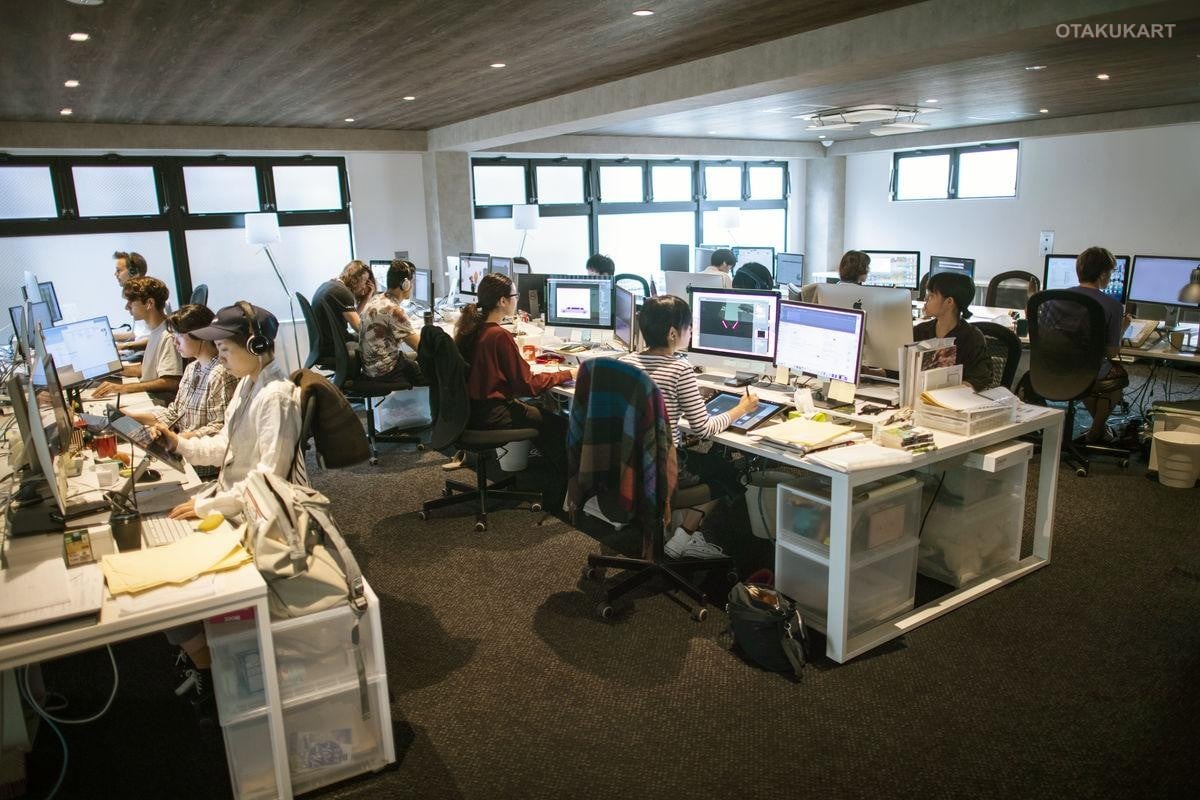
He provided a striking example of the changing recruitment terrain. One major company that previously received around 200 applications annually reportedly attracted only about 40 after refusing to offer full-time employment. Meanwhile, smaller and lesser-known studios providing permanent positions were receiving more applications.
That suggests job security is becoming a powerful selling point for animators entering an increasingly competitive industry.
Anime’s Production Demands Are Changing the Workforce
The shift comes as anime production continues to require more labor. Around 2,076 hours of anime were produced across television and feature films in 2024, while production schedules for individual episodes have also become longer as audiences and studios demand higher-quality animation.
The JAniCA survey indicates that some working conditions have improved alongside the competition for talent. For example, 64% of respondents reported receiving at least eight days off per month in 2026, compared with just 23% in 2019.
However, these improvements are not evenly distributed across the industry. Smaller studios can struggle to match the employment conditions offered by better-funded companies, potentially making it harder for them to retain experienced creators.
Tokuno also noted that skilled workers naturally gravitate toward studios offering better environments. That creates a cycle where companies struggling to retain talent can face delays, higher costs and even greater difficulty competing for workers.
For anime fans, the changing recruitment landscape could have an impact beyond employment. If full-time positions become increasingly necessary to attract experienced creators, studios may have to rethink how they structure production and invest in their workforce.