Nintendo has revealed why it chose to launch Splatoon Raiders instead of moving directly to Splatoon 4, explaining that the development team wanted to create a dedicated single-player experience rather than another traditional multiplayer sequel.
In a recent interview, Splatoon producer Seita Inoue and director Yoshihiko Ito shared the reasoning behind the franchise’s first standalone spin-off, highlighting a desire to expand the series beyond its competitive roots while taking advantage of the Nintendo Switch 2’s hardware capabilities.
Nintendo Wanted to Focus on Solo Gameplay
Speaking in an interview published by Nintendo, producer Seita Inoue explained that after more than a decade of developing and supporting the series, the team wanted to experiment with a different style of gameplay.
“We thought it might be interesting to create something with a slightly different approach to gameplay, where you can really savor the action on your own,”
Inoue said.
He noted that while Splatoon is widely known for online multiplayer, modes like Salmon Run and the series’ Story Mode have always been popular. According to Inoue, the goal was to turn those non-competitive elements into a full standalone experience rather than presenting them as side content.
He also reassured fans that Nintendo
“will continue to develop competitive gameplay going forward,”
explaining that this is why the project became a spin-off instead of Splatoon 4.
Switch 2 Helped Shape Splatoon Raiders
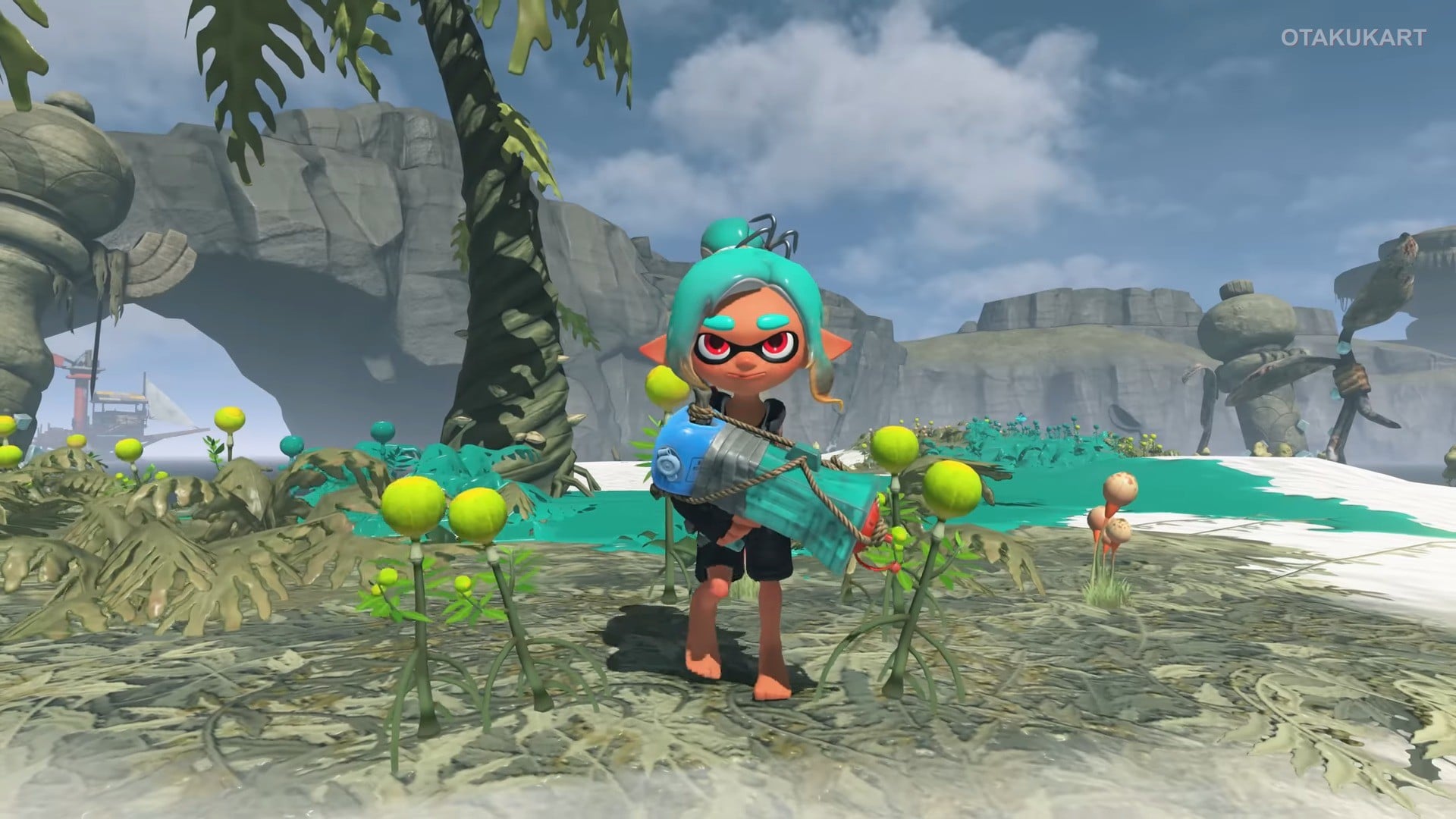
Director Yoshihiko Ito revealed that development began as updates for Splatoon 3 were winding down. The team explored adapting Salmon Run into a fully single-player game where players could tackle large enemy waves alone.
Ito said Nintendo also saw an opportunity to leverage the improved performance of the Nintendo Switch 2, allowing developers to increase the number of Salmonids on-screen and create what he described as the “ultimate multitasker” experience.
While Splatoon Raiders marks a new direction for the franchise, Nintendo’s comments make it clear that the mainline series is far from over. Instead of replacing Splatoon 4, the spin-off is designed to broaden the series’ appeal by giving players a fresh way to experience the colorful world of Splatoon while future competitive entries remain in development.
| Release Date | July 23, 2026 |
|---|---|
| Platforms | Nintendo Switch 2 |
| Developer | Nintendo Entertainment Planning & Development |
| Director | Yoshihiko Ito |