
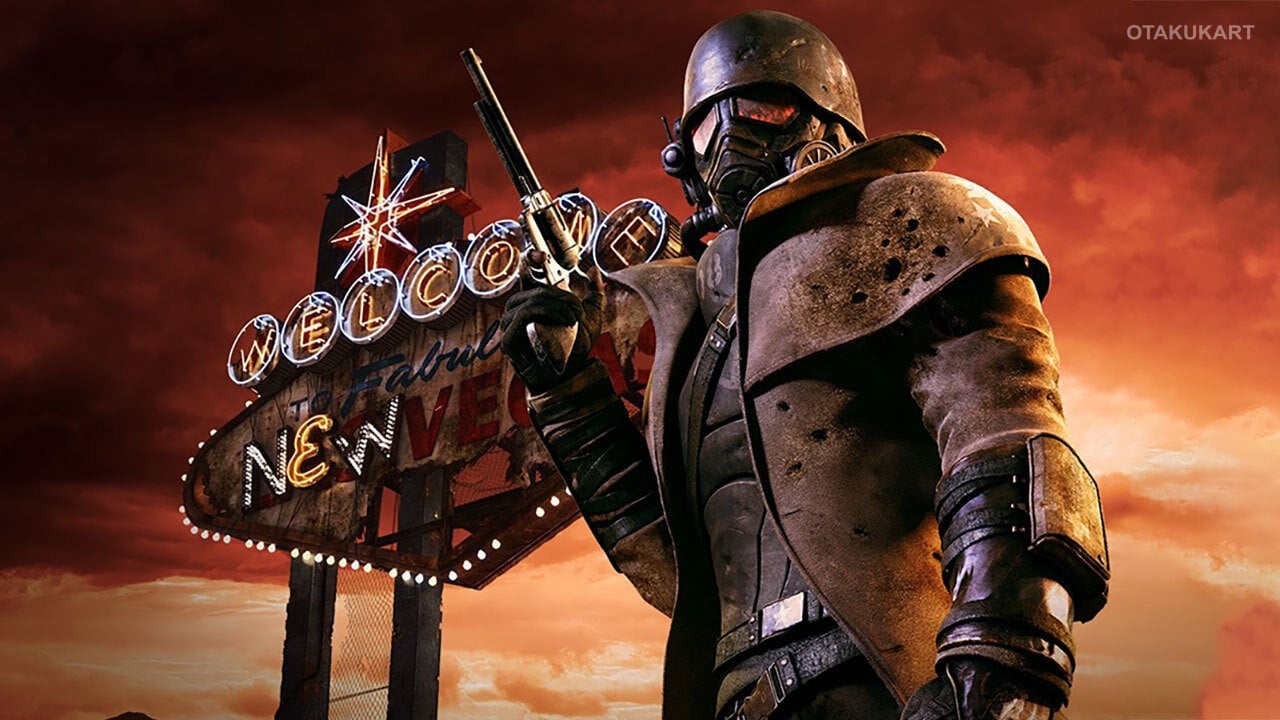
Josh Sawyer, best known as the director of Fallout: New Vegas and the narrative-driven indie RPG Pentiment, has raised concerns about a growing trend in modern game design—reducing or entirely removing systems that introduce difficulty and pressure.
In a recent YouTube Q&A, Sawyer discussed how developers sometimes “go overboard in removing friction” from gameplay systems. He argued that while simplification can make games more approachable, it can also strip away the tension that gives RPG mechanics their meaning in the first place.
“Sometimes game designers go overboard in removing friction,”
Sawyer noted, explaining that he has personally made similar design decisions earlier in his career. His comments quickly drew attention because they reflect a long-standing debate in RPG development: how much challenge is too much, and how much is too little.
Balancing challenge and frustration in RPG systems
Sawyer’s remarks were rooted in a discussion about older RPG mechanics, particularly systems designed to pressure the player into constant decision-making. He highlighted how mechanics that create “ludonarrative consonance”—where gameplay systems reinforce story themes—can sometimes become frustrating if not carefully tuned.
He referenced the Spirit Eater system from Neverwinter Nights 2: Mask of the Betrayer expansion as an example of a mechanic that intentionally created pressure by weakening the player over time unless managed properly.
According to Sawyer, systems like this are meant to add weight to player decisions, reinforcing narrative tension. However, he acknowledged that players can become irritated when mechanics feel like constant maintenance rather than meaningful engagement.
“It was meaningful, but it didn’t make the experience a bad one,”
he explained in the interview. The key, he emphasized, is ensuring that friction does not “wear out its welcome” or dominate the experience in an exhausting way.
Sawyer’s central argument is not that RPGs should be harder, but that they should retain systems that create stakes. In his view, removing too many constraints risks flattening the experience, making player choices feel less impactful.
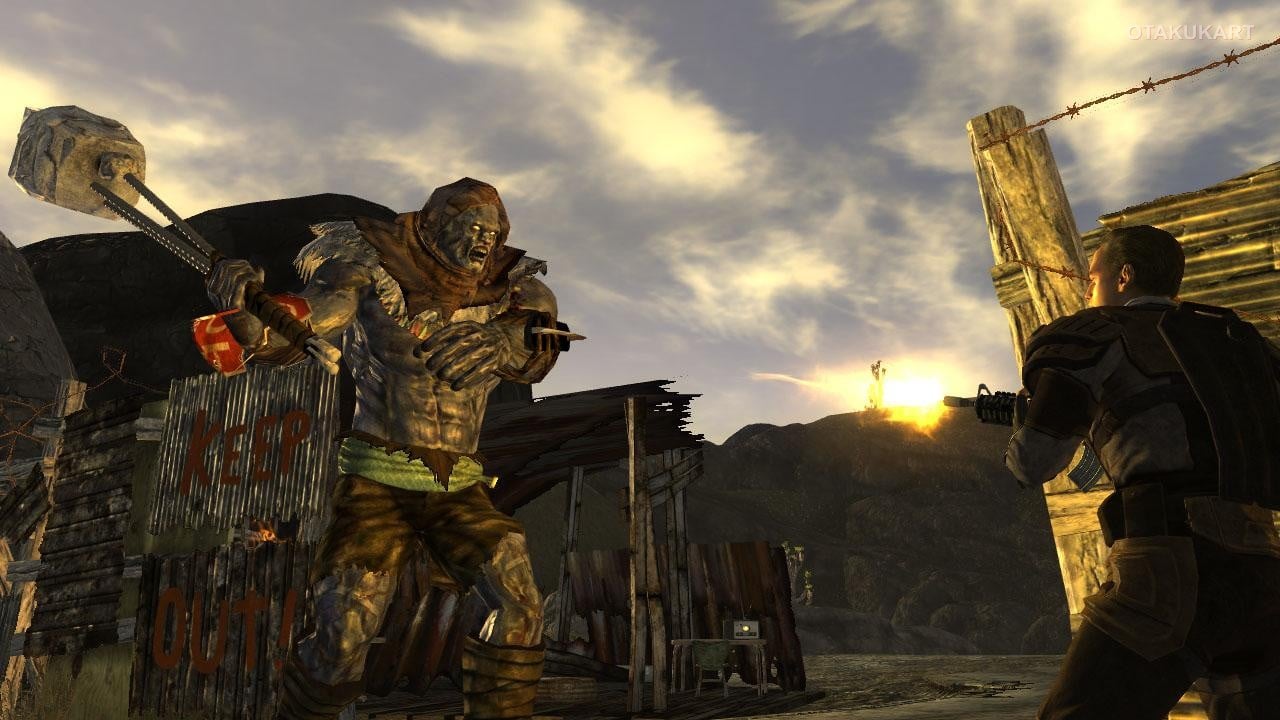
He explained that designers often try to smooth over complexity in an effort to improve accessibility. However, this can unintentionally remove the sense of risk that makes progression and decision-making satisfying in RPGs.
He pointed out that systems like survival mechanics, resource management, or consequence-heavy abilities only work when they are allowed to create tension. Without that tension, players may complete games more easily—but with less emotional investment.
This perspective ties directly into Sawyer’s broader design philosophy, which has consistently leaned toward player-driven systems that emphasize consequences, whether in narrative-heavy titles or mechanically complex RPGs.
A recurring debate in modern game development
Sawyer’s comments also reflect a wider industry discussion about how RPGs have evolved. Many modern titles aim to reduce friction to appeal to broader audiences, offering optional systems or automating mechanics that once required active management.
While this approach has helped expand accessibility, critics argue it sometimes dilutes the identity of the RPG genre itself. Sawyer’s perspective adds nuance to this debate, suggesting that the issue is not friction itself, but how and where it is applied.
He stressed that successful systems must feel “relevant, but not overwhelming,” reinforcing both gameplay and narrative without becoming a burden.