In a subtle but significant update, Sony Interactive Entertainment has removed its earlier commitment to bringing first-party PlayStation titles to PC, according to its latest Form 20-F filing with the U.S. Securities and Exchange Commission. The change, which appears in the official document, marks a notable shift in how the company is positioning the future of the PlayStation ecosystem.
Key Policy Change Signals Shift Away from PC
In its previous filing, Sony had explicitly stated that it planned to “continue its efforts to deploy its first-party titles to multiple platforms such as PC.” That sentence has now been removed entirely, with no replacement clarification.
While Sony has not formally announced an end to PC ports, the absence of this forward-looking statement is being widely interpreted as a strategic pivot. In corporate filings, such language is rarely removed without internal direction changes. The update aligns with earlier reports suggesting that future single-player PlayStation titles may remain exclusive to console.
PlayStation Studios head Hermen Hulst is reportedly among those guiding this approach, with internal discussions pointing toward a stronger focus on PlayStation 5 exclusivity for major releases. Over the past few years, Sony had successfully expanded to PC by releasing titles after their console debut, making this omission particularly notable.
AI Emerges as a Core Growth Strategy
Alongside the removal of PC-related language, Sony’s filing introduces a clear and expanded focus on artificial intelligence. A newly added section highlights how the company is “leveraging AI across its businesses,” including game development.
The report frames AI as a creator-first tool, stating it is intended “to unlock human potential, not a replacement for artists or creators” (Sony Form 20-F via SEC). This positioning reflects a broader industry trend, where companies are increasingly adopting AI to enhance productivity while maintaining creative control.
Sony outlined several areas where AI is already being integrated, including software development, quality assurance, animation, and 3D modeling. These tools are designed to automate repetitive tasks, allowing developers to focus more on creative aspects of game design.
Collaboration and Measurable Gains in Production
The filing also references a collaboration with Bandai Namco Entertainment to explore AI-assisted content production. According to Sony, the pilot program has already delivered measurable benefits.
The company reported “a significant increase in speed and an improvement in productivity per person in video production,” suggesting that AI could play a major role in reducing development timelines. This aligns with earlier corporate presentations, where Sony leadership described AI as an “amplifier of human imagination.”
Although the filing does not name specific tools or technologies, it reinforces Sony’s commitment to integrating AI across its development pipeline and platform services.
Business Outlook Adjusts to Market Pressures
Beyond strategy changes, Sony’s report reflects ongoing challenges in the hardware market. Notably, the company has removed the term “profitable” from its short-term objectives, indicating a more cautious outlook.
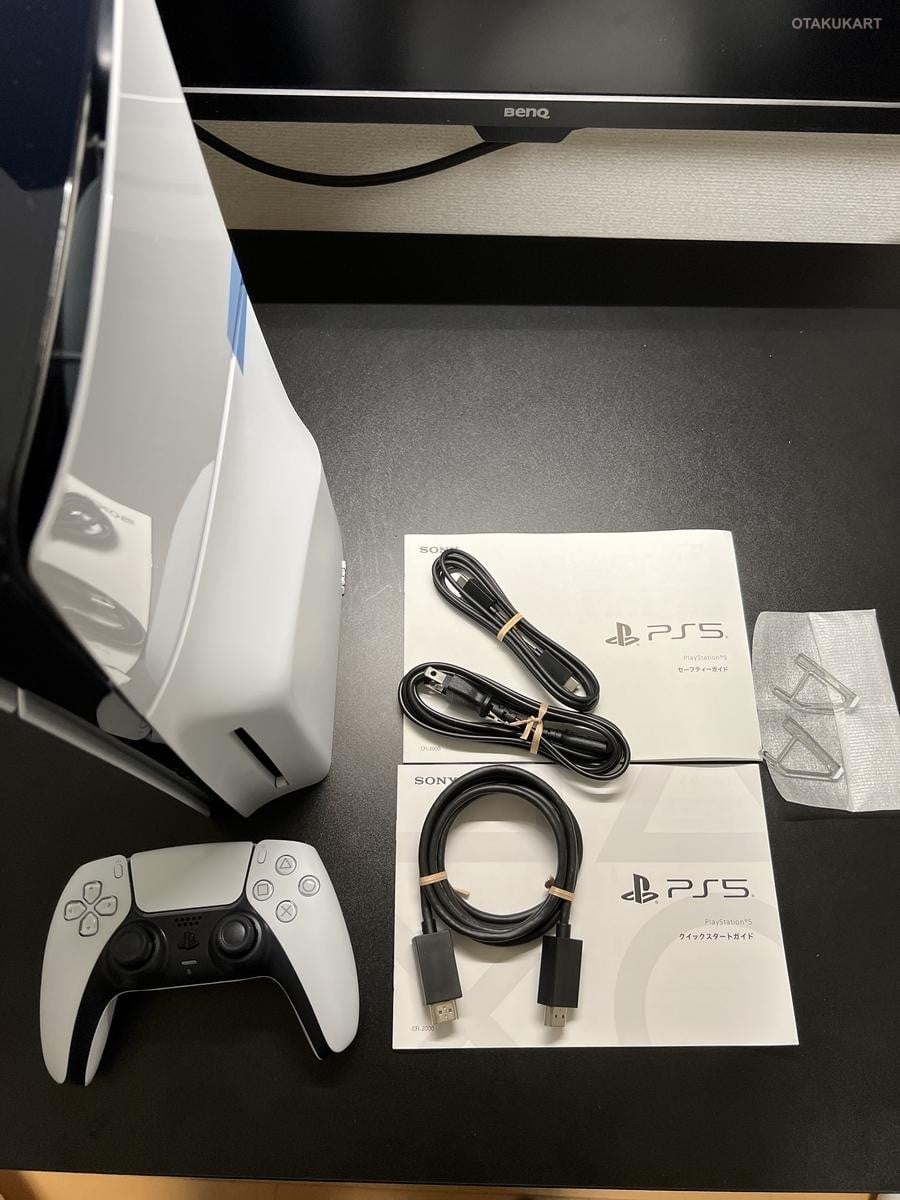
The filing acknowledges that rising component costs and supply chain disruptions—particularly involving memory semiconductors—are expected to impact pricing and availability. Sony now notes that its business will be affected by “increased prices and supply shortages,” a shift from last year’s more growth-focused language.
While expanding the PlayStation 5 install base remains a priority, these external pressures may influence how aggressively Sony pursues that goal.