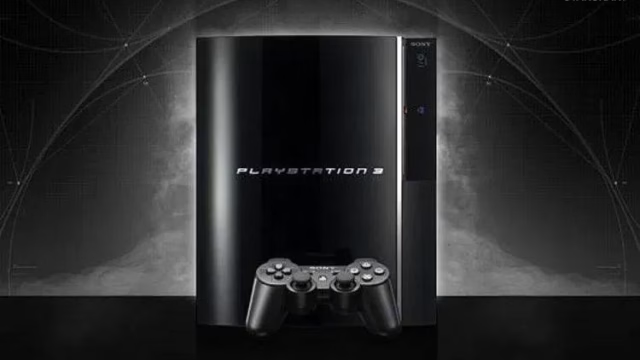
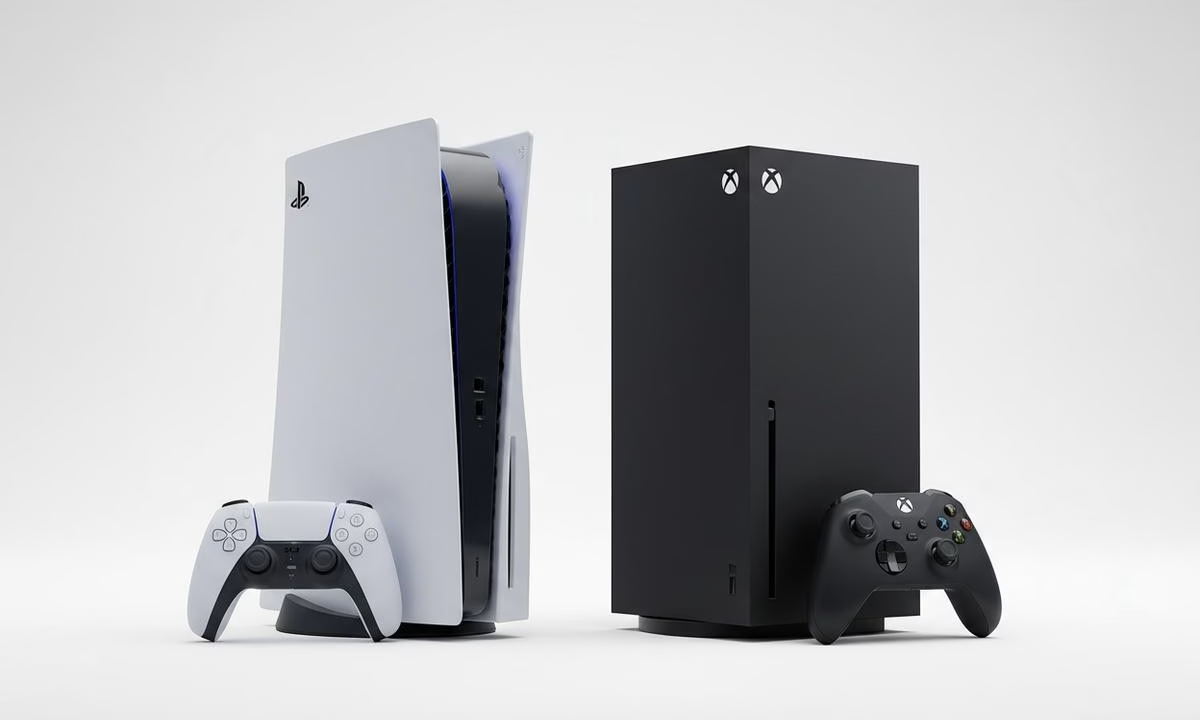
Sony and Microsoft are pushing back against lawsuits seeking refunds for consumers who purchased PlayStation and Xbox consoles at higher prices during the U.S. tariff period. The companies are separately arguing in court that receiving a government refund for tariffs does not create an obligation to reimburse customers who paid the listed retail price.
The legal disputes follow the U.S. Supreme Court’s decision that invalidated the tariffs, allowing companies affected by the policy to seek refunds from the government. Sony has already told investors it expects to receive roughly $508 million in tariff refunds, with most of that amount expected to benefit its gaming business.
Why Sony and Microsoft say gamers are not owed refunds
Sony is facing a proposed class-action lawsuit in California from PlayStation owners who argue that consumers should receive money back because tariff-related costs were reflected in higher console prices. In a motion seeking dismissal, Sony argued that customers voluntarily purchased products at the prices offered to them and therefore did not suffer a legally recognizable injury.
Sony’s lawyers stated,
“Paying fair market price for voluntarily purchased consumer goods is not a legally cognizable injury in fact.”
The company is therefore asking the court to end the case before it progresses into a class action.
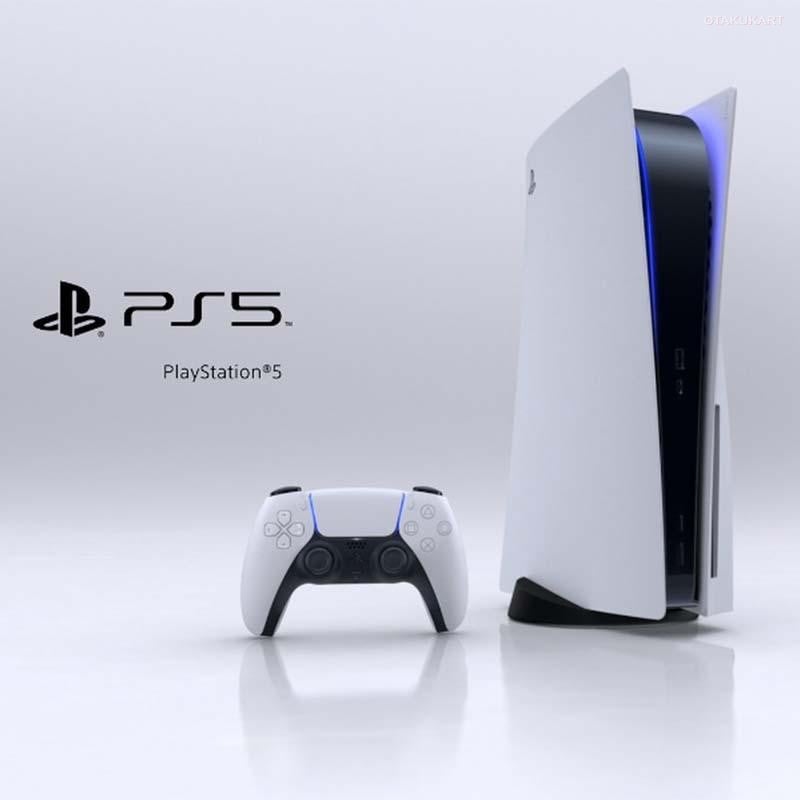
Microsoft is facing a separate lawsuit from an Xbox purchaser in Washington. The plaintiff argues that Microsoft increased prices while tariffs were in effect and could now receive refunds from the government for those same costs. Microsoft’s legal response disputes that consumers can establish a specific financial loss attributable to tariffs.
The company argued that there is “nothing unjust” about a customer purchasing an Xbox at an advertised price and receiving exactly what they paid for. Microsoft also questioned whether the tariff-related portion of any individual console price could be calculated accurately because retail pricing is influenced by numerous market factors.
The disputes mirror a case involving Nintendo, which made a similar argument in July. Nintendo told a court that customers were not legally entitled to tariff refunds and argued that completed purchases should not be retroactively repriced simply because the legal situation surrounding the tariffs later changed.
The controversy centers on whether companies should retain both the higher prices paid by customers and refunds recovered from the U.S. government. Not every company has taken that approach, however. Playdate manufacturer Panic has announced that it will return tariff-related money to eligible customers, while also describing the process of administering the refunds as complicated.
No court has yet ruled that Sony, Microsoft, or Nintendo must return tariff-related payments to affected consumers. The lawsuits therefore remain unresolved, leaving the question of whether gamers should receive compensation to the courts.