
Long before the success of the Nintendo Switch, former Nintendo president Satoru Iwata had already outlined why the company should not simply rely on endless sequels to its biggest franchises.
In a 2006 interview with MTV News, Iwata explained that repeatedly making sequels without introducing new ideas could make Nintendo appear unwilling to take risks.
“If all we were to ever do is just continue to make sequels and not do anything new or different,”
Iwata told MTV News,
“people would view us as a very conservative company.”
He then made his position even clearer, saying that this was
“not the kind of company I want Nintendo to be.”
Iwata’s comments came at a particularly important point in Nintendo’s history. The company was preparing its upcoming Wii console, then known as the Revolution, while the Nintendo DS was introducing gaming to audiences who had traditionally not played video games.
Nintendo Still Had to Serve Mario and Zelda Fans
Iwata was not suggesting that Nintendo should abandon established franchises. He acknowledged that Nintendo had a large audience expecting new Mario and Zelda experiences.
“We’re going to continue to serve, of course, the people who are looking for those classic Zelda experiences and those classic Mario experiences,”
Iwata said.
However, he wanted Nintendo to expand beyond its traditional audience at the same time. The DS and Wii eventually became major examples of that strategy, attracting players with experiences that differed significantly from Nintendo’s conventional approach.
That philosophy also applied to established franchises. Rather than simply repeating what had worked before, Iwata believed Nintendo had a responsibility to introduce meaningful innovation with each new entry.
Mario and Zelda Eventually Followed Iwata’s Philosophy
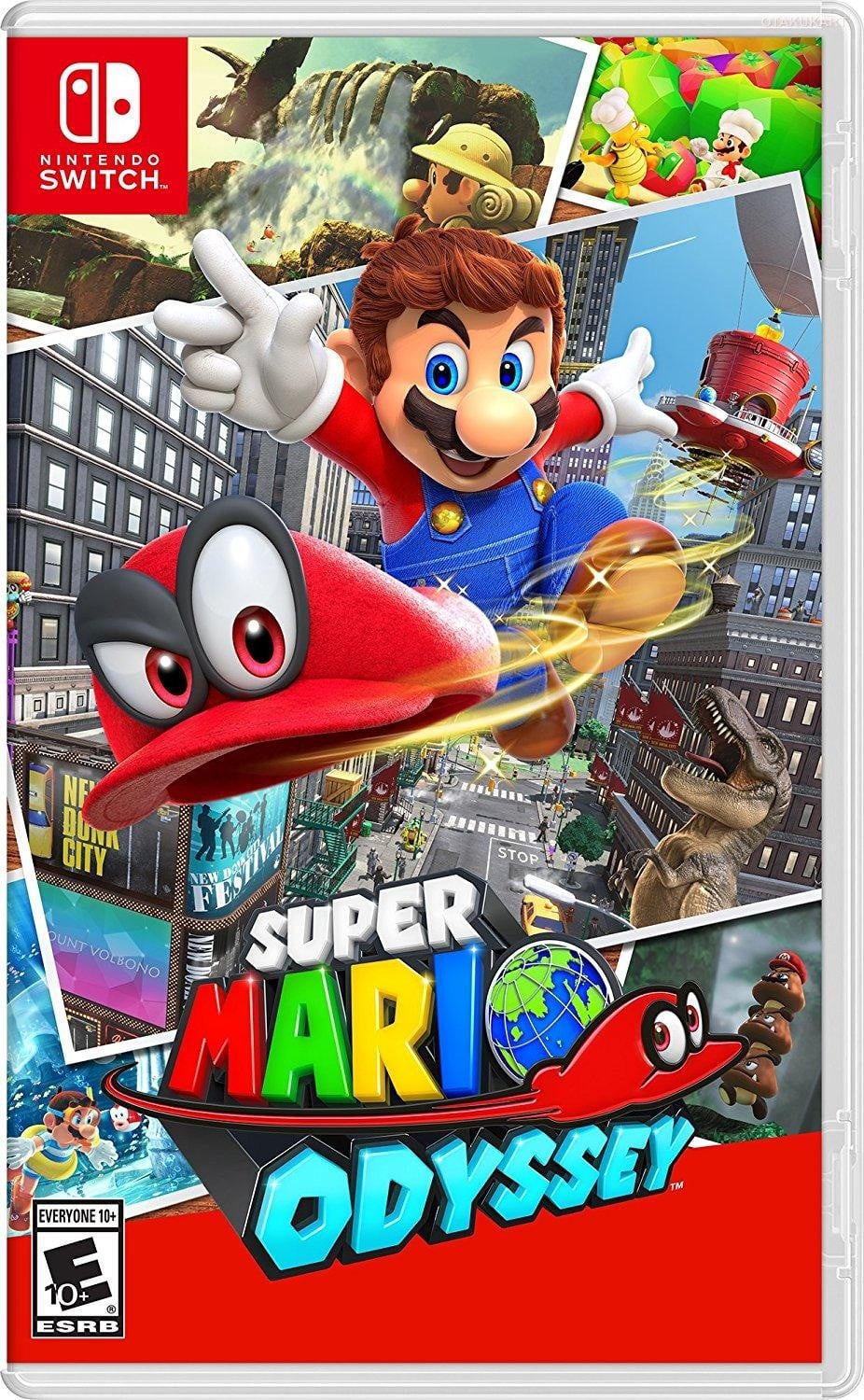
Nintendo’s later releases provide several examples of the approach Iwata described. Games such as Super Mario Odyssey and The Legend of Zelda: Breath of the Wild retained recognizable characters and worlds while significantly changing how their respective franchises played.
The approach helped Nintendo maintain the appeal of its most recognizable series without making every sequel feel identical.
Iwata summarized that responsibility by saying Nintendo needed to meet the expectations of its established fanbase while
“finding ways to innovate within that franchise.”
His comments are particularly notable today because Nintendo continues to rely heavily on Mario, Zelda and other long-running properties. At the same time, the company frequently experiments with new mechanics, formats and gameplay concepts instead of treating each sequel as a straightforward continuation of what came before.
Iwata’s 2006 Comments Still Reflect Nintendo’s Strategy
The philosophy was not without setbacks. The Nintendo 3DS initially struggled after launch, while the Wii U became one of the company’s weakest-performing home consoles.
However, the broader strategy eventually helped Nintendo reach audiences beyond its traditional player base. The Wii and DS became enormous successes, demonstrating the potential of creating new experiences alongside familiar franchises.
Iwata’s comments therefore offer an interesting explanation for why Nintendo has historically treated its biggest series differently from franchises that receive annualized releases.
Rather than choosing between familiar games and experimentation, his vision was for Nintendo to do both. Mario and Zelda could continue satisfying longtime fans, but each new entry would still have an opportunity to reinvent parts of the formula.