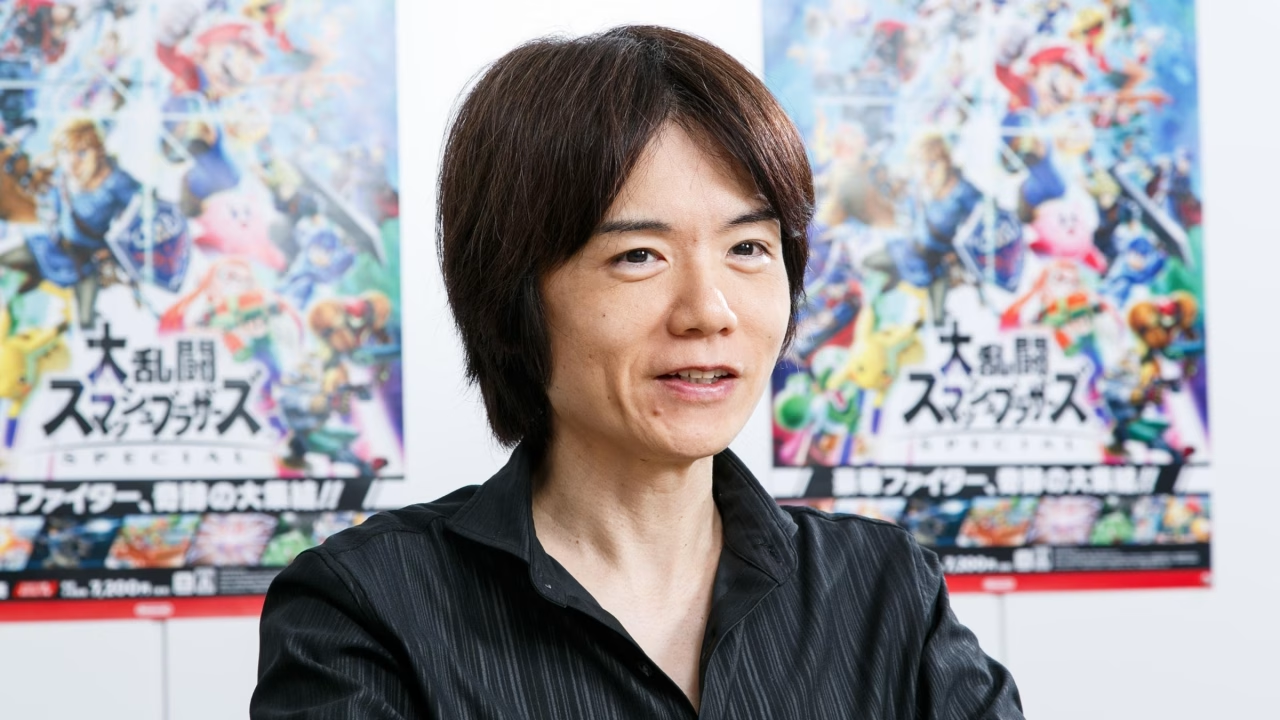
Masahiro Sakurai has reflected on the creative challenges behind developing original video games, revealing that the first Super Smash Bros. faced criticism because its gameplay differed significantly from established fighting games such as Street Fighter 2 and Virtua Fighter. The legendary game designer believes that originality is essential to giving players a reason to experience something new, even though it does not necessarily translate into commercial success.
In a recent interview with Japanese gaming publication Denfaminicogamer, Sakurai discussed how developers must balance familiar gameplay expectations with new ideas. He also explained why he deliberately avoided conventional fighting game mechanics when creating Super Smash Bros., believing that its distinctive combat system was what allowed the franchise to develop beyond its original release.
According to Sakurai, simply reproducing an established formula without introducing meaningful changes makes a new game less compelling. He used both Kirby and Super Smash Bros. to explain why developers need to establish their own identity rather than imitate successful franchises.
Sakurai Explains Why Originality Matters Despite Commercial Risks
Sakurai acknowledged that creativity is not necessarily among the biggest factors determining whether a video game becomes commercially successful. However, he remains interested in introducing original concepts because he believes players have little reason to choose a new release if it offers essentially the same experience as an existing game.
He illustrated this point using Kirby, explaining that although the franchise belongs to the side-scrolling platformer genre, copying the gameplay approach of Super Mario Bros. would have made its existence less meaningful.
As Sakurai explained,
“Otherwise, if it’s the same thing, you are better off playing the original.”
The developer also acknowledged that introducing new ideas can create problems when players already have established expectations for a franchise. For instance, audiences generally purchase Mario games expecting a particular style of gameplay and entertainment.
Changing that familiar experience can initially make something feel unfamiliar or even unappealing. Sakurai compared this reaction to expecting a particular taste from food and receiving something different instead. Even when the alternative has its own appeal, players might reject it before recognising its strengths.
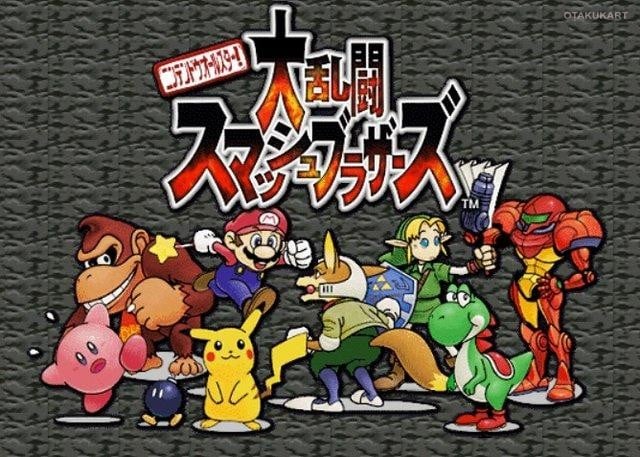
Why Super Smash Bros. Rejected Traditional Fighting Game Mechanics
Sakurai believes Super Smash Bros. might never have become a successful franchise if its original instalment had followed the conventional rules of fighting games. Instead of relying on traditional health bars and standard one-on-one combat, the game introduced a percentage-based damage system in which accumulating damage increases the likelihood of being knocked off the stage.
Positioning also became an important part of combat. Players needed to understand their opponents’ movements, manage their damage percentages, and use attacks strategically to send opponents flying beyond the boundaries of an arena.
Sakurai was confident that these mechanics would make the experience enjoyable. However, the approach was not immediately accepted by everyone. He recalled that some players criticised the original game because they struggled to understand why it played differently from Street Fighter 2 and Virtua Fighter.
He explained that if the game had used conventional fighting mechanics, it might have been treated as a temporary novelty rather than the beginning of a long-running franchise. The distinctive gameplay was therefore not simply an experimental decision but a fundamental part of the series’ identity.
Sakurai Recalls Similar Challenges With His Other Games
The game designer also acknowledged that introducing original mechanics is particularly difficult when there are no established examples for developers to follow. Explaining an unfamiliar gameplay concept to development teams and communicating its appeal to players can become a significant challenge.
Sakurai noted that several of his other projects experienced similar difficulties. He specifically mentioned Meteos, Kid Icarus: Uprising, Kirby Air Ride, and Kirby Air Riders as examples of games where introducing unconventional ideas did not necessarily produce the intended response.
His comments highlight a recurring challenge in game development. Developers must find ways to make their projects distinctive without alienating audiences who have become comfortable with established gameplay conventions.
For Sakurai, originality remains worth pursuing despite these difficulties. His latest comments offer another look at the thinking behind some of Nintendo’s most recognisable franchises and explain why Super Smash Bros. needed to become something different from the fighting games that preceded it.