
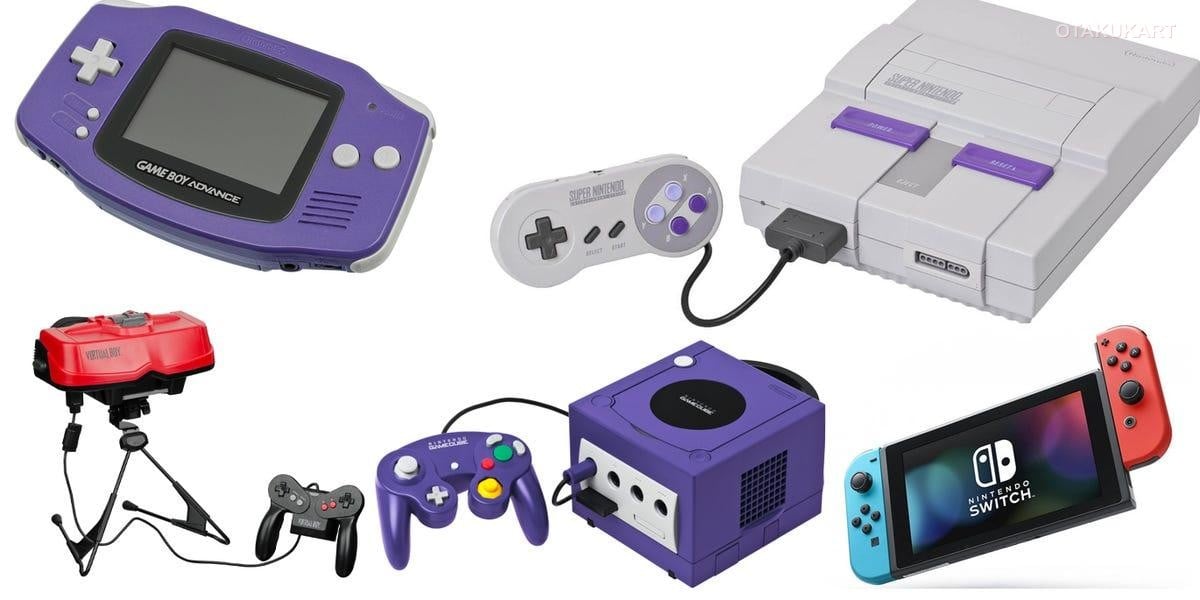
Nintendo of America is taking another step toward preserving its extensive gaming history by recruiting a Digital Archivist, Historical Systems. The newly listed position will focus on documenting the company’s legacy hardware and software, ensuring important technical records and development information remain accessible for future generations.
According to Nintendo’s official careers website, the company wants to establish a structured archival system containing engineering documentation, source materials, historical hardware information, and institutional knowledge. The successful candidate will also work with experienced employees and subject matter experts to document information that might otherwise disappear as longtime developers leave or retire.
The position is particularly interesting because game preservation involves much more than keeping older titles playable on modern hardware. Development records, prototypes, technical specifications, and employee accounts can provide valuable insight into how Nintendo’s iconic consoles and games were created.
Nintendo Wants to Build a Searchable Archive of Its Gaming History
Nintendo’s job listing describes the position as an effort to improve the preservation, organization, and accessibility of historical hardware and software information.
The archivist will be responsible for developing metadata systems, classification methods, and organizational standards that make historical records easier to locate. The role will also involve building a searchable repository that Nintendo’s engineering, legal, product development, research, and business teams can access.
Nintendo specifically states that the objective is to establish processes that ensure historical information remains “discoverable, usable, and preserved for future generations.”
This means the project will extend beyond collecting old documents. Nintendo wants to create an organized internal resource that allows employees to find relevant information without having to search through disconnected records or depend entirely on the memories of veteran developers.
The New Role Will Also Preserve Knowledge From Veteran Nintendo Employees

One of the most significant responsibilities involves interviewing longtime Nintendo employees and subject matter experts. The archivist will collect their experiences, verify historical information against available records, and convert informal knowledge into searchable documentation.
This is particularly important for a company with decades of development history. As experienced engineers and developers approach retirement, their knowledge of older hardware, software, and development processes could become difficult to recover if it is not properly documented.
The position is an approximately 12-month contract based in Redmond, Washington. Nintendo requires a relevant bachelor’s degree or equivalent professional experience, along with at least two years of experience in digital archives, records management, metadata management, or related fields. The role follows a hybrid working arrangement and is not available as a fully remote position.
Nintendo’s Preservation Efforts Do Not Necessarily Mean More Classic Games Are Coming
Nintendo’s latest hiring decision highlights an important distinction between preserving gaming history and making older games accessible to players.
The new position primarily focuses on organizing internal historical records rather than restoring discontinued games or releasing additional classic titles on modern platforms. The archived information will mainly support Nintendo’s internal teams, although historical development materials could potentially inform future projects.
Other gaming companies have also invested in preserving their histories. PlayStation maintains collections of historical materials, while Blizzard has been developing its own archival efforts. Organizations such as the Video Game History Foundation have also highlighted the importance of preserving development documents and other materials beyond the games themselves.
Nintendo’s new initiative could help ensure that important information about its consoles, games, and development history remains accessible long after the original projects have ended.