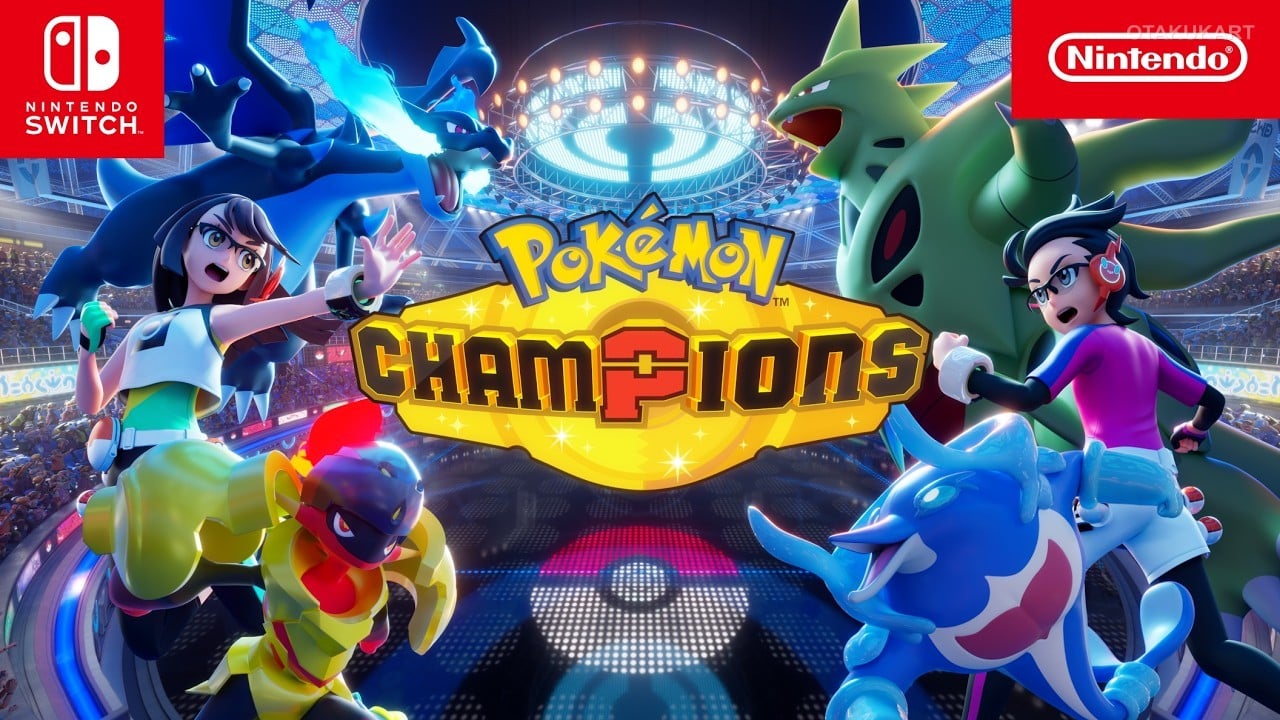
Pokémon Champions launched with a noticeably limited roster compared to the franchise’s massive creature lineup, but new comments from producer Masaaki Hoshino shed light on the decision and what players can expect moving forward. In a recent interview with Famitsu, Hoshino confirmed that additional Pokémon are planned for release in the coming months, alongside gameplay adjustments aimed at expanding the experience.
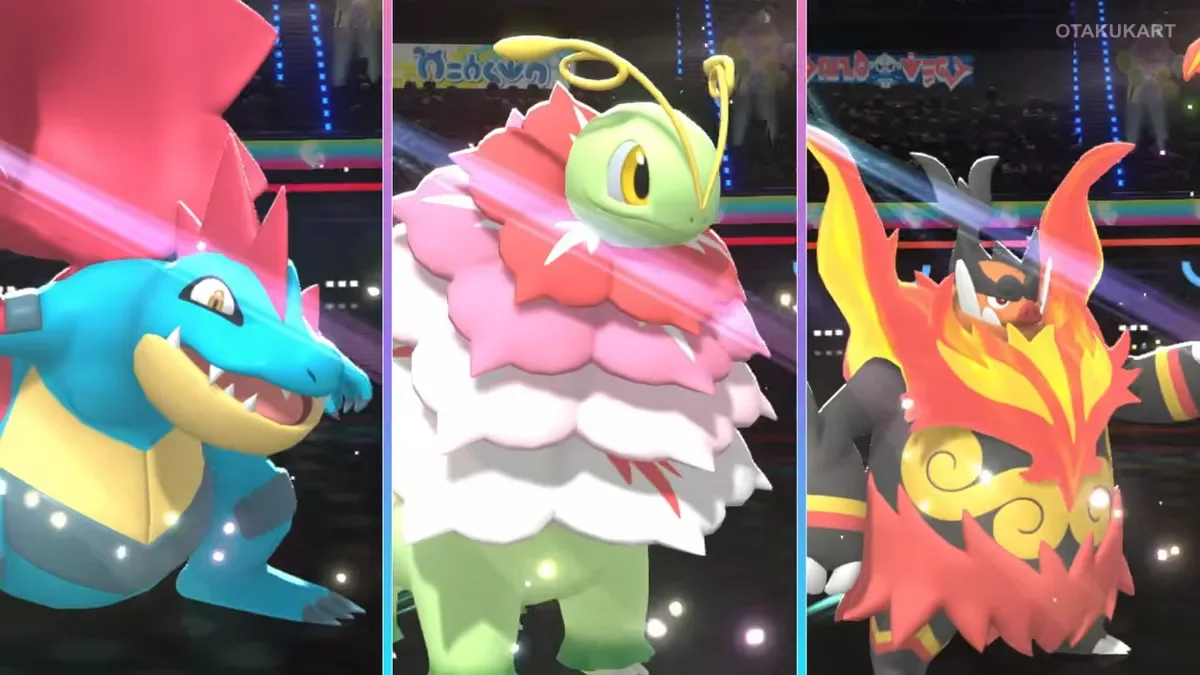
The game currently features around 200 Pokémon, a number that has sparked mixed reactions from players. While some fans expected a broader selection, the development team appears to have taken a more measured approach, focusing on accessibility and balance at launch.
Why Pokémon Champions Launched With a Smaller Roster
According to Hoshino, the decision to limit the number of available Pokémon was intentional, particularly to make the game easier to understand for newcomers. Speaking to Famitsu, he explained that the goal was to simplify the battle environment, especially given the inclusion of complex systems like Mega Evolutions.
“We wanted to create an environment where even people who are unfamiliar with Pokémon battles can understand them easily,”
Hoshino said in the interview with Famitsu.
This approach reflects a broader strategy to make Pokémon Champions more welcoming to new players, rather than overwhelming them with hundreds of mechanics and creature interactions right from the start. Hoshino also acknowledged that reactions have been mixed, noting that some players feel the current selection is too limited, while others believe it is already sufficient.
Gradual Updates Planned Instead of Immediate Expansion
Rather than adding a large number of Pokémon all at once, the development team plans to expand the roster gradually. Hoshino indicated that new Pokémon and gameplay changes are expected within a few months, with updates potentially arriving around the time of the game’s smartphone version release.
“In about three months from now we plan to add more Pokémon and remove some restrictions on held items,”
he said.
This phased approach allows the developers to monitor player feedback and adjust the game’s balance over time. It also ensures that new additions do not disrupt the competitive environment too quickly, which can be a concern in long-term service games.
Focus on Accessibility and Learning Curve
One of the key challenges highlighted by Hoshino is the difficulty of learning a large roster of Pokémon, especially for new players. He compared the situation to traditional strategy games, emphasizing how overwhelming it could be to manage too many elements at once.
“For example, in shogi there are 8 types of pieces, but if there were 200 pieces it would be quite difficult to remember them all,”
Hoshino explained.
By keeping the initial roster manageable, the team hopes players can gradually become familiar with each Pokémon’s abilities, items, and interactions. This design philosophy prioritizes long-term engagement over immediate content volume, allowing players to build knowledge step by step.
Future Changes Could Rotate Pokémon Availability
Looking ahead, Hoshino suggested that the roster may not simply expand in a permanent way. Instead, the game could introduce rotational changes depending on gameplay systems and balance adjustments. This means certain Pokémon, including potentially Legendary creatures, might appear temporarily rather than being permanently available.
He noted that while new Pokémon will be introduced,
“just because a Pokémon has appeared, it doesn’t necessarily mean it will always be available,”
indicating a flexible approach to roster management.
This system could help keep the game fresh while maintaining competitive balance, though it may also require players to adapt to changing lineups over time.
A Measured Approach to Long-Term Growth
Pokémon Champions is clearly being positioned as a long-term service title, with updates planned to evolve the experience gradually. The current strategy emphasizes accessibility, controlled expansion, and ongoing balance adjustments based on player feedback.
While the limited roster at launch may have disappointed some fans, Hoshino’s comments suggest that the decision was part of a broader plan to build a more approachable and sustainable game. As updates begin rolling out, players can expect the roster to grow steadily, rather than all at once.
For now, the focus remains on refining the core experience and ensuring that both new and experienced players can engage with the game without being overwhelmed.