
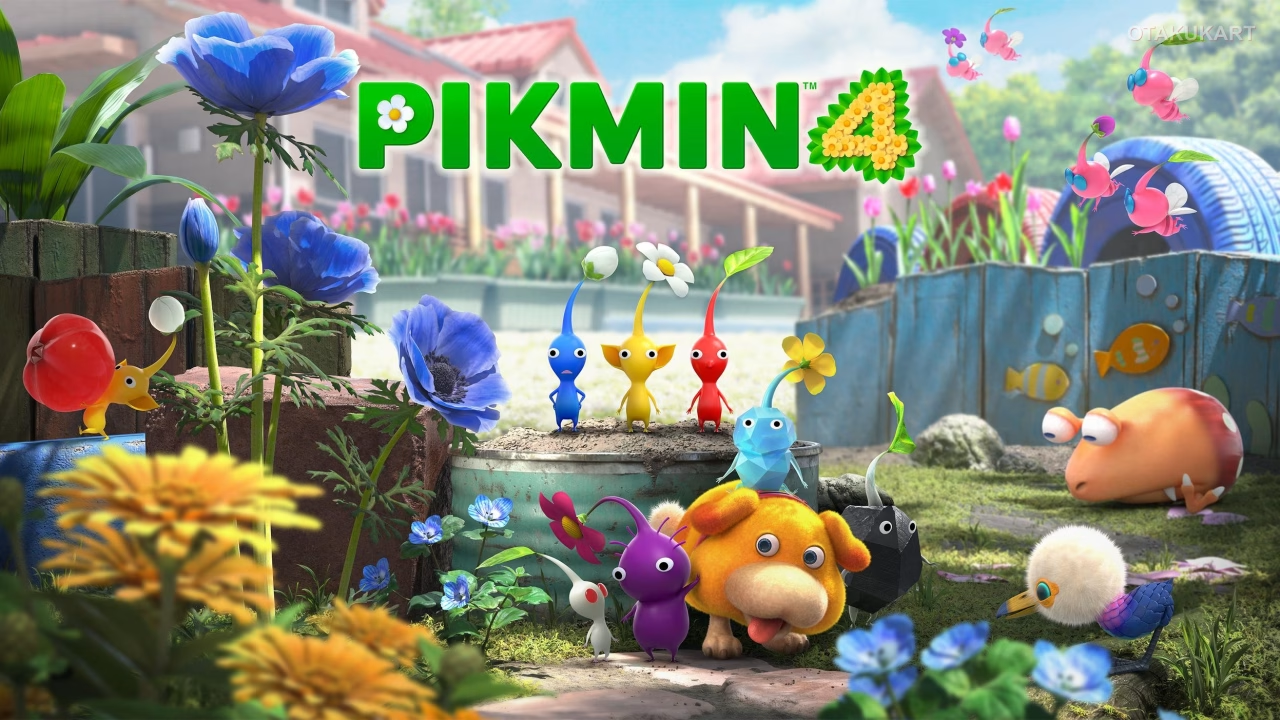
Nintendo has offered a new behind-the-scenes look at the development of Pikmin 4, with sound design lead Taiyo Furukawa revealing that the team deliberately prioritized what he calls a “good feeling” over realistic sound effects.
In a developer post published on Nintendo’s official recruitment website, Furukawa reflected on the philosophy that guided the game’s audio design, explaining how the team balanced immersion, responsiveness, and the tiny scale of Pikmin’s world.
Rather than focusing solely on realistic sounds, Furukawa said Nintendo’s approach centered on making every interaction feel satisfying for players. His comments also reveal the creative techniques used to make players experience the world from a Pikmin’s perspective, from mixing human footsteps with crushed gravel to studying how everyday objects sound at different distances.
Nintendo chose gameplay feel over audio realism
One of the biggest takeaways from Furukawa’s developer post is Nintendo’s decision to put gameplay experience ahead of perfectly realistic sound effects.
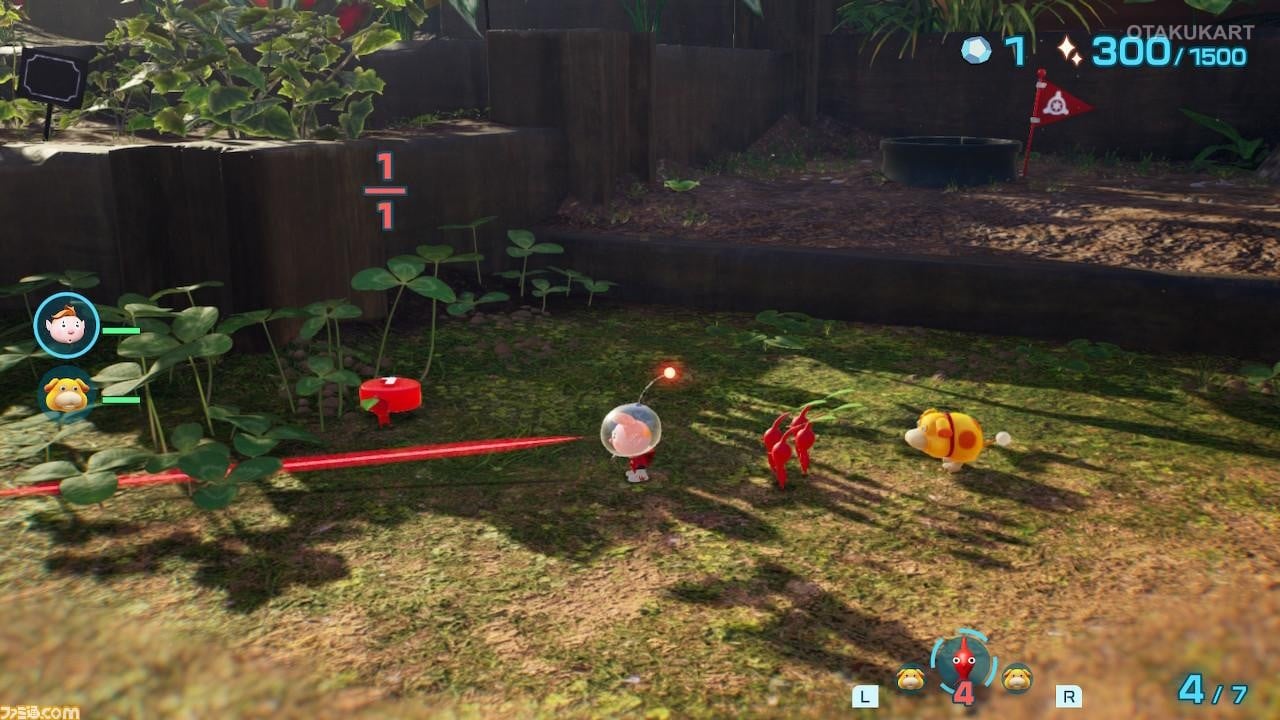
Because Pikmin 4 features a much more dynamic camera than previous entries, players spend far more time close to the ground, seeing the world from the perspective of tiny Pikmin. Furukawa explained that this created an entirely new challenge for the audio team, as the game’s sounds had to reinforce that sense of scale without making actions feel weak or unresponsive.
During development, the team initially focused on expressing how small the Pikmin were. However, they soon discovered that realistic sounds didn’t always translate into enjoyable gameplay. Furukawa recalled testing the sound of dirt walls breaking, only to find that authentic audio lacked impact.
“So I thought hard about whether I wanted an ‘expression of smallness’, or a ‘good response’. Nintendo games, not just Pikmin 4, place an importance on that good feeling.”
Instead of chasing realism, the developers decided to make actions feel satisfying first before finding ways to communicate the characters’ tiny size through sound. Furukawa said this became the guiding philosophy for the game’s overall audio design. His full comments were shared on Nintendo’s Recruitment website.
How Pikmin 4’s tiny world came to life through sound
To create the illusion that players were experiencing the environment from a miniature perspective, the sound team looked beyond traditional game audio techniques.
Furukawa explained that the developers observed everyday objects and how their sounds changed depending on distance. One example involved tapping a desk, where the resonance becomes noticeably different when your ear is close compared to farther away. That observation inspired the game’s adaptive audio, allowing sounds to become more intimate whenever the camera moved closer to the protagonist.
Another surprising detail involved the footsteps. Instead of relying on a single recording, Nintendo combined multiple sounds to achieve the right balance between realism and responsiveness.
According to Furukawa, the first part of each step used genuine human footsteps, while the second half incorporated the sound of fingers crushing gravel. This combination created footsteps that felt satisfying while still conveying the impression of extremely small characters. The team also experimented with surfaces such as cardboard and aluminum foil to make movement across different materials feel convincing and tactile.
Observation and collaboration shaped the final audio
Furukawa also reflected on the creative process behind Nintendo’s sound design, emphasizing that technical skill alone is not enough. He believes sound designers should be able to explain why they choose specific sounds instead of relying only on instinct.
He encouraged developers to constantly observe the sounds of everyday life and remain curious about the world around them. Furukawa noted that his childhood fascination with insects helped him imagine how the world might sound from the perspective of tiny creatures, an idea that remained central throughout Pikmin 4’s development.
The veteran Nintendo developer also credited collaboration with fellow designers as an important part of refining the game’s audio. Discussing ideas with teammates, he said, often helped uncover new solutions and broaden his perspective during production.
Originally released in July 2023 for Nintendo Switch, Pikmin 4 remains one of the series’ most acclaimed entries. While rumors of a Nintendo Switch 2 Edition continue to circulate, Nintendo has not officially announced an updated version.