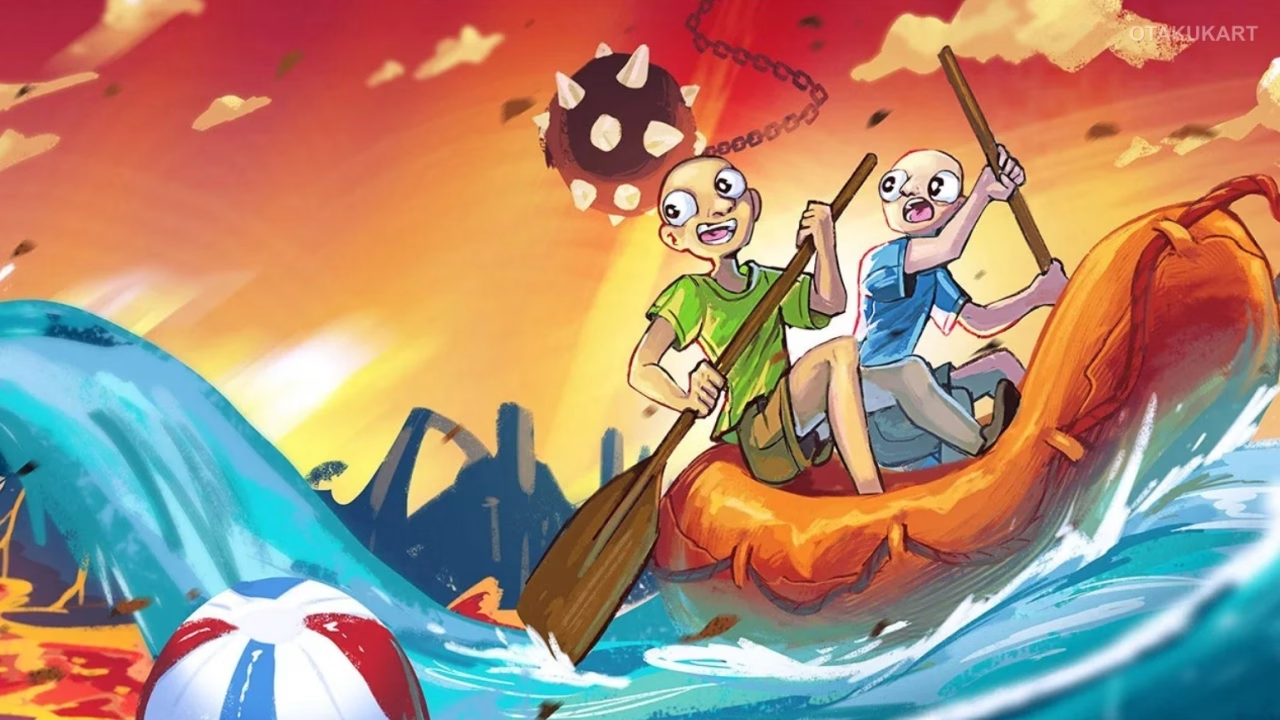
Steam’s refund policy has become the center of a heated discussion after Mateo Covic, the solo developer behind the indie rage game Paddle Paddle Paddle, argued that the platform’s current system can be exploited by some players.
Following online backlash, Covic has now clarified that he is not against refunds, but believes Valve’s two-hour refund window makes it too easy for players to finish short games and request their money back.
Speaking to GamesRadar+, the Zoroarts developer explained that his comments were never meant to undermine consumer rights.
Developer says Steam refunds should protect consumers, not enable free play
Covic emphasized that he fully supports Steam’s refund policy when it is used for legitimate reasons, such as misleading store pages or technical issues that prevent players from enjoying a game.
“I’m 100% pro refund but the current ‘no questions asked if you request a refund within two weeks and with less than two hours of playtime’ policy just makes it super easy for players to abuse this rule.”
He also pointed to Valve’s own refund guidelines, which state that refunds are not intended for people to play games for free.
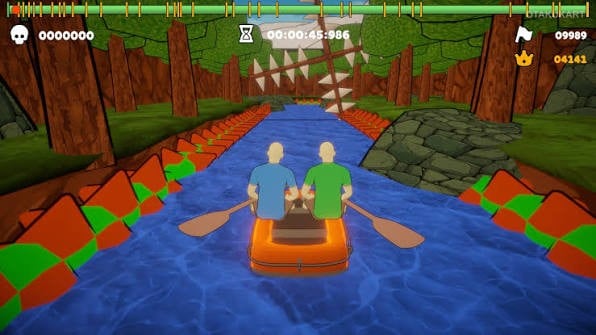
According to Covic, his biggest frustration was seeing players who completed the game, left positive reviews, and still requested refunds simply because they were eligible.
“My tweet was targeted towards the people who enjoyed the game, wrote a positive review, and refunded the game just because they can.”
The developer added that many people misunderstood his original comments.
“Many people think that I’m a complete a**hole now and want to remove the refund policy in general but that was never my intention.”
Over 55,000 refunds sparked debate, but sales remain strong
The discussion began after Covic revealed that more than 55,000 copies of Paddle Paddle Paddle had been refunded on Steam. Although that number sounds alarming, he acknowledged that his game’s refund rate is not unusual for the genre.
After researching Steam trends, Covic found that around 20% refund rates are fairly common for rage games, while 10% is considered normal across the platform. He also noted that the game has sold approximately 270,000 copies, making it a commercial success despite the high number of refunds.
Rather than blaming Steam users entirely, Covic admitted that the platform’s generous refund policy may also encourage more people to try indie games.
He pointed to the game’s $2.99 sale price as one of the biggest reasons players decided to purchase it, suggesting affordability likely had a greater impact on sales than the refund policy itself.
Short games shouldn’t be forced to become longer
One suggestion raised during the debate was that developers could simply make their games longer than two hours to avoid easy refunds. Covic rejected that idea outright, saying he has no interest in artificially extending his projects.
Instead, he worries that Steam’s current policy could unintentionally discourage developers from creating shorter experiences.
Despite the controversy, Covic described Paddle Paddle Paddle as a life-changing project that allowed him to become a full-time game developer. Looking ahead, he says he still enjoys making short games and hopes Valve can find ways to provide developers with more useful refund feedback while preserving the consumer-friendly system that many players value.