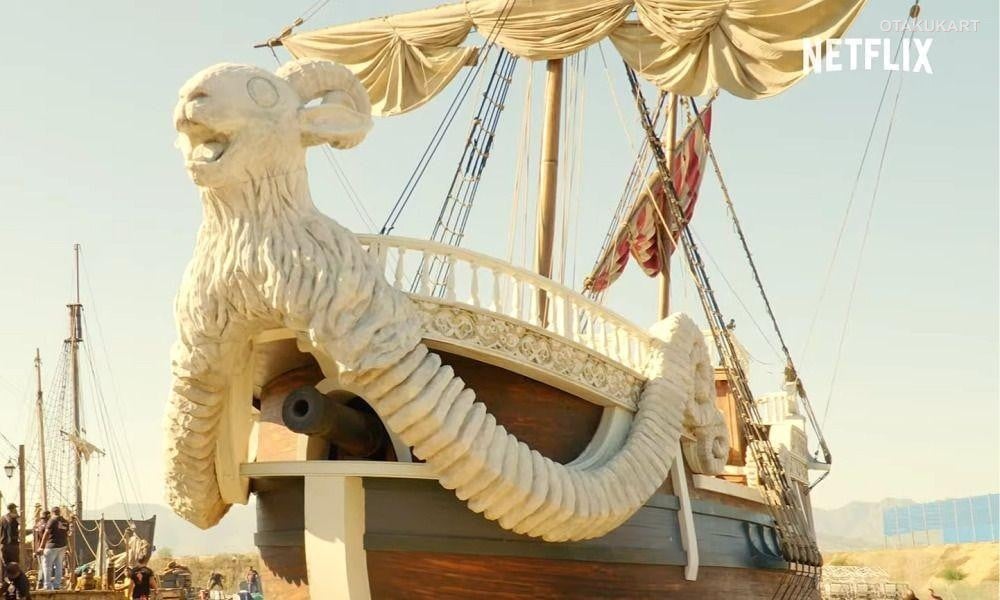
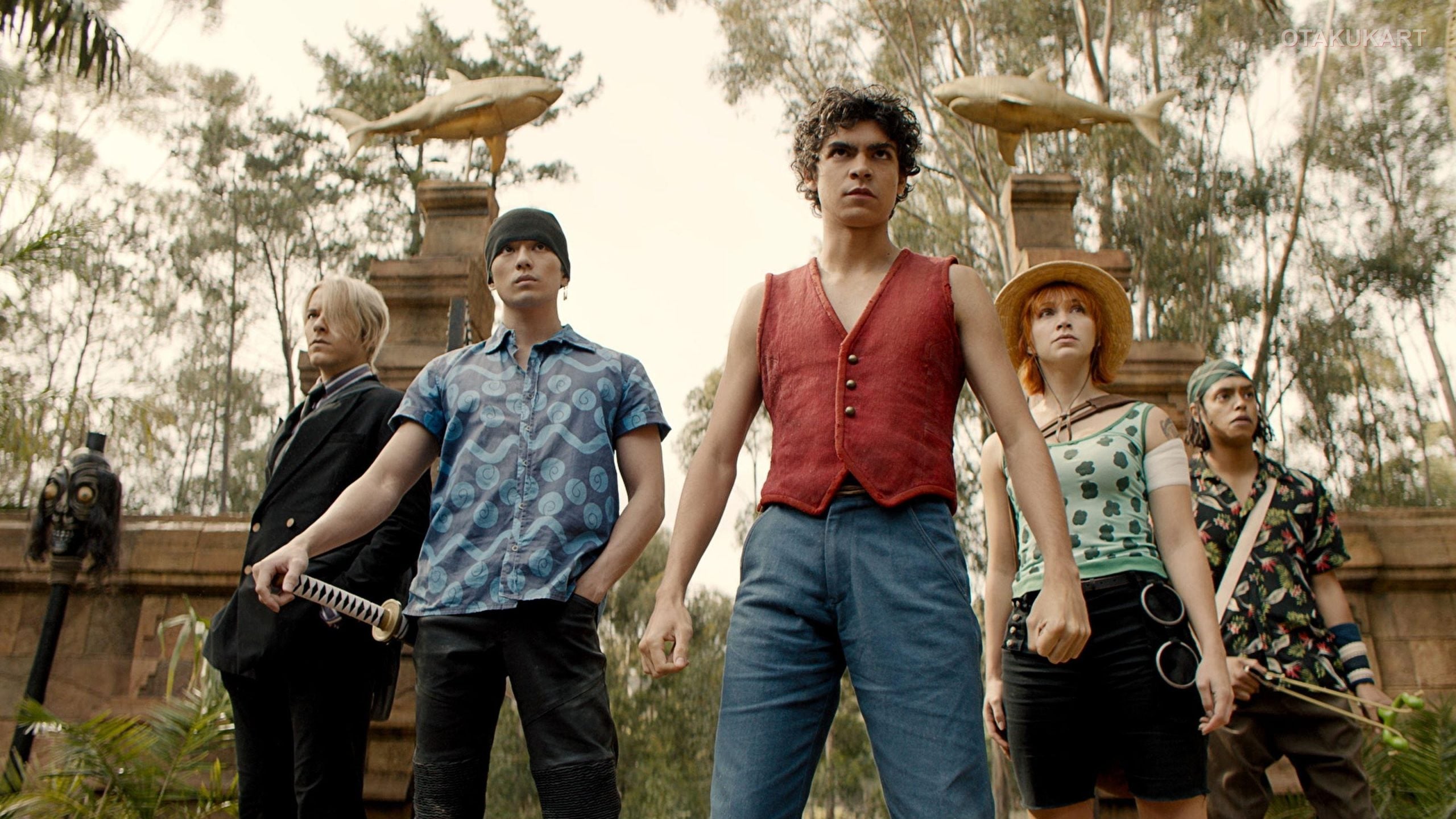
Netflix’s live-action One Piece showed that a Japanese manga franchise could become a major international television success. However, the series has not sparked the wave of live-action anime and manga adaptations that executive producer Steven Maeda expected. According to Maeda, the high cost of adapting established Japanese intellectual property, combined with Hollywood’s ongoing financial challenges, is making it difficult to turn promising projects into productions.
Speaking to C21Media during the Tokyo International Film Festival Content Market, Maeda said he was surprised that more studios had not pursued anime and manga properties following the success of One Piece. Although he continues to develop new projects, securing the investment needed to move them forward has become increasingly challenging.
“I was actually surprised there wasn’t more of a rush on anime and manga properties,”
Maeda said. He added that he was pursuing other adaptations but had found it difficult to get projects approved.
His comments suggest that the obstacle is not necessarily a lack of interest in Japanese stories. Instead, studios are weighing the financial risks of expensive adaptations in an uncertain entertainment market.
Hollywood’s Financial Uncertainty Is Making Studios More Cautious
Maeda said Hollywood has faced years of production contraction, mergers and corporate restructuring, making buyers more hesitant to commit substantial budgets to ambitious adaptations. He described the current market as particularly difficult, saying,
“The industry is cyclical, and I’ve been in it for 35 years or so, and there are ups and downs. But this is a bad one.”
The scale of the investment required helps explain studios’ concerns. According to reports cited by C21Media, the first eight-episode season of Netflix’s One Piece cost more than $140 million. The series debuted in 2023 and demonstrated the international potential of adapting Eiichiro Oda’s manga, but its reported budget also illustrates the financial risks involved.
Maeda believes buyers need to be more willing to support projects despite the uncertainty. He also warned that Hollywood mergers could reduce competition between companies seeking new properties, potentially making it harder for some adaptations to secure deals.
Despite the challenges, Maeda continues to work on projects based on established properties. Monstress, adapted from the comic by Marjorie Liu and Sana Takeda, spent around five years in development as a live-action project before Maeda and his writing partner, Tiffany Greshler, decided to pursue it as an animated series. The project is now with Prime Video.
He is also developing a live-action adaptation of Yokai Attack, a book about Japanese monsters that he described as having similarities to The X-Files.
Maeda remains convinced that audiences are interested in these stories, even if lengthy development schedules and high production costs make projects harder to approve. He believes another major success could persuade more studios to invest in Japanese intellectual property.
“There’s a lot of great material out there, and the audience wants it,”
he said.
“I think all it takes is another hit and the floodgates will open up.”
The interview was reported by C21Media in its coverage of the Tokyo International Film Festival Content Market.
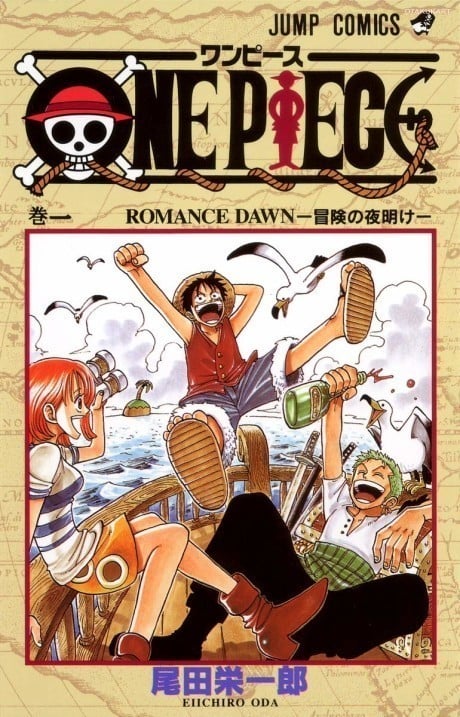
| Started | October 22, 1997 |
|---|---|
| Publisher | Shueisha |
| Author | Eiichiro Oda |