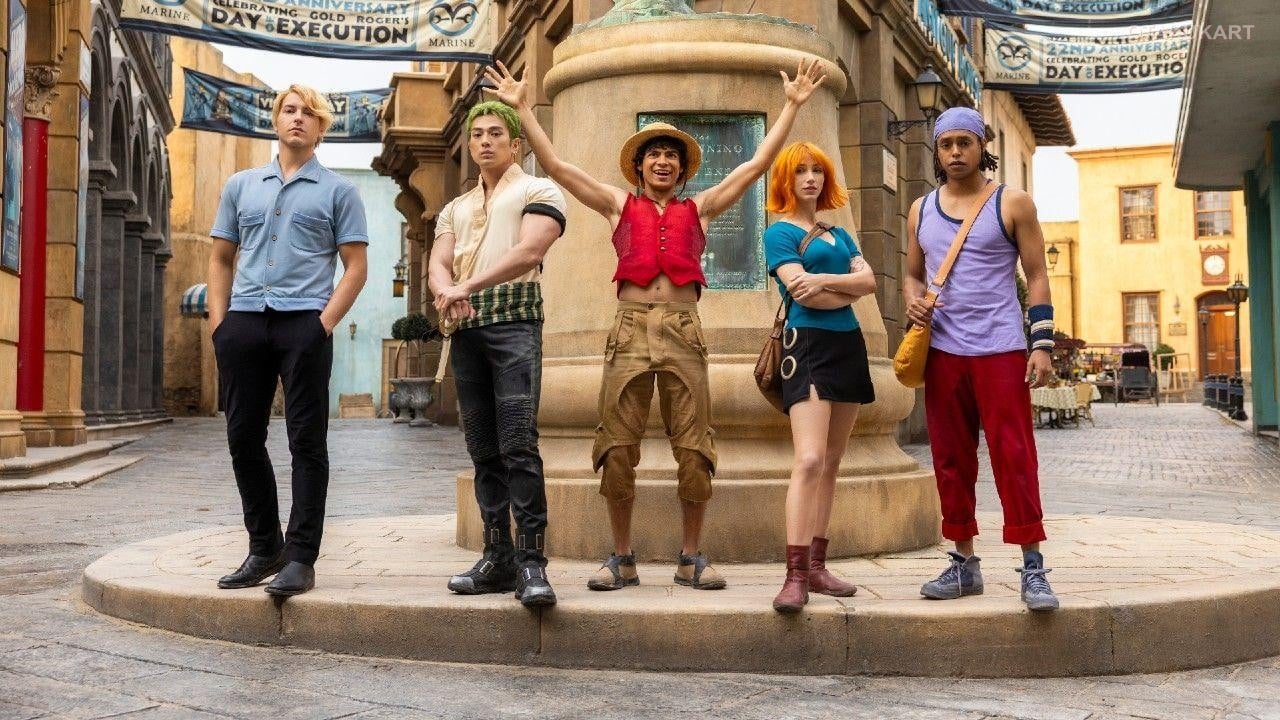
Netflix’s live-action One Piece adaptation faced a significant creative challenge before production, as the team worked to balance the cost of bringing Eiichiro Oda’s expansive manga to the screen with the expectations of its existing fanbase. Showrunner Steven Maeda revealed that budget discussions with Netflix led the team to develop three different versions of the series, including one that would have been considerably cheaper to produce.
Maeda shared these details during a panel at TIFFCOM on October 28, 2026. According to Deadline, the discussion explored the challenges of adapting valuable Japanese intellectual property for international audiences.
“We had a lot of discussions and push and pull on what the budget was going to be, so we wrote three versions of the show,”
Maeda explained.
He added that the initial version would have been expensive, prompting Netflix to ask whether the team could create a much cheaper alternative. However, reducing the budget risked compromising the adaptation’s creative vision.
“The problem with that was, if we did that version, it was not going to be the One Piece show that the fans were going to love,”
Maeda said.
His comments highlight the difficult decisions involved in adapting a long-running manga with hundreds of installments into an eight-episode live-action series.
Why Maeda Believed a Cheaper Version Would Not Work
Maeda’s concern was that lowering production costs too much could undermine the qualities that made One Piece special to its longtime fans. The adaptation needed to bring the manga’s world to life while preserving the elements that audiences expected from Eiichiro Oda’s story.
The showrunner also described the broader challenge of adapting established intellectual property for an international audience. Existing fans want a faithful interpretation, while newcomers need a compelling introduction to a franchise they may not know.
“That’s the big battle with global IP,”
Maeda said, explaining that a successful adaptation must appeal to both groups. He warned that failing to achieve this balance could alienate audiences instead of attracting them.
His comments underline why budget decisions can become creative decisions when adapting ambitious manga. Production costs must remain manageable, but cutting too deeply can affect the scale and storytelling that distinguish a franchise.
One Piece Highlights the Challenges of Global Manga Adaptations
Maeda shared his experience at TIFFCOM’s Unlocking the Global Potential of Japanese IP panel, organized by the Motion Picture Association and UniJapan. The October 28 session also featured Amazon MGM Studios Japan head Buddy Marini and Kingdom producer Shinzo Matsuhashi, who discussed expanding Japanese intellectual property for international audiences.
As studios continue adapting manga and anime for global streaming audiences, One Piece illustrates the challenge of balancing commercial considerations with creative expectations. Maeda’s account does not establish that Netflix filmed three separate versions. Instead, the team wrote three versions while discussing different budget levels, including a significantly cheaper alternative.
The distinction matters because his revelation concerns the show’s development process, not three completed cuts of the series.
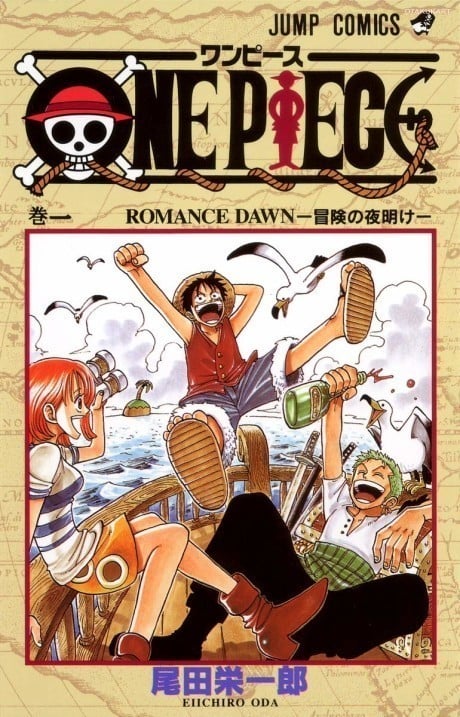
| Started | October 22, 1997 |
|---|---|
| Publisher | Shueisha |
| Author | Eiichiro Oda |