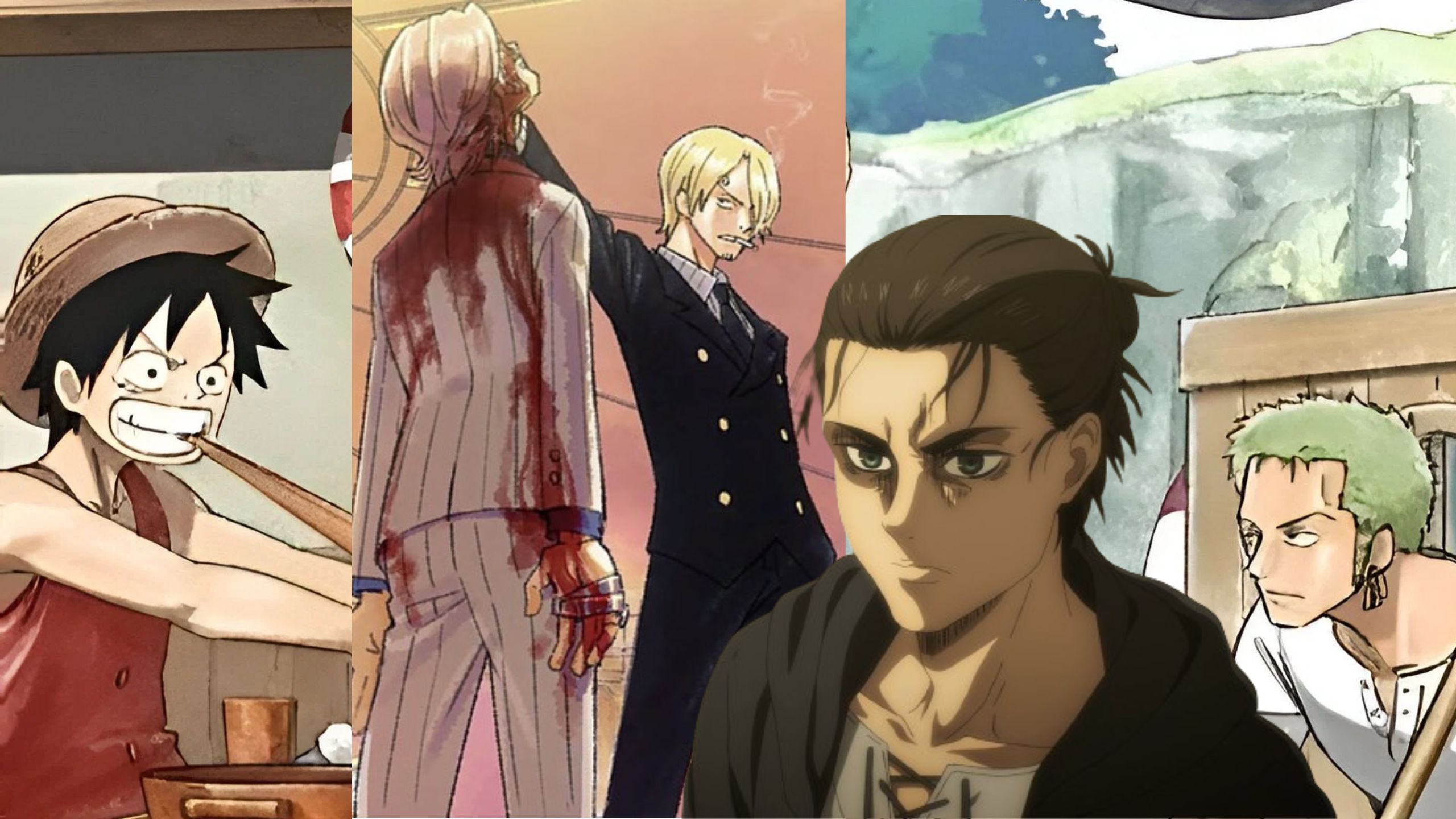
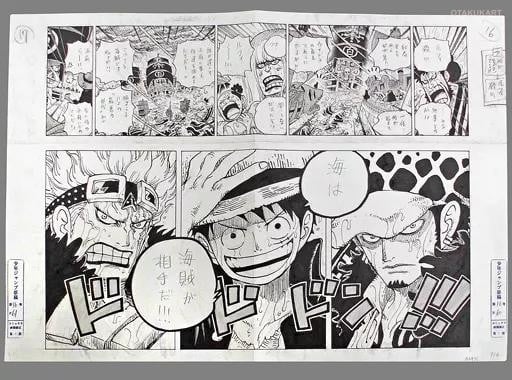
Eiichiro Oda has maintained an unusually hands-on approach to illustrating One Piece, even as the manga has grown into one of the most successful comic franchises in history. The creator personally draws characters, animals, crowds, smoke, clouds, and ocean waves rather than assigning these elements to his assistants.
The reasoning behind this approach is particularly interesting. Oda believes that allowing other artists to handle moving elements can introduce visual inconsistencies, affecting how the finished panels look. His comments offer a rare look into the creative decisions behind the manga’s distinctive artwork and explain why he remains closely involved in its production.
Why Eiichiro Oda Personally Draws Moving Elements in One Piece
During an interview with VIZ Media in 2018, Oda discussed how he divides the manga’s illustration work between himself and his assistants.
He explained that he begins by creating storyboards and sending them to his editor for approval. Once approved, he transfers the layouts onto manga paper, places the dialogue, and starts penciling and inking the pages. Oda handles the characters before his assistants add the backgrounds.
However, his involvement goes beyond drawing the main cast. In an explanation published in One Piece Volume 52’s SBS question-and-answer section, Oda clarified that he personally draws practically everything considered living or moving, including crowd scenes, animals, smoke, clouds, and the sea.
He explained that assigning these elements to someone else can create abnormalities in the artwork and make certain details appear awkward. Oda considers this a personal artistic preference rather than a requirement for every manga creator.
He also explained his broader philosophy behind maintaining creative control:
“I try to have the least number of people possible touching the work. If too many people are involved, I often end up not being satisfied with the final product.”
This approach allows Oda to maintain consistency across the characters and environmental details that bring his fictional world to life.
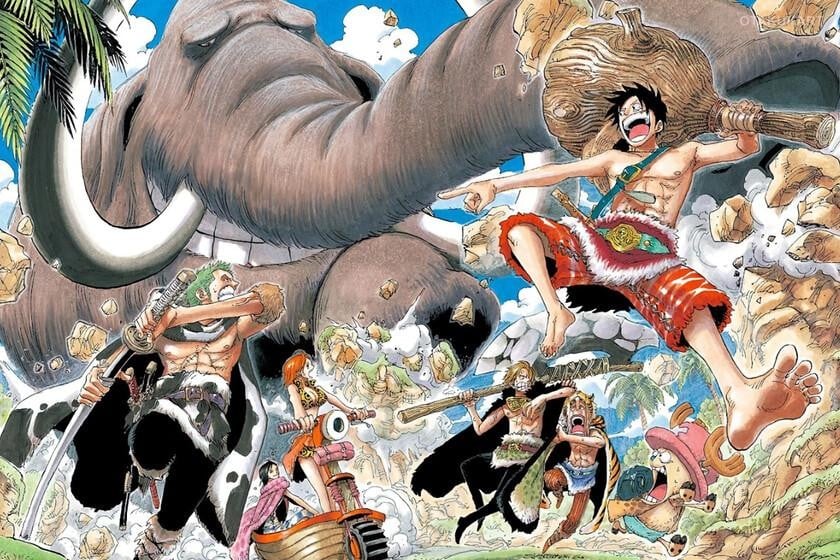
Oda Relies on Assistants Without Giving Up Artistic Control
Despite his reluctance to delegate moving elements, Oda does work with a team of assistants. Their responsibilities include drawing backgrounds and developing the environments surrounding the characters.
During the VIZ interview, he explained that his assistants use his setting artwork as a reference when completing these backgrounds. This division of responsibilities allows him to receive production support without surrendering control over the elements he considers essential to his visual style.
The distinction is important because One Piece frequently features crowded environments, large-scale battles, expressive character movements, and elaborate natural settings. Oda’s personal involvement in these details helps him maintain the visual consistency he wants throughout the series.
His preference for creative control also extends beyond the manga. While discussing Netflix’s live-action adaptation in an interview with The New York Times in 2023, Oda explained that the production would not be released until he was satisfied with the result.
He said,
“I read the scripts, gave notes, and acted as a guard dog to ensure the material was being adapted in the correct way.”
One Piece’s Success Reflects Oda’s Long-Term Creative Vision
One Piece began serialization in Weekly Shonen Jump in 1997 and has since become the best-selling manga series in history. Guinness World Records has recognized its record for the most copies published for the same comic series by a single author.
Oda’s approach to drawing is also connected to his broader creative philosophy. In another VIZ interview, he explained that he primarily creates manga for himself as a 15-year-old reader rather than attempting to predict what every audience will enjoy.
He has also discussed maintaining a notebook of potential settings and ideas, allowing him to revisit concepts whenever he needs inspiration.
His preference for drawing moving elements himself is another example of how he protects the creative identity of One Piece. Rather than treating delegation as a way to speed up every part of production, Oda keeps direct control over the details he believes define his artwork.
Although his assistants remain an important part of the process, his comments reveal why certain aspects of the manga continue to receive his personal attention nearly three decades after its debut.
| Release Date | February 25, 2022 |
|---|---|
| Platforms | PlayStation 4, PlayStation 5, Xbox One, Xbox Series X|S +2 more |
| Developer | FromSoftware |
| Director | Hidetaka Miyazaki |
| Writer / Narrative | George R. R. Martin |