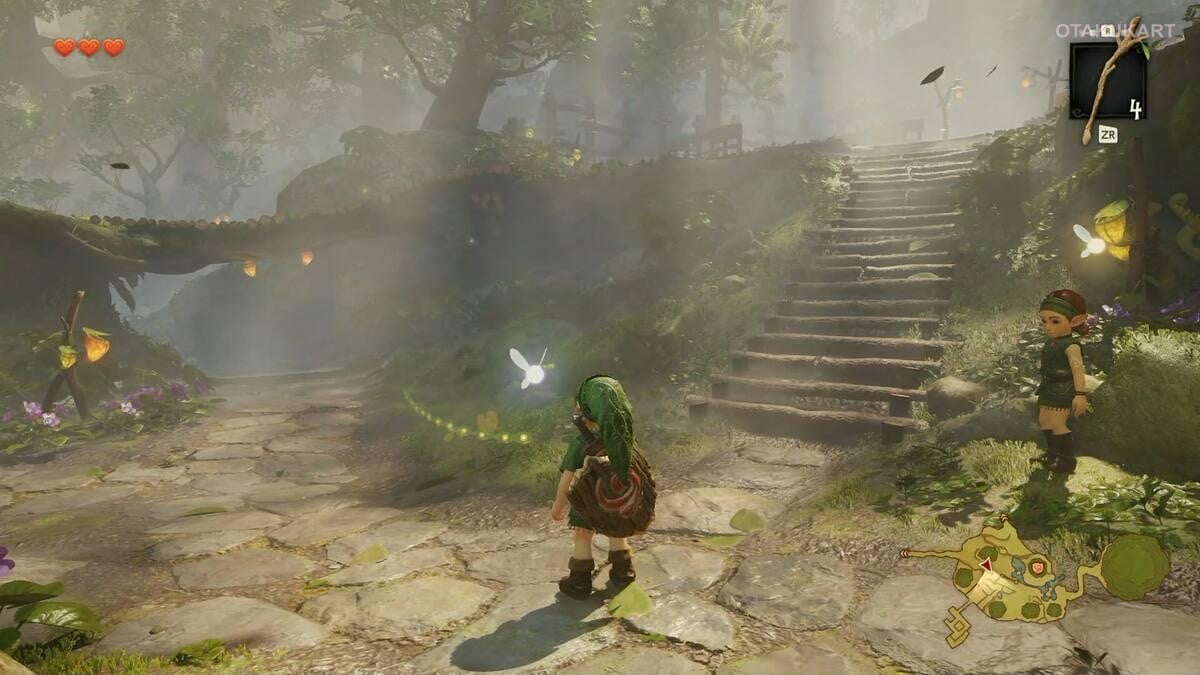
Nintendo is changing one of The Legend of Zelda: Ocarina of Time’s original gameplay mechanics for its upcoming Nintendo Switch 2 remake. The development team has removed the contextual auto-jump system and introduced a dedicated button that allows Link to jump anywhere. According to director HokWai Ng, speaking during Nintendo’s official developer interview, Part 3, the decision was partly made to prevent players familiar with recent Zelda games from finding the older control system confusing.
In the original Nintendo 64 release, Link did not have a dedicated jumping button. Instead, he automatically jumped when players pushed the Control Stick forward at specific locations. This meant that players could only jump at predetermined points, with the surrounding terrain determining when the action was possible.
However, Nintendo believes this approach could feel restrictive to players who started with The Legend of Zelda: Breath of the Wild and Tears of the Kingdom. Ng explained that newcomers might question why Link can jump in certain locations but cannot perform the same action elsewhere.
To address this, the remake adopts the jumping controls from more recent entries in the franchise. Ng explained that Nintendo wanted players to have the freedom to jump anywhere with a single button press rather than relying on environmental triggers.
The change represents an effort to modernize Ocarina of Time without abandoning the fundamentals of its original gameplay.
Adult Link and Young Link Create Additional Level-Design Challenges
Although the new jumping system offers more freedom, it has also created additional work for Nintendo’s development team. Series producer Eiji Aonuma admitted that removing the original restrictions meant developers had to consider how players might interact with every part of the environment.
In the original game, developers could control where Link jumped through carefully designed terrain. With the dedicated jump button, players can attempt to leap across gaps and reach areas that were never designed for that purpose. Nintendo consequently had to review its environments and make adjustments to accommodate the expanded movement options.
Art director Aya Shida highlighted another complication involving the game’s two versions of Link. Since Young Link and Adult Link have slightly different jumping distances, designing suitable gaps and platforms required additional balancing.
Shida explained that even a single piece of terrain needed careful consideration to ensure that the jumping distance worked appropriately for both versions of the protagonist.
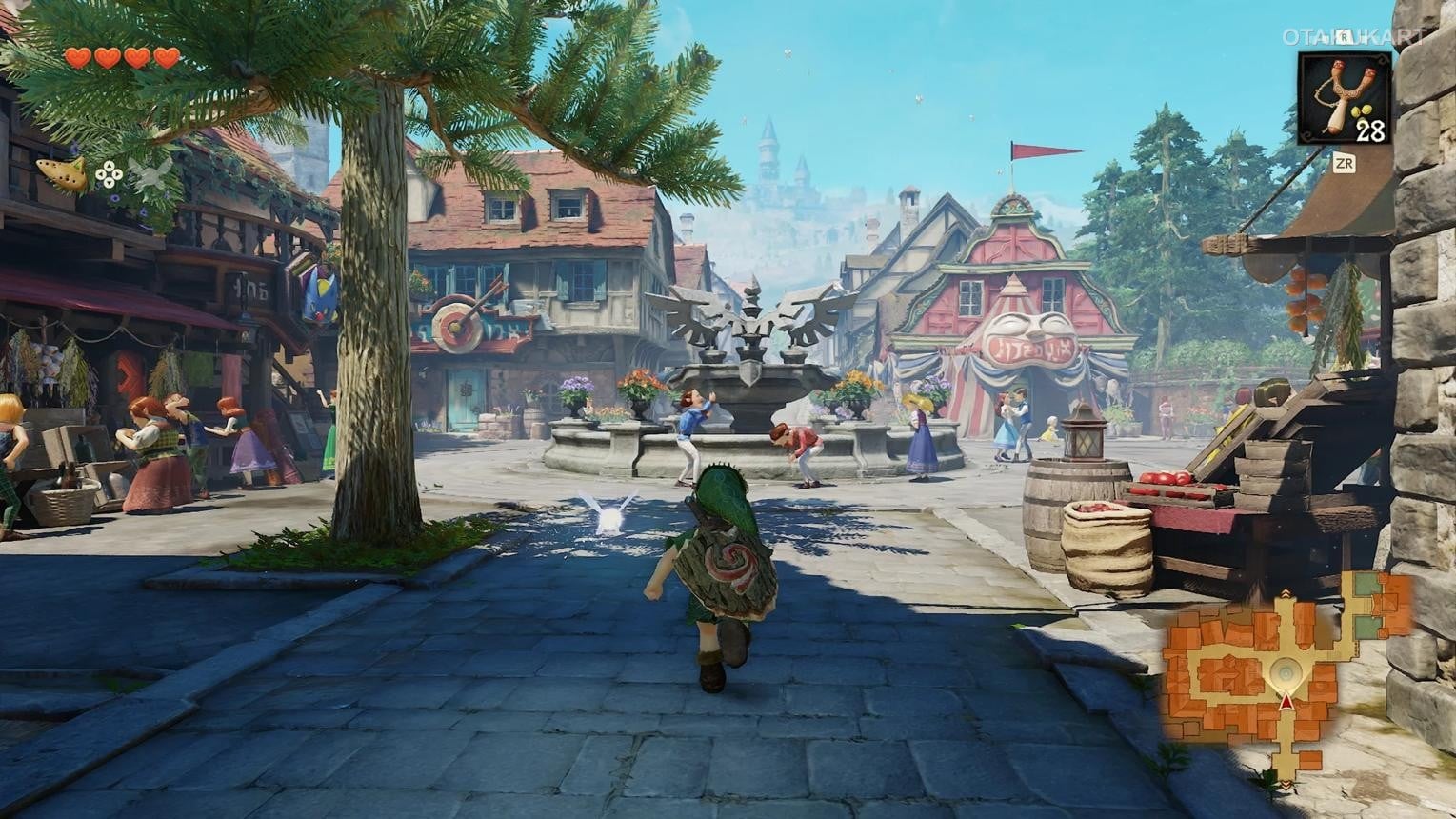
Nintendo Also Revises Jump Attacks and Dashing
Jumping is not the only movement mechanic receiving attention in the remake. Nintendo has also redesigned Link’s Jump Attack to accommodate players familiar with modern Zelda controls.
In the original version, players could perform a Jump Attack with a single button press. The remake initially adopted the two-step approach from Breath of the Wild, requiring players to jump before pressing the attack button.
However, Aonuma struggled to adjust to the revised controls. He told the development team that the new approach did not feel as satisfying as the original. Nintendo consequently introduced an additional option that allows players to perform the Jump Attack with a single button press.
Director HokWai Ng also confirmed changes to dashing. Players can still repeatedly use Link’s forward roll to travel across Hyrule Field, preserving a familiar movement technique from the Nintendo 64 version. However, holding down the Roll Attack button now allows Link to dash continuously.
These adjustments reflect Nintendo’s broader approach to modernizing the remake while retaining familiar gameplay elements.
Ocarina of Time Remake Rebuilds the Original Experience
Program director Hiroki Taguchi previously confirmed that Nintendo recreated the game from scratch rather than using the original version’s code as its foundation. The team repeatedly compared its new implementations with the Nintendo 64 release to preserve the original’s responsiveness.
The remake also features modern camera controls and adjustments designed to make exploration more accessible.
The Legend of Zelda: Ocarina of Time launches exclusively on Nintendo Switch 2 on November 5, 2026. Nintendo’s official game page also confirms completely overhauled visuals, orchestral music, voiced cutscenes and expanded dialogue.
| Release Date | November 21, 1998 |
|---|---|
| Platforms | Nintendo 64, Nintendo GameCube, iQue Player, Nintendo 3DS +1 more |
| Developer | Nintendo EAD |
| Director | Eiji Aonuma Yoshiaki Koizumi |
| Writer / Narrative | Nintendo EAD Toru Osawa |