Nobuo Uematsu has offered an unusual explanation for the musical direction of Final Fantasy 7, arguing that much of the game’s soundtrack was intentionally less memorable than the music he created for earlier entries in the series.
In Nobuo Uematsu: On The Record by James Mielke, Uematsu reflects on composing the soundtrack for the 1997 PlayStation classic. As shared by the FF7 Music account, the composer says that many of Final Fantasy 7’s tracks were deliberately restrained because the game’s improved visuals had changed how music needed to function.
“Most of Final Fantasy 7’s songs are boring compared to the music in prior games.”
Rather than viewing that as a failure, Uematsu explained that the approach was intentional.
UEMATSU WANTED FINAL FANTASY 7’S MUSIC TO STAY IN THE BACKGROUND
According to Uematsu, the transition from Nintendo’s earlier hardware to the PlayStation fundamentally changed the relationship between music and storytelling. The improved visuals could communicate character emotions, locations and dramatic moments more effectively, meaning the soundtrack no longer needed to carry as much of the narrative burden.
“Because of the improvements in the visuals, the music distracts from the gameplay if the melody is too catchy,”
Uematsu explains in On The Record.
“So I wrote music that doesn’t impose on the focus for the story.”
He contrasts this with his work on the Famicom and Super Famicom Final Fantasy games, where music played a more direct role in advancing the story.
“By Final Fantasy 7, the visuals are convincing enough to tell the story, but it was better for the music to step back,”
Uematsu says.
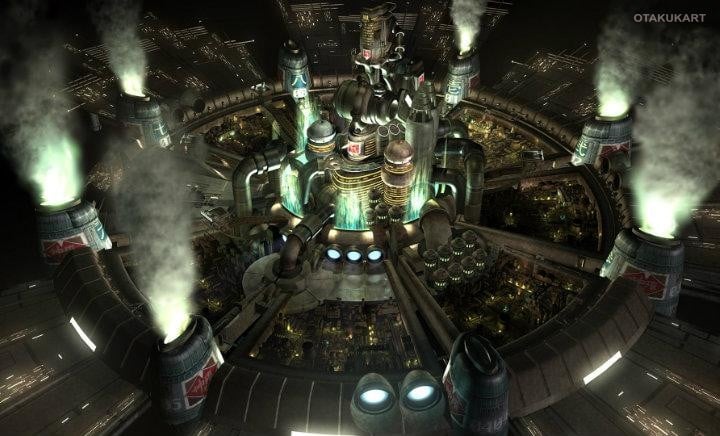
This philosophy also explains why tracks such as “Mako Reactor” can feel atmospheric without constantly demanding the player’s attention. The soundtrack uses repetition, darker synth tones and restrained melodies to establish the mood while allowing the game’s environments and characters to remain the focus.
FINAL FANTASY 7 MARKED A MAJOR CHANGE FOR UEMATSU
Uematsu says he recognized this shift beginning with Final Fantasy 7, and the philosophy continued into Final Fantasy 8. The later PlayStation entries also benefited from Square’s growing ability to work with more sophisticated sound technology.
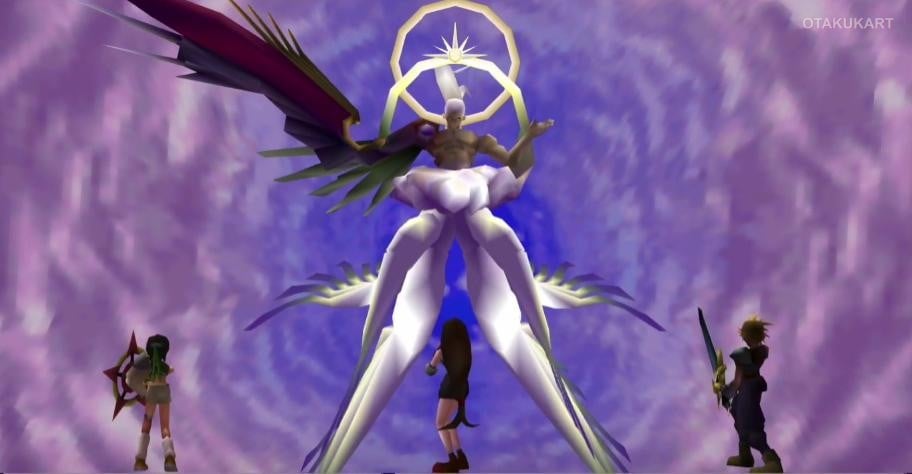
Despite his criticism, Final Fantasy 7 still contains some of Uematsu’s most celebrated compositions, particularly “One-Winged Angel.” The composer specifically identifies it as one of the game’s fan-favorite exceptions.
His comments ultimately reveal that Final Fantasy 7’s comparatively restrained soundtrack was not simply a limitation of its era. It was a deliberate response to the PlayStation’s increasingly cinematic presentation and Uematsu’s changing understanding of how game music should support storytelling.