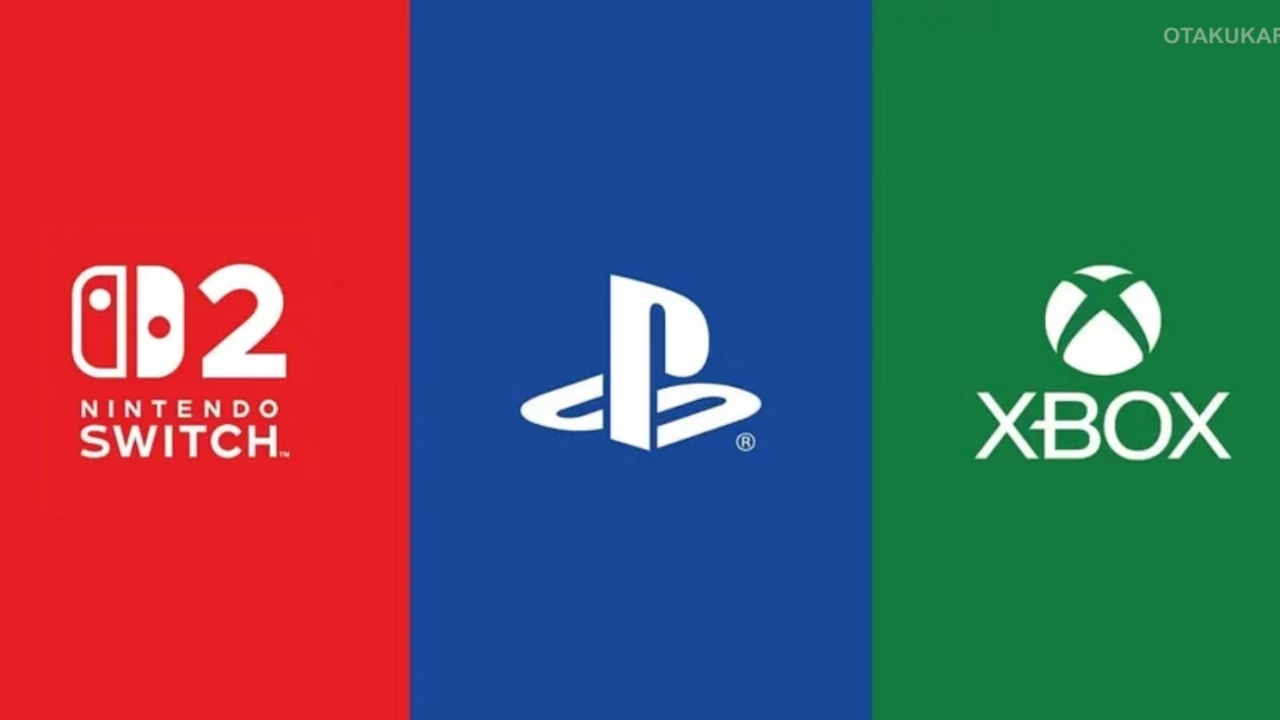
Nintendo’s financial position has become a major talking point across the gaming industry following reports that Sony and Microsoft are facing significant business challenges.
As first highlighted in a report by Games GG, the contrasting fortunes of the three console makers have sparked renewed discussion about their long-term business strategies.
As Sony transitions away from physical PlayStation game discs and Microsoft reportedly prepares one of its largest rounds of Xbox-related layoffs, Nintendo continues to operate from a position of financial strength backed by approximately $14 billion in cash reserves.
The contrast highlights the different business strategies adopted by the three console manufacturers over the past decade. While Sony and Microsoft aggressively expanded through acquisitions, live-service investments, and broader platform ambitions, Nintendo largely maintained its traditional approach of controlled spending, steady first-party development, and conservative financial management.
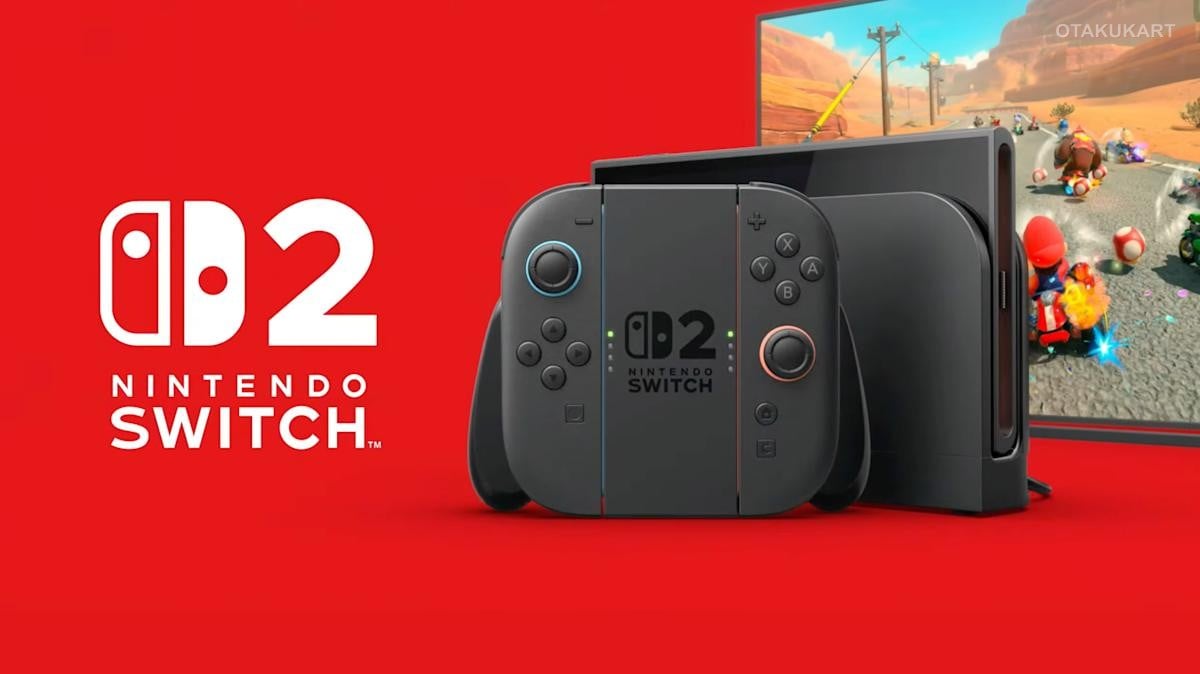
The discussion comes shortly after Nintendo launched the Nintendo Switch 2, reinforcing its position as one of the industry’s most financially stable gaming companies.
Nintendo’s long-term strategy is paying off
Unlike many of its competitors, Nintendo has focused on profitability rather than rapid expansion. The company has historically invested cautiously, avoided major acquisition sprees, and continued relying on internally developed franchises such as Mario, The Legend of Zelda, Animal Crossing, and Splatoon to drive hardware and software sales.
Nintendo’s conservative approach has also extended to its workforce. According to publicly available company data, employee retention remains among the highest in the industry, with staff spending an average of more than 14 years at the company.
Rather than pursuing aggressive growth during the pandemic gaming boom, Nintendo prioritized maintaining healthy cash reserves and sustainable operating costs.
Another notable difference is hardware design. The Nintendo Switch 2 continues the company’s philosophy of balancing performance with affordability instead of competing directly with high-end console specifications. That strategy has helped Nintendo reduce exposure to rising component costs affecting more powerful gaming hardware.
Sony and Microsoft face different business pressures
Sony recently confirmed plans to phase out production of physical PlayStation game discs, continuing the industry’s broader transition toward digital distribution. The decision has sparked discussion among players who continue to value physical ownership and the ability to buy, sell, or collect boxed games.
Microsoft, meanwhile, has reportedly begun another round of significant layoffs affecting its gaming division following its $68.7 billion acquisition of Activision Blizzard in 2023. The company has spent the past two years restructuring its gaming business, closing studios and reducing operating costs after one of the largest acquisitions in entertainment history.
These developments have intensified comparisons between the three platform holders, particularly regarding long-term financial planning.
Physical ownership remains part of Nintendo’s approach
Although Nintendo has introduced Game-Key Cards for some Nintendo Switch 2 releases, the format still allows players to resell, lend, and trade physical cartridges because they are not permanently tied to a user’s account. That distinction has become more relevant as digital distribution continues expanding across the industry.
Nintendo has also faced criticism of its own, including premium first-party game pricing and strict enforcement of its intellectual property rights. However, analysts frequently point to the company’s disciplined financial management as a key reason it has avoided the large-scale restructuring currently affecting other major publishers.
With approximately $14 billion in cash reserves and a business model built around steady profitability rather than aggressive expansion, Nintendo enters the second half of 2026 from a markedly different financial position than its console rivals.