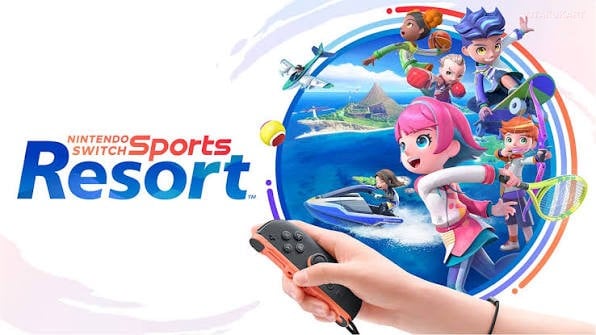
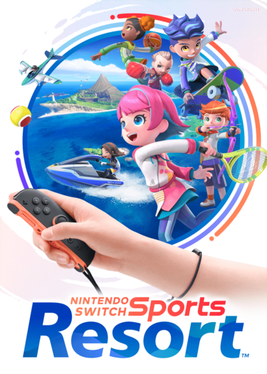
The reveal of Nintendo Switch Sports Resort has sparked an unexpected controversy among longtime fans, centered around a major change to the series’ identity. Nintendo’s introduction of Sportsmates, a new set of pre-designed characters, has drawn criticism from players who feel the move undermines the personal connection that defined earlier entries.
At the heart of the debate is Wuhu Island, a familiar setting that has been closely associated with Miis since its debut in Wii-era titles. For many fans, the island is more than just a location. It represents a core part of the franchise’s identity, built around player-created avatars and shared experiences.
Why Fans Are Pushing Back Against Sportsmates
The backlash began soon after footage of the new characters circulated online, with players expressing frustration across forums and social platforms. Many longtime fans have described the shift as a loss of identity, arguing that the series is moving away from what made it special.
Miis were never about visual realism. Their appeal came from personalization, allowing players to insert themselves into the game world. Whether competing in swordplay or exploring Wuhu Island, the experience felt uniquely tied to each player.
Sportsmates, by contrast, are fixed characters with defined appearances and personalities. While they offer a more polished and modern look, they lack the personal connection that Miis provided. This difference has become the central issue driving the controversy.
Some players have even used strong language to describe the change, referring to the introduction of Sportsmates as an “invasion” of Wuhu Island. The sentiment reflects a deeper concern that the series is losing its emotional core in favor of a broader, more generic appeal.
Miis have been a defining feature of Nintendo’s ecosystem since their introduction, appearing across multiple titles and hardware generations. In games like Wii Sports Resort, they served as the player’s identity within the game, creating a sense of ownership that extended beyond gameplay mechanics.
That connection is especially important in a setting like Wuhu Island, which has appeared in several Nintendo titles over the years. Its consistent use has helped establish it as one of the company’s most recognizable locations, further strengthening the bond between players and their avatars.
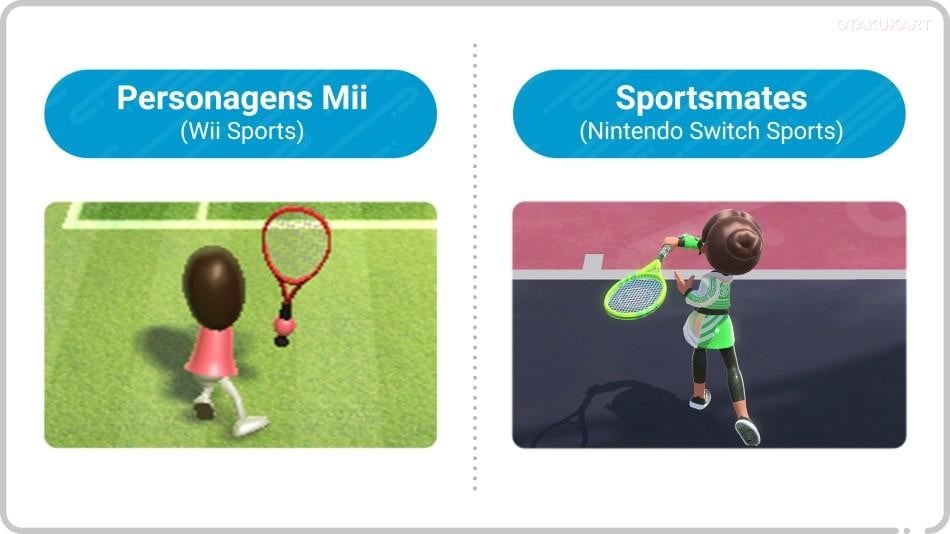
By shifting the focus to Sportsmates, Nintendo appears to be reimagining how players engage with its sports games. While Miis are still present in some capacity, they are no longer the central focus, with Sportsmates taking a more prominent role in menus and promotional material.
Nintendo’s Likely Strategy Behind the Change
From a design perspective, the introduction of Sportsmates is not difficult to understand. Miis are closely tied to older hardware generations, and newer audiences may not have the same attachment to them. By creating a new cast of characters, Nintendo can establish a more unified visual identity for its latest console era.
Sportsmates are designed to be expressive, stylized, and immediately recognizable, making them easier to market to a global audience. This approach aligns with broader industry trends, where developers aim to create consistent branding across games and platforms.
However, this shift also highlights the challenge of balancing modernization with legacy. For players who grew up with Miis, the change feels less like an evolution and more like a departure from the series’ roots.
| Release Date | October 22, 2026 |
|---|---|
| Platforms | Nintendo Switch 2 |
| Developer | Nintendo |
| Director | Yoshikazu Yamashita |