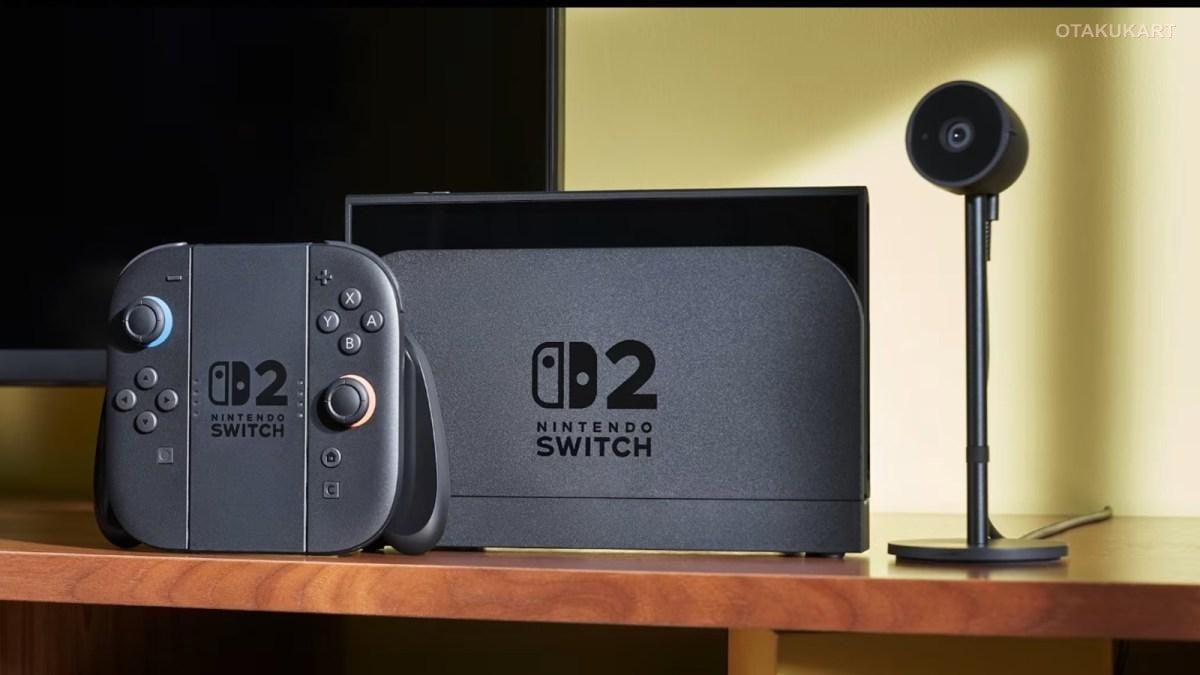
Nintendo’s latest console has hit a sudden roadblock in Japan, with new data showing a steep decline in weekly sales following a recent price increase. While the drop appears dramatic at first glance, analysts and the company itself suggest the slowdown may be temporary rather than a long-term concern.
According to Famitsu, sales of the Nintendo Switch 2 fell from 247,880 units in one week to just 31,751 units the next, marking a drop of nearly 90%. The decline came immediately after Nintendo raised the console’s price in Japan by ¥10,000 on May 25, making it one of the clearest examples yet of how pricing changes can impact demand.
Price Hike Triggers Immediate Sales Slowdown
The timing of the decline strongly suggests that the price increase played a major role in the sudden drop. In the weeks leading up to the hike, sales had surged as consumers rushed to purchase the console before the higher price took effect.
This kind of “pre-hike spike” followed by a sharp correction is a common pattern in consumer electronics. Buyers who were already planning to purchase the device accelerated their decision, creating an artificial peak that was almost certain to be followed by a decline.
Once the new pricing kicked in, demand cooled significantly, leading to the sharp week-on-week drop reported by Famitsu. However, this does not necessarily indicate weakening long-term interest in the console.
Nintendo’s decision to increase the price is tied to broader industry challenges, particularly rising component and memory chip costs. Like other console manufacturers, the company is facing higher production expenses and has been forced to adjust pricing to maintain margins.
Globally, the price hike has been relatively modest compared to competitors. The Switch 2 is set to increase by around $50 in the United States and €30 in Europe, while Japan saw an earlier and more immediate adjustment.
Despite the increase, Nintendo has shown confidence in the console’s performance. The company recently raised its forecasts for the Switch 2, signaling that it expects demand to stabilize and continue growing over time.
Short-Term Shock or Long-Term Concern?
While a 90% drop may seem alarming, the context suggests it is more of a short-term correction than a sign of lasting decline. Sales in Japan had been unusually high before the price change, meaning the baseline was temporarily inflated.
Early signs also indicate that demand has not collapsed entirely. Even after the drop, tens of thousands of units were still sold in a single week, suggesting that consumer interest remains intact.
Industry trends show that sales typically normalize after a price adjustment as consumers adapt to the new cost. If Nintendo continues to deliver strong content, the impact of the price increase is likely to fade over time.
Looking ahead, one of the biggest factors influencing Switch 2 sales will be its upcoming game lineup. Reports and rumors suggest that Nintendo may soon hold a new Direct presentation, which could introduce major titles designed to boost hardware demand.
Historically, blockbuster releases from franchises like Mario, Zelda, and Pokémon have played a key role in driving console sales. A strong announcement slate could quickly offset concerns about pricing by giving consumers a compelling reason to invest in the hardware.
The speculation around a potential new Mario title has already generated excitement, with fans expecting Nintendo to leverage its biggest franchises to maintain momentum.