
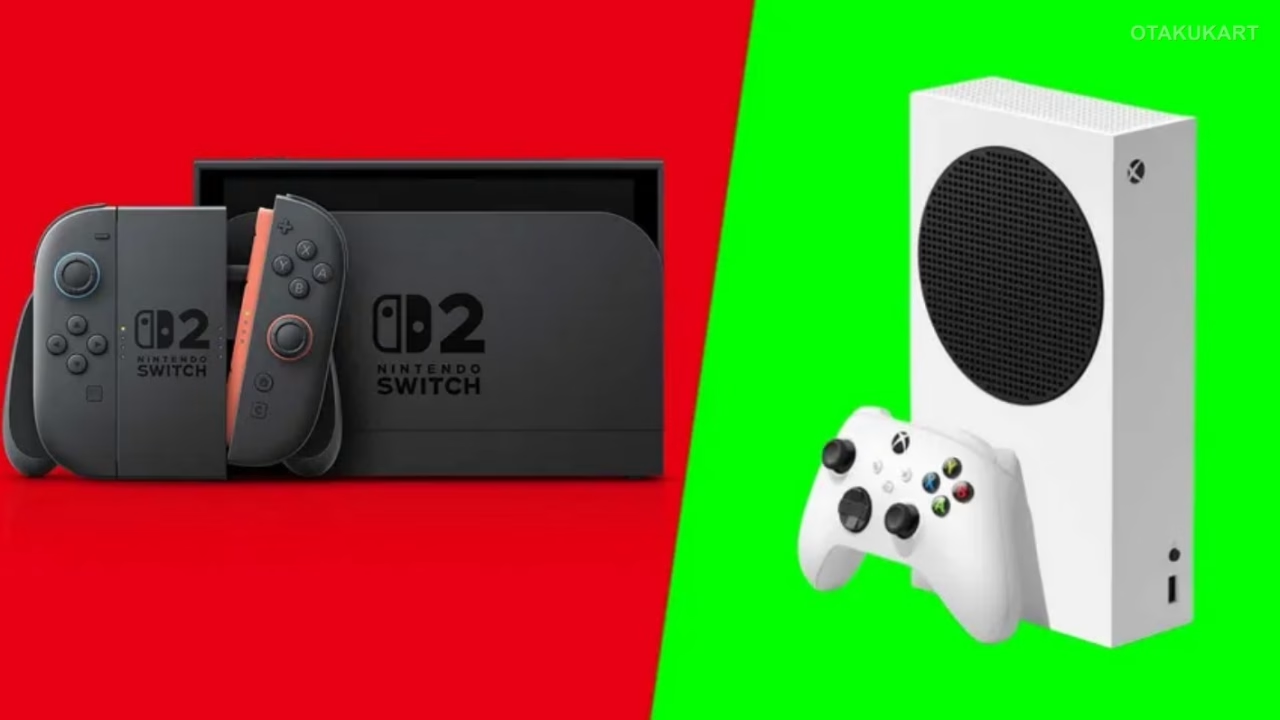
A new discussion from Digital Foundry suggests that Xbox Series S may have played an unexpected role in preparing developers for Nintendo’s next-generation hardware.
While Nintendo Switch 2 is still establishing its place in the market, early technical analysis indicates that years of optimization for lower-end systems could be giving it a major advantage.
How Series S Optimization Translates to Switch 2
The conversation began during a recent Digital Foundry podcast, where the team explored whether the Xbox Series S indirectly helped shape development pipelines for Switch 2. According to analyst Oliver Mackenzie, there are clear similarities in how games are being scaled across both platforms.
He explained that
“in a lot of cases, we basically see very similar trade-offs being made”
between the two systems . These trade-offs include reduced graphical settings, adjusted resolution targets, and performance compromises—techniques developers have already refined while working on Series S titles.
This overlap means studios don’t have to start from scratch when bringing modern games to Nintendo’s hardware. Instead, they can use Series S versions as a baseline for estimating performance and optimizing ports.
Part of this alignment comes down to hardware similarities. While not identical, both systems operate within comparable constraints, particularly in GPU performance and memory availability. As highlighted in the podcast, Series S offers around 8GB of usable RAM for developers, while Switch 2 provides roughly 9GB, creating a surprisingly close development environment.
This has led to cases where games like Final Fantasy VII Rebirth appear to use “basically identical settings” across both platforms . Such parity suggests that developers are increasingly treating Switch 2 as part of the same technical tier as entry-level current-gen hardware.
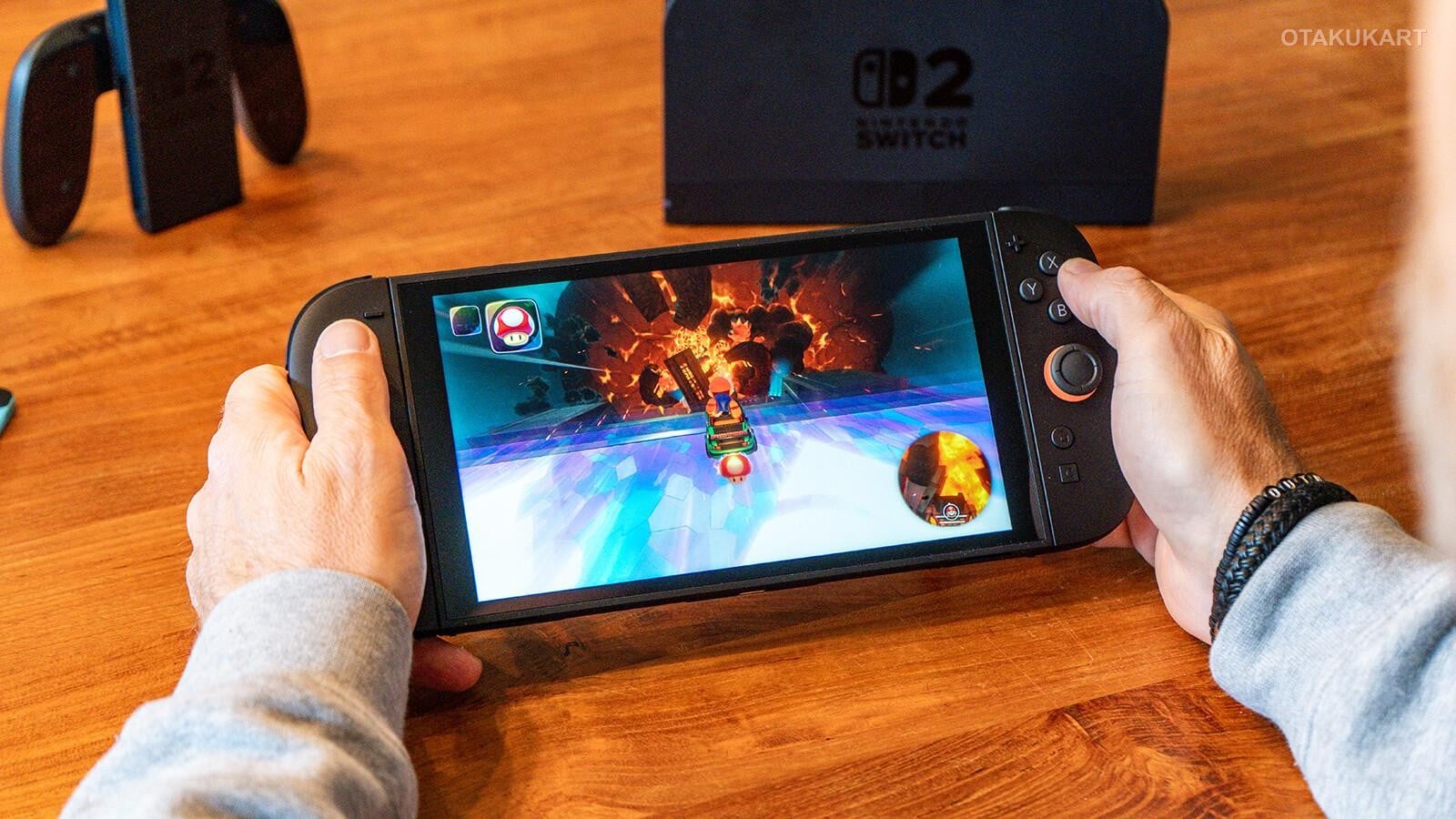
However, the comparison isn’t entirely one-sided. There are instances where Switch 2 actually pulls ahead in visual quality.
DLSS Gives Switch 2 a Unique Edge
One of the biggest advantages for Switch 2 is its use of NVIDIA’s DLSS upscaling technology. This feature allows games to render at lower resolutions internally while maintaining sharper image quality on screen.
Digital Foundry pointed out that in some titles, including newer entries in the Resident Evil series, Switch 2 versions can look noticeably better than their Series S counterparts. “It looked much better on Switch 2 in terms of image quality,” the team noted, although they also acknowledged that performance can sometimes lag behind .
This trade-off highlights a key distinction between the two systems: while Series S often delivers more stable frame rates, Switch 2 can achieve higher visual fidelity thanks to DLSS.
Beyond hardware comparisons, the discussion also points to a larger industry trend. Modern game engines are becoming increasingly scalable, allowing developers to target a wide range of devices more efficiently than ever before.
As Digital Foundry’s John Linneman explained, “we’re at a point where games are just scalable enough that it’s not the same kind of problem that it used to be” . This means developers can create flexible builds that adapt to different hardware levels without massive additional effort.
The rise of handheld PCs and lower-powered consoles has further accelerated this shift, encouraging studios to design games that can run across diverse systems from the outset.