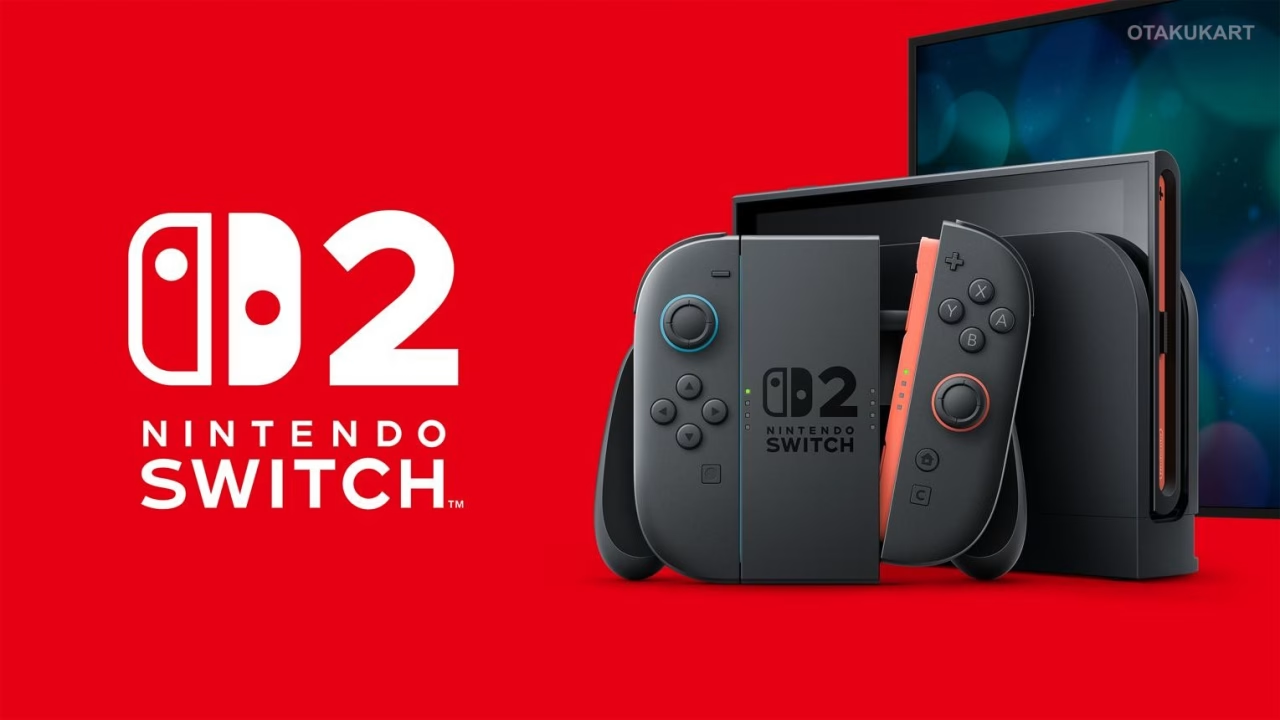
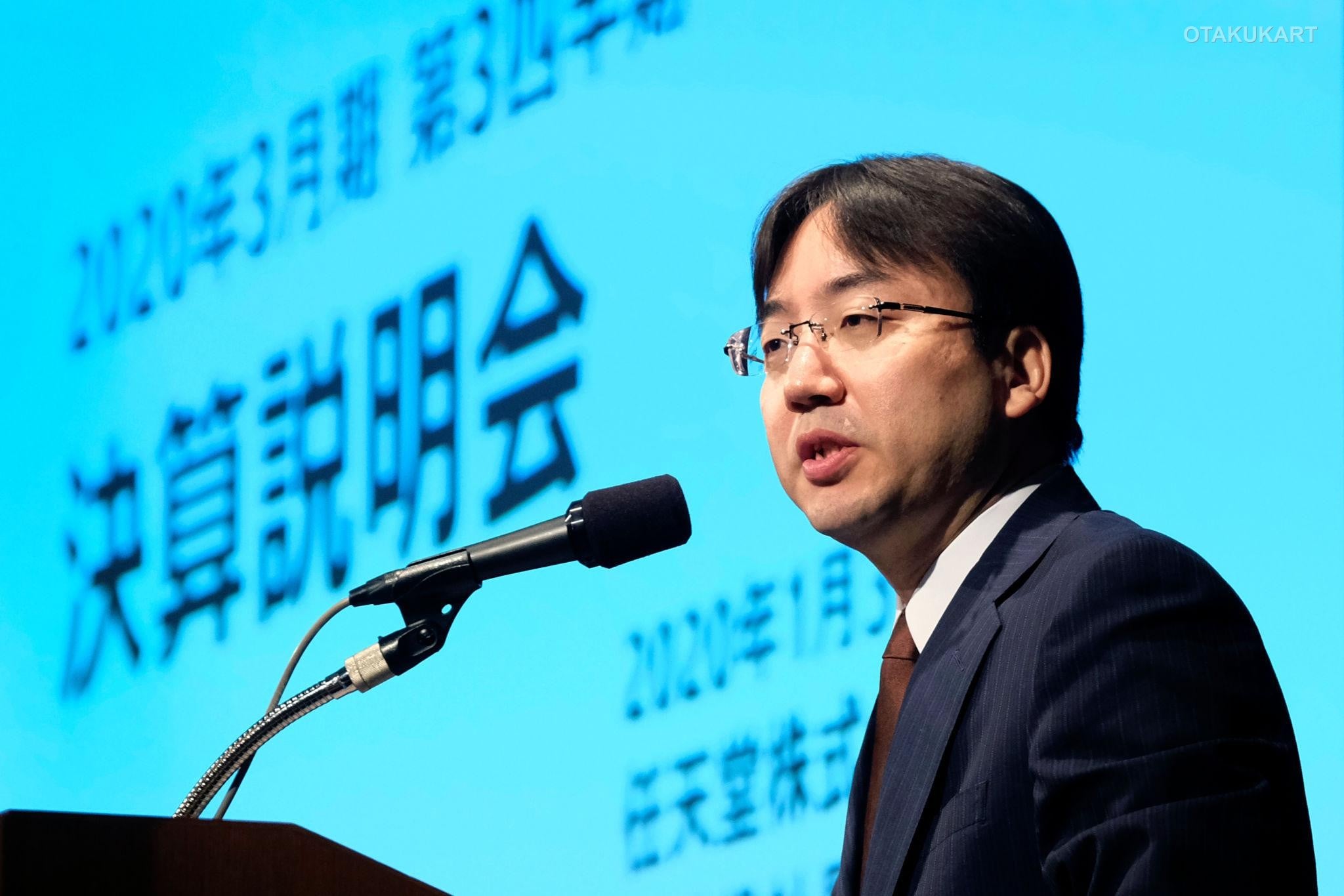
Nintendo is trying to keep its hardware and software prices as stable as possible despite rising manufacturing costs, but the company has not ruled out future price increases. President Shuntaro Furukawa addressed Nintendo’s pricing strategy during its November 2026 financial results Q&A, explaining how component shortages and increasing production expenses could influence the cost of future products.
According to Furukawa, Nintendo initially intends to absorb moderate manufacturing cost increases through internal improvements rather than immediately passing additional expenses to customers. However, if those costs become too difficult to manage over an extended period, the company may have to reconsider its retail prices to protect profitability.
His comments are particularly relevant to Nintendo Switch 2 owners, as the console has already experienced price adjustments in several markets. The discussion also clarified why Nintendo evaluates software prices differently from hardware and does not follow a single pricing structure for every game.
Nintendo Could Consider Another Switch 2 Price Increase
Furukawa explained that Nintendo’s hardware production depends on components supplied by numerous business partners. Consequently, changes in external market conditions can directly affect manufacturing expenses.
The company’s first approach is to maintain existing retail prices by improving production efficiency or absorbing additional costs internally. However, this strategy has limits.
Furukawa stated that Nintendo would consider price adjustments if rising expenses become too significant to manage through internal efforts over the medium to long term and maintaining a healthy profit structure becomes difficult.
This means another Nintendo Switch 2 price increase remains a possibility, although Furukawa did not announce any immediate adjustment or provide a timeline for one.
Nintendo Will Price Each Game According to Its Individual Value
The company follows a different strategy when determining software prices. Although physical Nintendo Switch 2 games are also affected by increasing component costs because their game cards require memory chips, Furukawa noted that the impact is smaller than it is on hardware.
Rather than introducing one standard price across its entire software lineup, Nintendo evaluates individual games according to their content and perceived value.
Furukawa explained that the company’s policy is to set prices that reflect the value of each individual title. This approach allows Nintendo to consider the experience offered by a game instead of relying entirely on production expenses.
Nintendo Explains Why Its Hardware Prioritizes Entertainment Over Technology
Nintendo executives Ko Shiota and Shinya Takahashi also discussed how the company’s product development philosophy influences pricing.
Shiota explained that Nintendo does not simply pursue the latest technology or highest possible specifications. Instead, its developers focus on delivering an entertainment experience that justifies the hardware.
He noted that Nintendo may deliberately limit certain features or reduce performance in specific areas if doing so helps achieve its intended product experience. Hardware and software teams consequently work together when determining console specifications.
Takahashi added that Nintendo’s software development strategy revolves around creating distinctive experiences that offer customers value beyond their purchase price. He believes that encouraging players to enjoy these products over extended periods can contribute to more stable earnings.
Nintendo Wants to Increase the Long-Term Value of Its Games
Yusuke Beppu further explained that Nintendo considers the inherent value of its products and the additional services surrounding them when determining prices.
He also highlighted the importance of maintaining a distinctive identity as entertainment options continue to expand. Nintendo wants its games and services to offer experiences that encourage customers to keep returning to its franchises.
Beppu added that multiplayer experiences are another important part of this strategy, as playing together can attract new customers and expand the community surrounding Nintendo products.
These comments indicate that Nintendo’s pricing strategy involves more than manufacturing expenses. The company is balancing rising production costs with the perceived value of its hardware, individual games, and long-term entertainment offerings.