
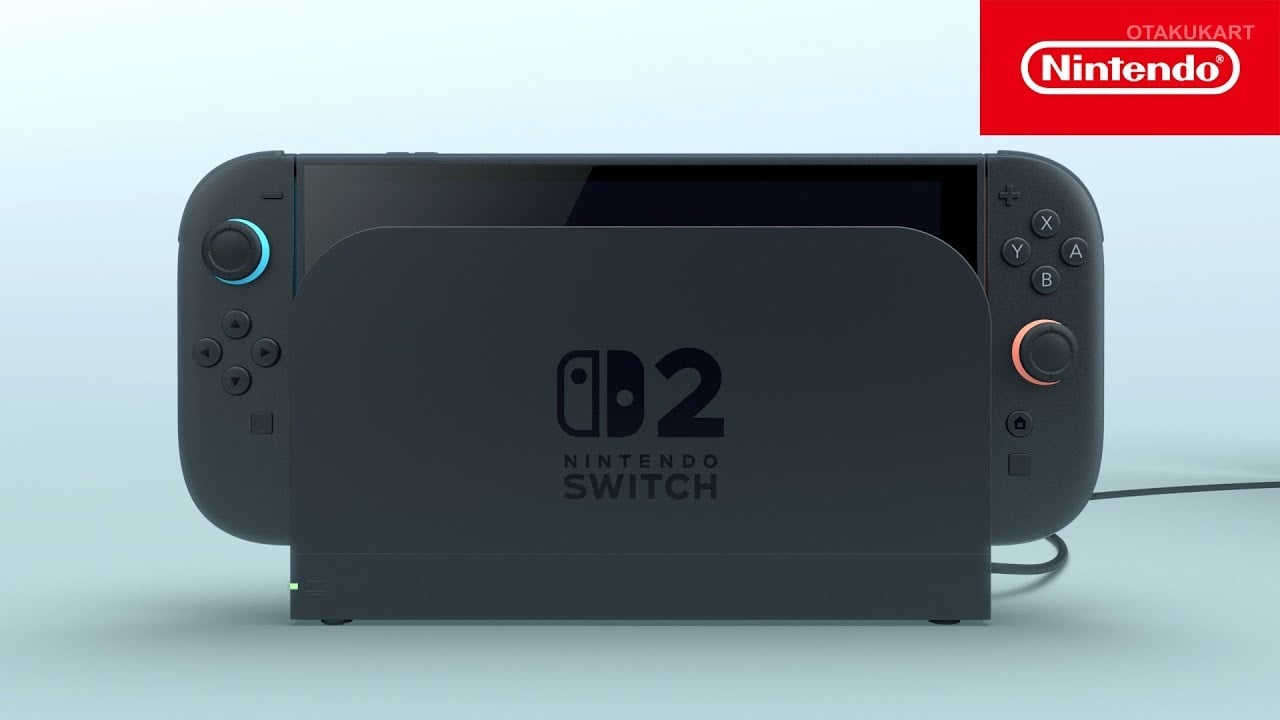
Nintendo has officially confirmed that it is preparing a new version of its upcoming console, the Nintendo Switch 2, with a key hardware change aimed at European markets. The company revealed that it will introduce models with user-replaceable batteries in the European Union, aligning with new right-to-repair regulations set to take effect in 2027.
The move signals a significant shift not just for Nintendo, but for the broader consumer electronics industry, as manufacturers begin adapting to stricter sustainability and repairability standards across Europe.
Why Nintendo Is Updating the Switch 2
The change is driven by new EU regulations that will require many consumer electronics, including handheld gaming consoles, to feature easily replaceable batteries starting February 18, 2027. These rules are part of a wider push toward sustainability and reducing electronic waste.
Nintendo confirmed on its official website that it is
“implementing measures to comply with these requirements by preparing versions of products to meet the Regulation.”
This means future versions of the Switch 2 sold in the EU will be designed differently from current models.
At present, replacing the battery in a Switch 2 is a complex process involving multiple steps, as noted in teardown reports. The new regulation will require companies to simplify that process, making it easier for consumers to swap batteries without specialized tools.
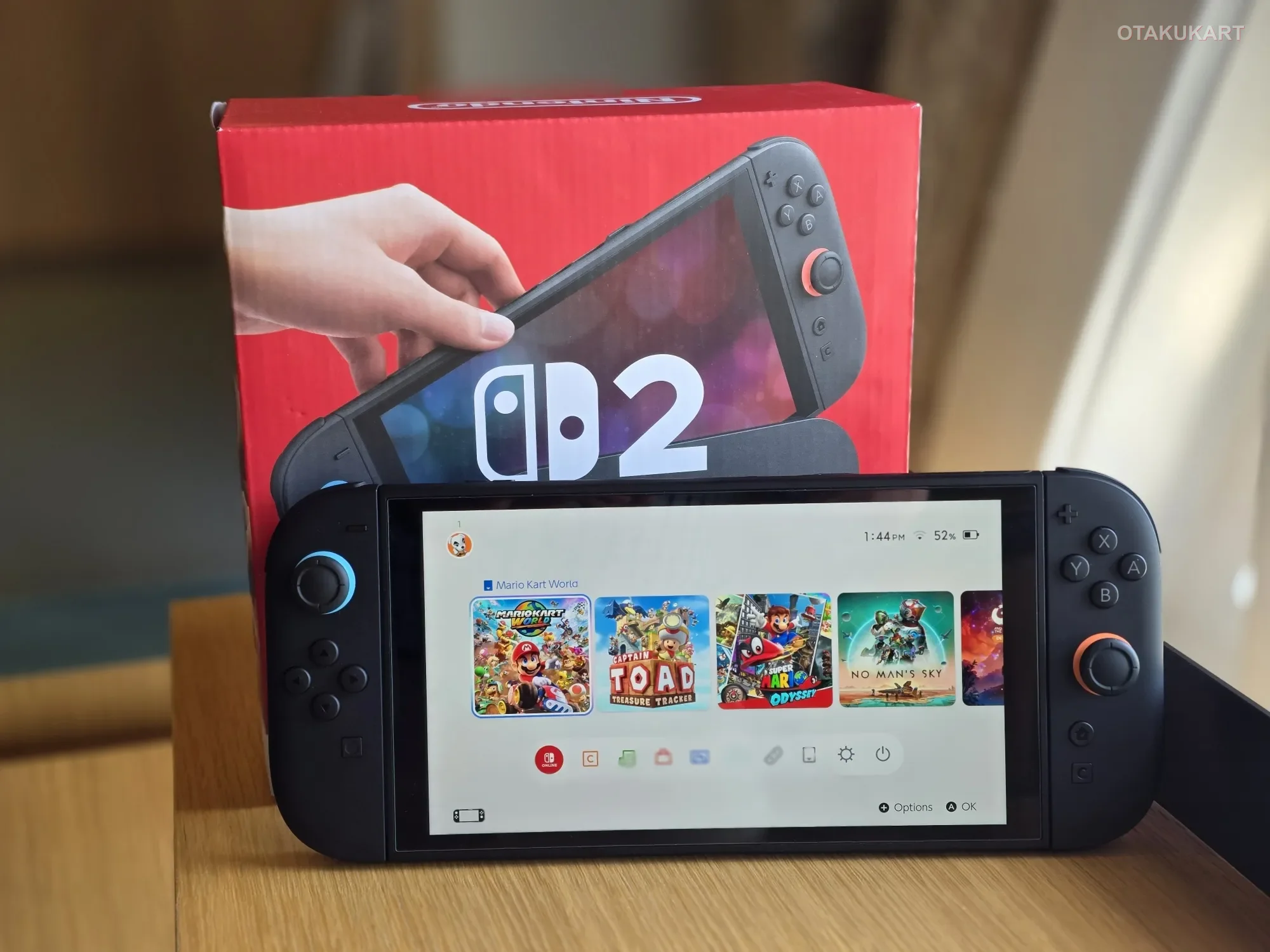
What Will Change in the New Switch 2 Model
While Nintendo has not detailed the exact design modifications, it has indicated that compliant versions of the console will be released as separate models. These updated units will feature distinct model numbers and additional labeling to differentiate them from standard versions.
Specifically, Nintendo noted that products with existing “BEE” model numbers will eventually be joined by versions marked with an additional “OSM” code. This designation will signal that the device meets EU regulatory standards for battery replacement.
It remains unclear whether these design changes will extend beyond the console itself. Accessories such as Joy-Con controllers and the Pro Controller also carry similar model identifiers, raising questions about whether they will receive the same treatment.
A Broader Industry Shift Toward Repairability
Nintendo’s decision reflects a growing trend across the tech industry. As regulations tighten, manufacturers are being pushed to rethink product design in favor of durability and repairability.
The return of user-replaceable batteries marks a reversal from recent years, when many devices were built with sealed designs that prioritized compactness over accessibility. With the EU leading the charge, companies are now being forced to balance sleek design with regulatory compliance.
This shift could have long-term implications for consumers, potentially lowering repair costs and extending the lifespan of devices. For gaming hardware, in particular, it may also improve usability for players who rely on portable systems over extended periods.
Will Other Regions Get the Same Version?
One of the biggest unanswered questions is whether Nintendo will offer the replaceable battery version of the Switch 2 outside the European Union.
So far, the company has not confirmed any plans to bring these changes to other markets. This raises the possibility that different regions could receive slightly different hardware versions, depending on local regulations.
However, industry observers note that once a company develops a compliant design, it may eventually adopt it more broadly to streamline production. Whether Nintendo takes that approach remains to be seen.
What This Means for Consumers
For European players, the update could make the Switch 2 more practical over the long term. Battery degradation is a common issue with portable devices, and the ability to replace a battery easily could significantly extend the console’s usable life.
For the wider market, Nintendo’s move highlights how regulation is reshaping product design. Features that were once standard, such as removable batteries, are making a comeback as governments push for more sustainable technology.