After years of controversy and global scrutiny, Teach You a Lesson has officially premiered on Netflix, marking the arrival of one of the platform’s most debated Korean drama projects. The series, adapted from the webtoon Get Schooled, had already gained attention long before release due to criticism over its portrayal of race, violence, and disciplinary practices. Now streaming worldwide, the show shifts focus toward its narrative execution and whether it successfully redefines its controversial source material.
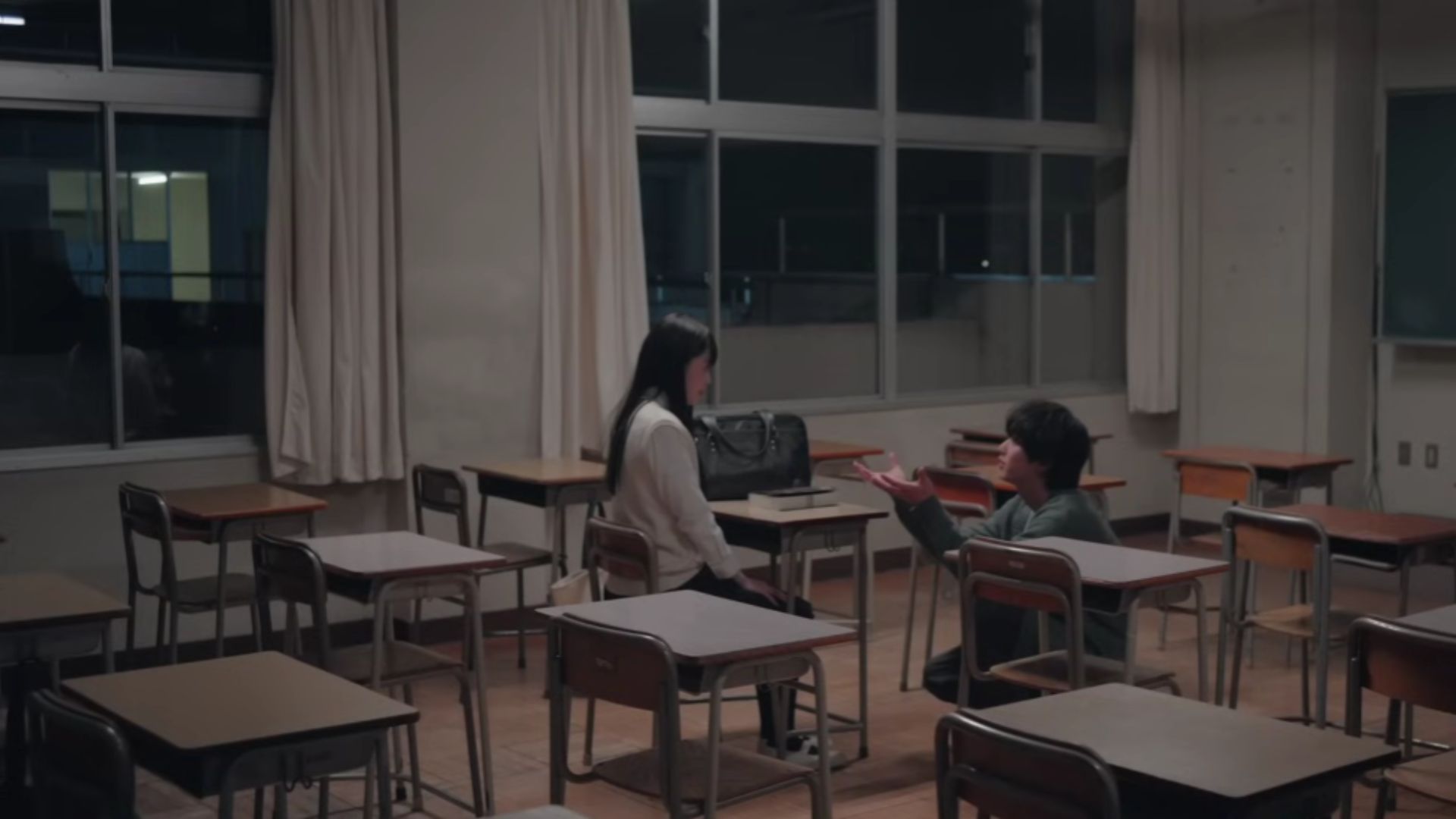
At its core, the drama follows a fictional government-backed unit created to intervene in extreme school-related issues. The organization deals with cases involving violent students, abusive parents, and unethical teachers, presenting a high-stakes version of justice where conventional systems fail. This blend of action and social commentary forms the backbone of the series, positioning it as both entertainment and a reflection on systemic issues in education.
The Controversy Behind ‘Get Schooled’
The biggest challenge for the adaptation comes from its origin. The Get Schooled webtoon, published on Naver Webtoon, faced intense backlash internationally for a storyline that depicted a mixed-race Black student as a violent antagonist. The portrayal led to accusations of racism, sparking widespread criticism across global audiences.
The controversy deepened due to the webtoon’s frequent use of physical punishment as a solution to conflicts. Critics argued that the narrative appeared to justify corporal punishment, showing authority figures using force against students, parents, and teachers. This backlash ultimately led to the series being removed from Naver Webtoon’s North American platform in 2023, though it remained accessible in South Korea.
Director Hong Jong-chan addressed these concerns directly during a press conference in Seoul, emphasizing that the Netflix adaptation takes a more thoughtful and balanced approach. “We tried to approach the story through a more refined lens and create something meaningful,” he said, acknowledging the criticisms tied to the original work.
Hong explained that his interest in the project was not rooted in its controversial elements but in its central idea of advocating for victims. He described the concept of the intervention unit as a form of “fantasy justice,” adding that the series is meant to encourage viewers to reflect on real-world issues rather than present simple solutions. He also noted that audiences may interpret the story differently based on their own experiences, highlighting the show’s intention to spark discussion rather than dictate conclusions.
Gim Mu-yeol’s Role Anchors the Narrative
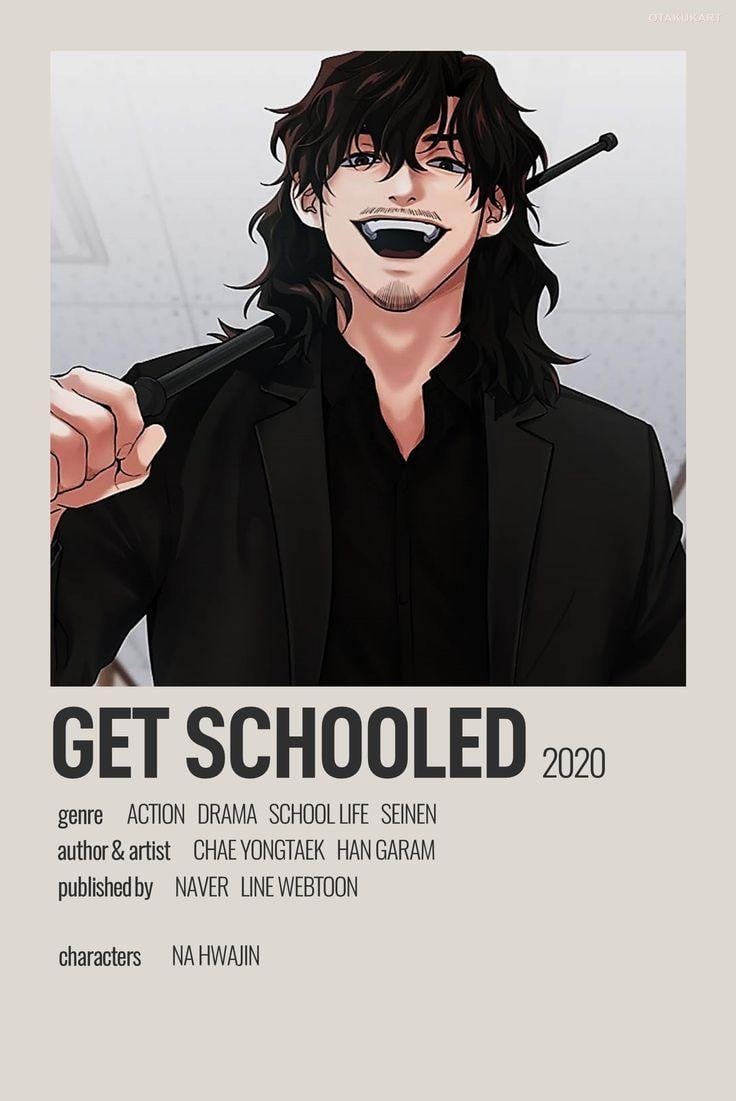
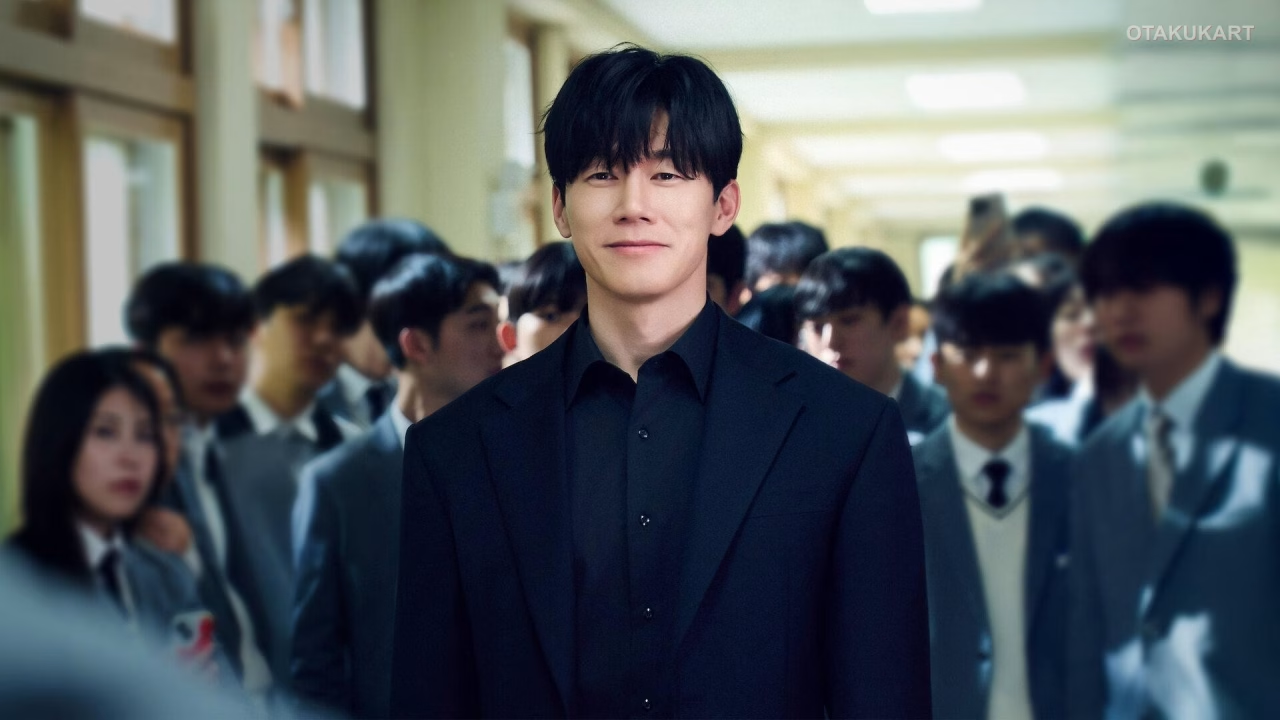
Leading the series is actor Gim Mu-yeol, who plays Na Hwa-jin, a former special forces operative turned inspector. As the face of the organization, his character represents both the action-driven and emotional core of the story. Through his interventions, the series explores complex situations where moral lines are often blurred.
Speaking about the role, Gim described Na as a character driven by both empathy and action.
“Na Hwa-jin is someone who doesn’t stop at understanding people’s pain. He takes responsibility and acts on his convictions,”
he said Hong during a press conference held Friday in Seoul.. The actor also emphasized that the character evolves throughout the series, revealing deeper emotional layers as he encounters different victims and cases.